
Apple is entering the foldable phone market with what the company so “creatively” calls iPhone Duo, starting at $2,000 for 256GB, with a book-style design featuring a 5.4-inch outer display and 7.6-inch inner display, arriving in October.
A few months back, when Apple launched the MacBook Neo, I thought of the Surface Neo that never saw the light of day.
Now, due to Apple’s insane popularity, the “Duo” moniker would stop being associated with one of my favourite pieces of hardware: the Surface Duo.
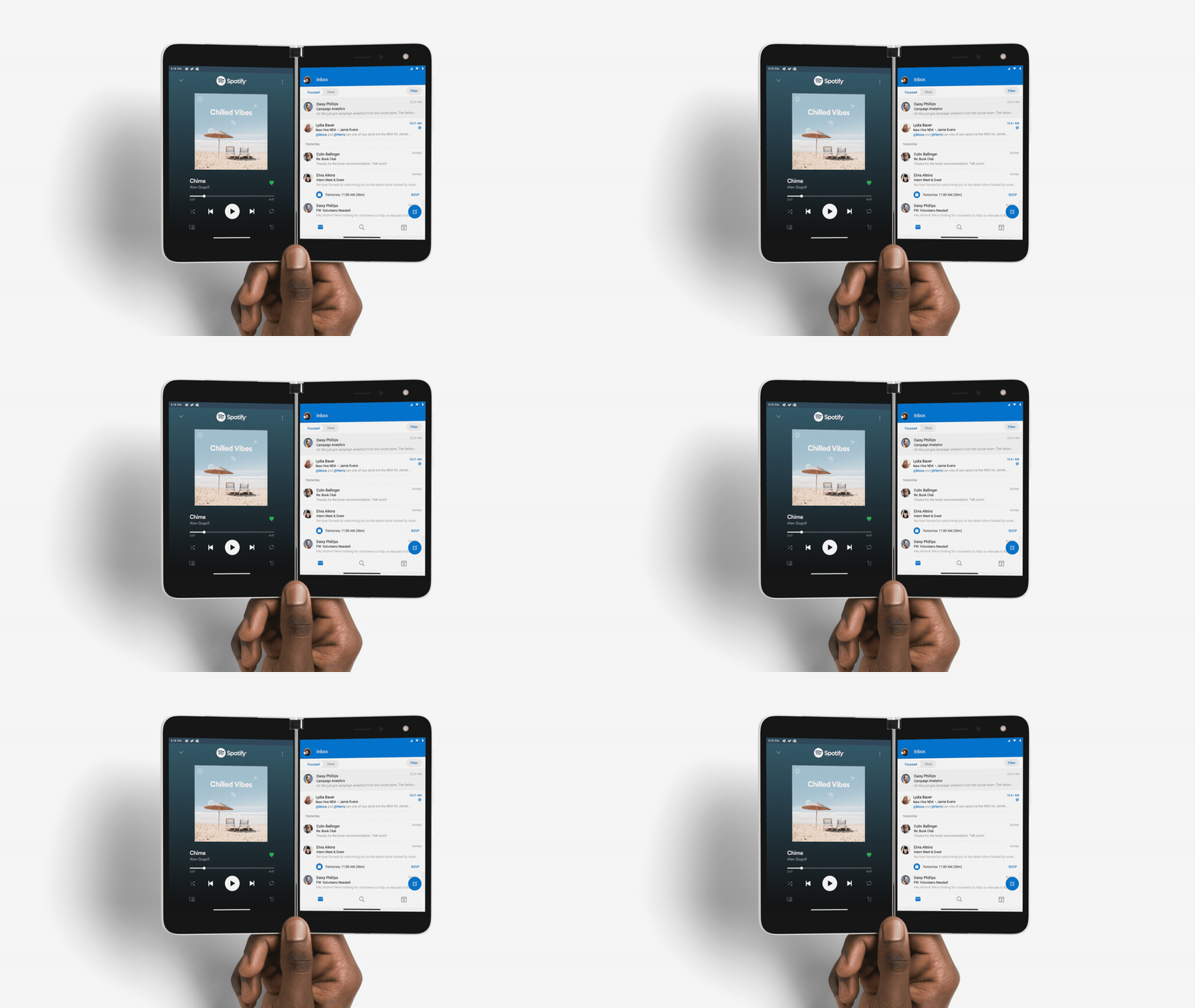
Surface Duo made the “short and wide” passport-style form factor
Microsoft launched the Surface Duo in 2020. It went in a completely different direction from what we have now in the foldable market, including Apple’s wide-screened folding phone.
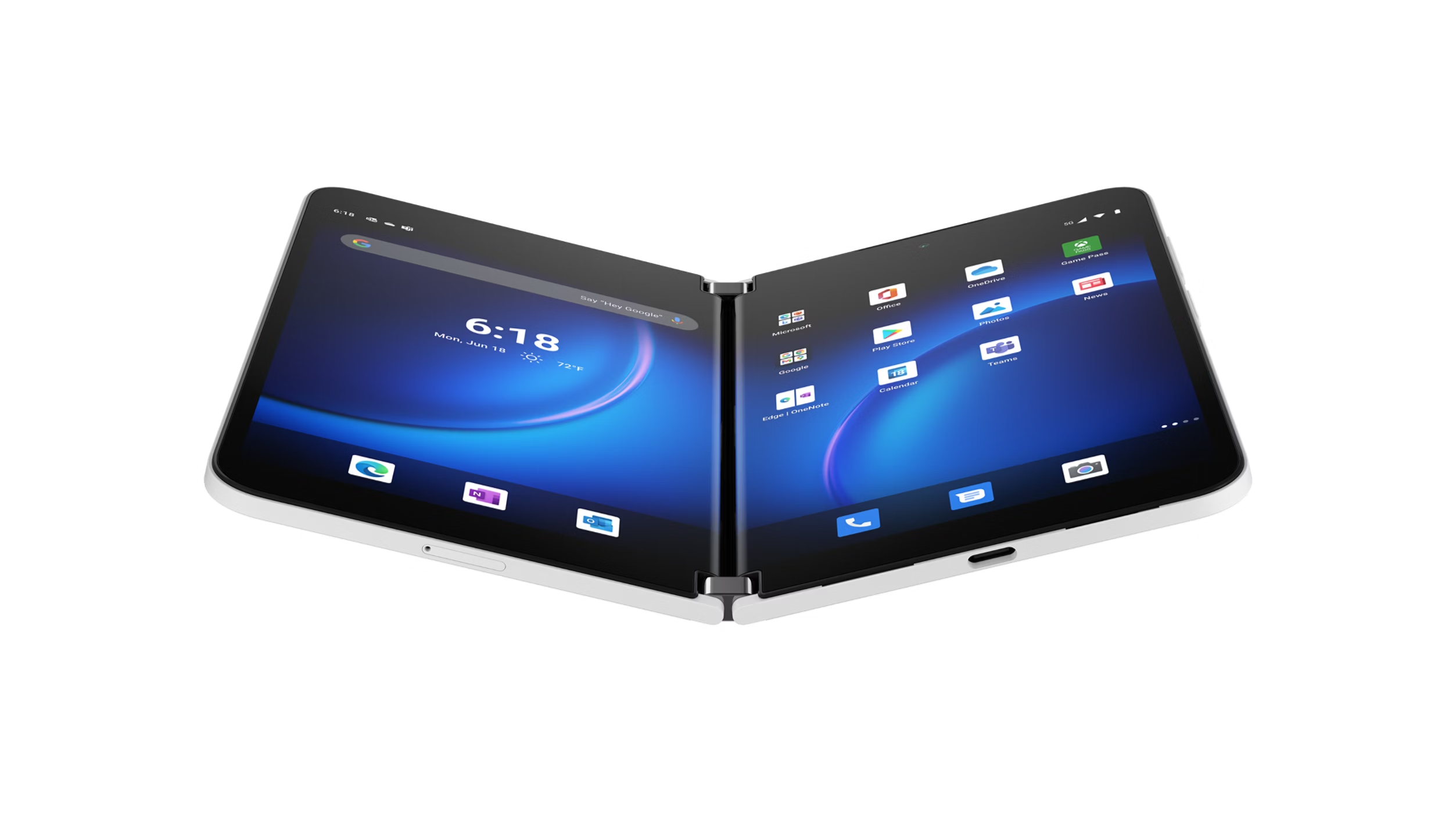
It had two separate 5.6-inch OLED displays joined by a 360-degree hinge instead of one flexible screen. Despite the Duo’s poor reputation today, its hardware was one of the most advanced pieces of phone engineering any company has ever shipped.
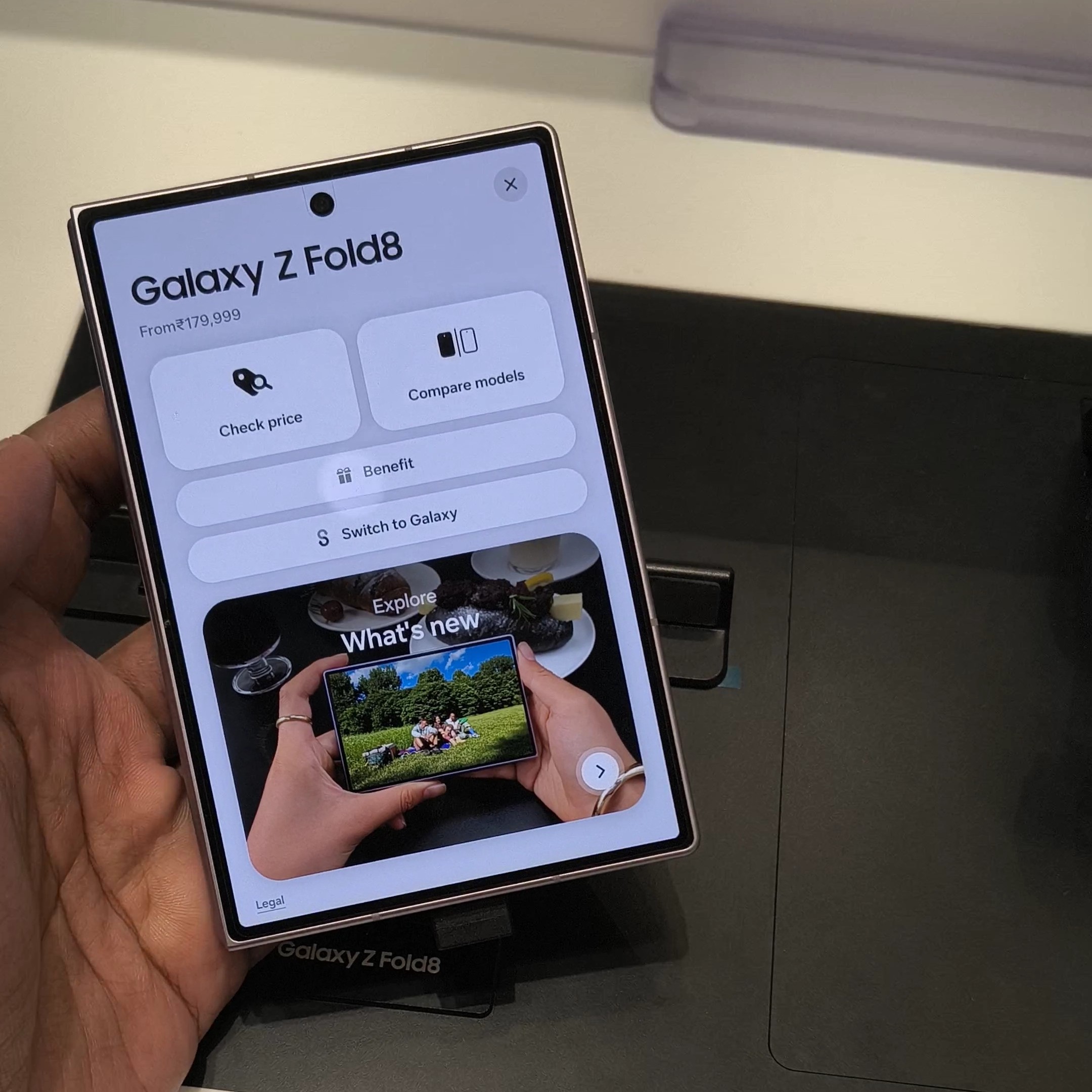
While the likes of Oppo and some others brought a wide form factor to foldables, and Samsung revitalized it with the Galaxy Fold 8, Apple enthusiasts and most of the general public would think of the form factor as Apple’s innovation, when in reality, it was the Surface Duo that made such a design understandably practical to use.
Needless to say, nobody cares about it anymore, let alone Microsoft, which cancelled the project in 2023. I have said this many times before; Microsoft is always early to the party, and it hurts more than being late, because now people would remember the Duo’s failure (Surface Duo, obviously, but I realise I can’t shorten it again!) instead of thinking Microsoft didn’t innovate.
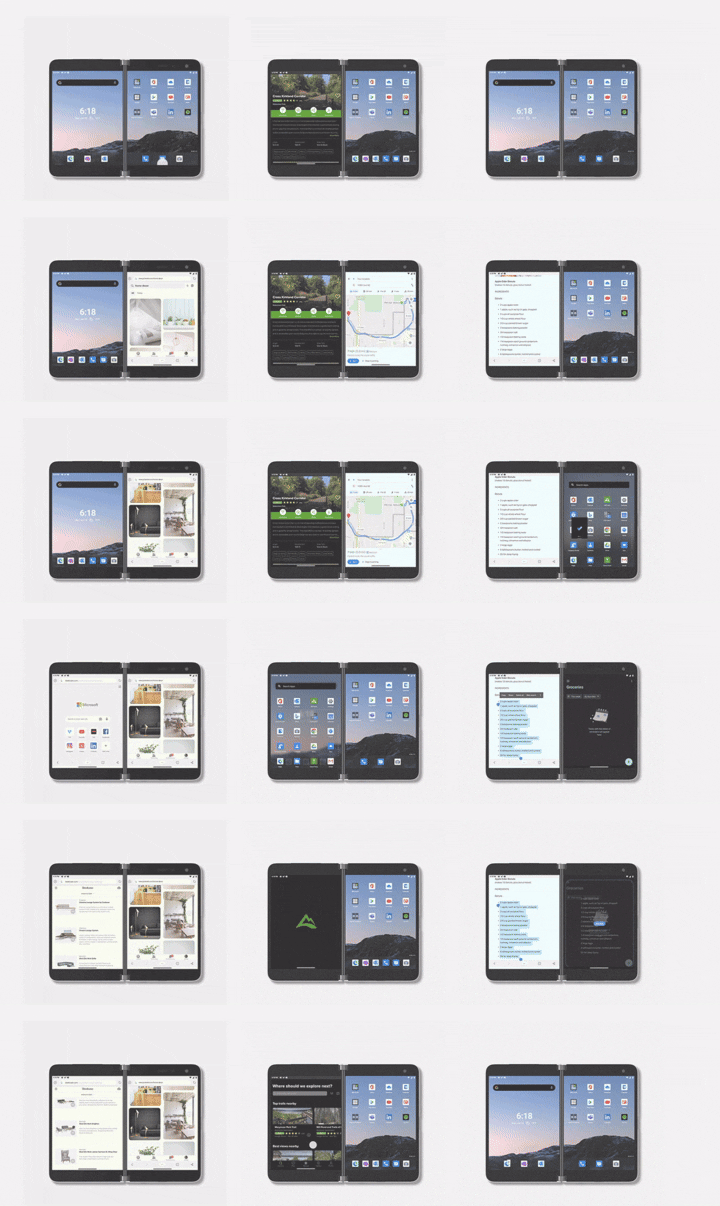
The Surface Duo didn’t fail because the idea was bad. It was good. Fantastic, based on how people have reacted to Samsung’s wide-screen fold and now with the Apple iPhone Duo (I’m sad I have to use this name). The original Duo failed because Microsoft never gave the software enough time to catch up with the hardware.
The Surface Duo had the hardware; Microsoft just couldn’t make the software keep up
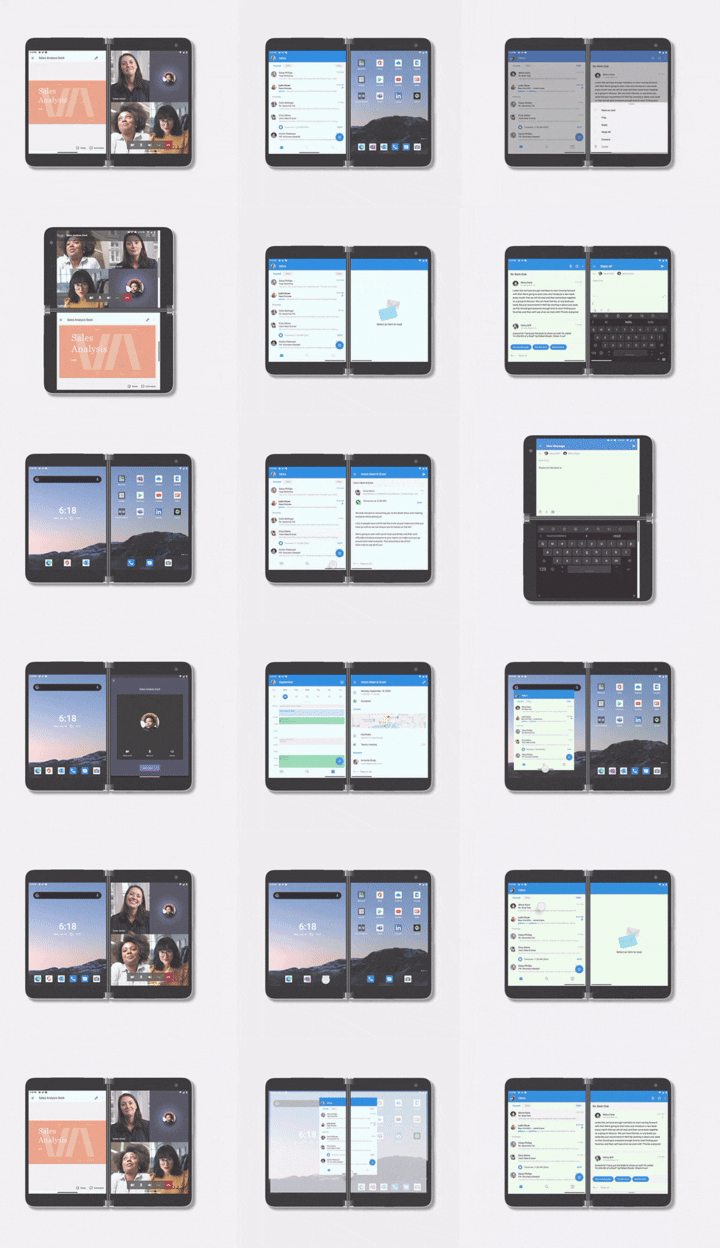
I remember how reviewers praised the original Duo’s design: an impossibly thin 4.8mm open, 9.9mm closed, a smooth 360-degree hinge, two independent 5.6-inch OLED displays, and the ability to run two apps side by side through App Groups.
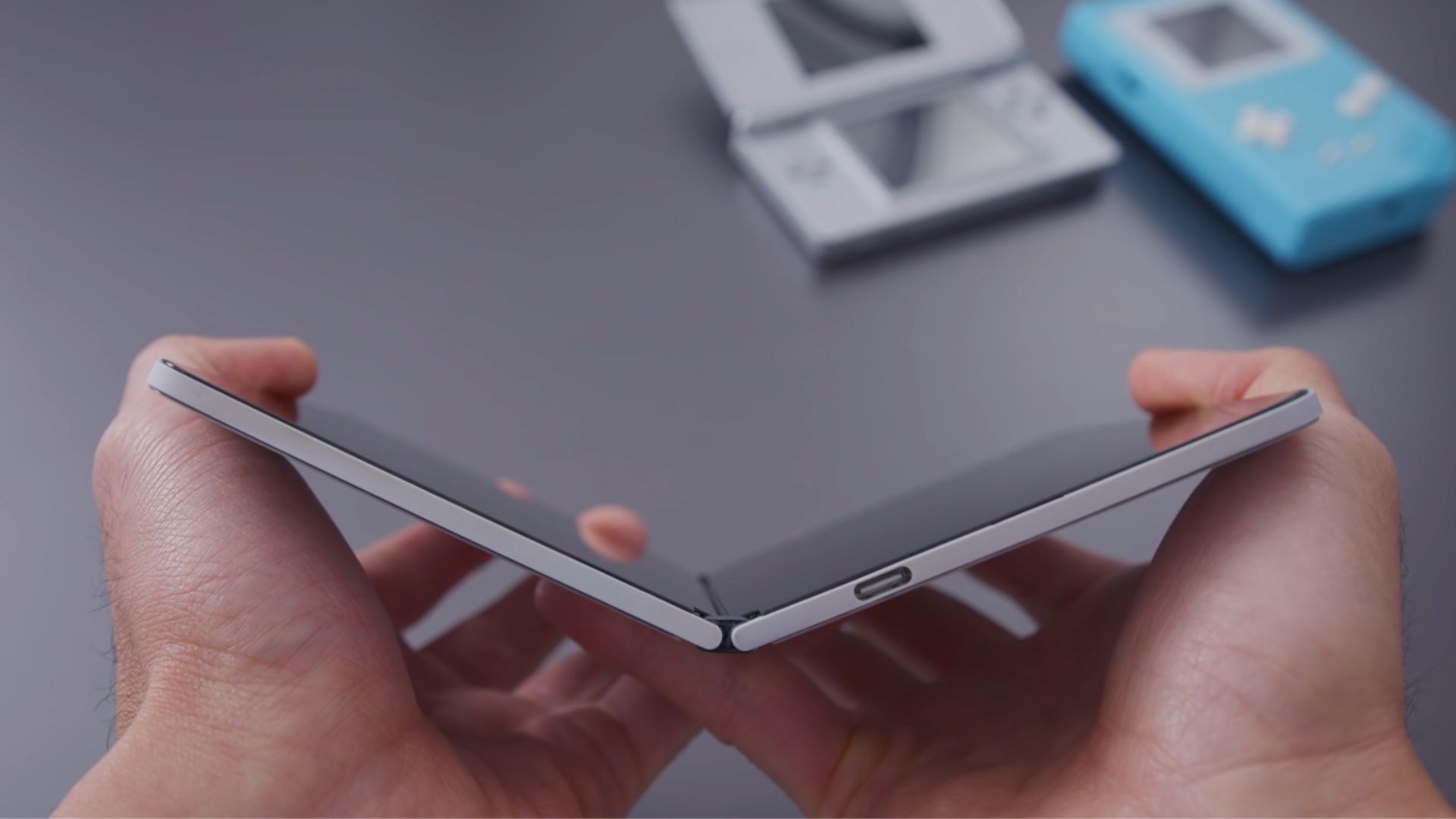
The software undid all of it, though. The first Duo shipped on Android 10 and reviewers ran into stuttering, crashes, unreliable gestures, keyboard problems, apps that weren’t optimized for two screens, awkward camera behavior, and missing basics like NFC, 5G, and wireless charging. Multiple reviews came to the conclusion that the $1,400 hardware wasn’t the problem; the software made the device feel like a prototype.
Surface Duo 2 fixed a lot of that. Microsoft added a Snapdragon 888, 5G, NFC, a triple camera system, 90Hz displays, and noticeably better dual-screen software, built around Microsoft 365, Teams, and other apps tuned for the dual-screen layout.
However, there was still much work left to do.
Microsoft had a Surface Duo 3, then cancelled the whole idea
In January 2023, Microsoft had scrapped the original dual-screen Surface Duo 3 design, which would have kept the Duo concept but with narrower, taller, edge-to-edge displays and wireless charging.
Yes, Microsoft pivoted toward a conventional foldable with a single internal folding display, an external cover display, a 180-degree hinge, a taller aspect ratio, and triple rear cameras.
However, the project got cancelled. A patent later revealed the device, codenamed Neon, showing a folding screen, a cover display, and magnetic accessories similar to MagSafe. Microsoft scrapped it in spring 2023 as the company cut back on experimental Surface hardware.
To make matters worse, the Duo software team had been squeezed by layoffs and competing priorities, with many engineers moved to Teams Rooms on Android instead. Microsoft’s relationship with Google reportedly never went beyond a standard OEM partnership, making Android updates harder than they should have been.
I do not doubt Apple’s prowess in optimizing iOS for a wide foldable aspect ratio, and that is what Microsoft missed with their Duo.
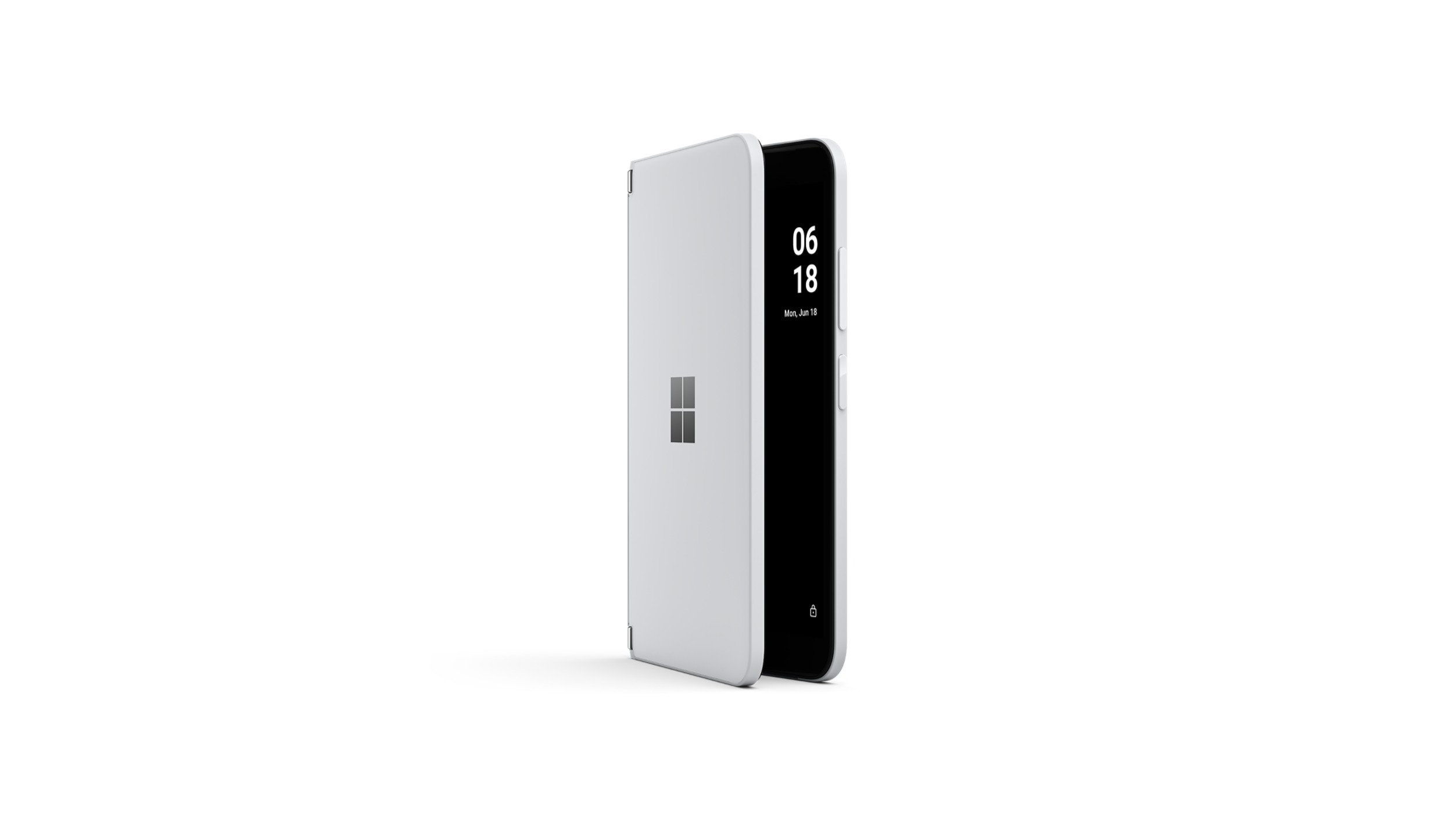
The original Duo received only two major Android updates before losing support in September 2023. Duo 2 got just one before its support ended in October 2024. Microsoft ran out of commitment to the product.
Imagine the Surface Duo with today’s Link to Windows
Microsoft’s cross-device software is far more capable now than it was when Surface Duo launched. Phone Link and Link to Windows let Windows users run Android apps in an almost full-screen window, resume Android activities on the PC, and control a Windows 11 PC remotely from the phone, including shutting it down or restarting it from Android, a feature we first spotted, and Microsoft is testing right now.
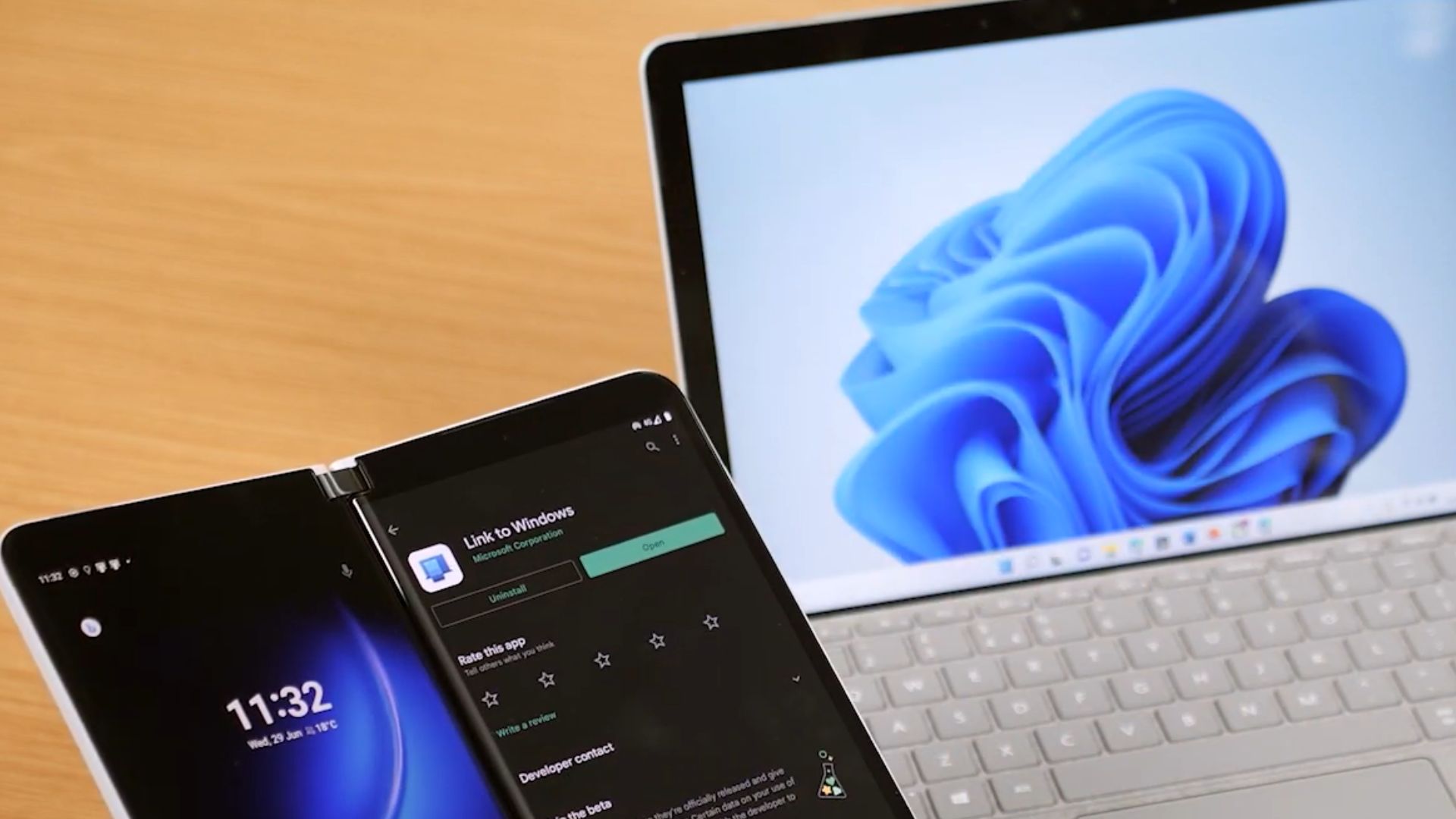
Truth be told, Surface Duo already had Link to Windows built in, so the foundation for a tightly integrated Microsoft phone-and-PC ecosystem already existed.
However, I can’t help but imagine how a modern Surface foldable running current Android alongside today’s mature Phone Link, Microsoft 365, and Windows continuity features could have been Microsoft’s real answer to Apple’s ecosystem.
It could’ve been a far more interesting Windows phone experience than anything on shelves right now.
Apple may get the foldable right, but Microsoft had the idea first
Apple’s foldable iPhone may prove the category finally has enough maturity to go mainstream, helped by years of watching Samsung, Google, and Microsoft make their mistakes first. Microsoft didn’t have that luxury in 2020. Like I said, always early to the party!
The Surface Duo was early, flawed, and badly supported, but its core idea of a pocketable device that turns into a productivity machine when you open it would continue to be innovative for years to come.
The post The foldable iPhone Duo is here, and it’s the Surface Duo Microsoft gave up on in 2023 appeared first on Windows Latest