
When someone on X posts a picture of their new 5K Dell UltraSharp monitor, worth more than $2000, you would expect questions about the picture quality. But not for Dave Plummer, a former Microsoft engineer.
A user saw that his Windows 11 taskbar was left-aligned, and thanked him for holding out against what they called “center aligned heresy.”
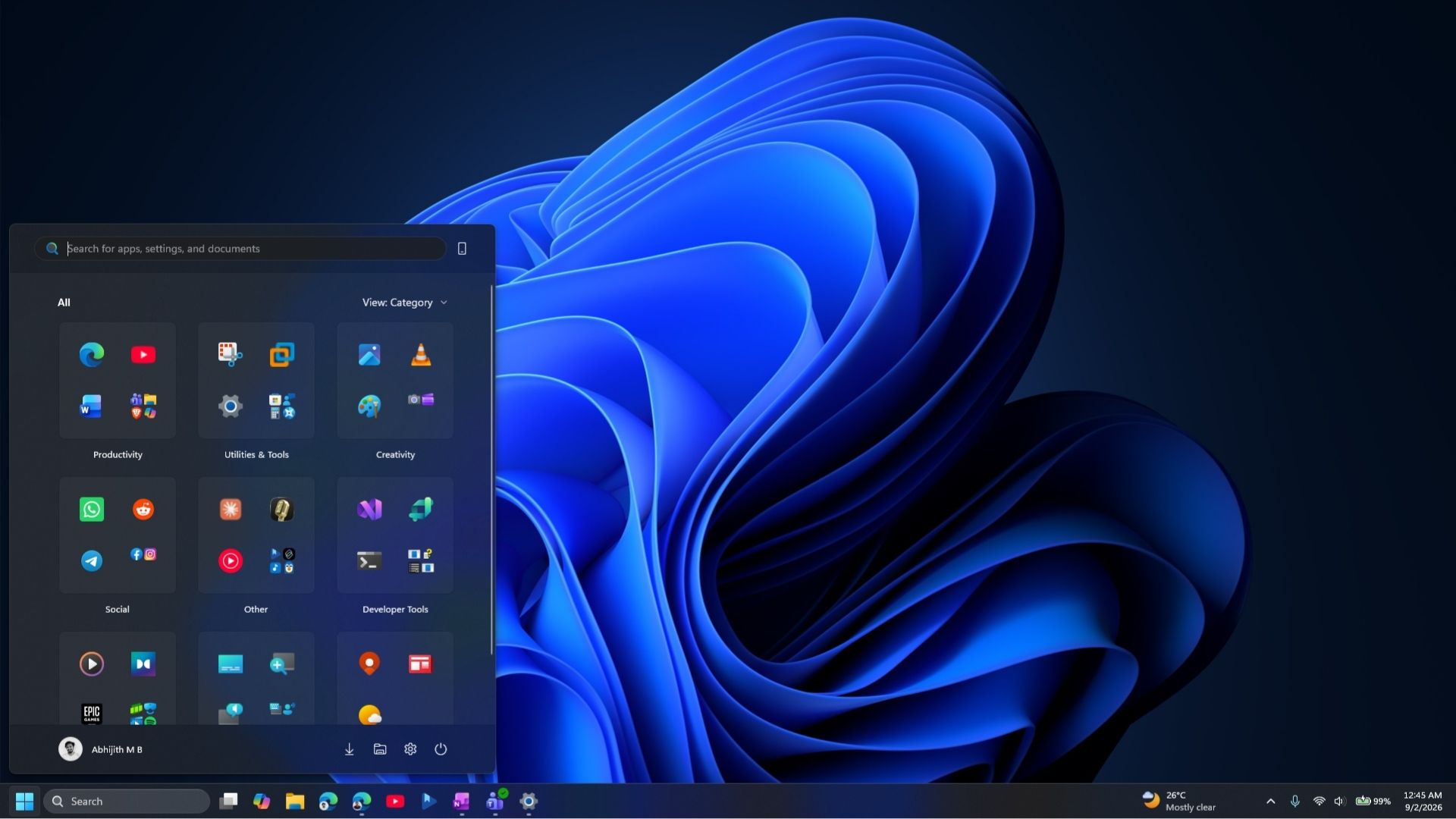
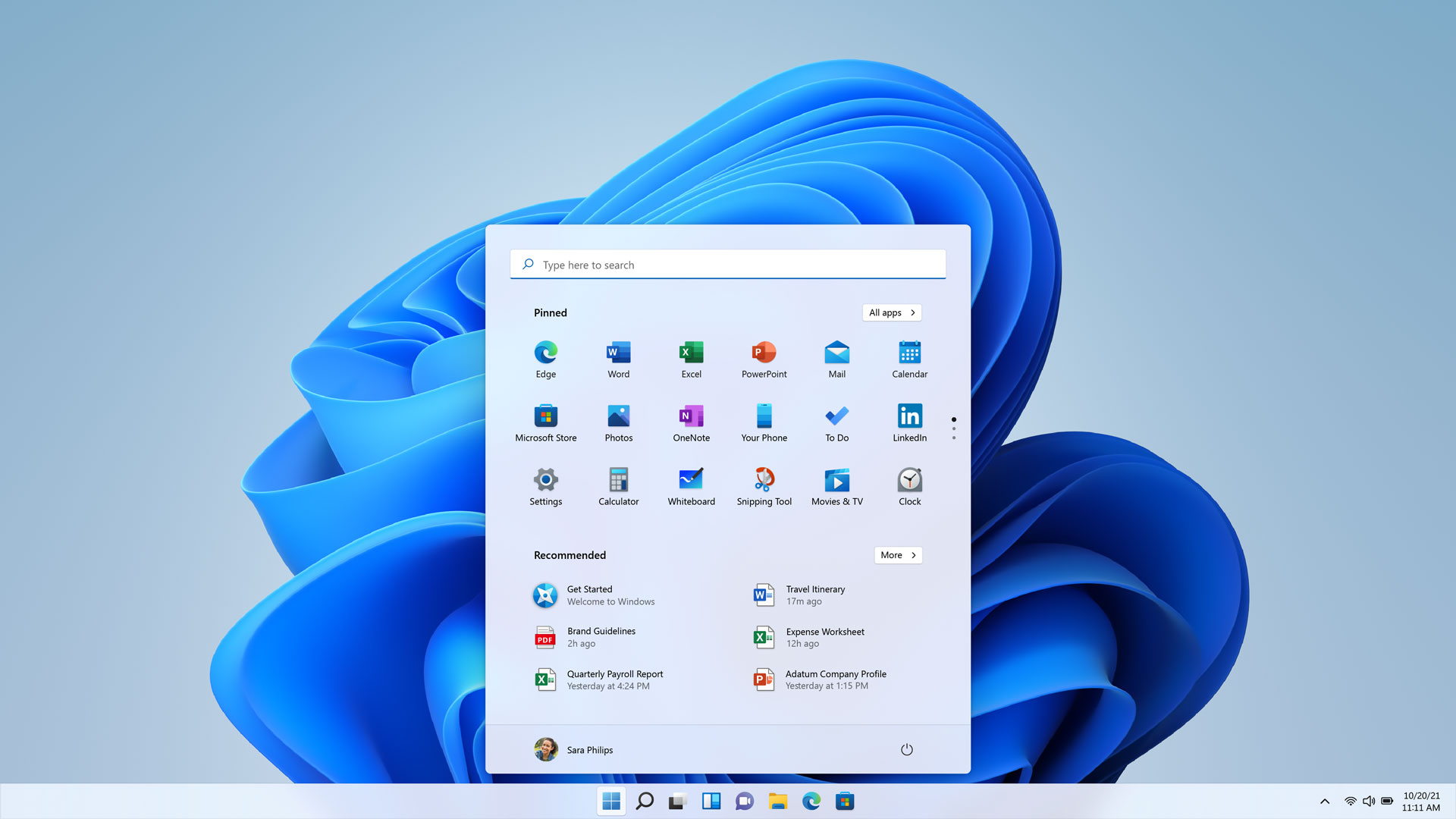
Plummer explained why he keeps it there. “if you drag the mouse down and left far enough, it is, by definition, now ON the Start button”. As someone who recently moved from bottom centre-aligned to a top-aligned vertical taskbar, I rarely have to look at the screen anymore to click the Start button, and I understand what Plummer meant here.
However, the discussion went from mouse ergonomics to a deeper conversation about how the Start menu ended up in the bottom-left corner.
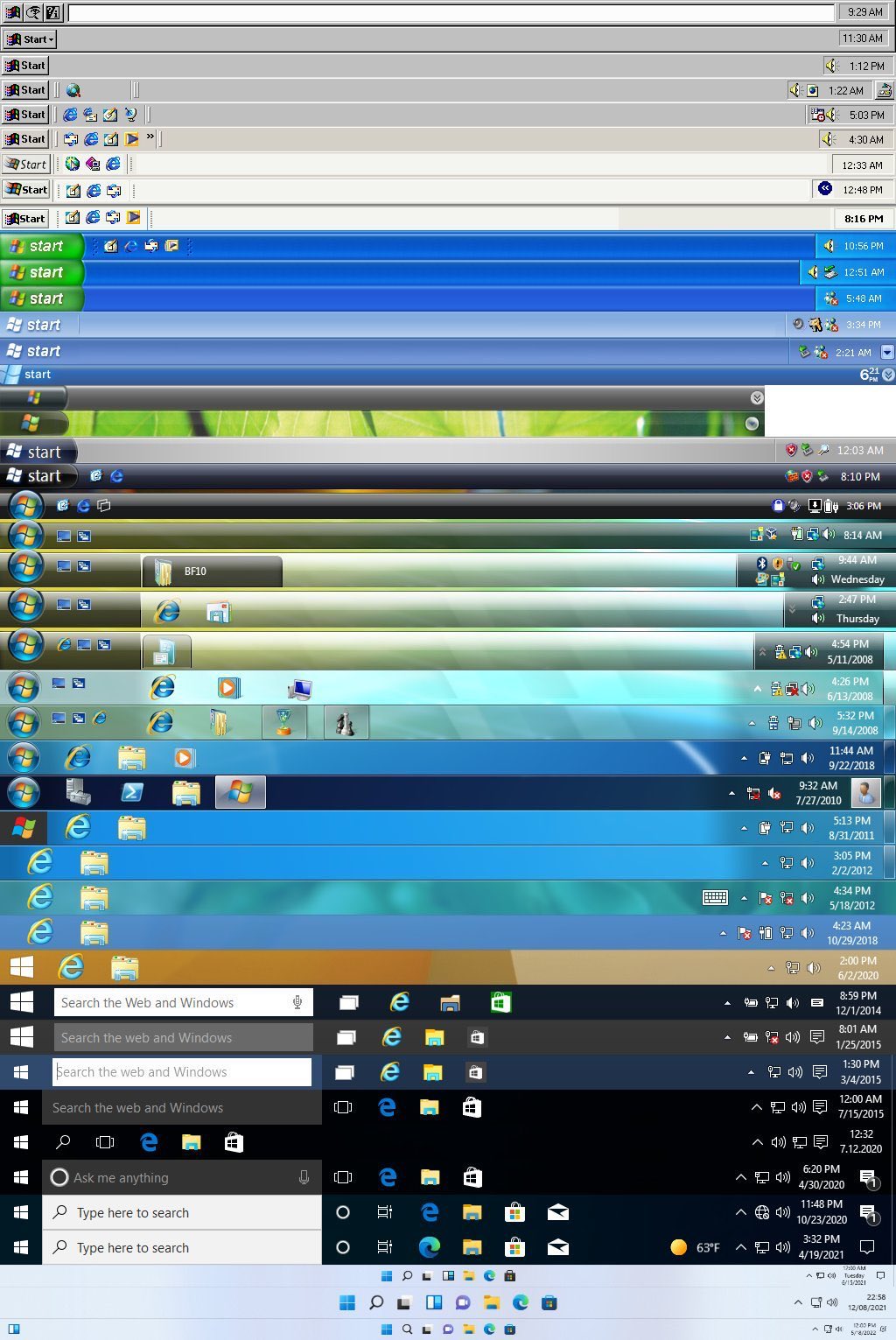
Danny Oran gave the Start button its name and its home
Credit for the Start button goes to Danny Oran, a behavioral psychologist who studied under B.F. Skinner before joining Microsoft in 1992. In case you didn’t know, B.F. Skinner was a pioneering psychologist, behaviorist, and social philosopher.
Under Skinner, Oran had worked on a project trying to teach chimpanzees to communicate using a wooden keyboard device, of all things. Microsoft brought him in for exactly this kind of experience, since the company needed someone who understood how to teach an unfamiliar interface to someone with zero technical background, and testing chimps on button-pressing sequences turned out to be surprisingly good training for that.
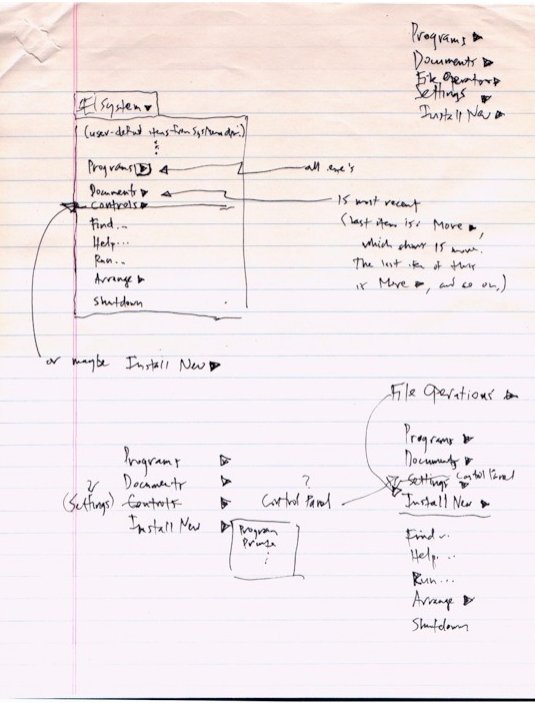
Oran ran usability tests on Windows 3.1 and watched people fail to find basic features constantly. In one session, a test subject couldn’t figure out how to navigate the OS at all, and it turned out that subject was a propulsion engineer at Boeing. “He was literally a rocket scientist,” Oran said in a 2015 interview, “and even he couldn’t figure out Windows.”
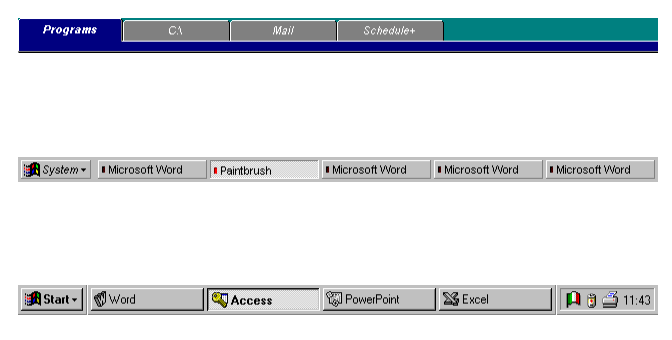
His fix was one button that led everywhere. He first called it “System” and placed it at the top of the screen as a row of tabs. Nobody in testing would click something called System, no matter how it was explained to them. Rename it “Start,” and people understood it instantly, without needing an explanation.
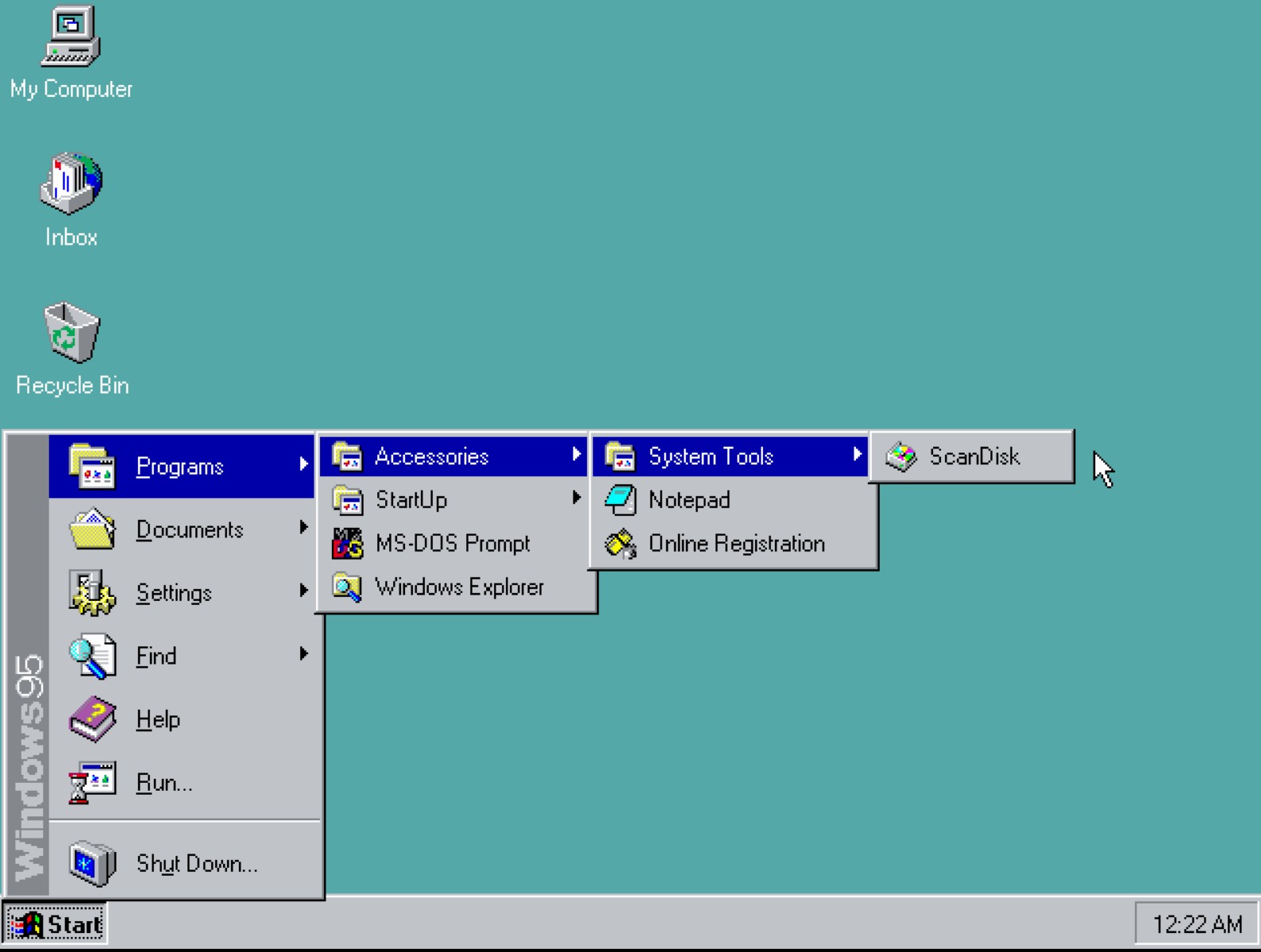
How Start ended up in the bottom-left corner
Getting a button like Start solved discoverability, but deciding its position was a separate decision, and funnily enough, it was thought of back in 1954, with Fitts’s law, a piece of human-computer interaction research.
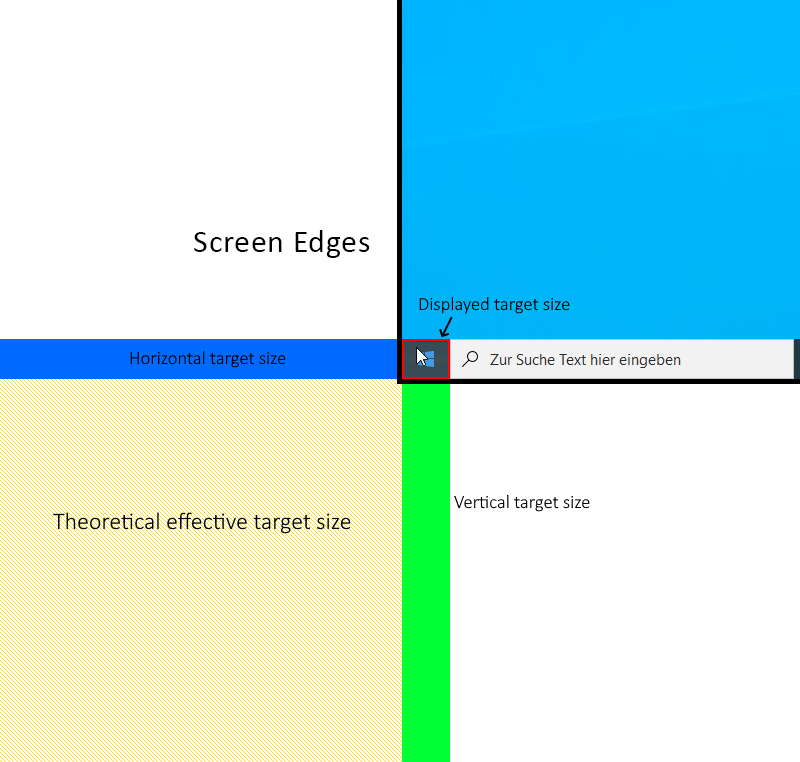
The law states that how fast someone can hit a target on screen depends on the target’s size and how far away it is. Of course, now it all seems obvious that you can throw the mouse at full speed at the corner and click.
And as for the position of the Start menu, the reading habit of left to right gave the Start menu its default left position for years, until Windows 11 changed it.
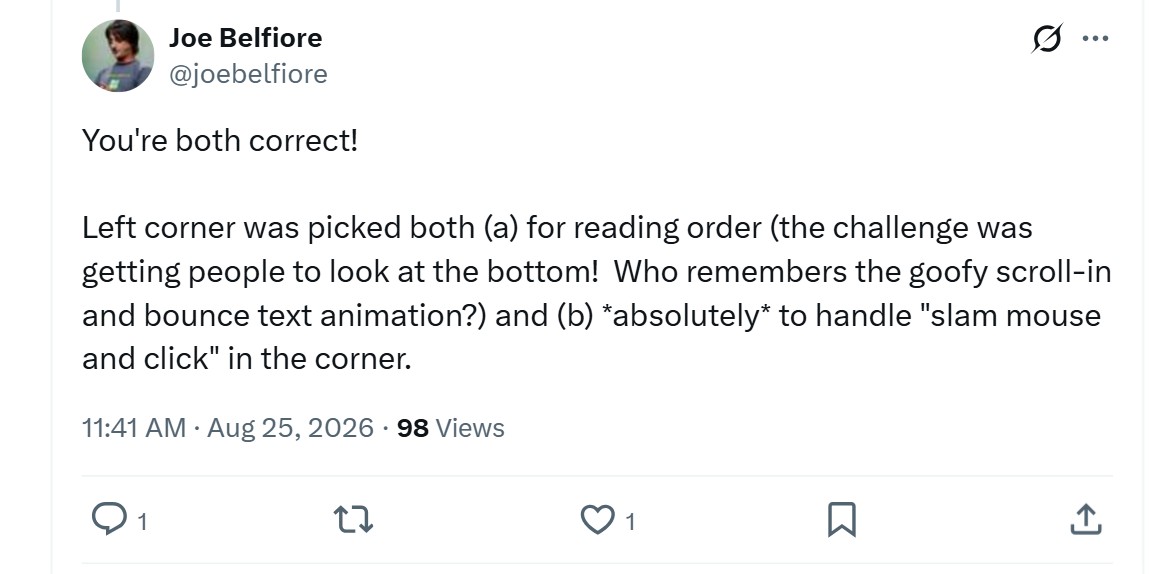
Joe Belfiore, former Microsoft VP, confirmed this was a deliberate choice on Microsoft’s side too, writing that the left corner was picked “both for reading order” and to handle what he called “slam mouse and click.” He also gave Oran credit for the harder problem of compressing earlier multi-icon Windows designs down into a single Start button.
However, in classic Microsoft fashion, when they implemented it in Windows 95, they mistakenly padded the Start button, leaving an inset of a couple of pixels between the clickable edge of the button and the physical boundary of the screen.
If a user threw their mouse completely into the bottom-left corner and clicked, nothing would happen. They corrected it in Windows 98, though, and extended the invisible, active target zone of the Start button to the outer 1-pixel boundary of the screen. So, the absolute bottom-left corner would instantly register a click on the Start menu.
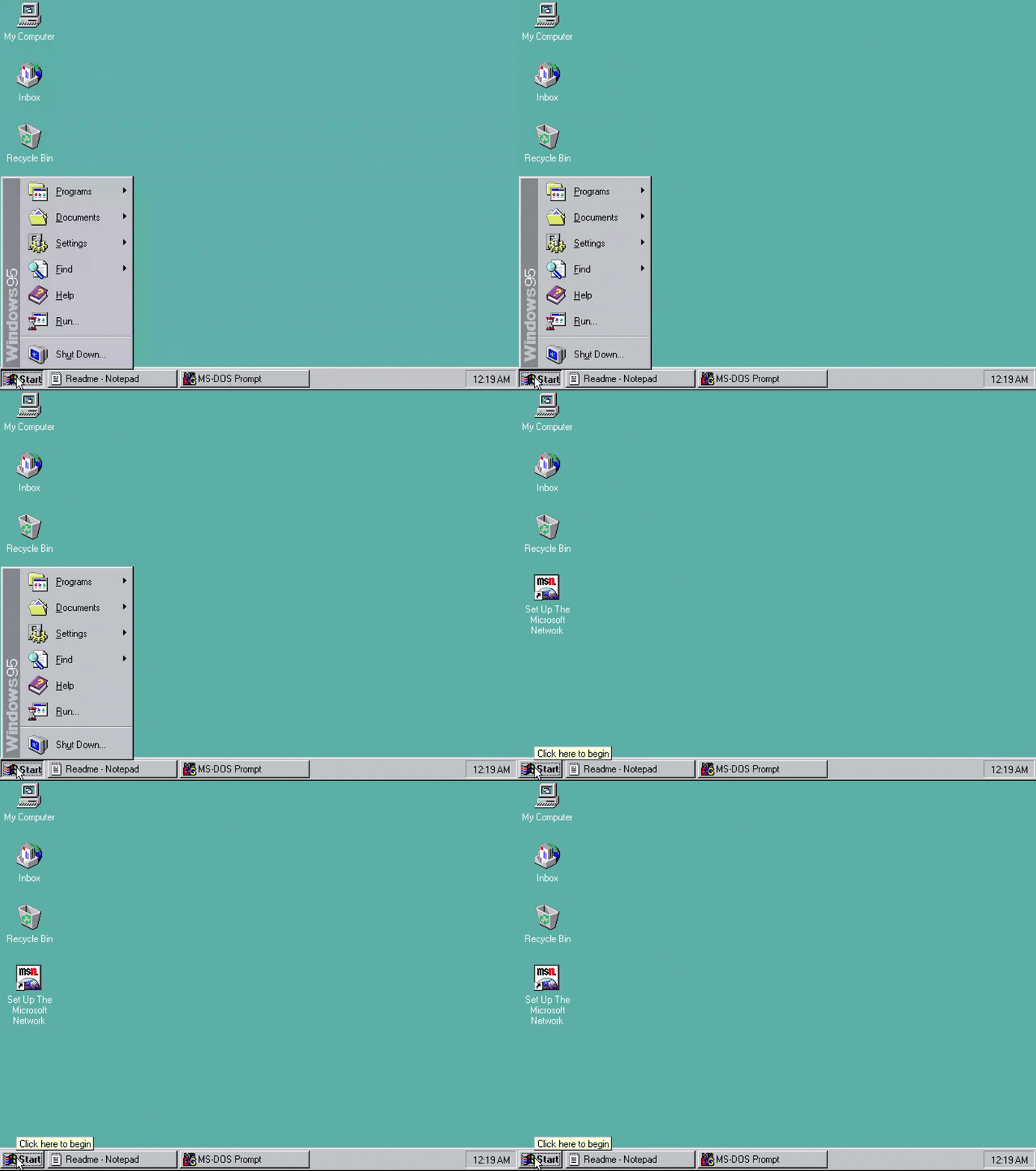
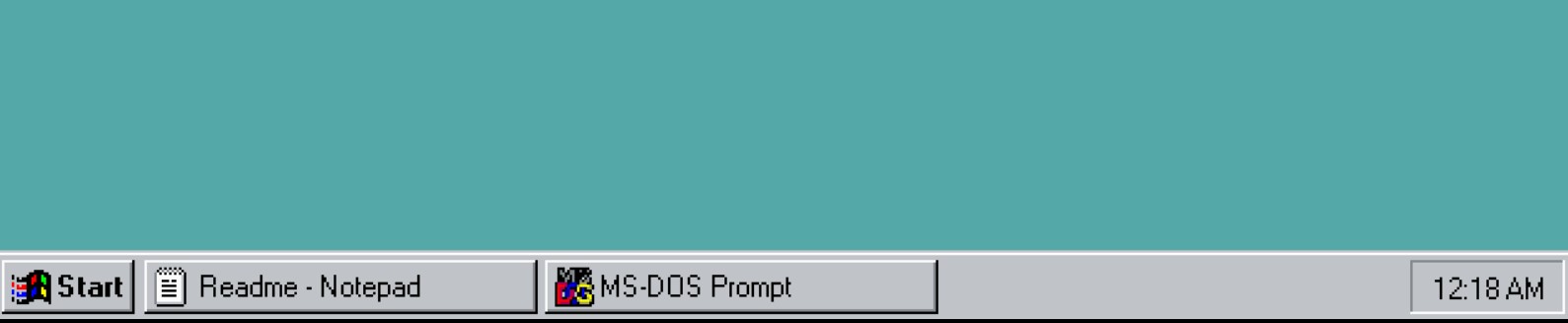
The other problem that Oran solved was that of the taskbar… and he basically thought of the idea of a bar that would show all running programs.
Interestingly, Oran’s original taskbar concept ran along the top of the screen as a row of tabs, similar to how Chrome tabs look, and where the Start button itself started out, but Microsoft moved to the bottom, maybe to avoid looking too close to Apple’s macOS.
Speaking of the company that loved filing lawsuits, Apple used the identical principle for the opposite corner problem, pinning its menu bar to the top edge of the original Macintosh so the same throw-and-click motion would work there too.
There was also a persistent rumour that Windows 95 was copied from Steve Jobs’ NeXT dock, which turned out to be false, as we reported.
Either way, Oran holds the original patent covering both the Start menu and the taskbar that shipped in Windows 95.
The post Windows 95’s Start menu was invented by a chimpanzee-lab psychologist: ‘Even a rocket scientist couldn’t figure out Windows’ appeared first on Windows Latest