
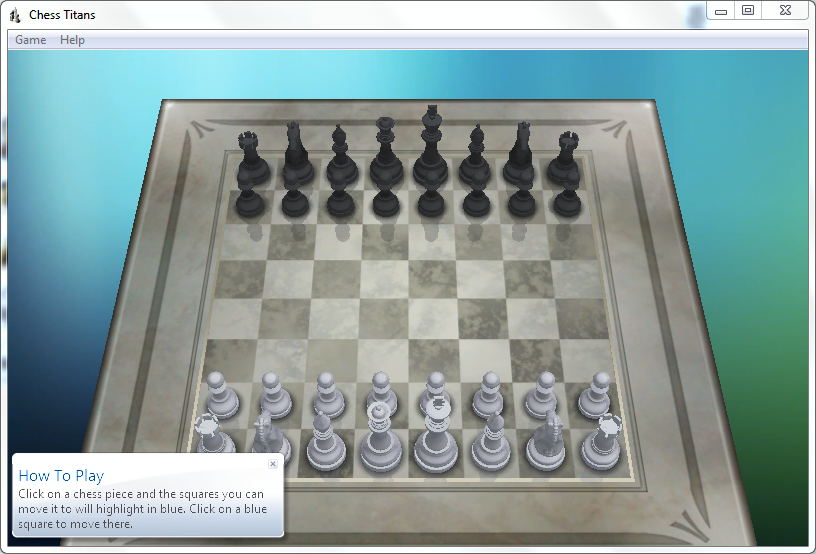
If you installed Windows in the 1990s or 2000s, you did not need Steam, the Microsoft Store, or even an internet connection to find something to play. Solitaire, Minesweeper, FreeCell, Hearts, and eventually 3D Pinball were just there after setup finished. Vista and Windows 7 arguably reached the peak, adding Chess Titans, Mahjong Titans, and Purble Place to the list of classics.
Then we got Windows 8, which, to be fair, not many of us installed, but the familiar games were gone. Microsoft changed how they treated these games, on purpose.
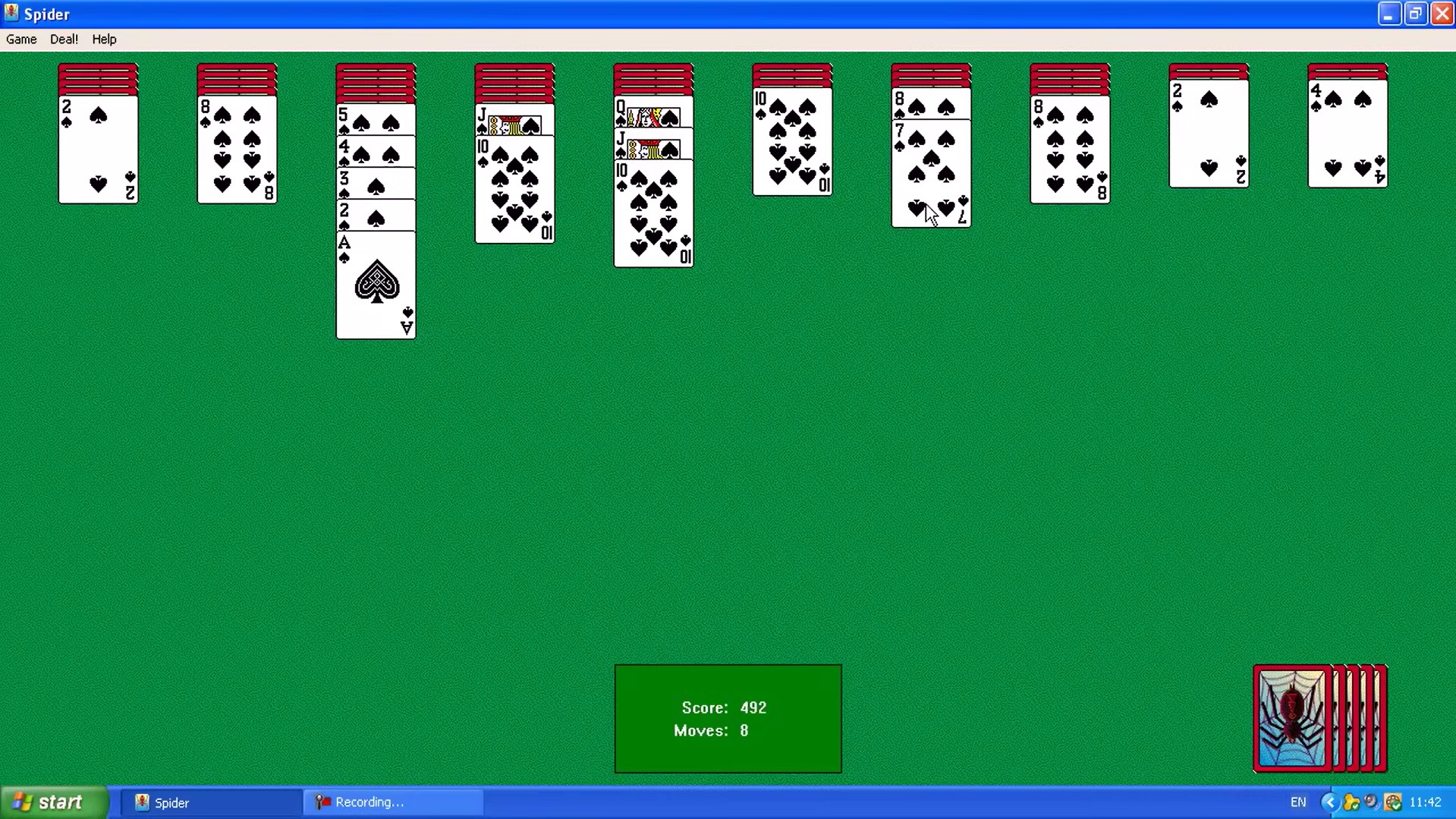
We wrote recently about why Windows 95 shipped with music, cartoons, and games, because Microsoft wanted the operating system to feel fun. And it did, to the point where we are now nostalgic about the 31-year-old OS. So, what happened between Windows 95 and Windows 11?
Microsoft once treated games as part of the Windows experience
See if you remember all these games that came bundled with each version of Windows, going back to the Start (pun intended).
| Windows version | Games included |
|---|---|
| Windows 1.0 / 2.x | Reversi |
| Windows 3.0 | Reversi, Solitaire |
| Windows 3.1 / 3.11 | Solitaire, Minesweeper, Hearts* |
| Windows 95 | Solitaire, Minesweeper, FreeCell, Hearts |
| Windows 98 / 98 SE | Solitaire, Minesweeper, FreeCell, Hearts |
| Windows Me | Solitaire, Spider Solitaire, Minesweeper, FreeCell, Hearts, 3D Pinball, Internet games |
| Windows 2000 | Solitaire, Spider Solitaire, FreeCell, Minesweeper, 3D Pinball |
| Windows XP | Solitaire, Spider Solitaire, FreeCell, Minesweeper, Hearts, 3D Pinball, Internet games |
| Windows Vista | Solitaire, Spider Solitaire, FreeCell, Hearts, Minesweeper, Purble Place, plus Chess Titans, Mahjong Titans and InkBall on higher editions |
| Windows 7 | Solitaire, Spider Solitaire, FreeCell, Hearts, Minesweeper, Chess Titans, Mahjong Titans, Purble Place, Internet games |
| Windows 8 / 8.1 | Classic games removed; Microsoft offered modern Store versions |
| Windows 10 | Microsoft Solitaire Collection bundled, other casual games became Store apps |
| Windows 11 | Microsoft Solitaire Collection remains available; classic desktop games are no longer part of the OS |
*Hearts was associated with Windows for Workgroups 3.1 rather than every Windows 3.1 configuration.
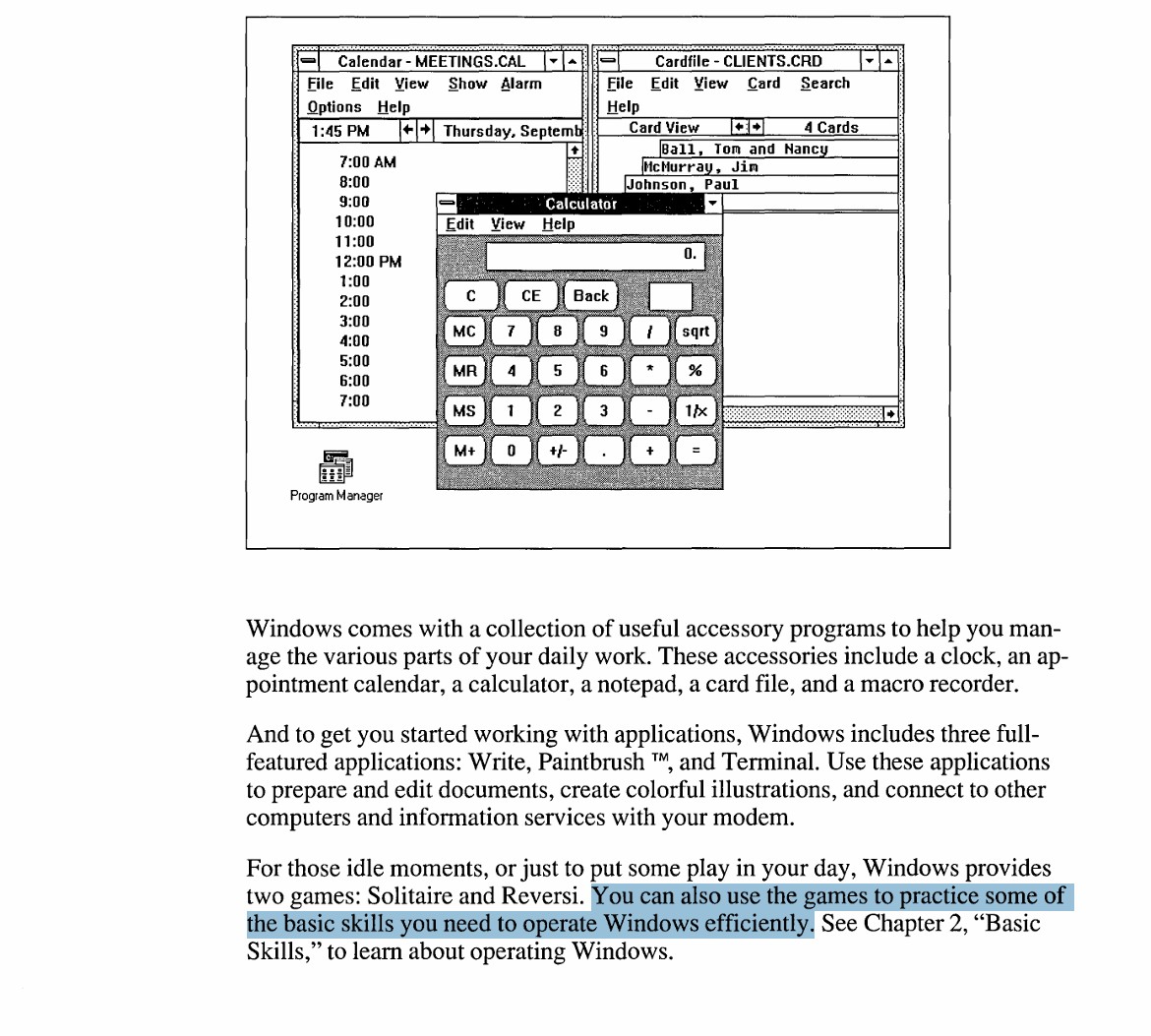
Windows 1.0 shipped Reversi in 1985. Windows 3.0 added Solitaire in 1990, and Microsoft’s user guide for that release described both games as ways for new users to practice mouse and keyboard skills. They were not just filler. Windows 3.1 replaced Reversi with Minesweeper the following year.
The games kept getting more ambitious from there. Vista was the high point, with Microsoft announcing updated Minesweeper, FreeCell, and Solitaire along with new additions like Chess Titans, Mahjong Titans, and Purble Place. Windows 7 kept the full collection intact. Microsoft did not forget about games for two decades. It kept investing in them.
Windows 8 turned games from Windows features into Store apps
Windows 8 was the break. Microsoft pulled the classic inbox games out and pushed users to the Windows Store. Microsoft Solitaire Collection came as a single app bundling Klondike, FreeCell, Spider, TriPeaks, and Pyramid. Minesweeper and Mahjong became separate Store downloads too. Microsoft’s support forums from that era confirm the old games were gone for good and the Store versions were the replacement.
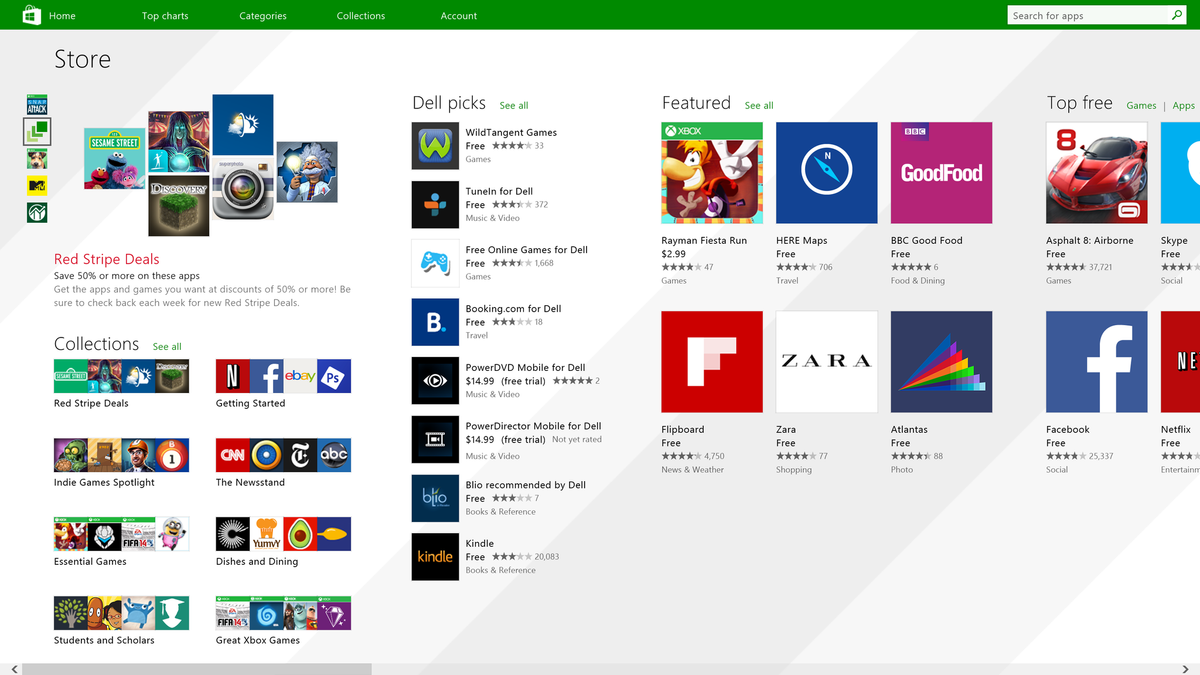
However, pulling the games didn’t mean Microsoft was abandoning them. It was part of a bigger shift toward apps, Store distribution, and Xbox-connected experiences. Windows 8 launched along with a wave of Xbox Live games for Windows, with Microsoft Solitaire Collection and Minesweeper announced in the same breath as full Xbox titles.
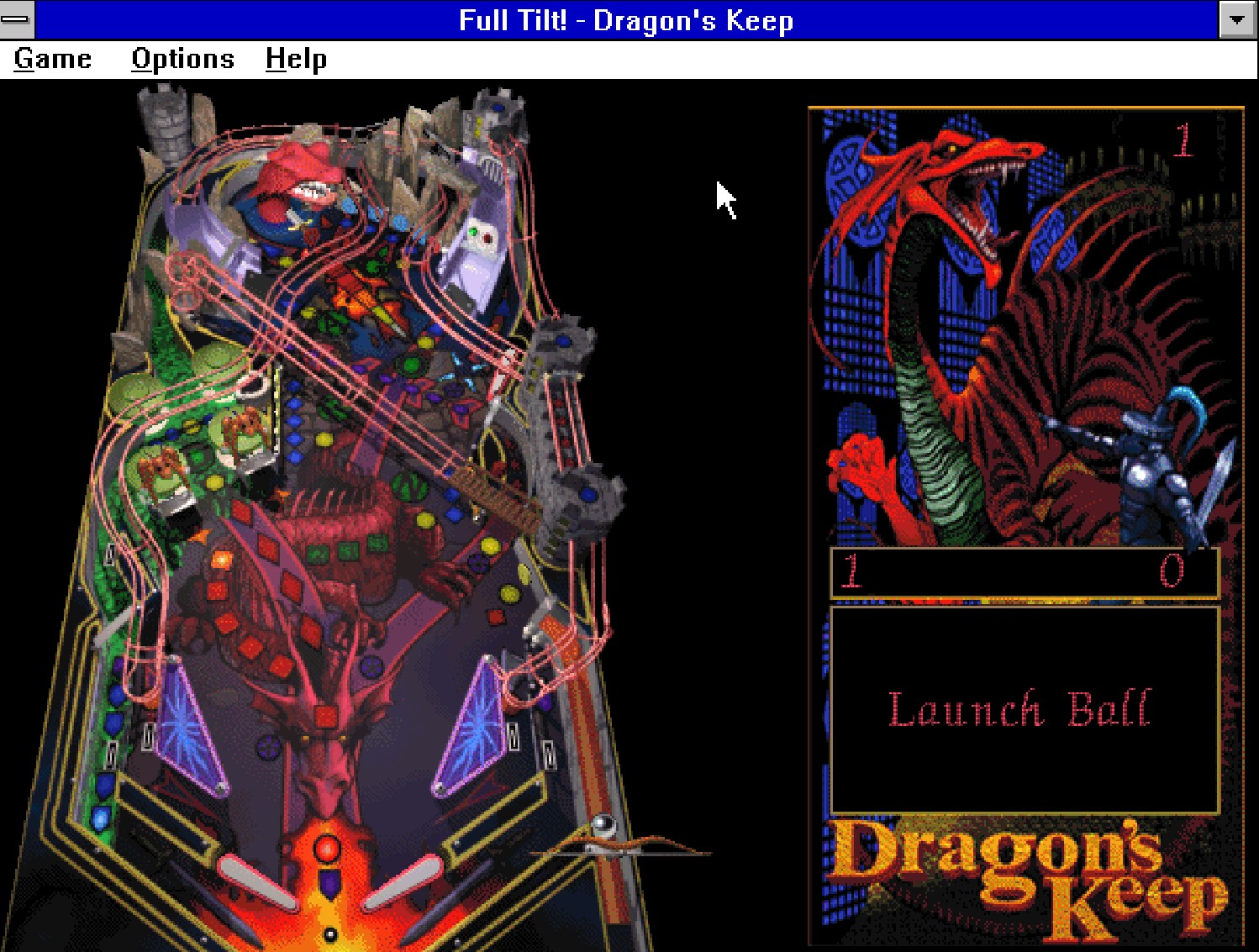
Keeping a game inside Windows means Microsoft owns its maintenance forever. The software giant already had firsthand experience of this issue with the legendary Pinball. Raymond Chen explained that the 64-bit port had a serious collision bug, and the code was old, largely uncommented, and originally written by an outside company. Microsoft decided it could not justify the engineering time needed to understand and fix it.
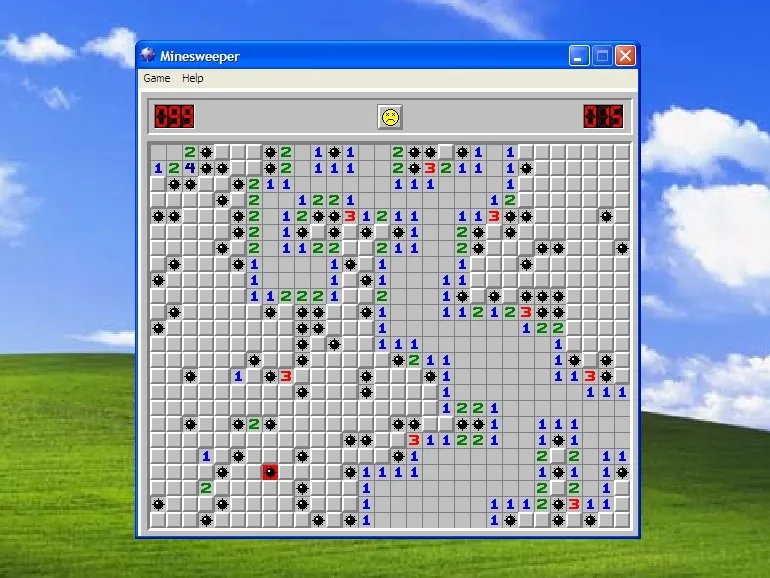
Minesweeper also had some problems to deal with. A former Microsoft UX researcher wrote about the internal debate over replacing the game’s mines with flowers for Vista, which Raymond Chen mentioned on his blog. What looked like a two-minute art change ran into localization, accessibility, and regional sensitivities they didn’t expect going in. A small free game is not small once it is part of Windows!
Licensing and distribution have also gotten easier to solve outside the OS. Music and games don’t need to travel on a Windows install disc, since Steam, Xbox, and the Store all exist now for that job. A Windows installation no longer has to double as a multimedia package the way a 1990s CD did.
Windows did not stop making games; it stopped making them part of Windows
Microsoft did not turn against games. It changed the relationship between Windows and games. In 1995, Microsoft could put games, music, and multimedia directly on the install disc because the operating system was the product people were buying. Today Windows is the platform, and games are separate apps and services. And of course, more money for the company!
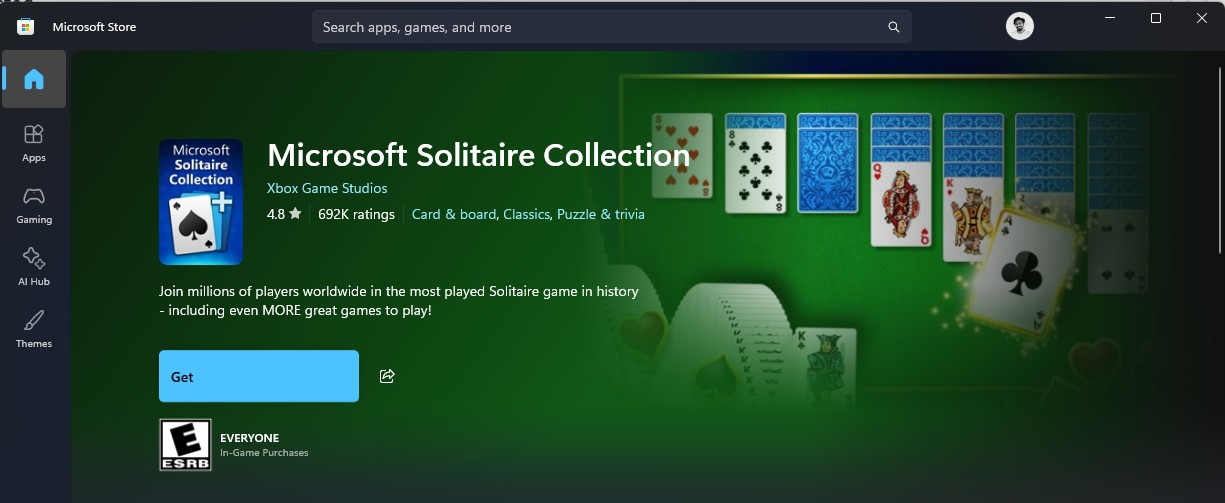
The old experience feels different now because we now know of Windows 11 as a platform, and not like a product we truly own. Solitaire was not something you downloaded on Windows. Solitaire was something Windows had. Once a game becomes part of the OS, Microsoft has to carry its code and compatibility promises for years, the way it did with Pinball until the cost of that promise stopped being worth it.
Which was your favourite classic Windows game?
The post Why Windows stopped including fun games like Minesweeper, Solitaire, and Pinball appeared first on Windows Latest