
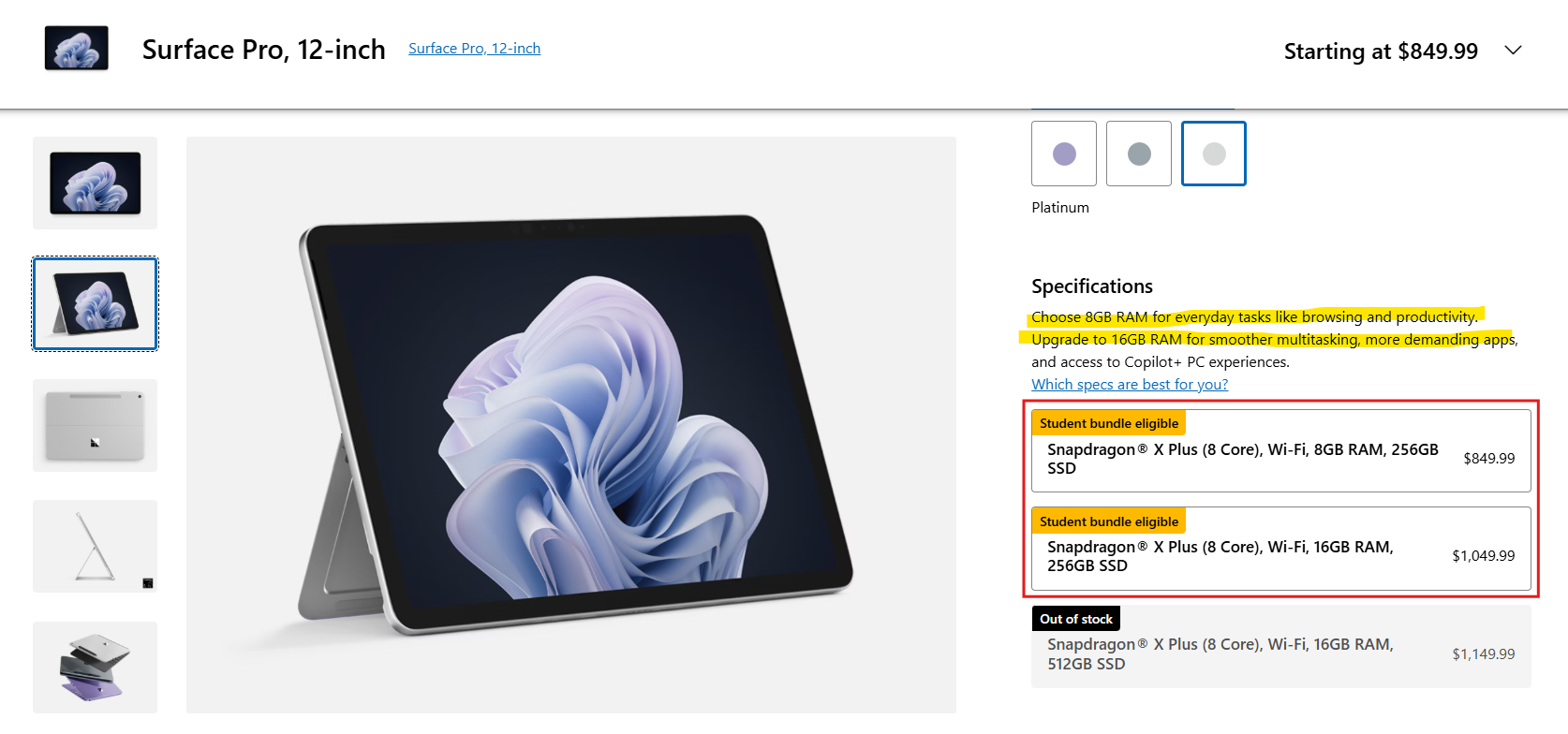
Microsoft updated its Surface buying guide to describe 8GB RAM as “great for everyday use like browsing, streaming, schoolwork, and productivity apps.” A companion FAQ adds that 16GB or more is what unlocks Copilot+ PC features. No acknowledgment that, for two years, Microsoft was the loudest voice telling everyone that 16GB was non-negotiable for a good Windows 11 experience.
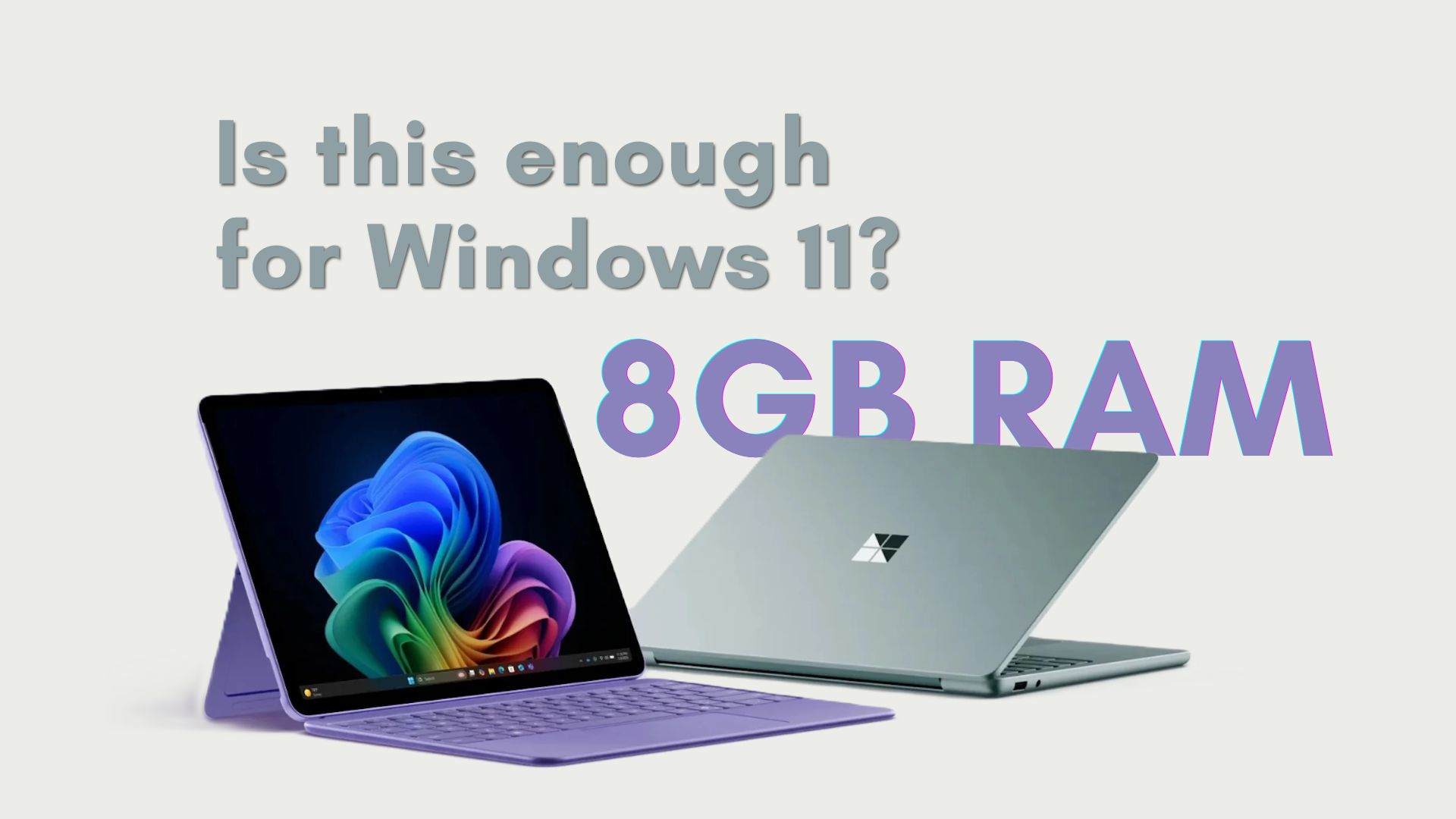
What makes this infuriating is that Microsoft is one of the biggest reasons why the RAM situation got so bad in the first place.
From 32GB to 8GB, in a few months
In February, Microsoft said 32GB RAM is ideal for serious PC gamers on Windows 11, recommending Copilot+ PCs while at it. A few months later, a separate Microsoft blog went further and called 32GB the “no worries” upgrade for Windows 11 gaming. The obvious problem with recommending 32GB is that barely anyone can afford it, and the backlash was swift enough that Microsoft quietly deleted the blog post.
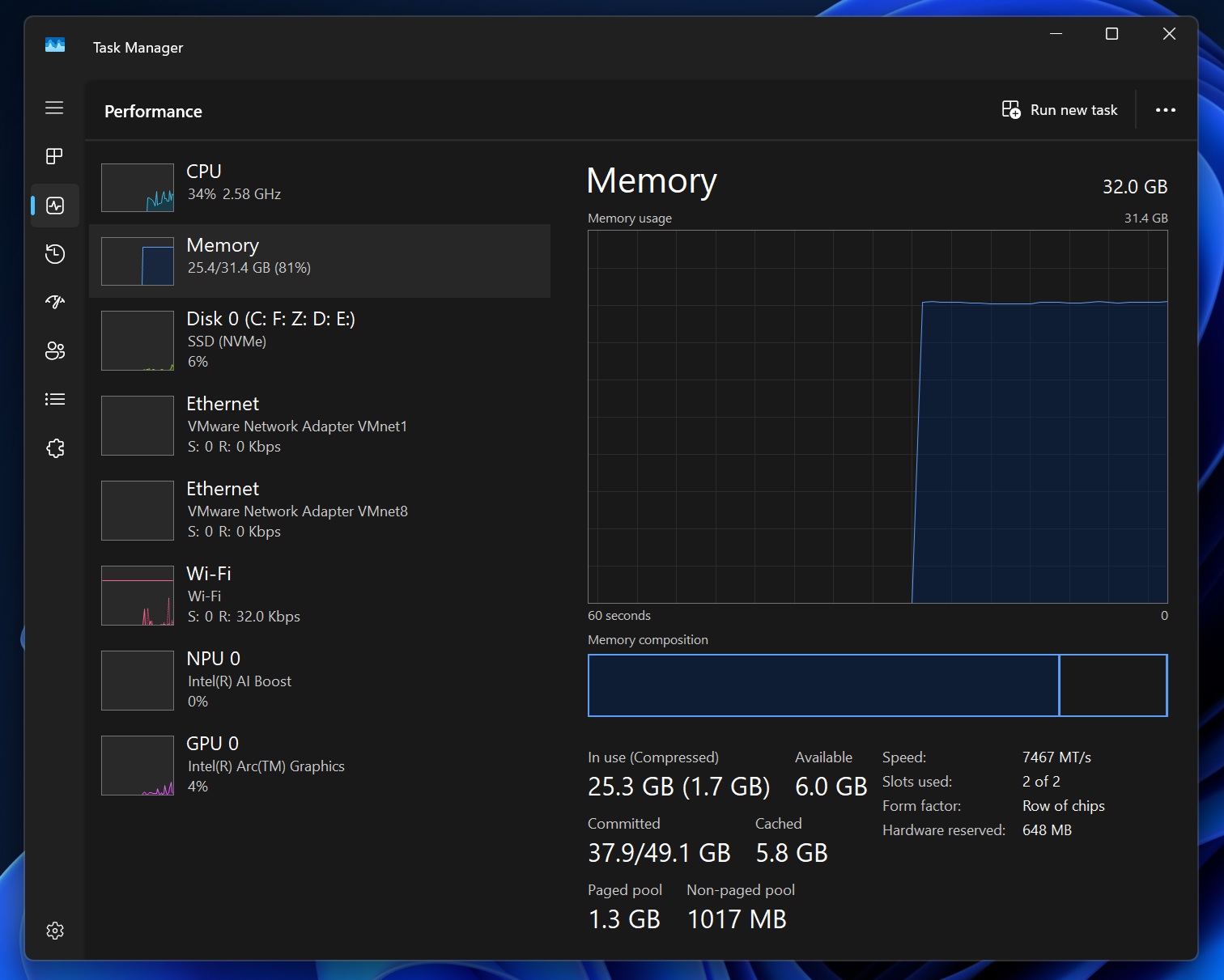
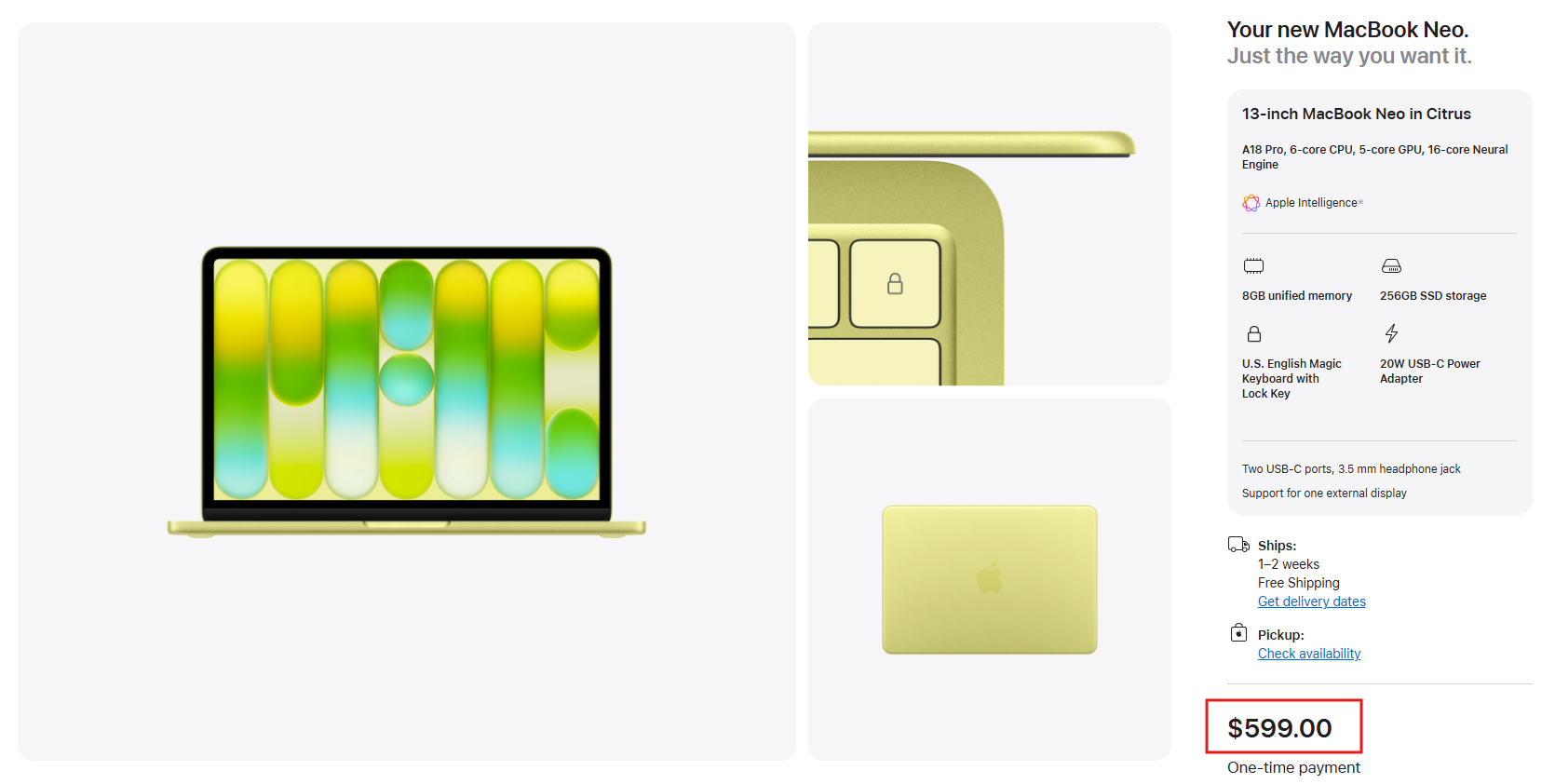
In between all of this, Apple launched the MacBook Neo at $599 with 8GB of RAM, and the PC industry panicked because it looked nothing like a budget device, nor performed like one. OEMs knew they had to compromise on razor-thin profits if they wanted to make a premium chassis with a processor as powerful as A18 Pro, while undercutting the Neo in price.
Microsoft’s response was to commission a report from Signal65 arguing that Windows 11 laptops beat the MacBook Neo, with Apple’s 8GB cited as a significant bottleneck compared to the 16GB found in comparably priced Windows machines. Microsoft was paying researchers to argue that 8GB was the MacBook’s weakness.
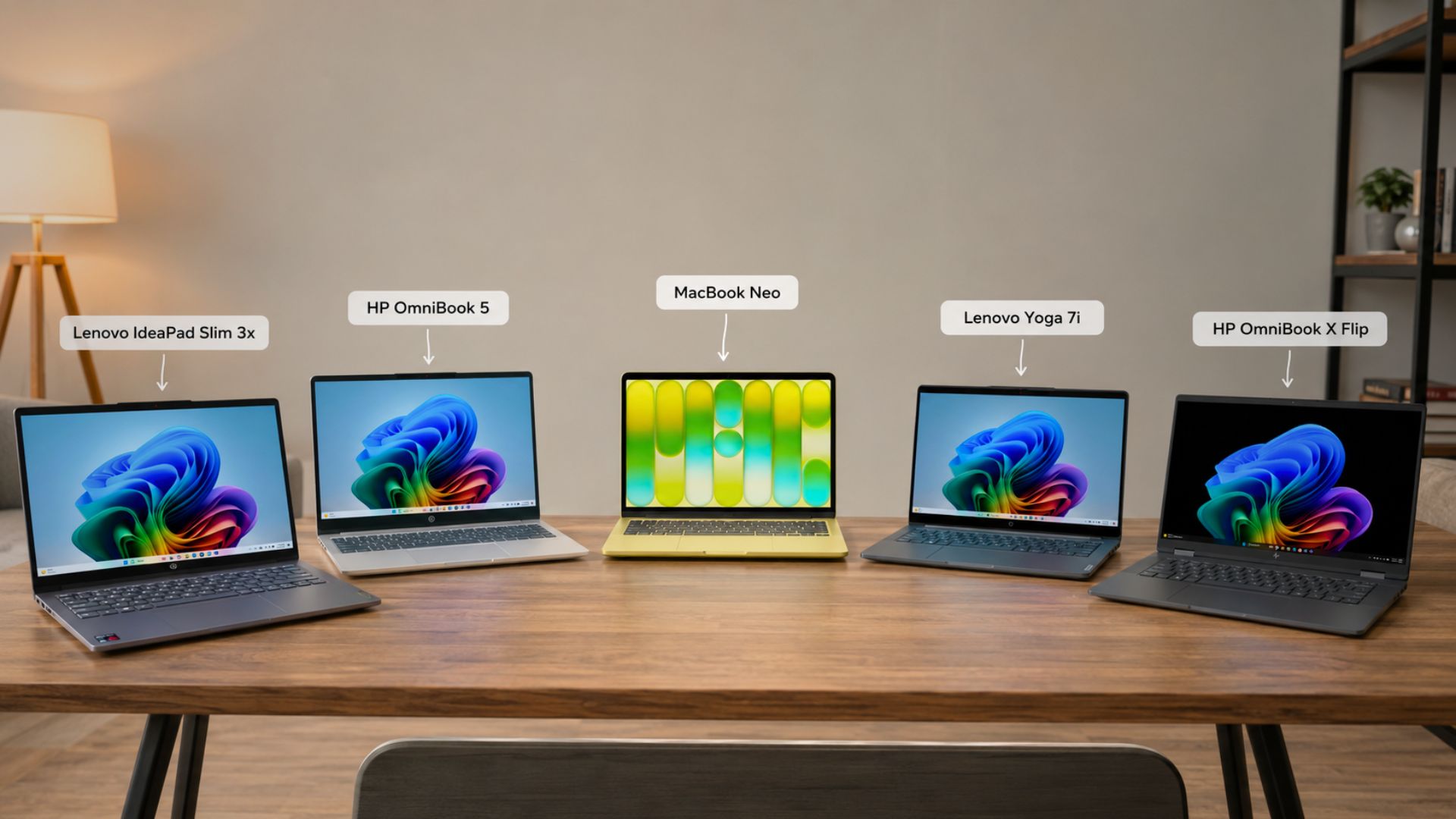
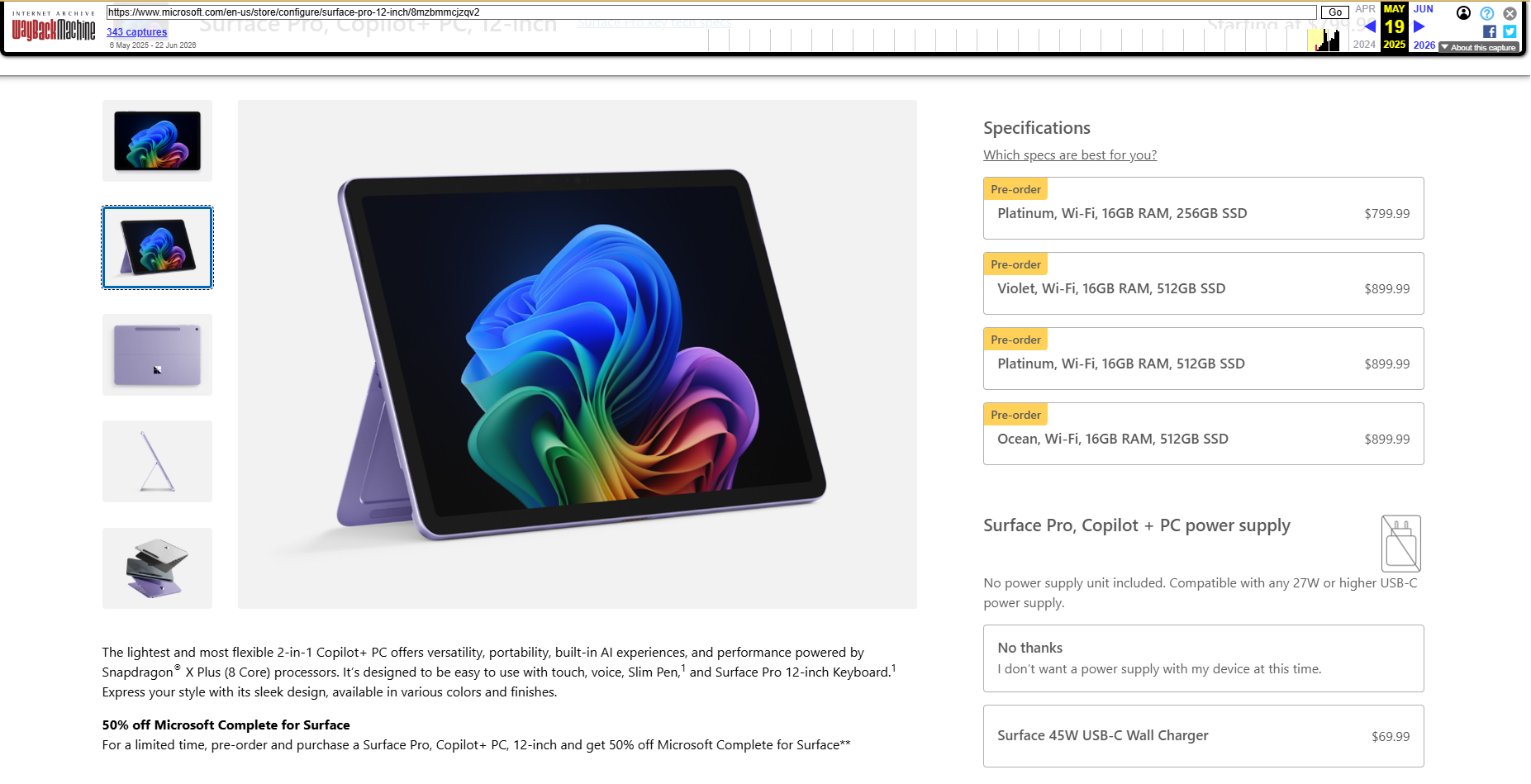
Then, to everyone’s surprise, Microsoft launched a $1,299 Surface Laptop for business with just 8GB of RAM. And it didn’t stop there. The consumer Surface Laptop 13 and Surface Pro 12 now also start with 8GB, and they arrive with two problems: last-gen Snapdragon X chips and a RAM configuration that costs more today than what you’d have paid for 16GB on the same hardware a year ago.
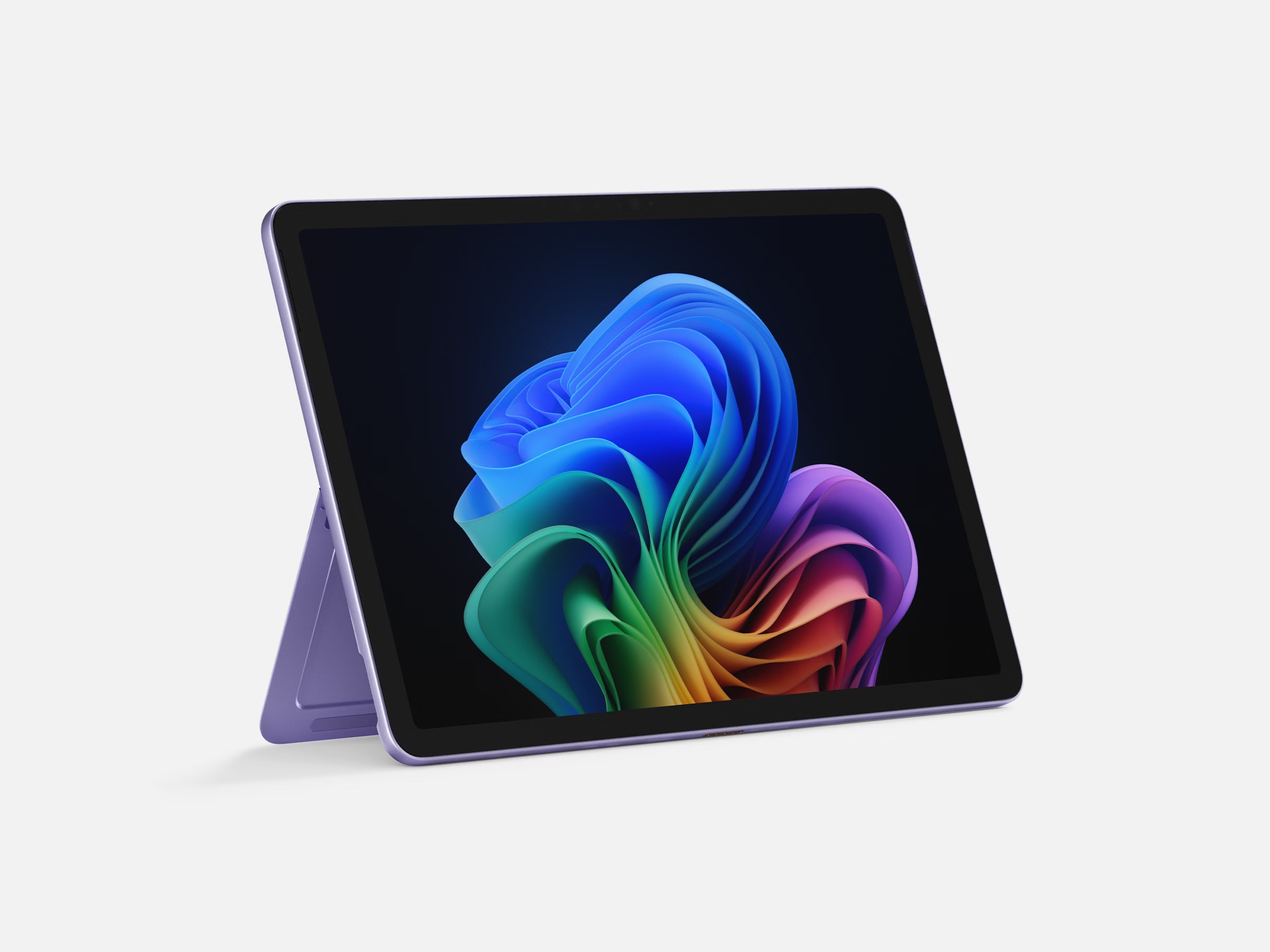
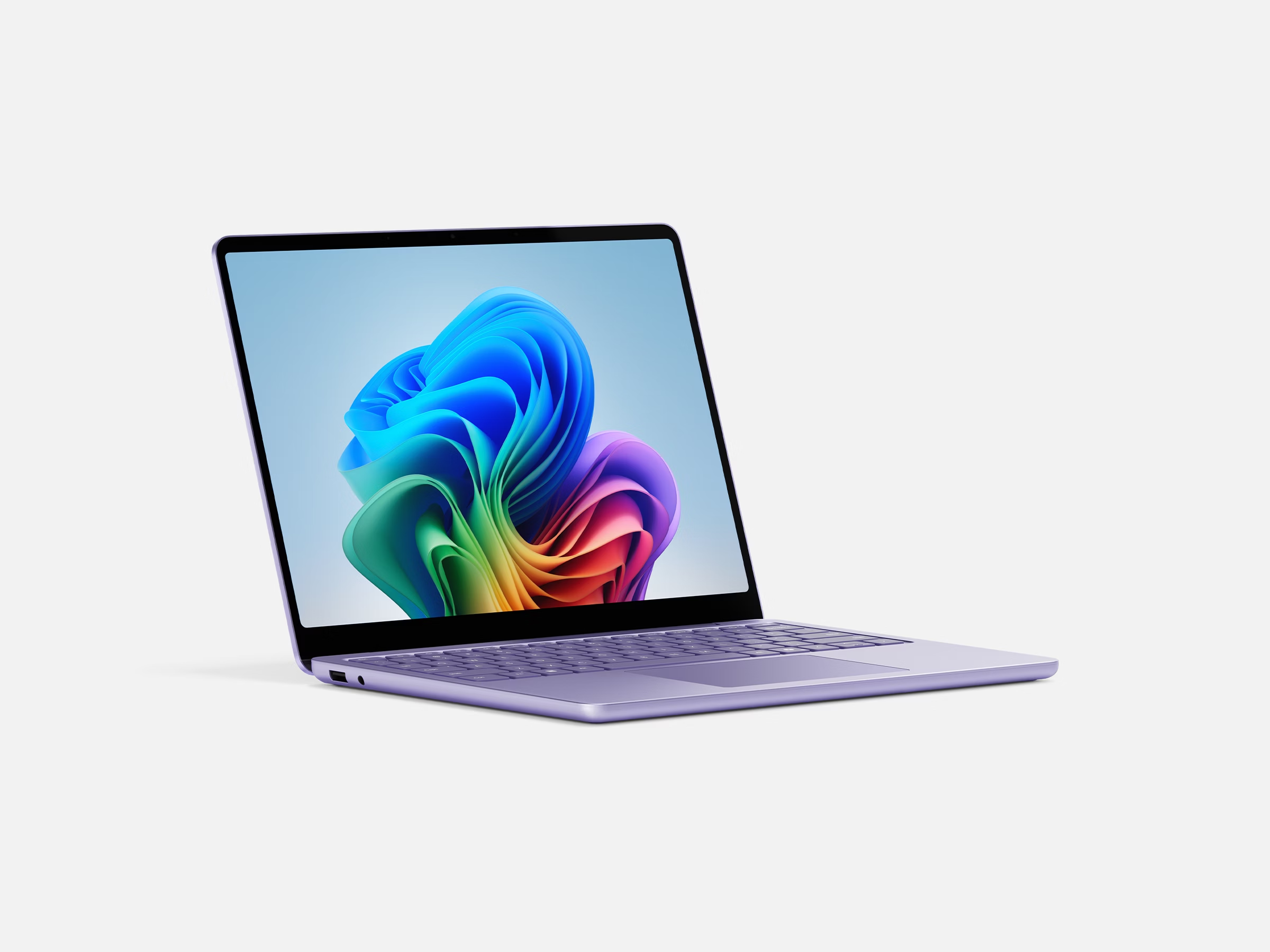
The Surface store’s own buying guide now describes 8GB as suitable for “everyday tasks,” while the AI store assistant, when asked if 8GB is enough in 2026, hedges and calls 16GB the “safer choice” for anyone who wants their laptop to feel “future proof.”
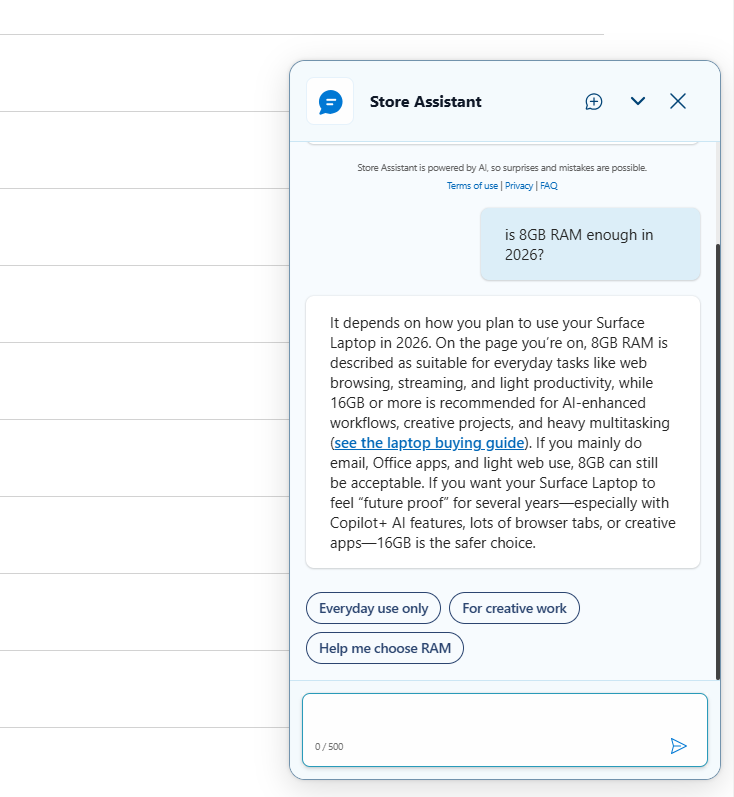
So Microsoft’s own chatbot is quietly steering people toward the spec that Microsoft’s own product pages no longer treat as the minimum. How committed Microsoft is to a consistent position on what RAM Windows needs is anyone’s guess.
How Microsoft helped create the memory problem in the first place
Windows 10 had a minimum requirement of 2GB RAM, with 4GB recommended for a comfortable experience. Windows 11 bumped that up and then kept needing more as the OS got heavier with every update cycle.
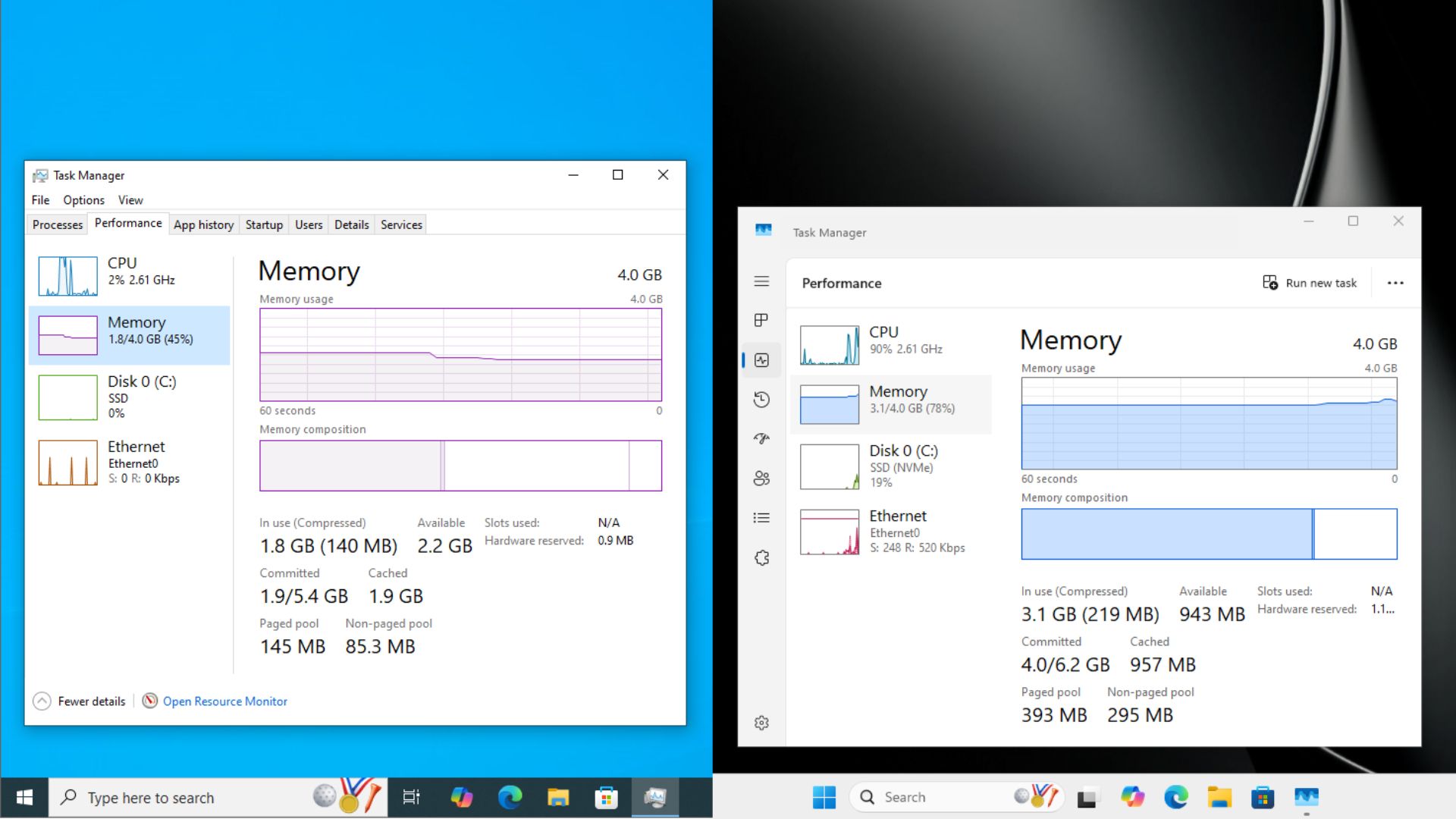
Microsoft was a frontrunner in the memory shortage that pushed RAM prices up across the board. The enormous investment in AI infrastructure, data centers, and high-bandwidth memory consumed supply that would otherwise have flowed to consumers.
To top it off, Microsoft made Windows 11 bloated with WebView2 elements. While prices were increasing, popular Windows apps were simultaneously using more RAM, a double squeeze that makes 8GB feel tighter than it ever has before.
Windows 11 also suffered from an optimization gap on ARM. Apple kept tightening macOS for its M-series chips year after year, squeezing better performance out of the same memory configuration. Microsoft’s Prism translation layer didn’t fully succeed at closing that gap.
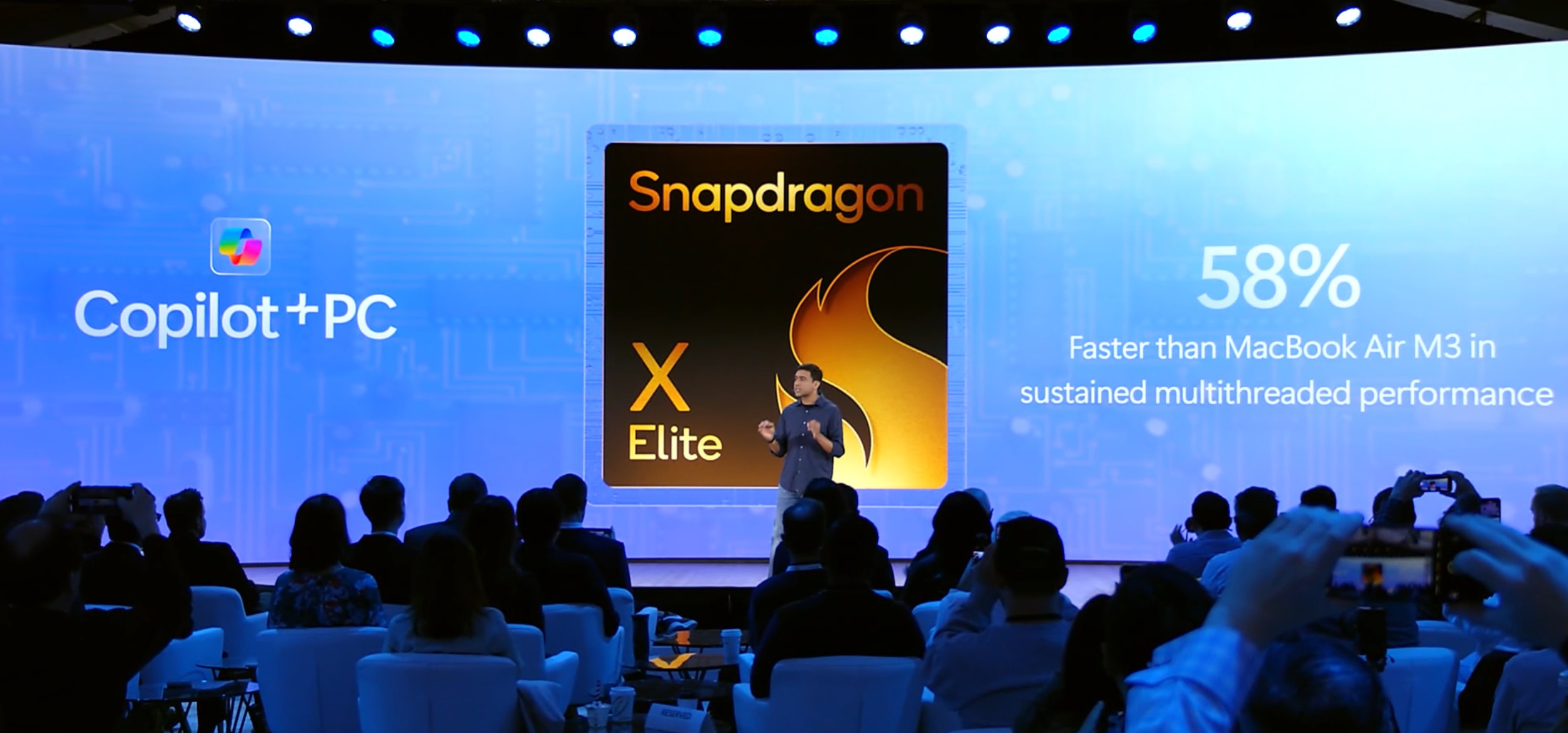
It took Qualcomm pioneering the Windows on ARM foundation and then a company as large as NVIDIA coming in with RTX Spark to get Microsoft to finally rebuild Windows 11’s task scheduler for ARM properly. Copilot+ PCs alone, despite all the marketing, couldn’t get developers or the OS itself to take Windows on ARM seriously enough.
The Copilot+ PC push quietly ran out of steam
Microsoft spent years betting on the Copilot+ PC branding. The 16GB minimum, the NPU requirements, all of it was designed to create a new hardware tier that Microsoft could build an upgrade cycle around.
It didn’t land the way they planned. For a major launch like the Surface Laptop Ultra, the company had no choice but to avoid downplaying the NVIDIA RTX Spark. They dropped the Copilot+ PC branding in the press release, even though it already fell under the same category.
The software part of the branding (aka Copilot) was anything but a success. The company was confident that they would make Gemini dance, back in 2023. Now, it has come to the point that even a former Microsoft VP says that Redmond missed the AI wave. Note that Windows 11 is now pulling back AI features that didn’t meet expectations.
However, Microsoft is not accepting defeat and has pledged to make Windows 11 the OS for building AI and confirmed that Ask Copilot is coming to the Windows 11 taskbar in mid-2026. Yusuf Mehdi, in his final year before leaving Microsoft, wants to reimagine Windows 11 for the AI era.
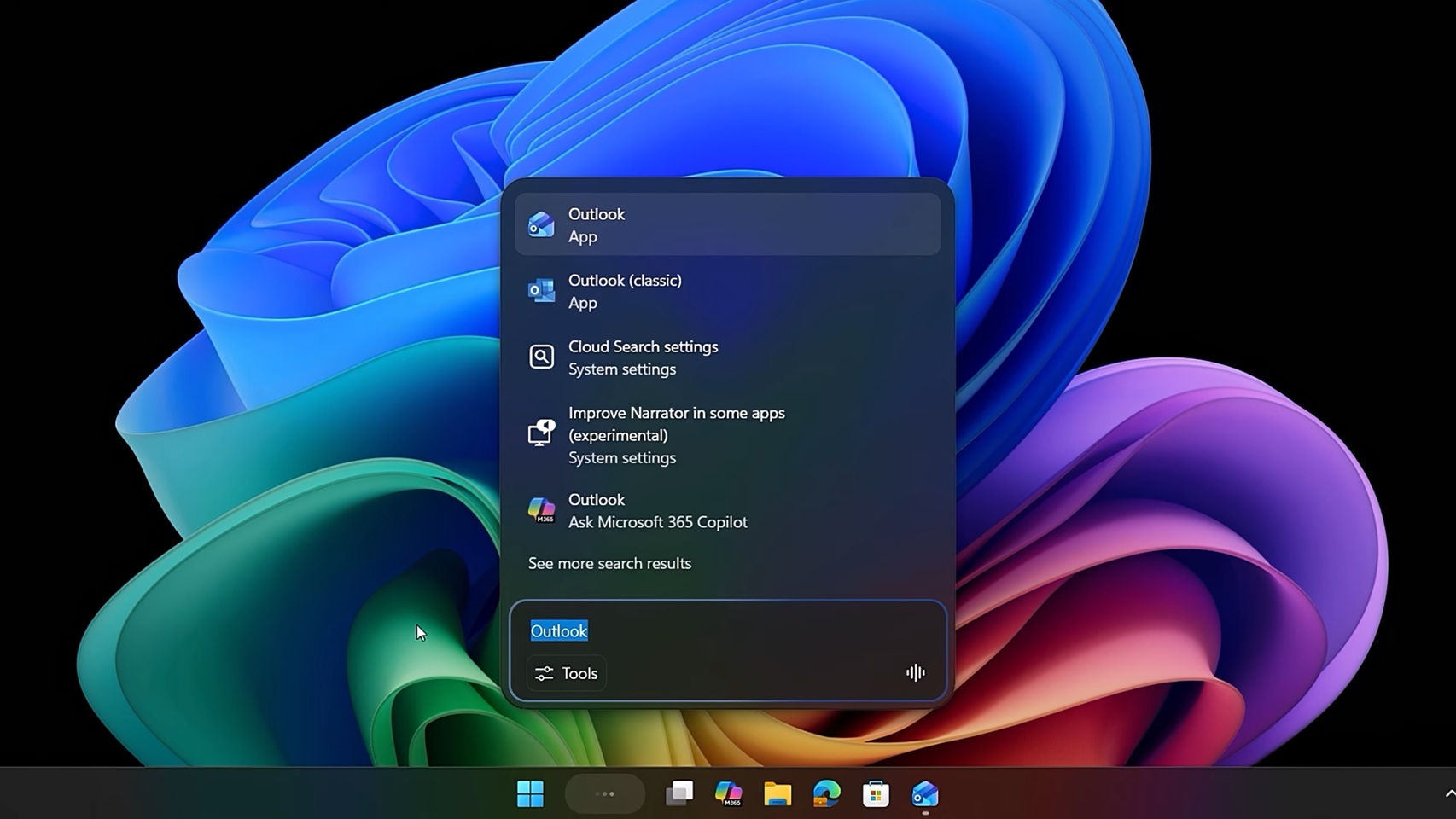
It’s all part of their plan, though, as earlier this year, Microsoft said 2026 was the moment for AI PCs. But how exactly is 2026 the year of AI PCs when premium-tier Surface devices ship with 8GB RAM that cannot even run Copilot+ features?
PC makers are panicking, and Apple already has the answer
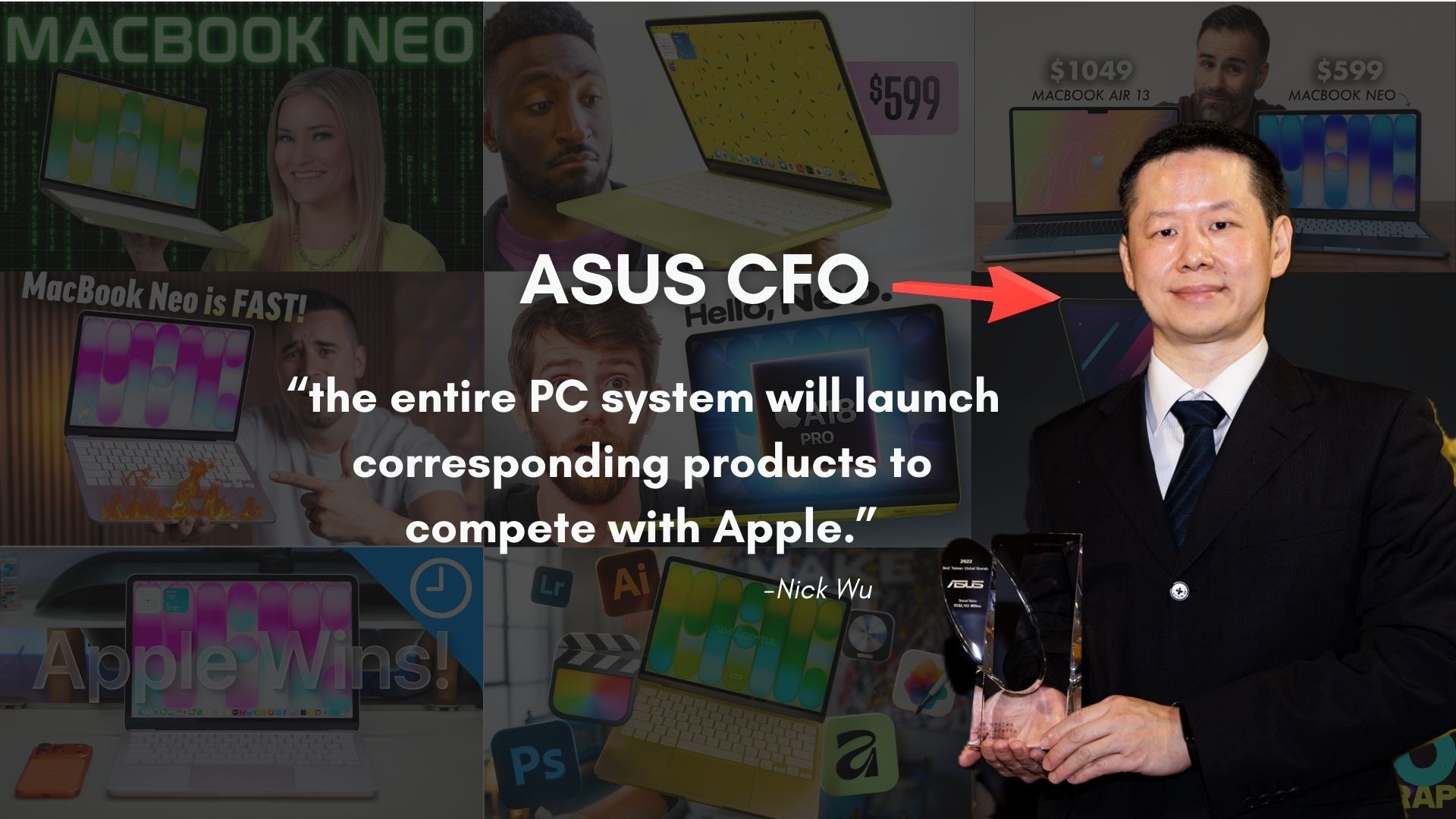
When Apple launched the MacBook Neo at $599, it sent ripples through the PC industry. The ASUS CFO said Microsoft, Intel, and AMD may be preparing a response.
Microsoft’s response, it turns out, was a $849 Surface with older Snapdragon X chips and 8GB of RAM, which is an obvious hard sell. A year ago, you could buy the same hardware with 16GB for less money.
Apple can ship 8GB in a $599 MacBook Neo because macOS is optimized to run well even on a mobile chip. Microsoft has not done that with Windows 11, let alone on ARM.
I do hope that other PC OEMs won’t take this as a blueprint to come up with their own 8GB RAM Windows 11 laptops at prices higher than Apple’s budget laptop.
What I think Microsoft should be doing instead
Here’s a thought: launch the next version of the Surface Go (and Laptop) with Snapdragon X, priced at $599, with 8GB of RAM (where it makes sense).
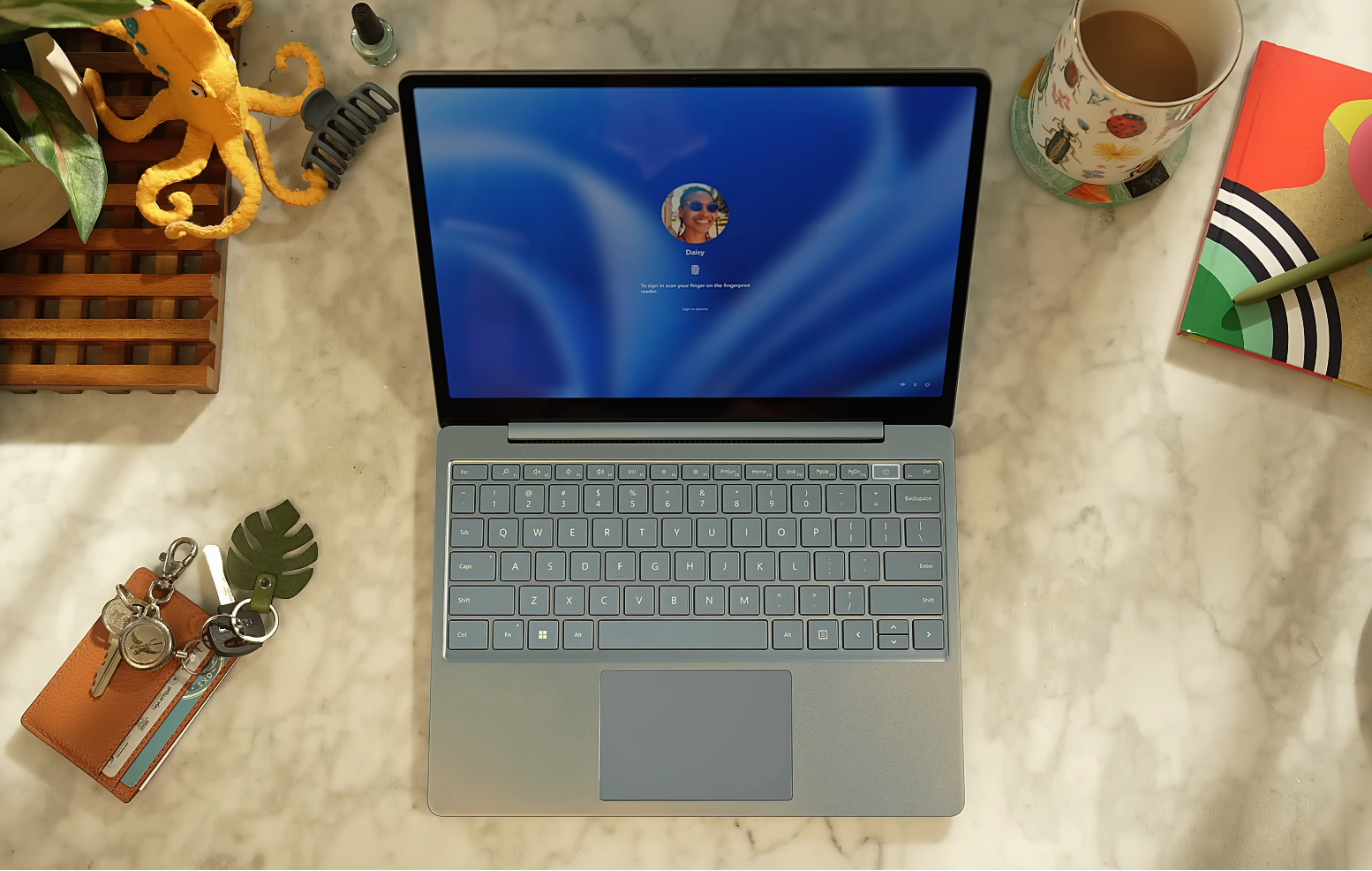
I understand Microsoft is trying to undo their mistakes of 16GB RAM push with Copilot+ PCs at a time when memory and chip prices are through the roof, because the same company pushed hard into AI development to dethrone Google. However, Microsoft is not in a position to say that 8GB is great for everyday tasks, unless they optimize Windows itself for such tasks.
The point is, Microsoft shouldn’t be trying to make 8GB mainstream again after the Copilot+ PC debacle. They caused AI development to supersede human jobs. Selling underpowered PCs and an unoptimized OS to the same customers that AI wishes to replace doesn’t go well in my books.
The post Microsoft admits 8GB RAM is fine for Windows 11, after years of pushing 16GB as the baseline appeared first on Windows Latest