
Windows 10 Enterprise LTSC 2021, not IoT Enterprise LTSC, is reaching the end of support in January 2027, as originally scheduled, and you have the option to either move to the IoT edition or pay for Extended Security Updates (ESU). But there’s also a third option, which is to install Windows 11 LTSC 2024, and Microsoft says it’s the best route you have right now.
“Windows 10 Enterprise LTSC 2021 is approaching an important milestone,” Microsoft noted in an updated support document. If you want to remain on Windows 10 Enterprise LTSC 2021, you can choose to pay for extended updates, which can cost up to $61 for businesses. Consumers have ESU for free, but you need Windows 10 Home or Pro, not LTSC.
“However, we recommend that you upgrade to Windows 11 Enterprise LTSC 2024 for the best experience,” Microsoft noted.
Windows 10 Enterprise LTSC 2021 will receive its final security update on January 27, 2027, and you’ll need to make a decision sooner rather than later. The company calls it a major milestone because it’s one of the widely used OS versions in the enterprise segment, while consumers typically use IoT LTSC, which has a longer support lifecycle.
You’ll be able to purchase ESU for Windows 10 Enterprise LTSC starting September 1, and it will cost $61.
I’m told that all PCs running Windows 10, including Pro and Home, will be nudged to upgrade to Windows 11 more frequently in the coming weeks, and it’s entirely because only a single year of extended security updates now remains.
Windows 10’s extended support was supposed to end in October 2026, but given the fact that at least three in ten PCs are still running Windows 10, support has now been extended until October 2027. You have approximately one year to decide if you want to keep using Windows 10 without updates or finally upgrade to Windows 11.
If you’re using Pro or Home, you need to move to Windows 11 by October 2027, but if that doesn’t sound like a good option for you, you can actually consider an LTSC edition if you know where to download it.
What is Windows LTSC, and how good is Windows 11 LTSC compared to Windows 10?
Windows has several editions for different use cases. You have a specialized version of Windows called “IoT,” which stands for Internet of Things, and it’s used on hardware like ATMs. In addition to the usual Windows 11 Home, Pro, Enterprise, and Education editions, you have LTSC, which is designed for long-term support.
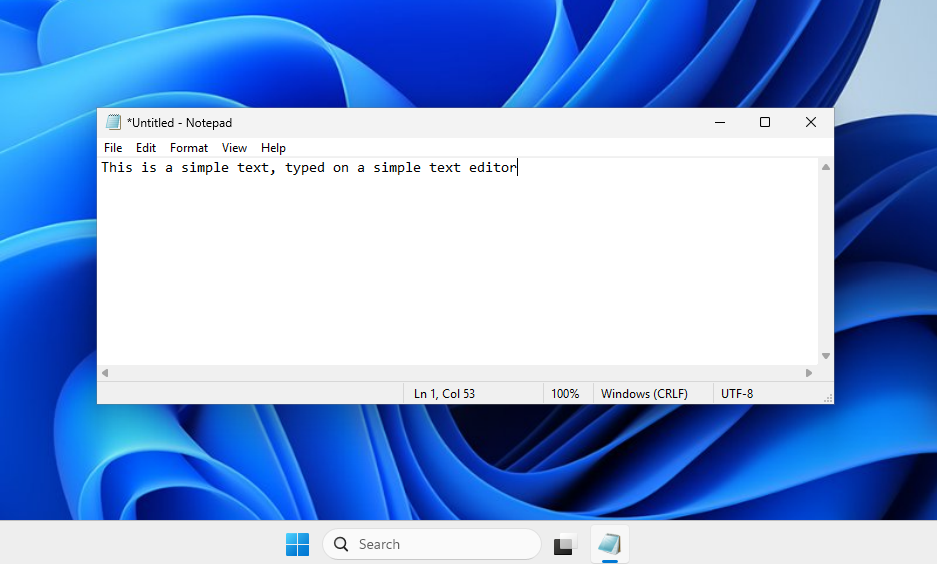
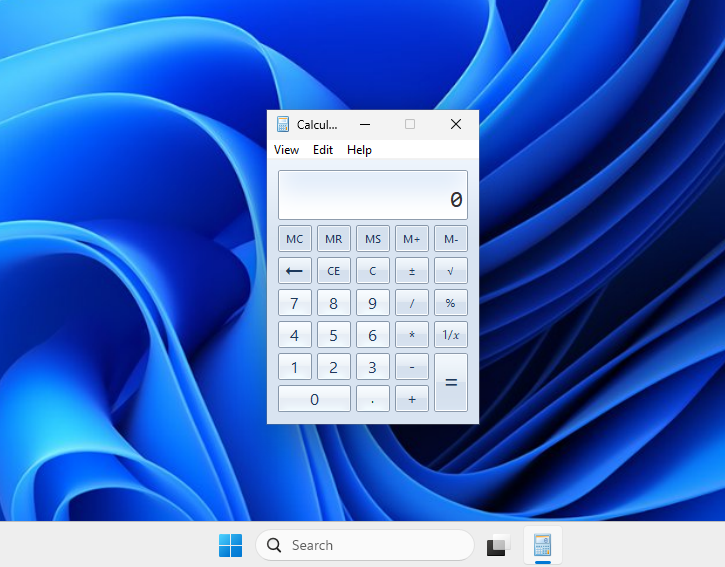
Windows LTSC is essentially a stripped-down version of the regular edition, so it does not come with apps like MSN Weather or even the modern counterparts of Notepad. You still have the classic Notepad, Calculator, and other inbox apps. And then, you don’t have the bloatware you’d normally find, such as Clipchamp and Microsoft Photos.
LTSC (Long-Term Servicing Channel) also gives you greater control over Windows updates, and it’s supported for a long time, up to 10 years. It’s a great edition for those who want a stable and clean Windows experience. For example, if you’ve never used an LTSC version of Windows 11, take a look at the screenshot below:
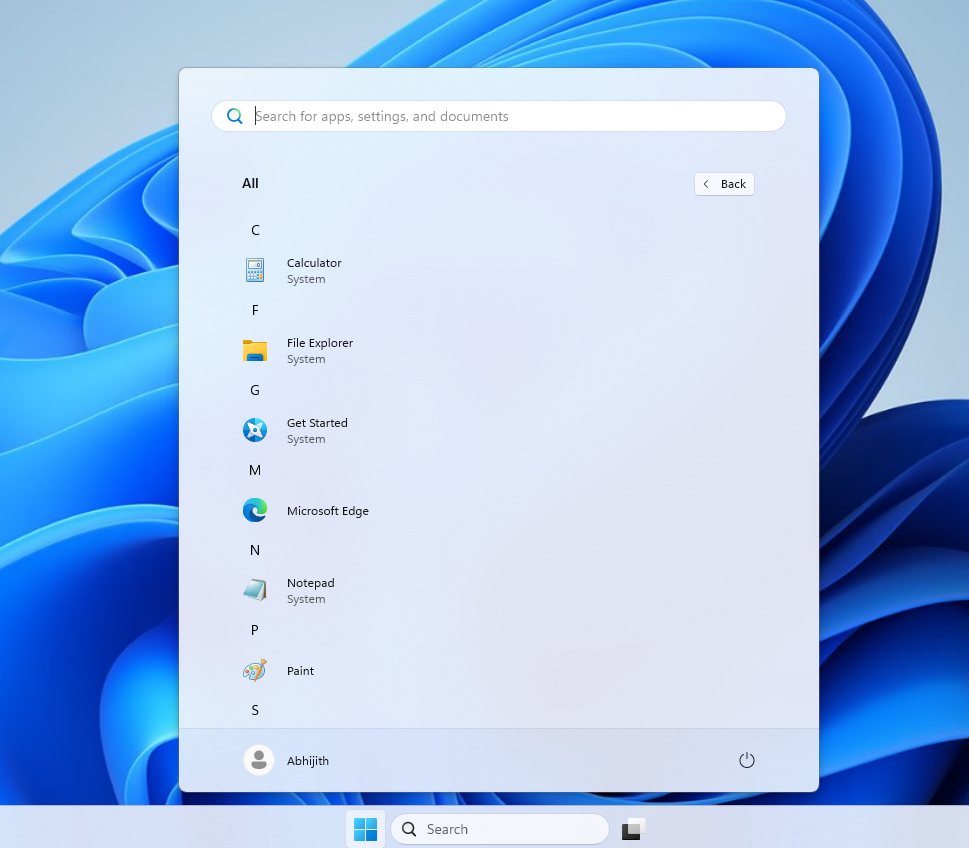
I could only find a single modern app pre-installed, and it’s Microsoft Edge. Some of you might even consider that bloat, but you can’t easily download another browser if you remove Edge as well. And of course, you’re not going to come across Copilot anywhere, neither in the right-click menu nor on the taskbar.
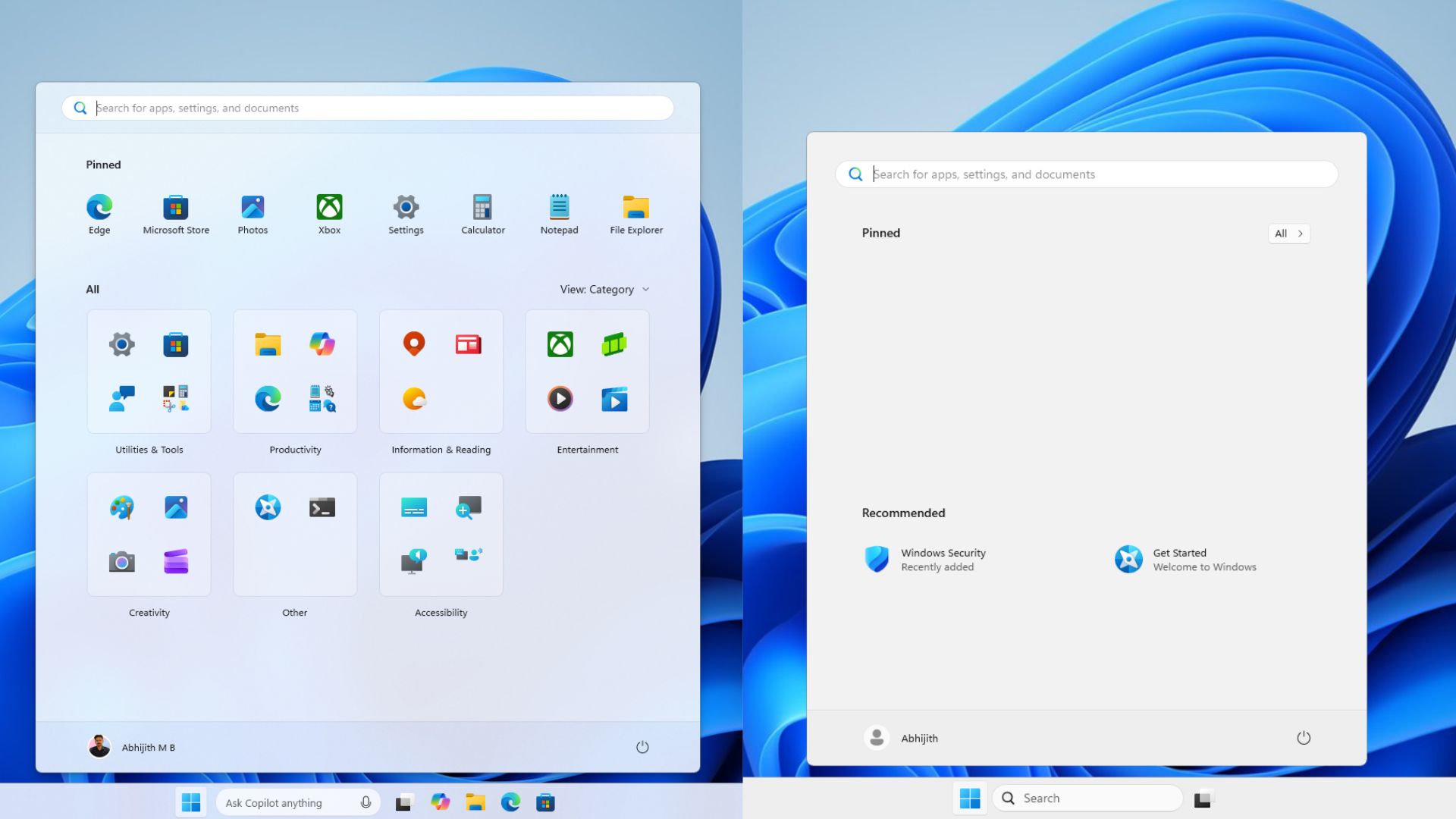
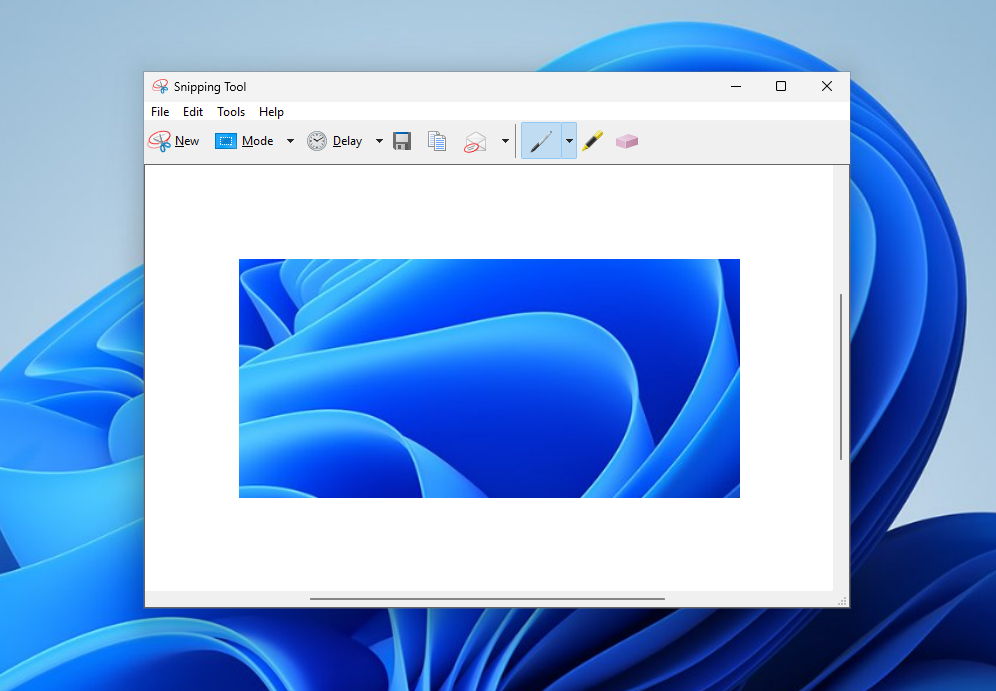
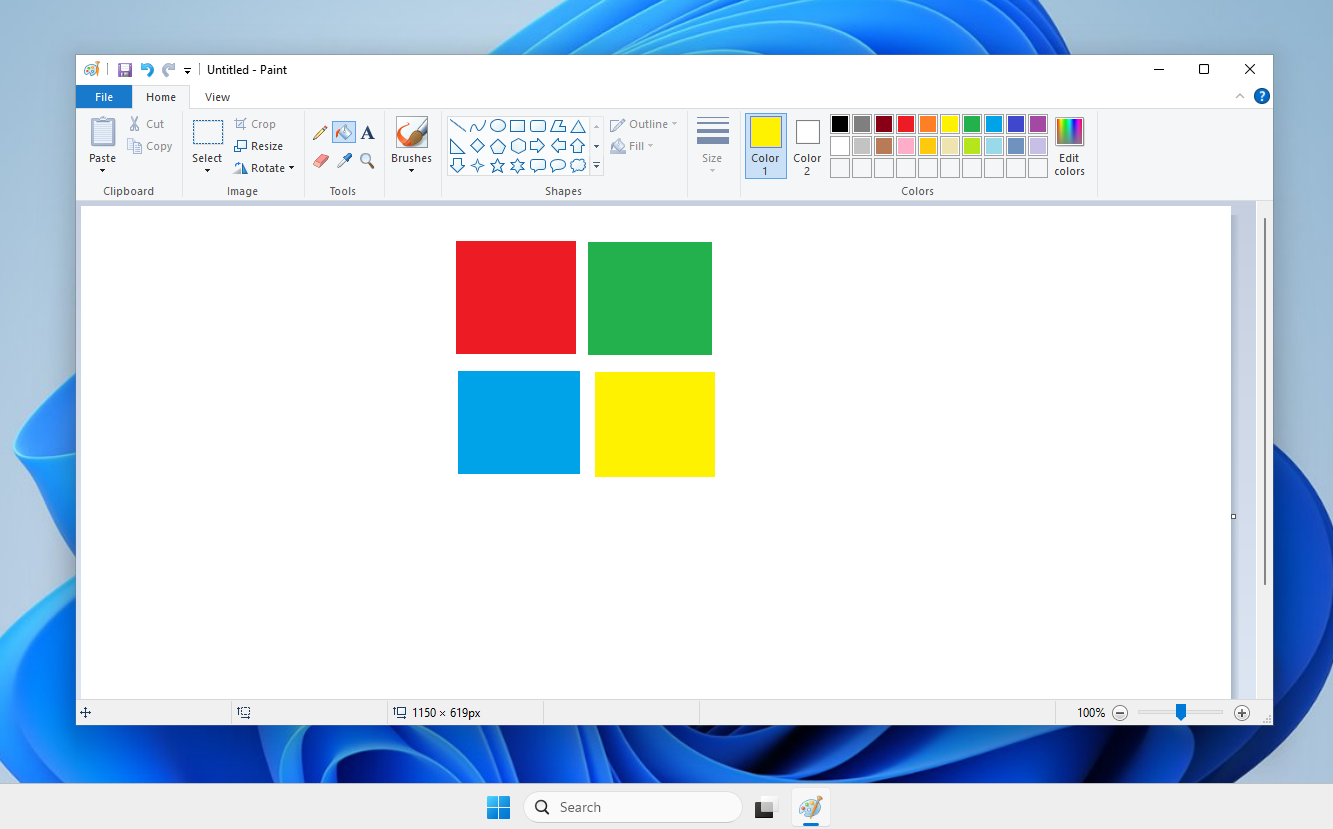
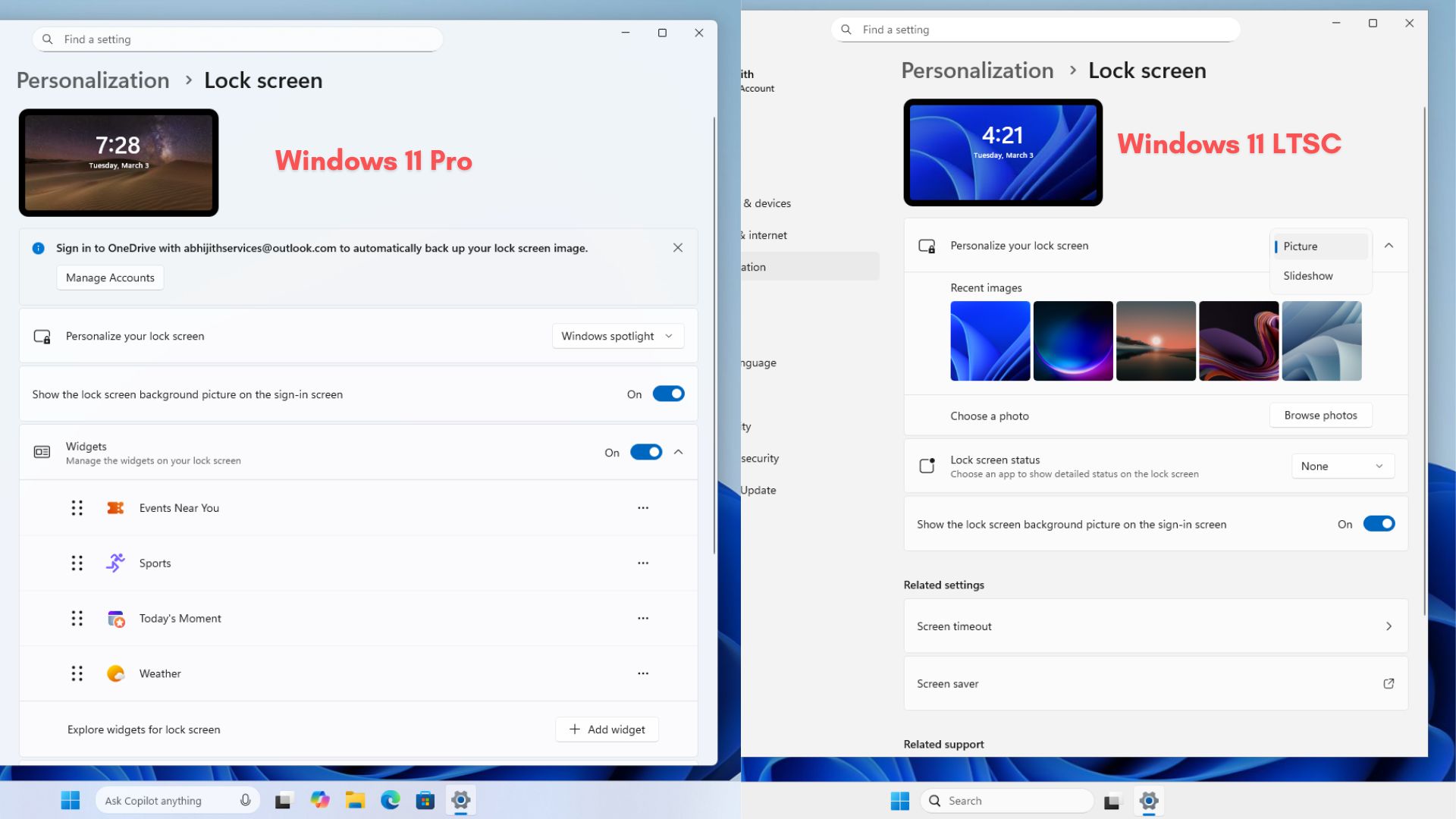
Even the Widgets board and MSN feed are not enabled on Windows 11 LTSC, and overall performance is a bit better. In terms of the experience, Windows 11 LTSC is cleaner, calmer, and feels better than the regular edition.
The post Just upgrade to Windows 11, Microsoft warns Windows 10 LTSC holdouts it’s time to move on appeared first on Windows Latest