
The tech industry spent the last few days buzzing with intense speculation about a new desktop OS from Microsoft. Numerous publications suggested that the software giant would finally unveil Windows 12 at the upcoming Build 2026 developer conference. The rumor mill reached a boiling point when a highly coordinated social media campaign teased a fundamental shift in computing. I followed the breadcrumbs closely as the clues unfolded over the last forty-eight hours, and the reality is far more exciting than a simple software update.

Pavan Davuluri currently leads both the Windows and Surface divisions at Microsoft. He stepped in to manage expectations and prevent any misplaced disappointment. In a definitive statement accompanying a hardware teaser image, Davuluri confirmed that the upcoming announcements do not feature a new operating system version. The highly anticipated Windows 12 is officially off the table for the immediate future.
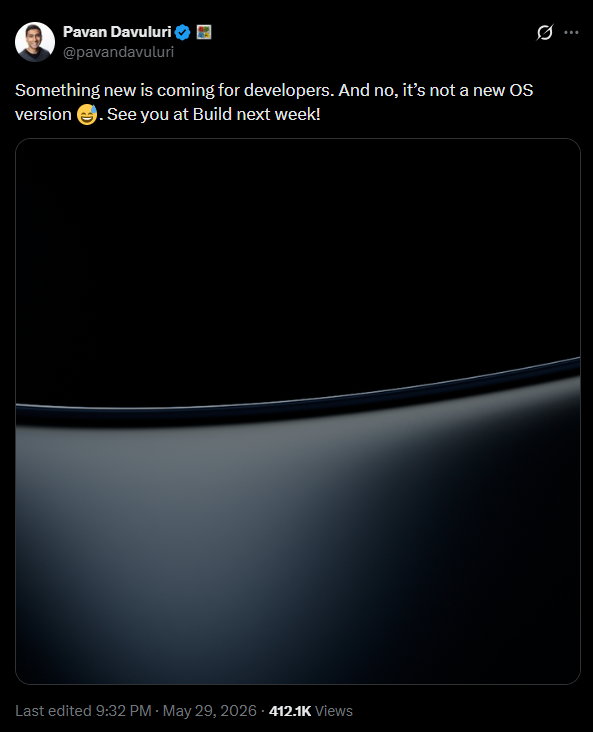
Instead, we are standing on the precipice of a massive hardware paradigm shift. Microsoft is supposedly orchestrating a tri-party alliance to fundamentally break the traditional x86 monopoly and bring high-performance gaming and AI locally to the ARM architecture.
Forget Windows 12 because the NVIDIA N1X chip will launch “A new era of PC”
The speculation frenzy began when the main Windows handle and the official NVIDIA account posted the phrase “A new era of PC” simultaneously.
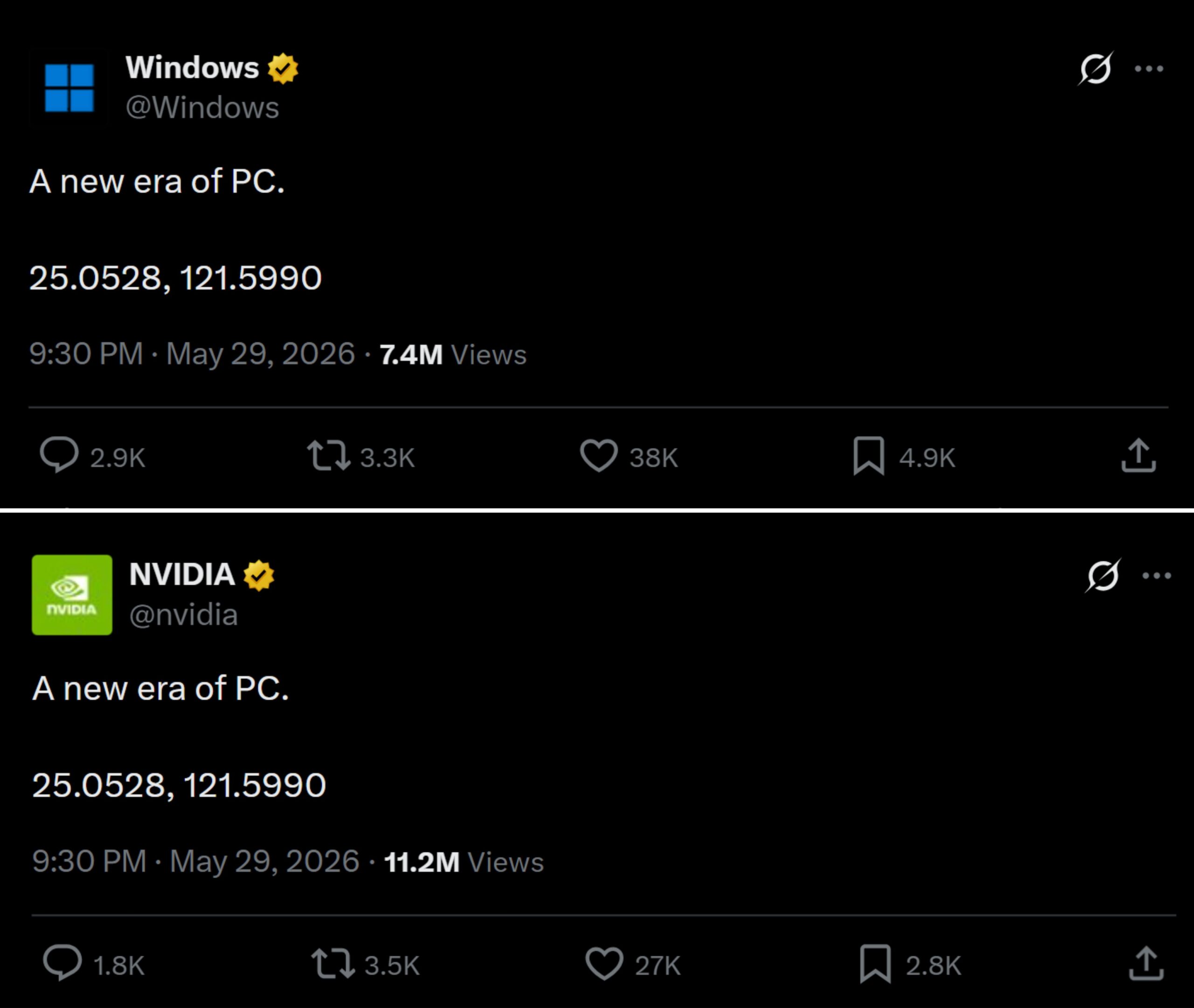
The number of views alone tells the buzz it generated. Arm’s official handle followed with the same post a few hours later. MediaTek joined the conversation even later with a quote repost of the initial NVIDIA announcement.
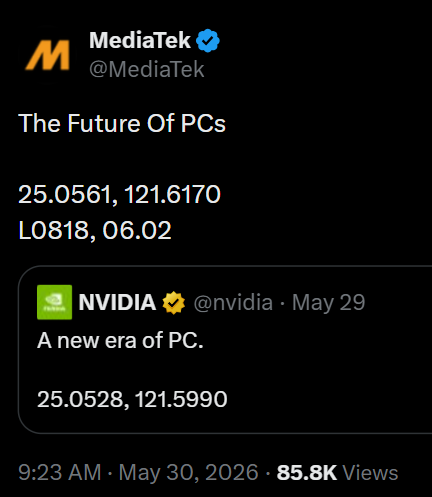
The geographical coordinates of 25.0528, 121.5990 map out to the Taipei Music Center in Taiwan, which is the physical venue for NVIDIA CEO Jensen Huang’s highly anticipated Computex keynote on June 2.
We all know NVIDIA to be the undisputed champion of gaming GPUs, but for the past few years, the world’s most valuable company became that way by selling AI-focused H100 and B200 “Blackwell” GPUs. And, if you haven’t been living under a rock made of sand and quartz, you might have heard that NVIDIA is building an incredibly powerful ARM silicon codenamed the N1X in partnership with MediaTek.
A new era of PC begins with Surface?
NVIDIA can design an incredibly capable system on a chip, but the silicon requires a high-end flagship platform to demonstrate its real-world benefits to consumers. Interestingly, the Windows and Devices lead, Davuluri’s post came just a couple of minutes after the post by NVIDIA. But it didn’t end there, as Marcus Ash, who leads Design and Research for Windows + Devices, welcomed Surface Product Lead Andrew Hill to the “tweets”, which was also posted a few minutes after the coordinated social media post about “A new era of PC.”
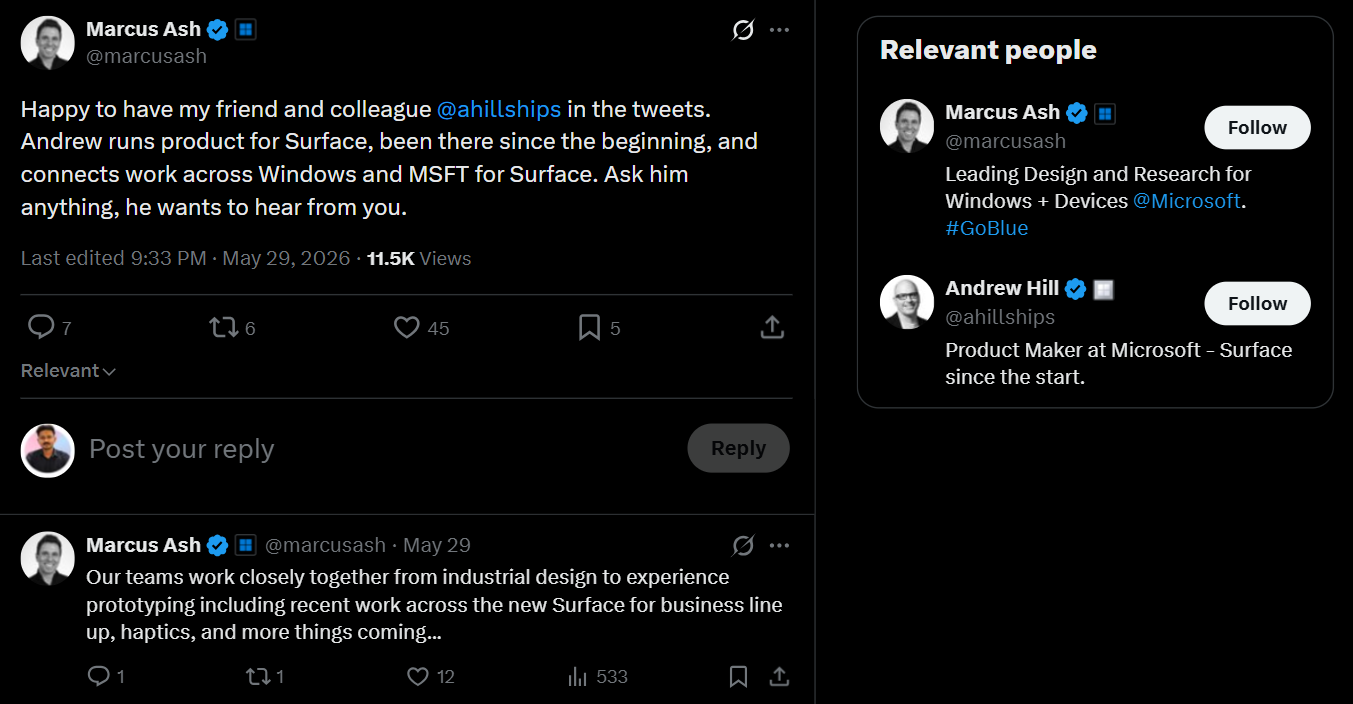
Showcasing Hill’s product development role suggests that the Surface division is preparing a custom piece of hardware to act as the primary launch vehicle for the new N1 or N1X silicon from NVIDIA, and since Surface devices aren’t known for gaming, it’s safe to assume that the “new era of PC” is powered by AI.
Leaked NVIDIA N1X specifications reveal a powerful chip designed to challenge x86 dominance
Apart from Surface hardware, we’ll see other premium hardware too, as leaks by Axios and VideoCardz confirm Dell XPS 13 powered by NVIDIA’s new N1X silicon.
VideoCardz also leaked the specifications of the custom ARM processor co-developed by MediaTek and NVIDIA, combining a 20-core CPU configuration featuring 10 performance cores and 10 efficiency cores. The graphics processor relies on the modern Blackwell architecture, packing 6144 CUDA cores to deliver a graphical experience equivalent to a dedicated desktop RTX 5070 graphics card.

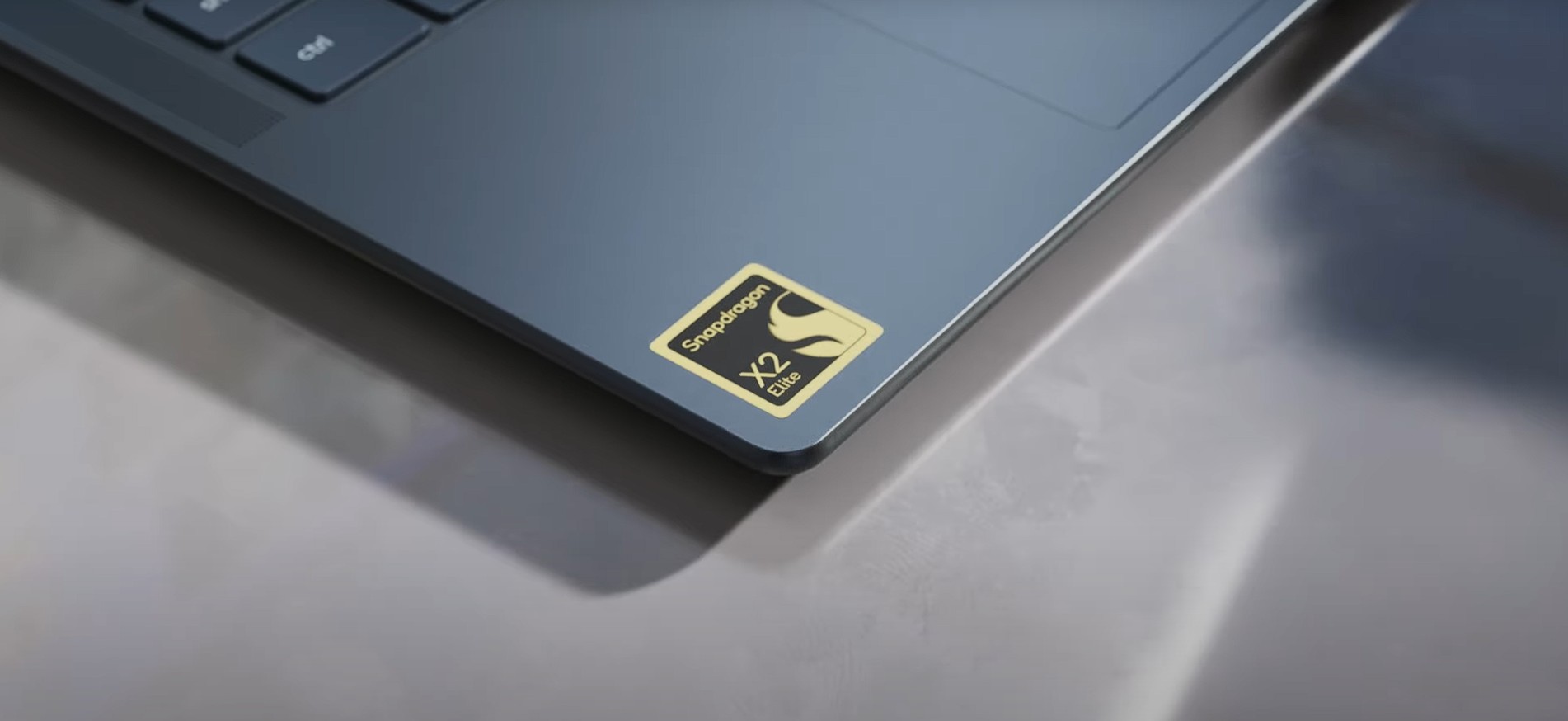
The leak shows four SKUs of the silicon. Motherboard manufacturing will use TSMC’s advanced 3nm production node and include tightly integrated LPDDR5X memory. The specs are a monumental leap over Qualcomm’s first attempt at Windows on Arm with the Snapdragon X Elite, which relied on a 12-core Oryon setup and a much smaller 4.6 TFLOPS Adreno graphics engine built on an older 4nm node. It remains to be seen how the Snapdraon X2 Elite Extreme compares to NVIDIA’s second attempt at Windows on an ARM architecture after nearly 16 years.
Former Windows chief explains why the original ARM partnership is finally paying off
NVIDIA returning to the Windows on ARM ecosystem is not a new concept. Former Windows Division President Steven Sinofsky recently weighed in on the chatter, reminding everyone that the graphics giant was Microsoft’s original partner for the first Surface back in 2012. Sinofsky noted that the first Surface ran on Tegra ARM chips specifically because the graphics processor and driver stability far outclassed the competition. He even highlighted a classic engineering milestone from September 2010, which marked the first time the Windows desktop compositor ran successfully on ARM silicon.
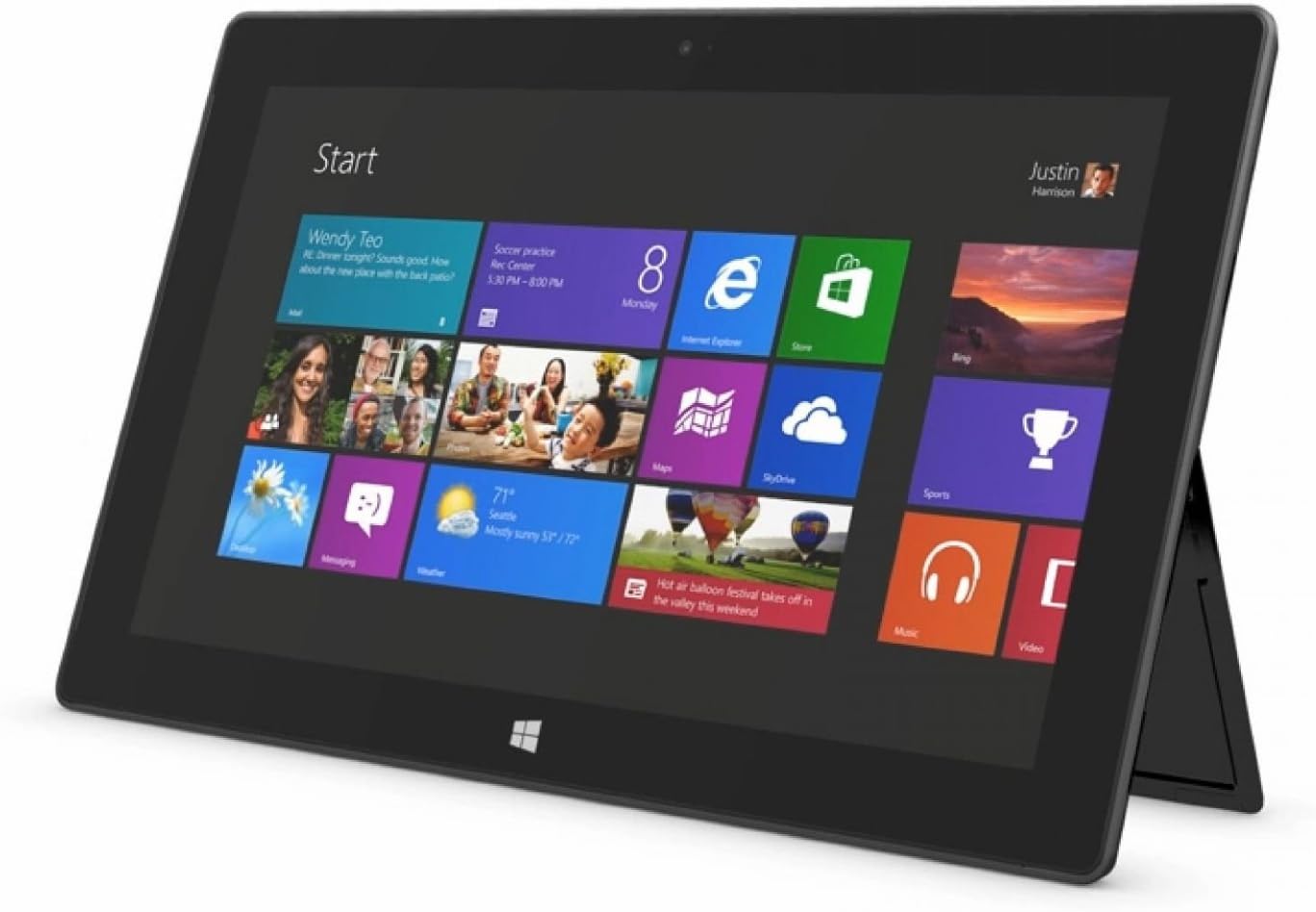
I remember the launch of the original Surface RT. The hardware was beautiful, and it promised iPad-level battery life powered by an NVIDIA Tegra 3 quad-core processor. The execution sadly failed because the ecosystem was not ready. The Tegra 3 chip ran a locked-down Windows RT. Users felt completely misled when they realized their new Microsoft tablet could not run legacy applications like Photoshop or Google Chrome. The processor was also sluggish when handling a multitasking desktop interface, forcing Microsoft to take a huge financial write-down on unsold inventory.
While Windows on ARM has matured significantly in recent years thanks to Qualcomm’s persistent hardware efforts, the industry is shifting back toward heavy graphics computing. Sinofsky believes the ultimate success of the platform depends on deep software execution rather than just raw processing power.
According to Sinofsky, the most important thing to watch is how the CUDA and CUDA-X ecosystems are made available to developers as a first-party API within the operating system shell. Securely integrating those developer tools could easily give serious competition to Apple and force developers to rethink their ecosystem loyalty.
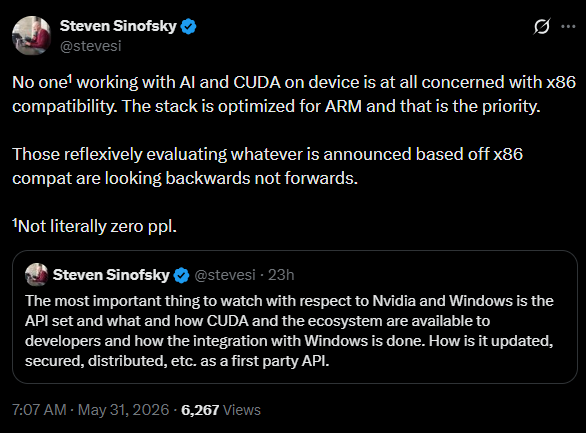
While some continue to evaluate these new ARM chips based on how well they handle legacy x86 app emulation via modern translation layers, Sinofsky dismisses that old school mindset, saying that “no one working with AI and CUDA on device is at all concerned with x86 compatibility.” The modern computing stack is natively optimized for ARM architecture. Evaluating next-generation silicon through the lens of legacy desktop software means looking backward instead of forward. The real value of the NVIDIA N1 series comes down to raw AI compute, which opens up an entirely new market for high-end professional hardware.
Yes, it all boils down to AI, and there is more confirmation:
Supply chain analyst confirms the new processor targets a specialized local AI market
Respected industry analyst Ming-Chi Kuo recently shared insights that temper the waves of mainstream consumer hype. Kuo’s tracking data estimates roughly 10 million global shipments of N1X devices over the next two years. The analyst labels the platform as a specialized niche market made strictly for power users who require large integrated memory and local model execution capabilities.
Perhaps the most interesting thing here is that the AI that N1X intends to power is unlike the ones we’re used to; Microsoft Copilot included.
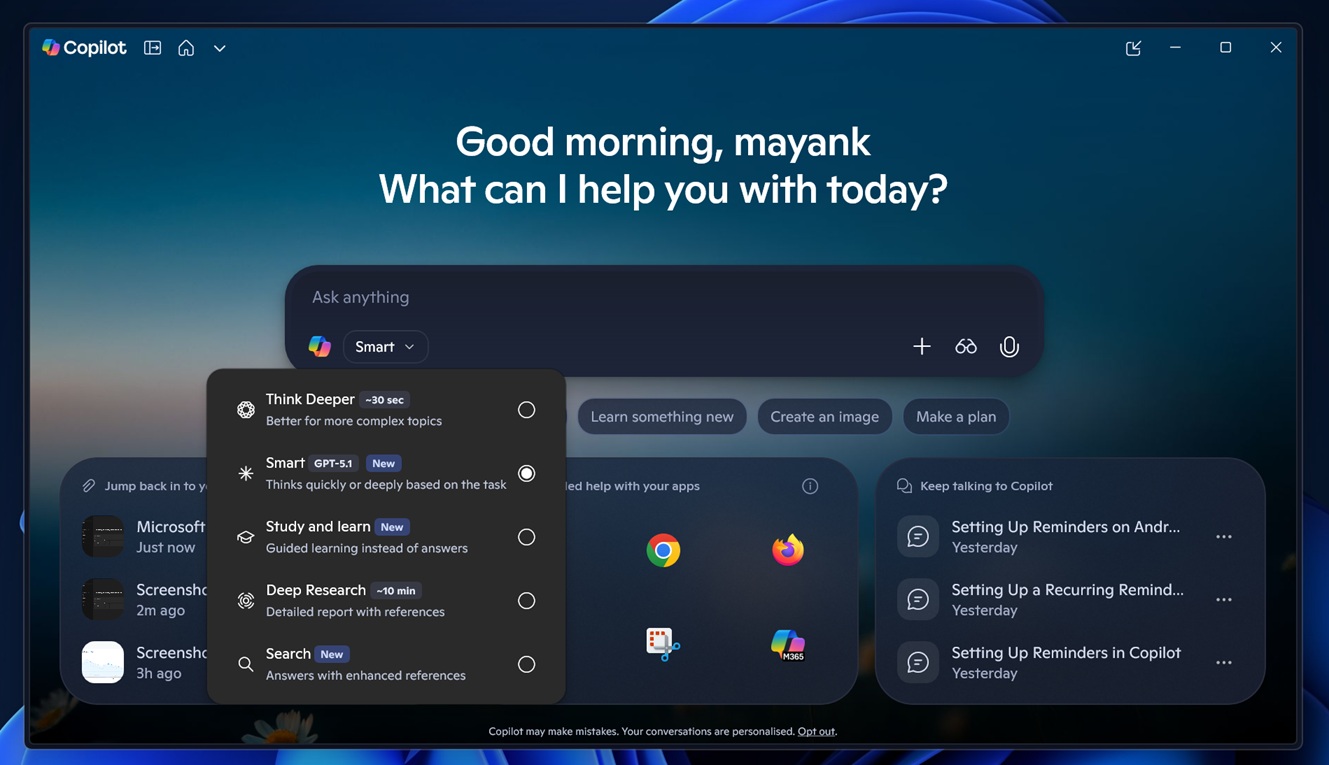
The global tech industry in general currently uses cloud servers and remote tokens to process large language models, meaning the core computational AI heavy lifting happens far away from the client device.
Kuo mentions the strong sales of the MacBook Neo, where factory shipments were revised upward from five million units to ten million units, all because buyers were investing in the Neo for ecosystem integration, competitive pricing, and lightweight design rather than any localized machine learning frameworks. This essentially puts an end to the topic of whether the rumoured NVIDIA N1 series-powered Surface hardware is an answer to the MacBook Neo. It’s not.

The true catalyst for a hardware upgrade cycle will depend entirely on how Microsoft shapes the user experience. Both Sinofsky and Kuo agree that the new era of the personal computer is fundamentally about AI compute instead of legacy software compatibility. For the N1X platform to achieve mainstream growth, Windows must deliver deeply integrated, cross-app AI workflows that keep personal data secure locally on the machine.
But we’ve been hearing about AI from Microsoft for so long, and the backlash that followed was nothing short of extraordinary. So what AI are these tech giants planning now?
Microsoft is secretly building an AI Super App, which has an OpenClaw-like agent
Microsoft is rumored to be consolidating its currently fragmented AI ecosystem into a singular unified interface. As reported by Fortune, the company is developing an AI Super App designed to completely replace the scattered Copilot menus currently haunting Windows 11.
A leaked screenshot from Sources shows the application featuring distinct tabs for standard chat, a dedicated coding environment, and a coworking task assistant. The crown jewel of the platform lives inside a brand new Autopilot tab. Microsoft is introducing a fully autonomous background agent named Scout.
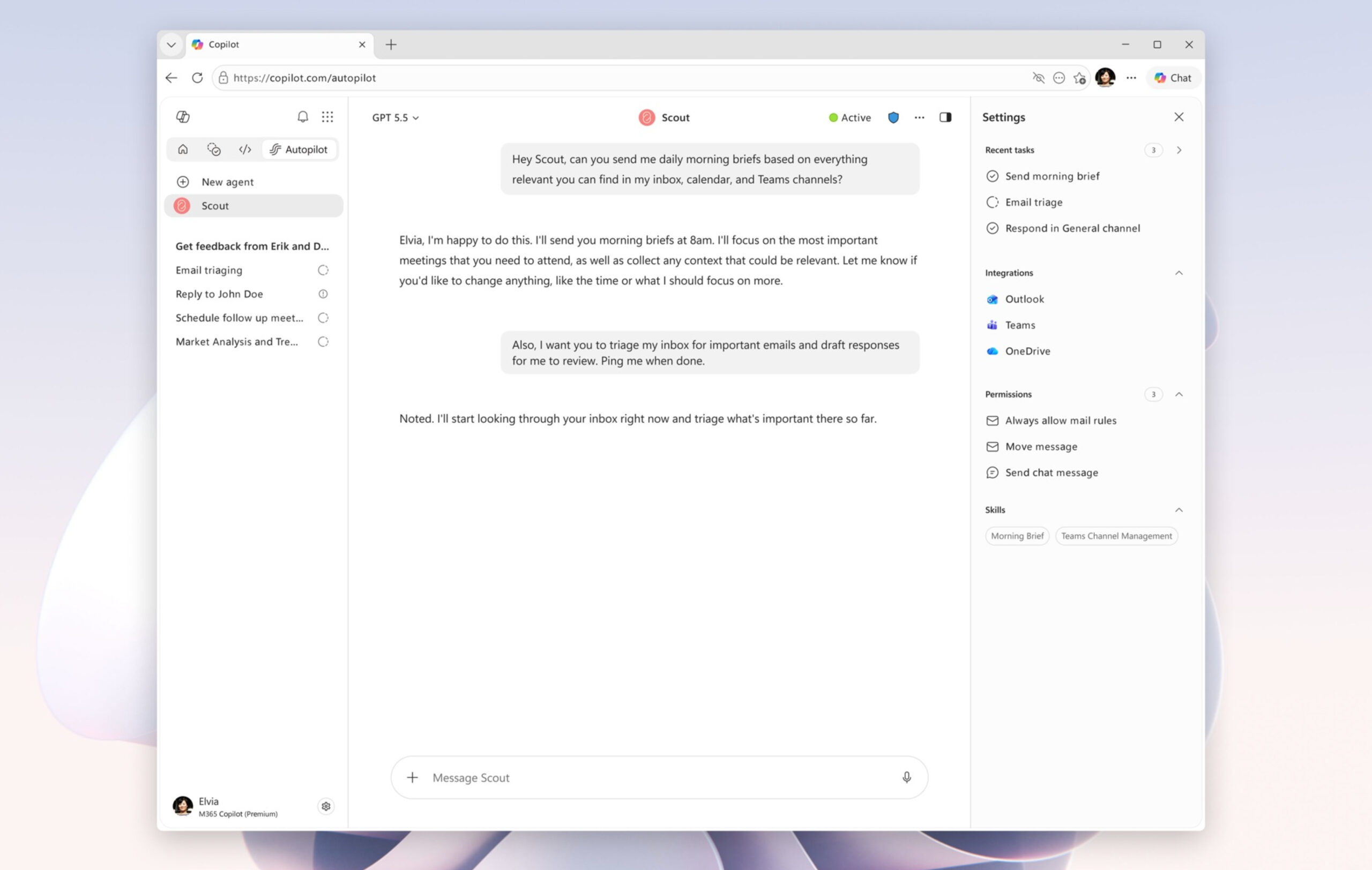
Scout is Microsoft’s response to OpenClaw, which is the viral open source AI agent that took the internet by storm late last year because it could execute local machine commands like installing applications or organizing desktop folders. While OpenClaw was powerful, enterprise IT departments viewed the open source tool as a massive security liability. Scout supposedly delivers that same proactive automation but wraps it safely inside a corporate-approved security shield, courtesy of Microsoft.
So, unlike the standard chatbot that goes to sleep when you close the window, Scout may maintain an always-on status. The agent could autonomously triage your Outlook inbox and Teams messages while you sleep. Users can wake up to a curated morning brief where Scout has already drafted email replies or flagged urgent conflicts in their calendar.
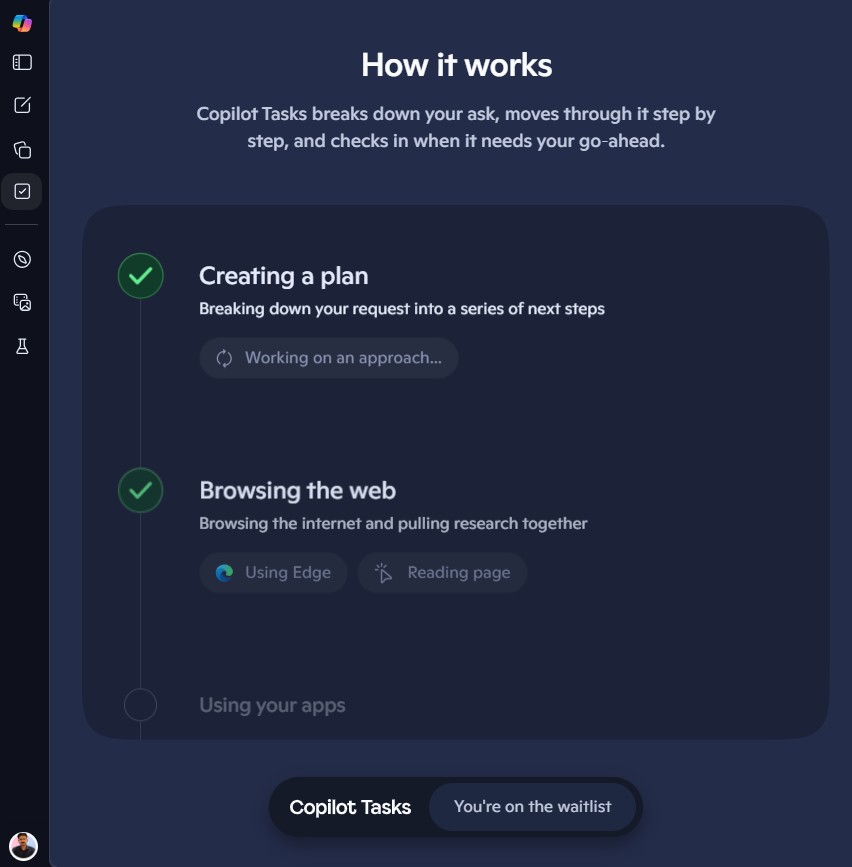
An always-on agent handling highly sensitive corporate emails and personal documents cannot depend on cloud processing. Sending constant background screenshots and keystrokes to a remote server is a privacy nightmare.
Now, a chip from a company that leapfrogged AI agents with their GPUs makes sense. The new NVIDIA N1X may power these local AI capabilities, powered by Microsoft’s rumoured AI super app.
Of course, all this is speculation, and Microsoft may mention the all-in-one Copilot app in the upcoming Build conference. But as Fortune notes, Microsoft will not showcase the app now; instead, a launch is expected by the end of summer.
As you’d probably know by now, AI and Microsoft are two words that people didn’t like to hear together, and one reason for this was the company’s lack of focus on their desktop OS. But things aren’t the way they used to be, and Windows 11 is actually improving before our eyes.
Microsoft still wants to focus on Windows 11
Announcing a product is one thing, but market launch would take more time, and the end of summer gives a few more months for Microsoft to make Windows 11 worthy of the Agentic AI that will eventually come for it.
While a massive architectural hardware revolution looms on the horizon, Microsoft is acutely aware that the software foundation must be flawless before users buy new devices. The company is dedicating the bulk of its current engineering resources to polishing, optimizing, and modernizing every broken aspect of Windows 11.
The software giant is fully committed to native WinUI 3 to remove sluggish web wrappers. Even the Start menu, which recently got one of its biggest updates, will also soon be updated to WinUI 3 for more performance gains.
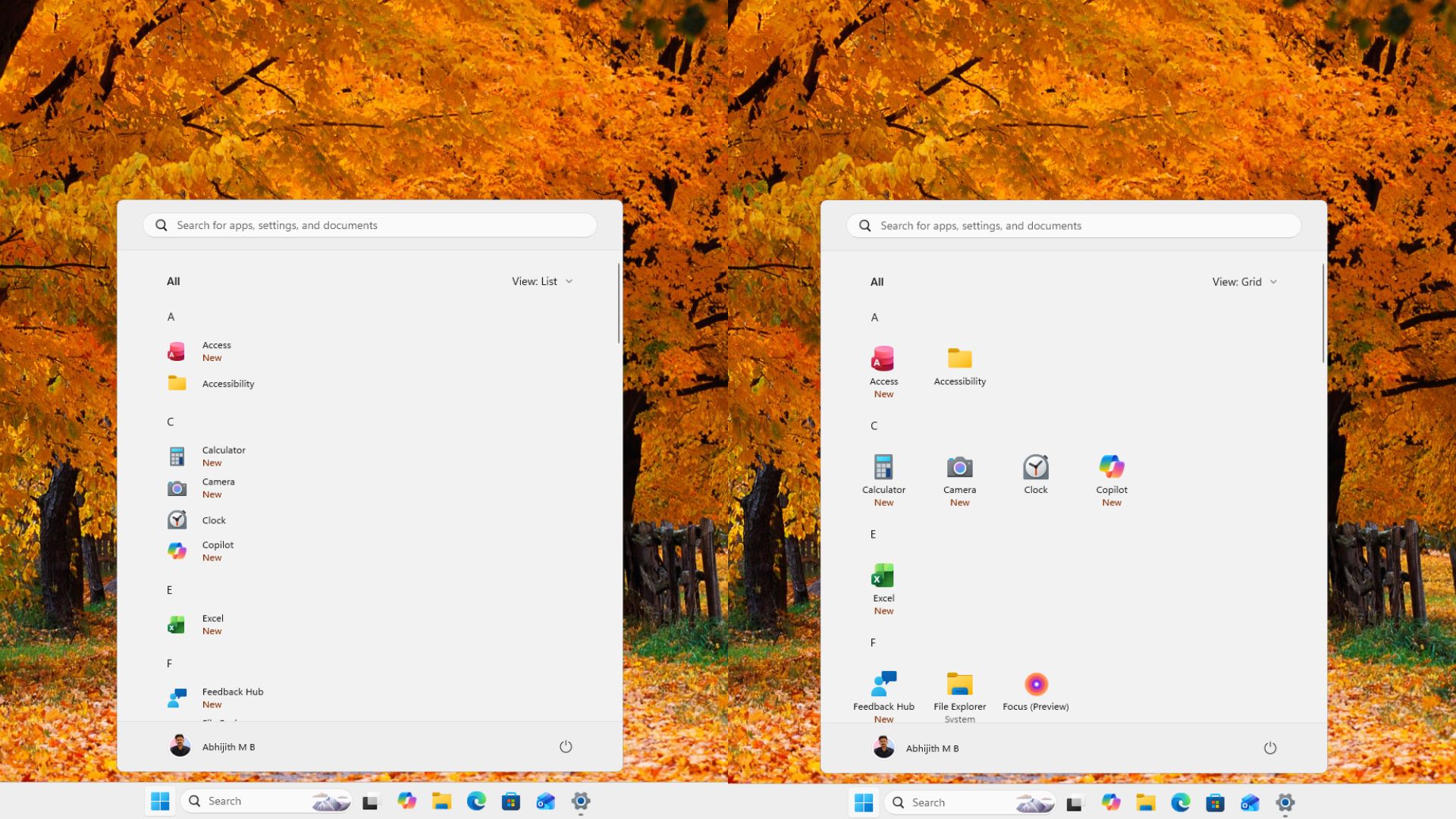
As for issues with the WinUI 3 framework, the company is already working to permanently eliminate the black tearing that occurs when expanding WinUI 3 app windows.
Ancient code from the nineties is finally disappearing as the Windows 95 era File Explorer properties dialog is getting replaced with a modern WinUI 3 version. The main File Explorer application is also receiving stability patches.
Performance remains the absolute highest priority heading into the summer months. To make the interface feel buttery smooth, Microsoft has quietly implemented a controversial but highly effective hardware scheduling trick called Low Latency Profile that has now come to all PCs that installed the recent May 2026 KB5089573 Optional update.
Funnily enough, all of this alleged hardware AI capabilities comes at a time when Microsoft is scaling back the intrusive Copilot features that frustrated power users. The company showcased a deliberate reduction of the Copilot footprint across core inbox applications like Notepad and the Snipping Tool.
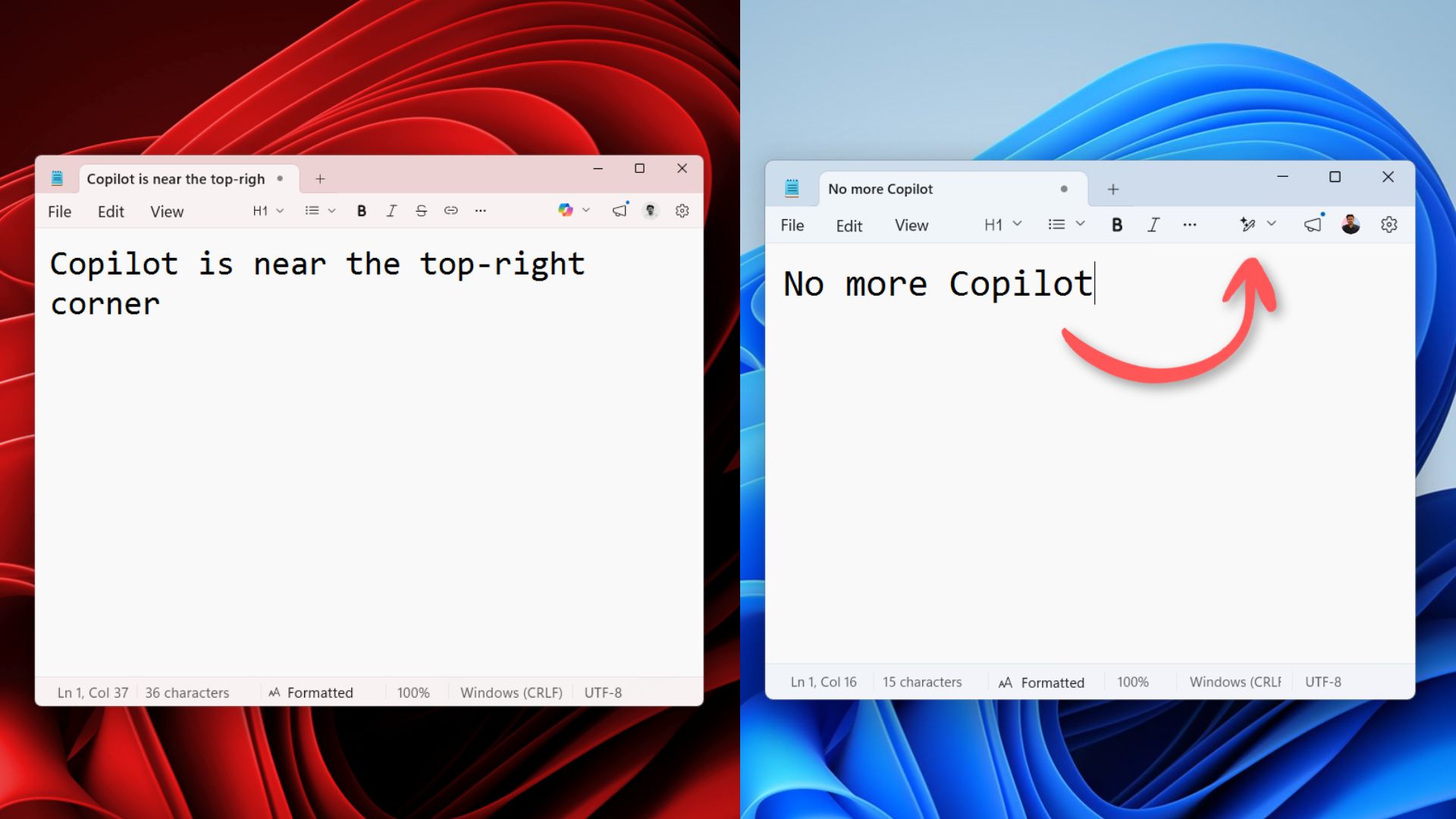
The deliberate move away from unoptimized software features proves that Microsoft is finally laying a stable foundation for the upcoming silicon era. We will not see the launch of Windows 12 at the Build 2026 developer conference, but the event will be vital for setting the stage for what comes next. Polishing Windows 11 today makes it optimized and ready to orchestrate the powerful local AI workflows and NVIDIA ARM hardware arriving later this year.
The post Microsoft confirms it’s not launching Windows 12, as it teases a big announcement appeared first on Windows Latest