
Windows 11 is heading for one of the biggest design upgrades in its history, with Print Management, the Properties Sheet in File Explorer, and even the Windows 8-era AutoPlay dialog getting a WinUI revamp. But what happens to Control Panel? Right now, we’re not seeing any signs of its removal, and it may not happen anytime soon, for good reasons.
According to sources familiar with Microsoft’s plans, the company still wants to move all the remaining Control Panel features to Windows Settings, including those old legacy dialogs that most people don’t use. However, Control Panel is here to stay until the company figures out what to do with decades-old dialogs.
Microsoft does not plan to simply redirect Control Panel to Windows Settings, but it’ll give you fewer reasons to open legacy features, and their low usage could one day justify Control Panel’s removal.
Windows 11 still needs Control Panel because usability comes first, design later
As much as I used to open Control Panel on Windows 10, I don’t do that on Windows 11 anymore. Most of the features, such as removing a Windows Update, adding Bluetooth devices, or managing the Wi-Fi adapter, are now in Windows Settings. Microsoft also moved advanced mouse controls to Settings, giving you another reason not to use Control Panel.
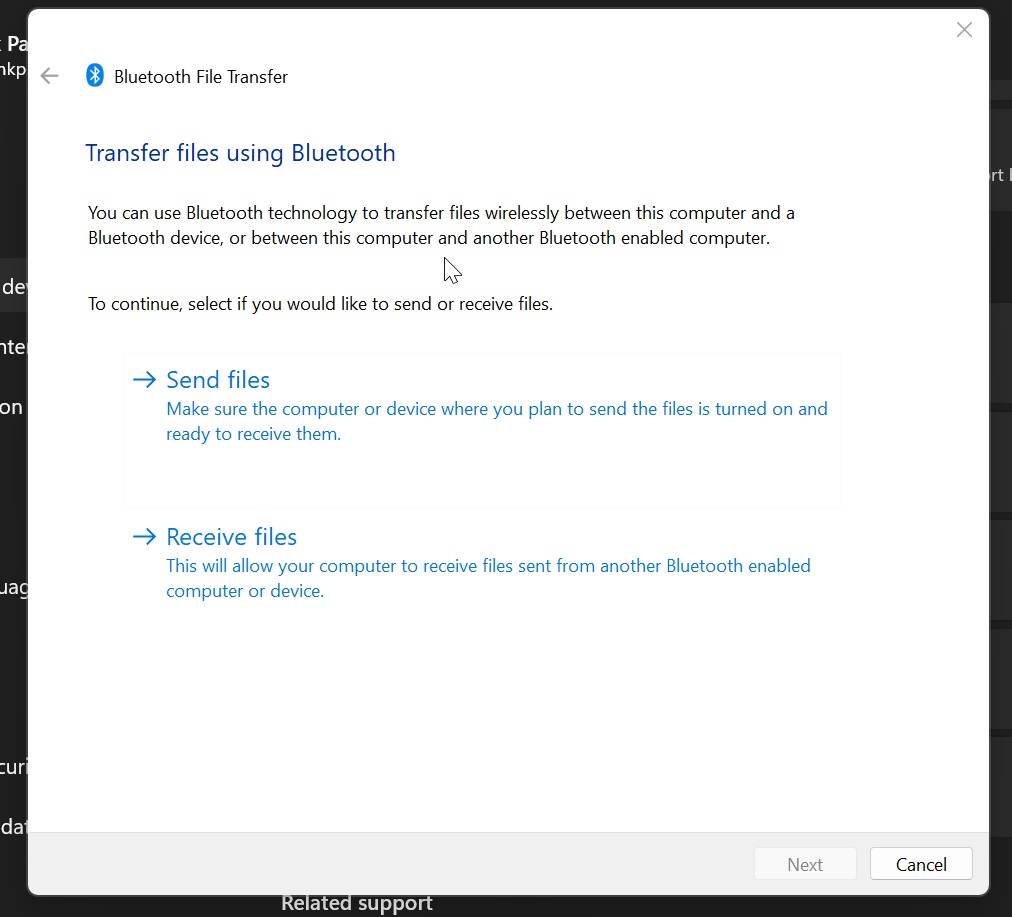
But as an old-school user, I sometimes still use Bluetooth to send and receive files, and as you might have already noticed, it still sends you to a Control Panel-era dialog:
The same thing happens when you try to add a new printer manually from Windows Settings. You’re still sent to the Control Panel.
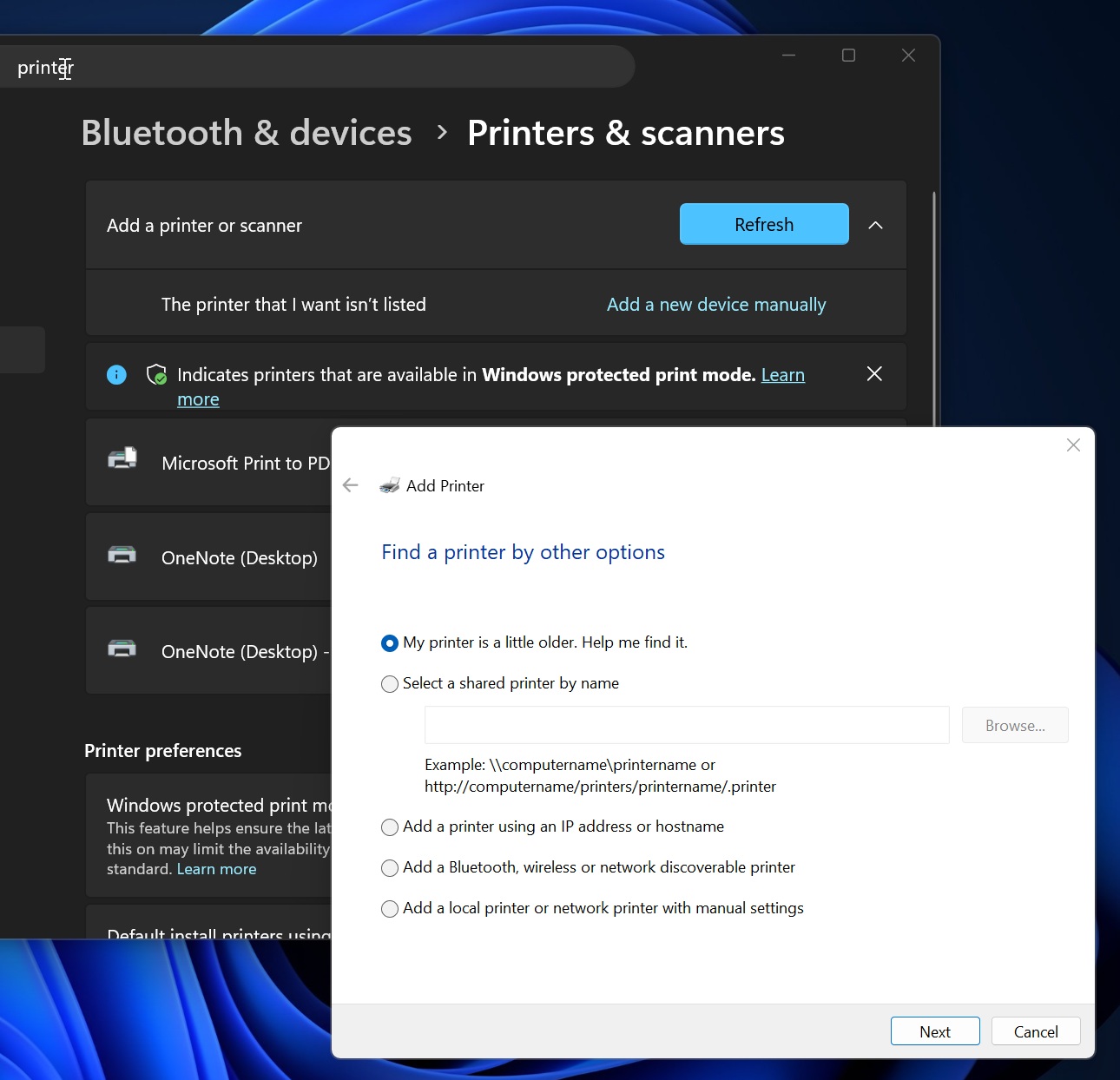
I’m told that most of these dialogs are on Microsoft’s list of “revamps,” so you can expect more native experiences in the coming months. But that wouldn’t kill off Control Panel because Microsoft can’t afford to break integrations with legacy features that millions of enterprises rely on.
Microsoft’s head of design previously said the company does intend to migrate all the old Control Panel features to “modern” apps, but it’s taking a careful approach because of legacy network and printer devices or drivers that it does not want to break while trying to modernize everything with WinUI.
“We’re working our way through migrating all the old control panel controls into the modern Settings apps,” Microsoft’s March Rogers previously said. “We’re doing it carefully because there are a lot of different network and printer devices & drivers we need to make sure we don’t break in the process.”
Modernization of Windows 11 continues in full swing
We’re already seeing some progress in preview builds, but there are no signs of Control Panel removal. Here’s a list of “modern” Windows 11 features that should begin rolling out in the coming months.
1. Modern Windows Run Dialog
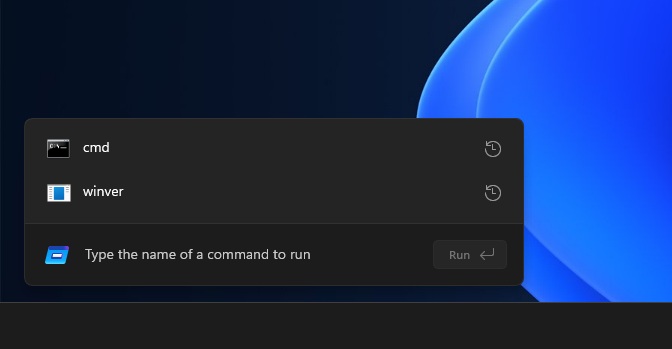
Microsoft has been testing a modern Run dialog for a while now, and it’ll begin rolling out to everyone at some point in 2026. We don’t have a release date yet, but once it rolls out, it’ll be turned off by default. You’ll need to enable it from Settings > Advanced, as Microsoft does not want to upset users.
The new Run dialog is built using WinUI, and it’s actually faster than the legacy version, with early tests showing a median time-to-show of 94ms. For those unaware, the existing dialog’s median time-to-show is 103ms, so this is a minor improvement, but it’s still quite interesting because WinUI has a bad reputation for being slow.
Modern Run also has a new feature that lets you jump to your user directory with ~, so you can keep moving like you would from the command line.
If anything, I’m glad that Run is not being removed even though there are other ways to use some of the same features. That’s largely because Run has a different use case for most people, and it’s not always about opening a certain network location, directory, or app. Some people actually use it to scrub formatting from text so they can paste it as plain text, and it’s also why Microsoft tried to make it faster.
2. Modern Properties sheet
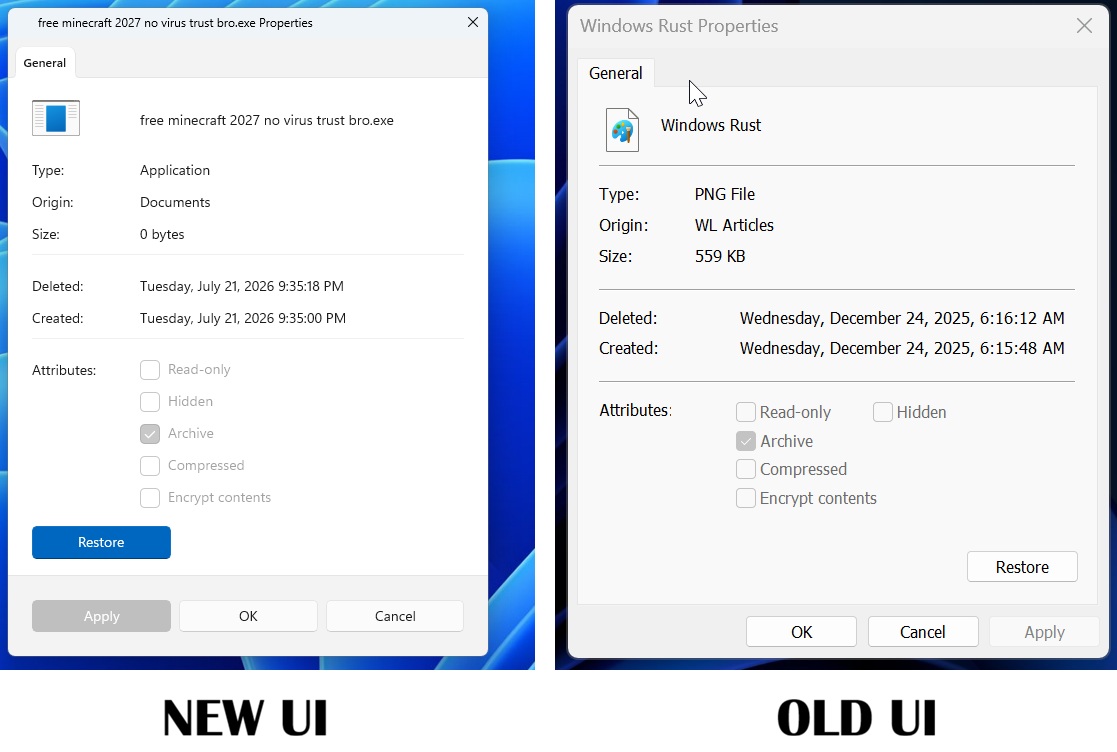
You also have the modern Properties dialog coming to Windows 11, and it looks like it’ll replace the legacy version instead of being an additional feature. It uses Windows 11’s new design language, and information is also easier to scan because details such as Type, Origin, Size, Deleted, and Created are grouped more clearly instead of being packed into the older Win32-style layout.
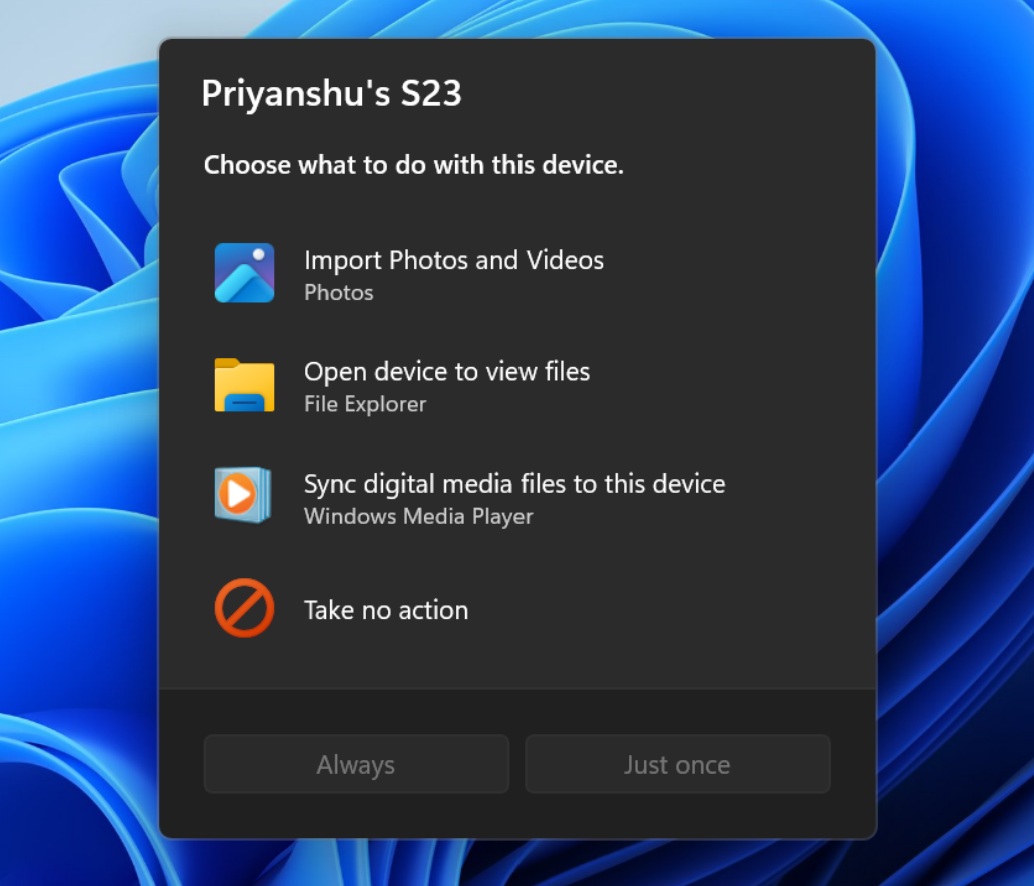
Microsoft is also working on a new design for the AutoPlay dialog and adding a feature that allows Windows to remember your preference, such as always opening File Explorer when you connect your phone.
And we also have a modern Print Management app, which, as the name suggests, allows you to manage your printer. We don’t know if it’ll replace any of the existing printing features, but it’s already being tested in the Release Preview Channel, so an announcement is imminent.
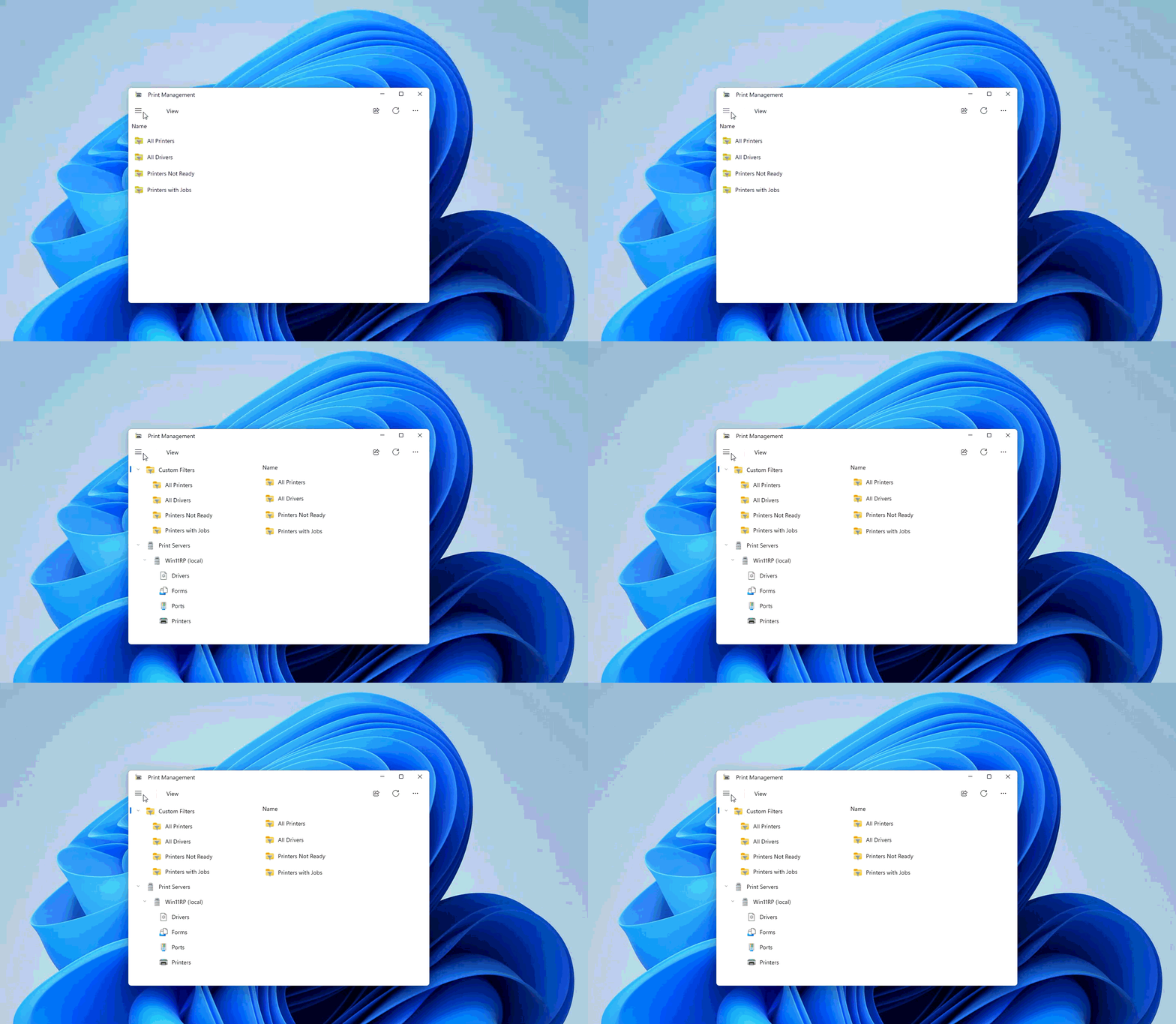
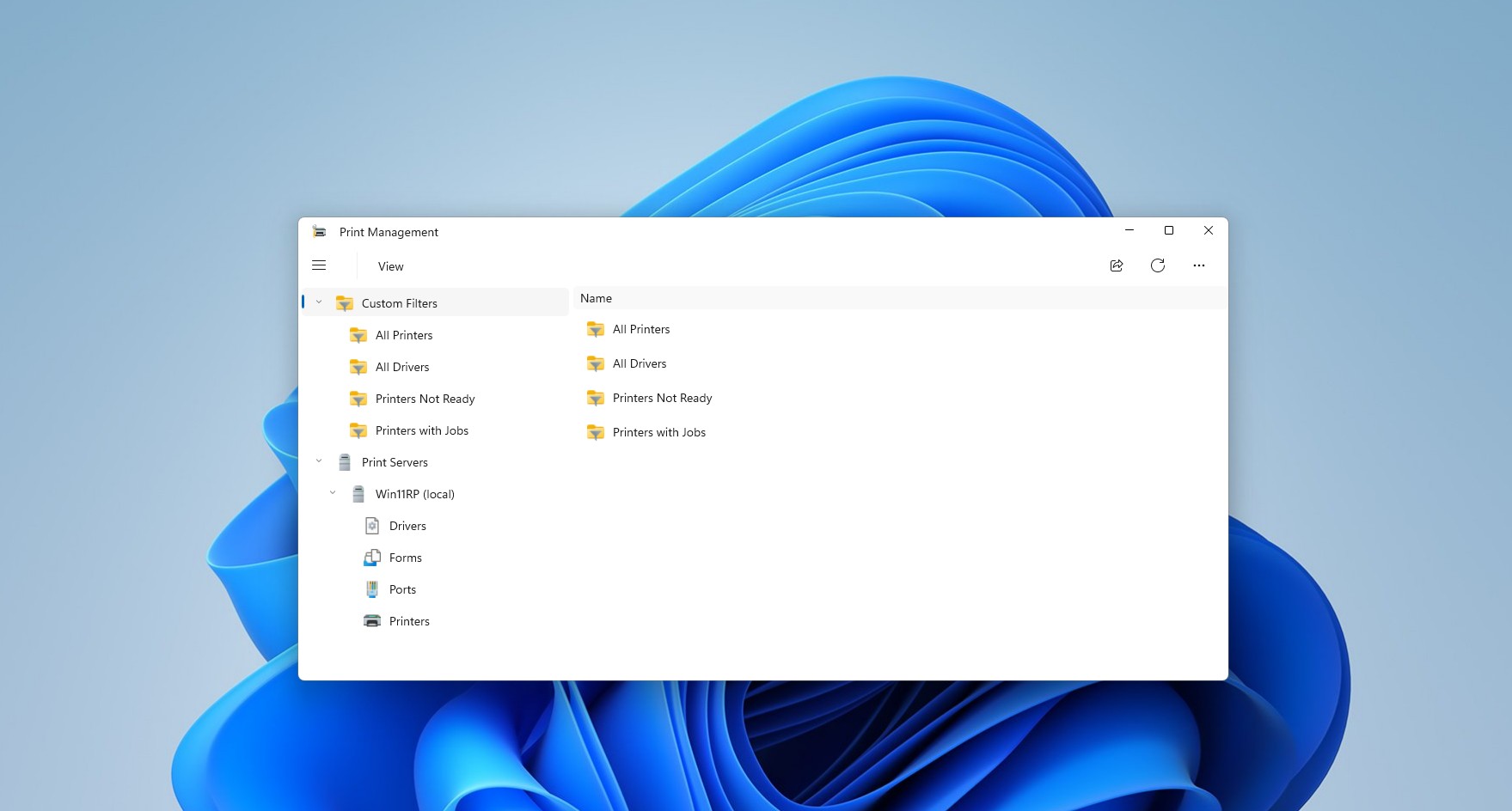
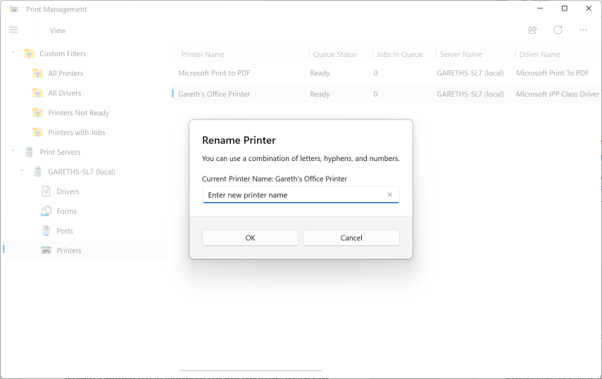
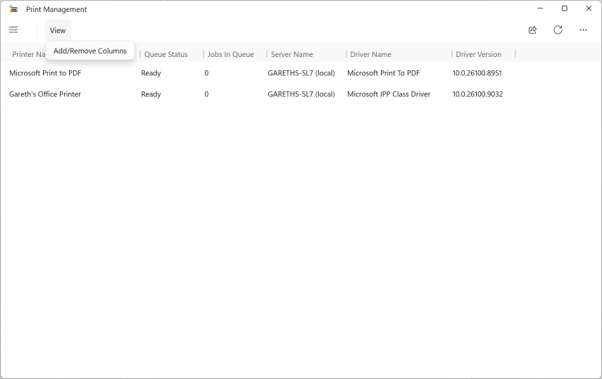
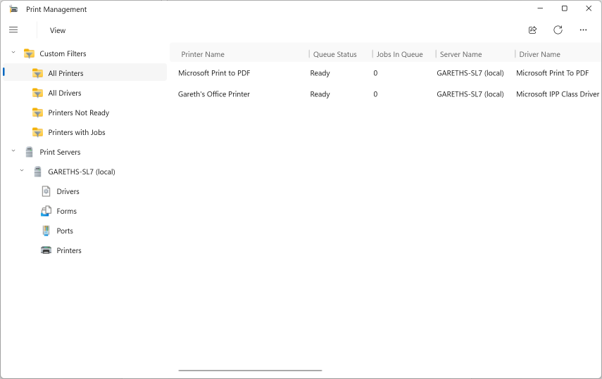
As Microsoft says, once it moves all these legacy features to Windows 11’s WinUI experiences, you can expect Control Panel to eventually disappear. But how long will that take? Nobody knows the answer.
The post Is Control Panel dying in Windows 11? Microsoft’s biggest UI revamp says not yet appeared first on Windows Latest