
If you used a PC in the early 2000s, this image of a CD with FCKGW-RHQQ2-YXRKT-8TG6W-2B7Q8 written with a permanent marker probably needs no explanation:
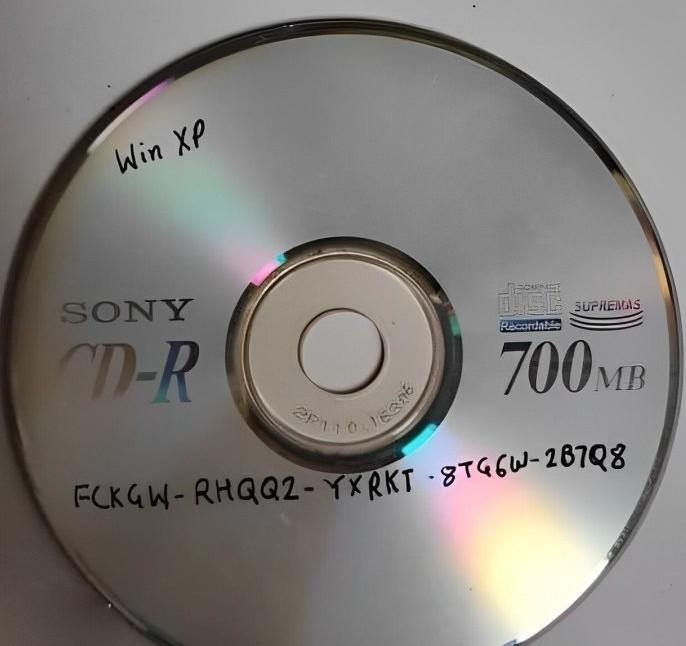
For everyone else, that random-looking string written on the CD is one of the most famous Windows keys ever created, but it was not made intentionally to curb piracy of Windows XP, which began shipping to the world in 2001.
25 years ago, on August 24, 2001, Windows XP was released to OEMs (original equipment manufacturers), and a few months later, it became available for purchase on October 25, 2001. Unlike Windows we use today, Windows XP was not a free upgrade, even for those who used Windows 98, so you’d need to go to a retail shop and buy yourself a CD with the installation files and the key.
For an entire generation of PC users, this was the Windows XP key, as it appeared on the internet, burned CDs, and countless “pre-activated” copies of the company’s operating system.
The FCKGW key eventually became a “crack” that activated Windows XP and defeated Microsoft’s anti-piracy system.
That was the belief most people have held, but that wasn’t the case in reality. In fact, the product key you see in the above image was not a bypass. I’d call it a much more embarrassing situation for Microsoft, since the company hadn’t accidentally leaked a bypass for its own powerful anti-piracy system, but a legitimate corporate licensing key.
What was Windows XP’s anti-piracy system?
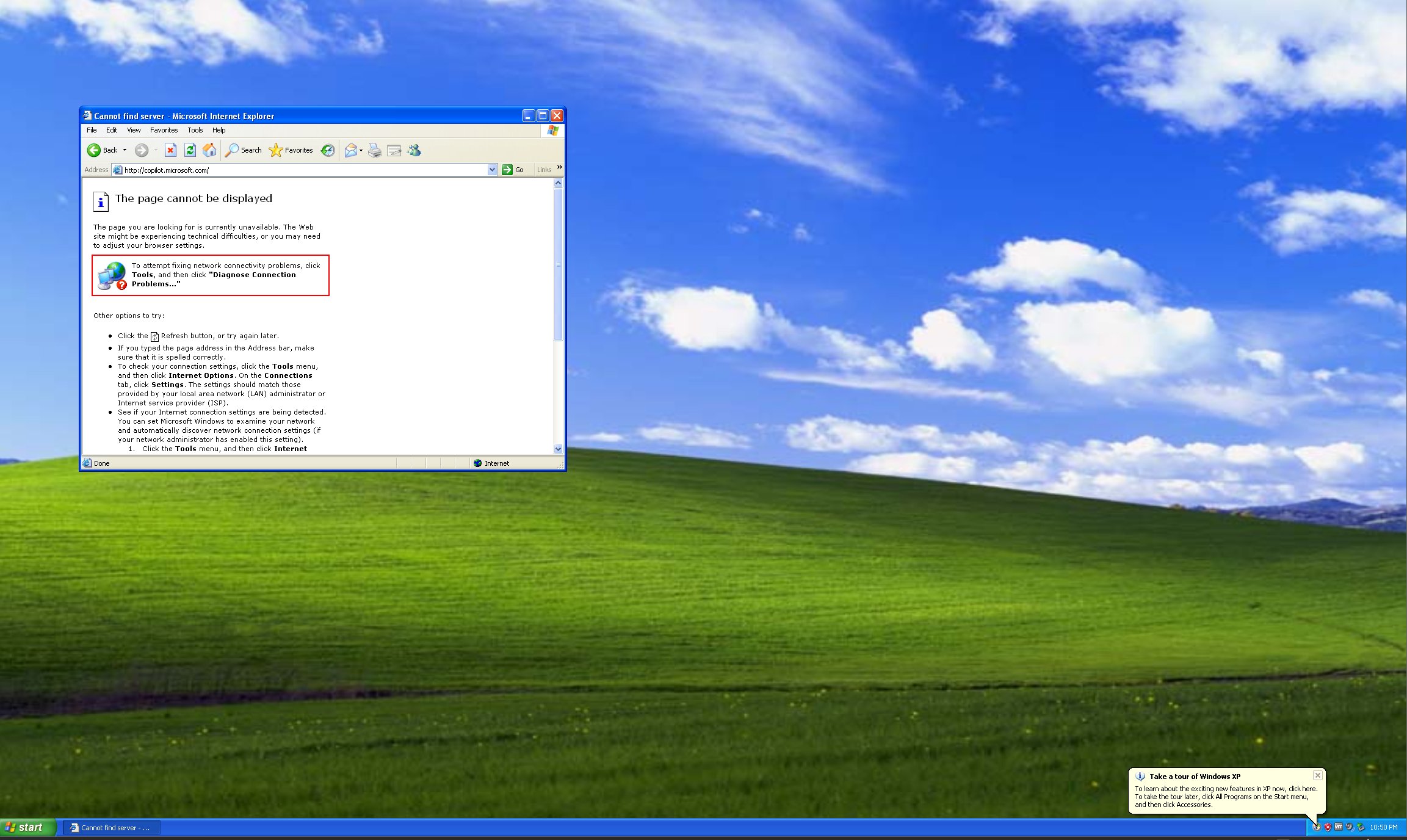
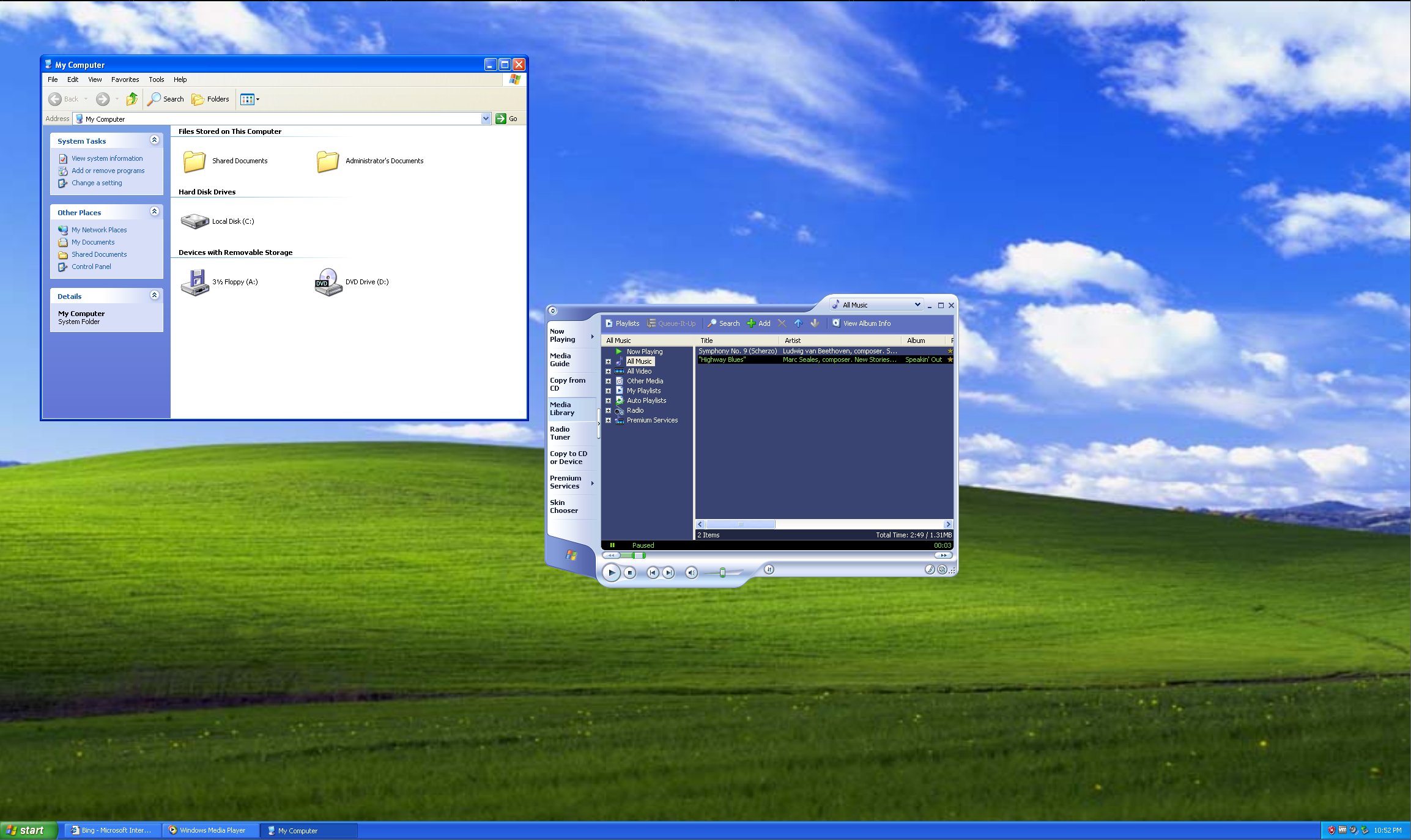
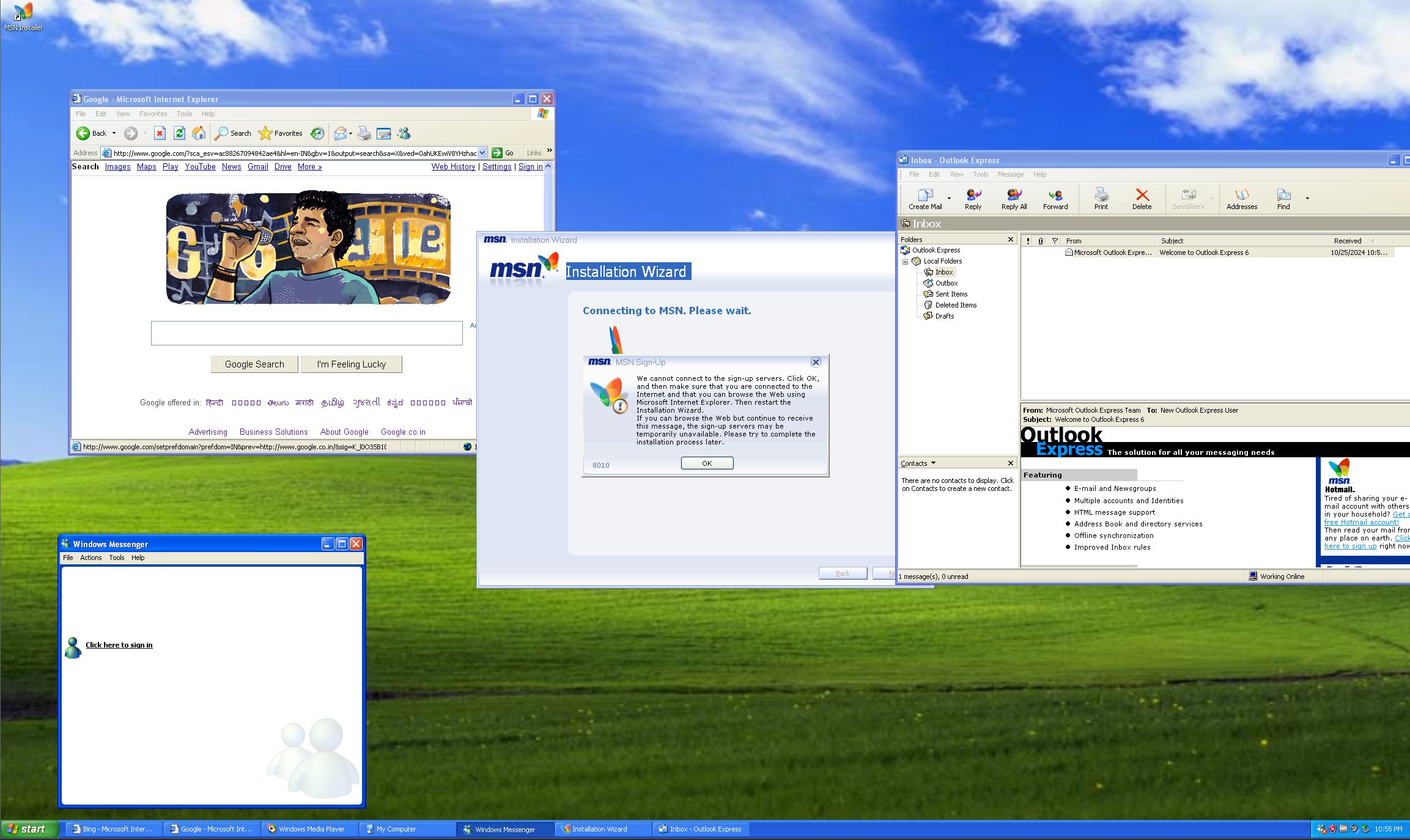
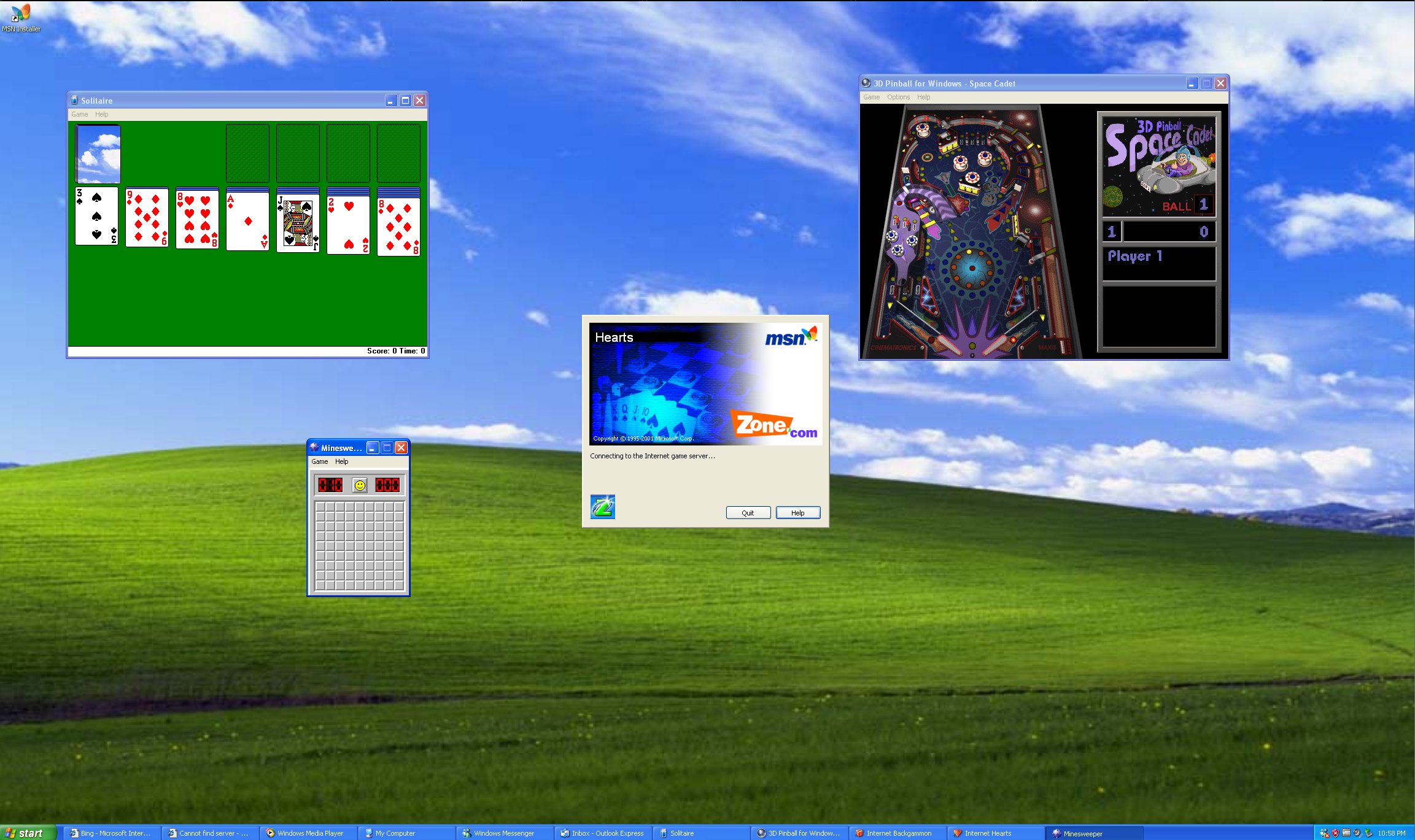
Windows in the early 2000s was much different from Windows of today. Not only did it have fun music videos, cartoons, and games like Pinball, but it also mattered a lot more to Microsoft because Windows was what made Office and its other products sell. It was the cash cow, as a former Microsoft employee recently explained in a story at Windows Latest.
Right now, Microsoft does not care if you use Windows 11 without paying for it. In fact, everything that you need to “activate” Windows 11 is one search away from Microsoft’s GitHub, so that tells us a lot about how much the company cares. It’s also a lot to do with the business model now. Microsoft would rather have users running a pirated copy of Windows than not using Windows at all.
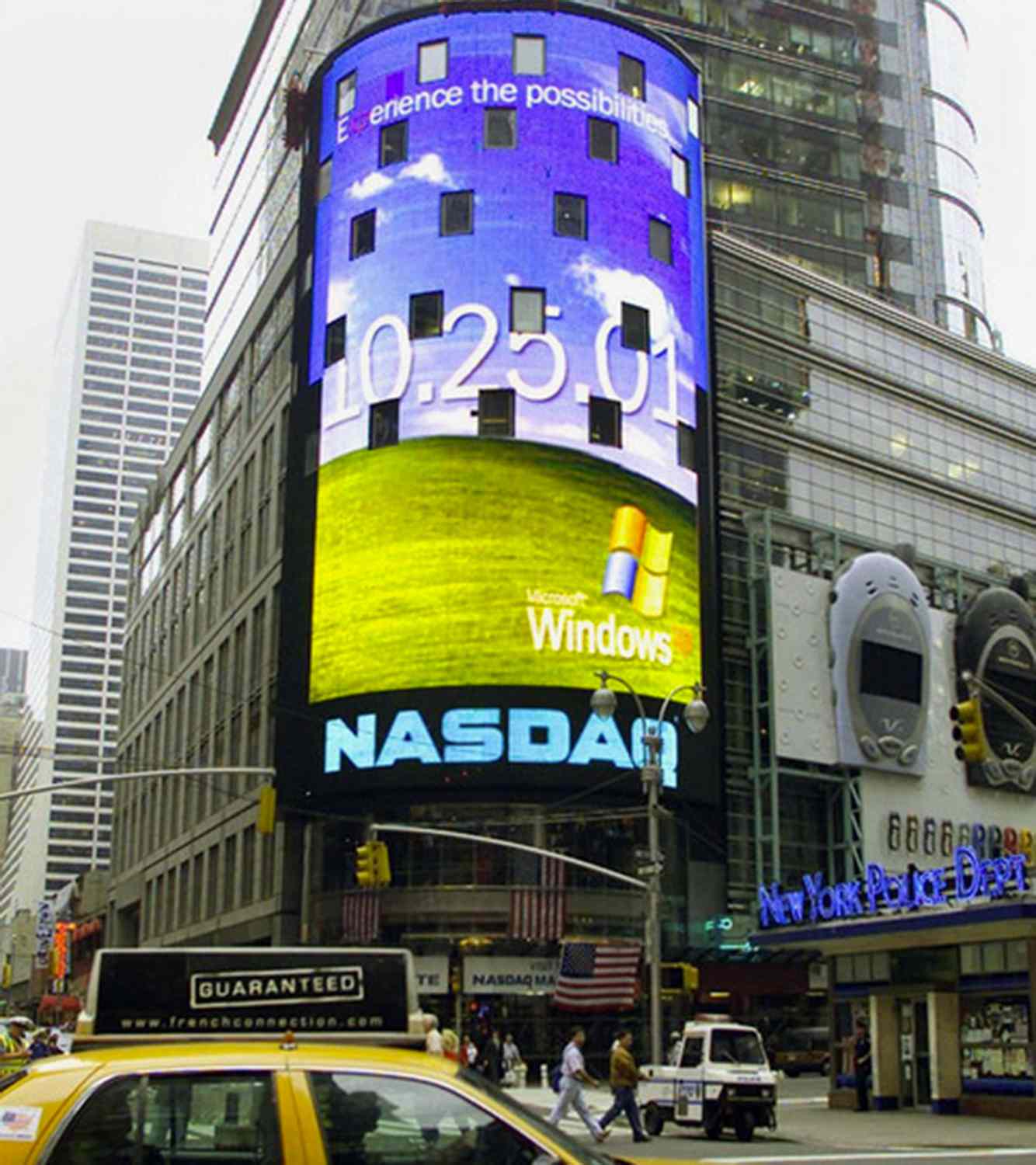
But in the early 2000s, Microsoft wanted people to buy a new version of Windows, which is why Windows XP was the first major release to come with Microsoft’s Product Activation technology.
Before Windows XP was released, you’d have to enter a product key during setup, and you were done activating a PC. Windows XP changed that with Windows Product Activation (WPA), which added a hardware check to make piracy harder.
Dave Plummer, the legend who created Task Manager (yes, we all know at this point), also worked on Windows Product Activation (WPA), which changed how Windows was activated on a PC.
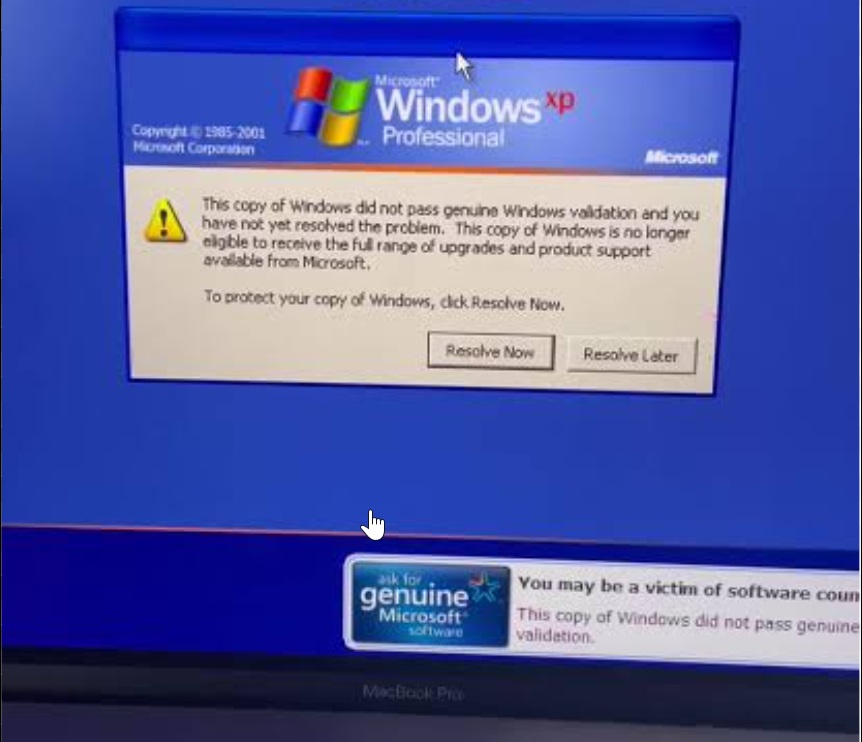
Instead of just entering a product key and hitting activate, Microsoft started generating a hardware ID and sending that alongside your product key for validation, so if a mismatch appeared, the key would be flagged as pirated.
“WPA worked by generating a hardware ID from your CPU, RAM, and other components, then sending it to Microsoft alongside your product key for validation. A mismatched or suspicious key would flag the install as pirated,” notes Dave Plummer.
But Microsoft also had another way to activate Windows XP, built specifically for companies that did not buy Windows as consumers did. A company with thousands of PCs could not manually activate every machine by entering a product key, so Microsoft created Volume License Keys (VLKs).
With Volume License Keys, organizations could activate multiple PCs without going through the normal activation process required for consumers. Microsoft trusted that these keys would remain inside the companies that purchased them.
Microsoft never accidentally developed a “hack” to activate copies of Windows XP
Contrary to popular belief, this key was not a “clever hack” or something generated by hackers to pirate all copies of Windows XP. It was rather something much more embarrassing, as Microsoft lost the key, and someone simply got hold of a legitimate Volume License Key and paired it with the corporate installation media.
Eventually, the combination spread across piracy networks, and hundreds of thousands of PCs were able to install Windows XP without going through normal activation.
In Microsoft’s former engineer Plummer’s own words:
“But as a legitimate VLK, FCKGW-RHQQ2-YXRKT-8TG6W-2B7Q8 was whitelisted in XP’s activation logic—it told the system, “This is corporate volume licensing; no need to phone home.” During installation, users selected the “Yes, I have a product key” option, entered the code, and WPA simply… skipped the activation prompt. The OS booted fully functional, with no 30-day timer or watermarks. It even fooled early validation checks for updates. This loophole let pirates distribute “pre-activated” ISOs, making XP as easy to “acquire” as a free mixtape. Technically, you could still use it today on an old XP disc (if you can find one), but Microsoft’s servers shut down validation years ago, and the key’s long since been blacklisted.
Windows XP was Microsoft’s most loved operating system, and we’ve got a new wallpaper for you
We’re looking back at one of the interesting stories of Windows XP because it’s been 25 years since it was released to OEMs on August 24, 2001, and Microsoft hasn’t forgotten it either.
In 2023, Microsoft quietly released a new version of Windows Bliss, the famous desktop background of Windows XP, in 4K.
Windows XP’s modern Bliss edition still has the familiar feel of a clear blue sky with a few clouds, but there are a few notable differences, such as the grass looking softer. But we made our own version of XP Bliss with improved saturation, so you can check that out below.


Here are the download links:
- Windows XP Bliss Wallpaper 4K – Official.
- Windows XP Bliss Wallpaper 4K – Edited with improved saturation.
What’s your memory of Windows XP or any other version of Windows? Let me know in the comments below.
The post Windows XP’s most famous pirated key wasn’t a hack, and a Microsoft engineer explains why appeared first on Windows Latest