
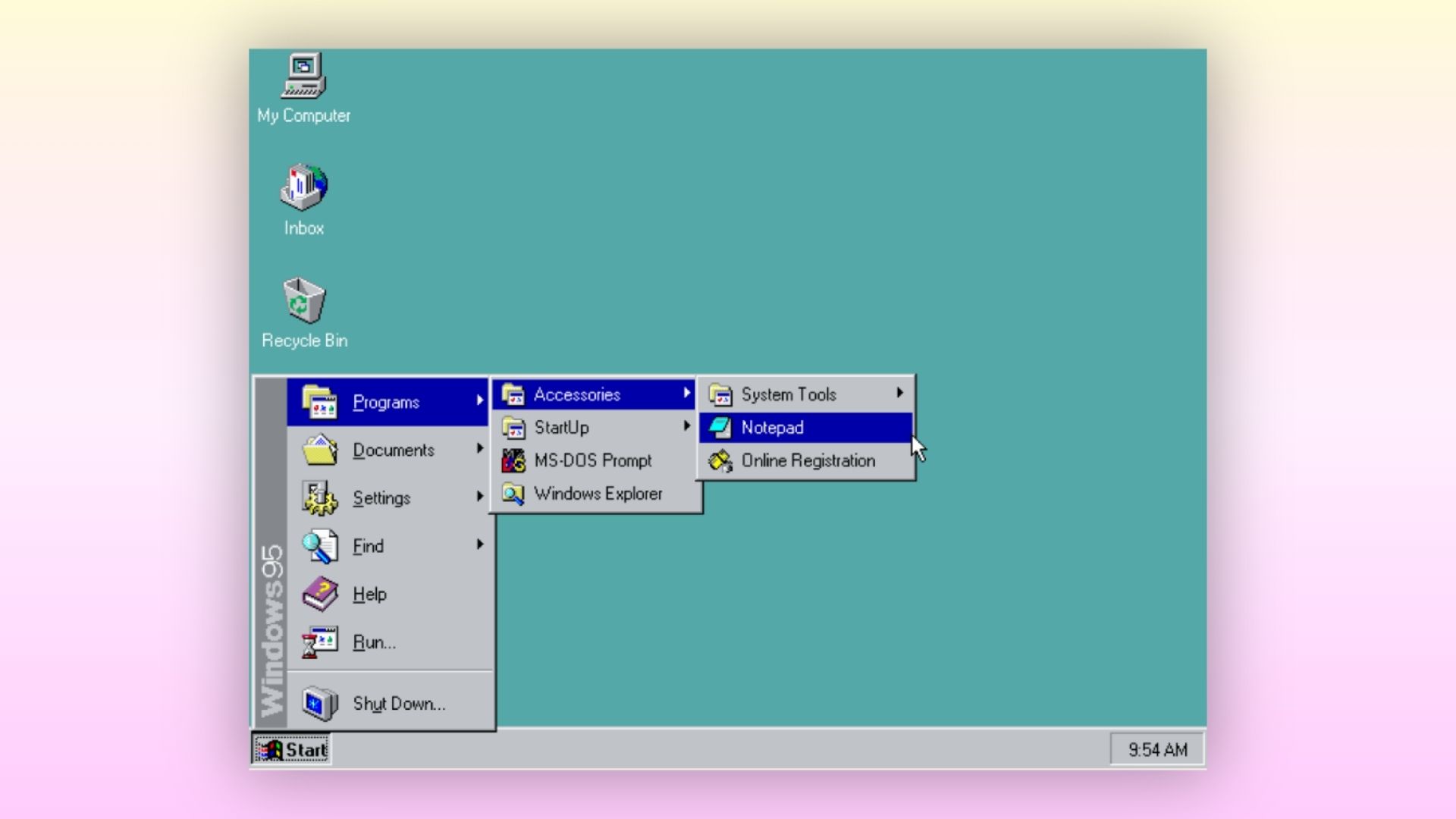
Someone once asked Microsoft why the Windows 95 CD shipped with a Weezer music video, a movie trailer, and cartoons that had nothing to do with an operating system. Raymond Chen, the Microsoft engineer, answered: “Because it was fun. Why does one have to justify having fun?”
Windows 95 turns 31 years old today, August 24. Microsoft sold a million copies in the first four days alone, seven million within five weeks, and reportedly spent around $3 million to license the Rolling Stones’ “Start Me Up” for the launch ads (although the rumoured figure at that time was $12 million, adding more to the hype).
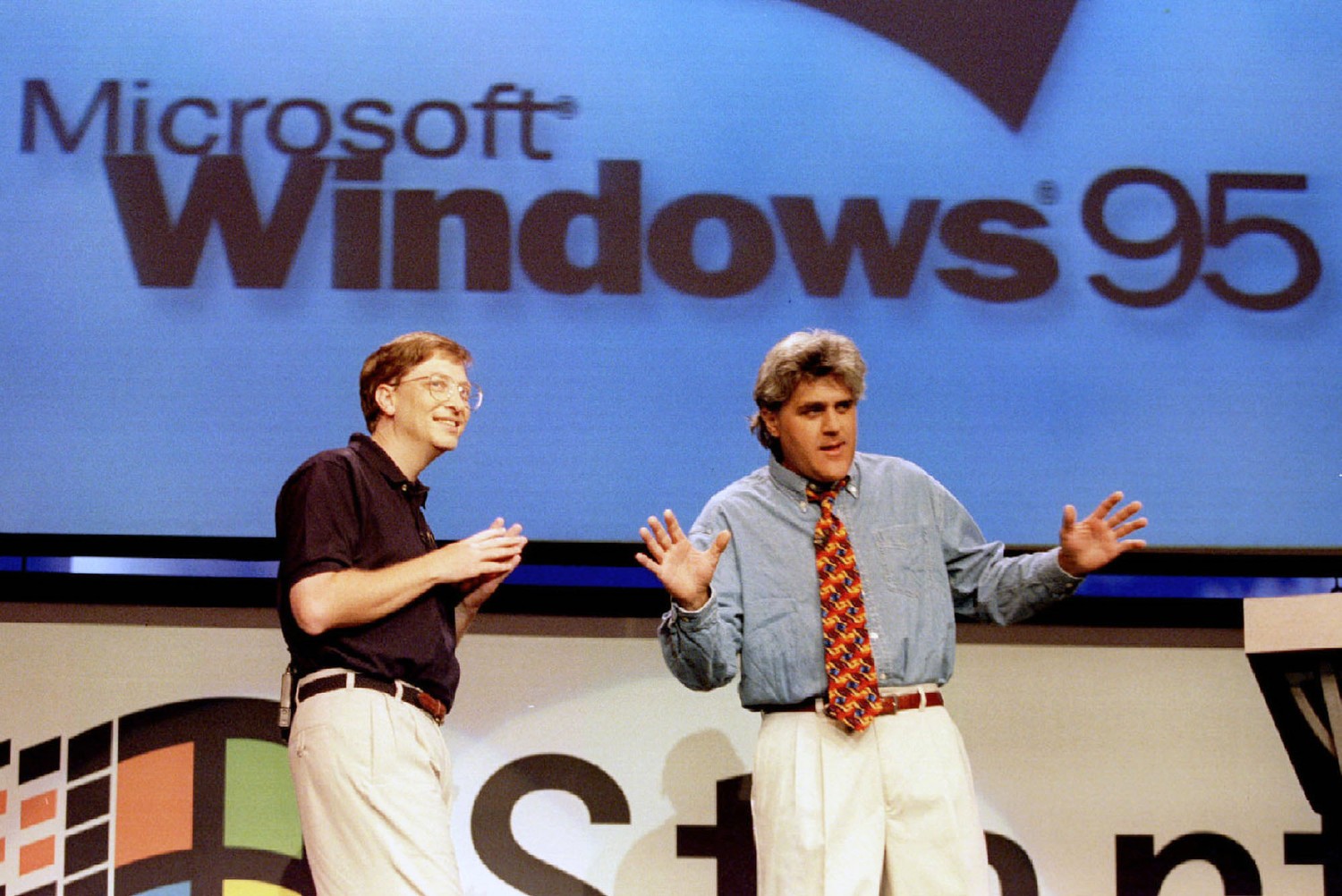
Jay Leno hosted the release event at Microsoft’s Redmond campus. People lined up outside stores at midnight to buy floppy disks. Yes, we’re talking about a Microsoft product and not about their rival company with a fruit logo.
Of course, Microsoft didn’t have to go this hard, considering the OS that’s as old as me was already geared up to be the best of its time during its launch.
What Microsoft put on the Windows 95 CD, and why
Chen mentioned what shipped along with the operating system. The Weezer music video for “Buddy Holly.” Edie Brickell’s “Good Times.” A trailer for the film Rob Roy. Cartoons by animator Bill Plympton. Pinball, which has a story of its own. And a hovercraft game called Hover! that some Microsoft employees privately nicknamed “Hoover!” because they thought it played that badly.
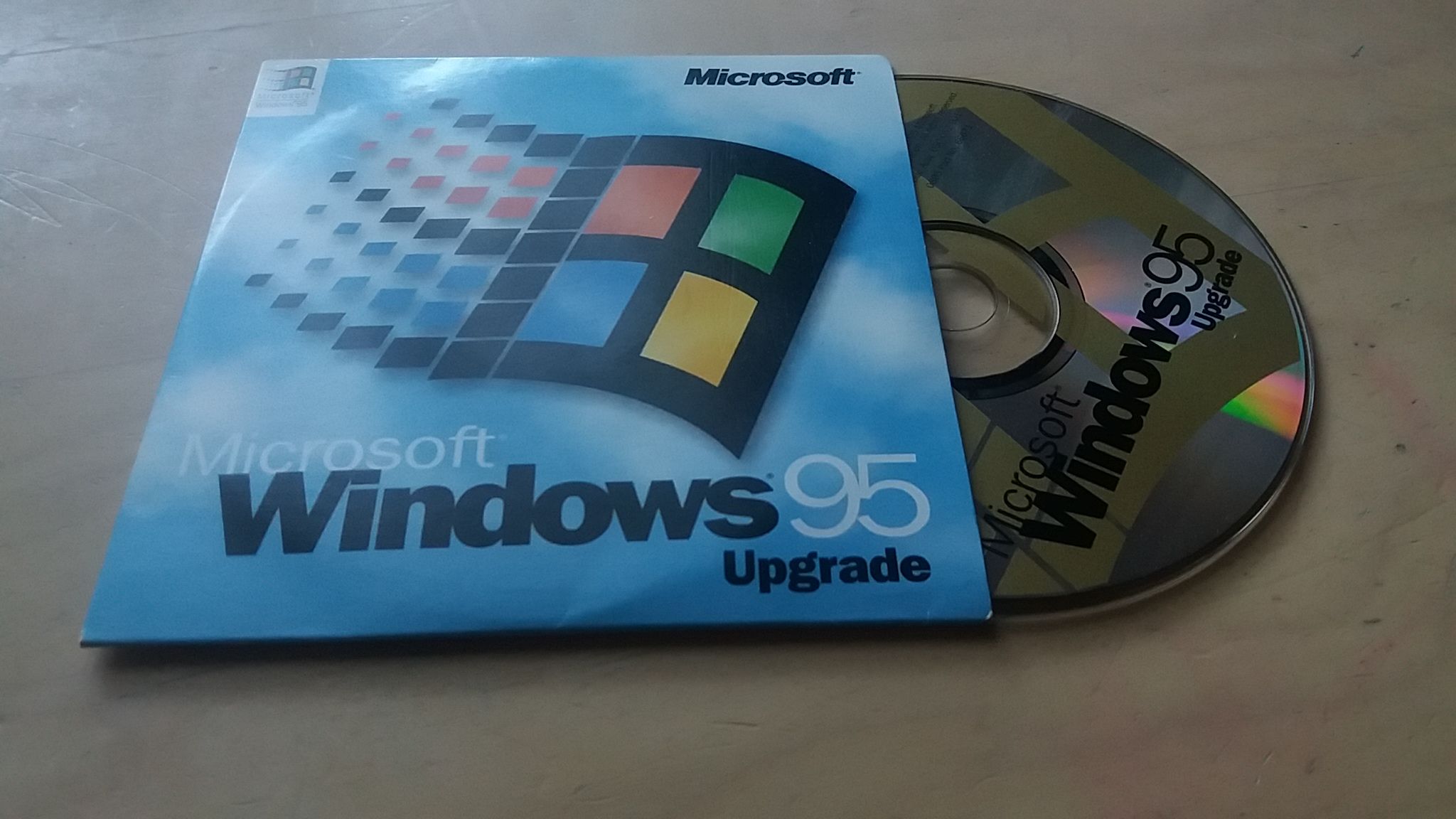
Getting the Weezer video onto the disc was surprisingly more work than we know today. In a follow-up post from earlier this year, Chen explained that Microsoft negotiated the rights directly with Weezer’s label, Geffen Records, reportedly without consulting the band members. Weezer found out along with everyone else. The band was initially upset about not being asked, but later called it one of the best things that ever happened to them, since it put their video in front of millions of PCs at a time when there was no YouTube to reach anyone.
Licensing the music was only half the problem. The Buddy Holly video was filmed inside a recreation of the diner from the sitcom Happy Days, spliced together with real footage of the cast. Chen wrote that Microsoft’s lawyer had to individually track down every actor from that show for permission to use their likeness, a task he said the lawyer thoroughly enjoyed, tracking down phone numbers with a chance of reaching Henry Winkler himself.
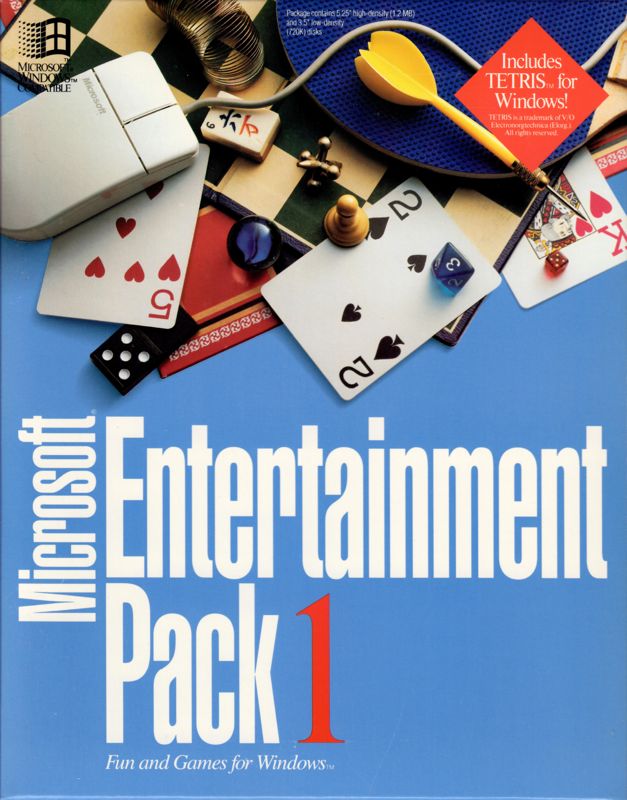
Fun showed up in stranger places too. A 2026 post from Chen describes how the first Microsoft Entertainment Pack for Windows shipped with a bright red sticker reading “Now includes TETRIS for Windows!” stuck onto boxes that had already been printed, because the Tetris licensing deal had not closed by the time the boxes went to print. Microsoft bet on the deal going through, printed the stickers in advance, and slapped them on once it did.
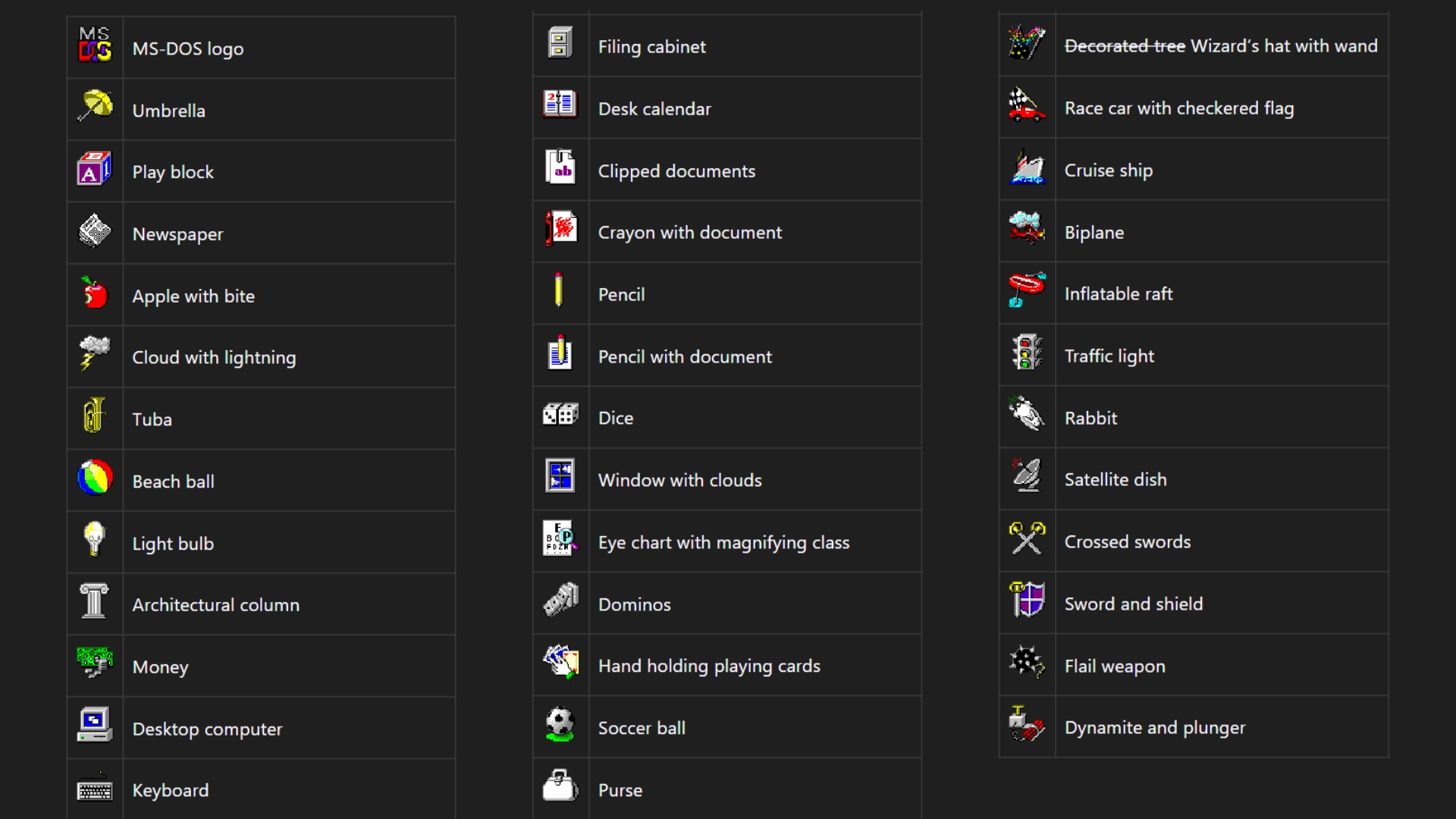
Even the throwaway icon sets got the same treatment. A pifmgr.dll file that came with Windows 95 held a set of icons for people to assign to their own shortcuts, and Chen confirmed in another post that they were designed purely for fun. The set includes a beach ball, a wizard’s hat, dice, a rabbit, and an apple with a bite taken out of the left side (opposite of Apple logo). Chen didn’t confirm whether that was intentional.
Windows 95 made computers feel alive for the first time
Before Windows 95, a PC assumed you were doing paperwork. Sound cards and video cards were optional extras mostly bought by hobbyists and gamers, and installing any program meant that you had to hand-edit configuration files to avoid conflicts between devices. Apple and Amiga machines handled audio and video far better, but they targeted professionals and cost accordingly.
Microsoft flipped the requirements instead of the price. Every PC sold with Windows 95 had to include sound support, speakers, and a CD-ROM drive as a baseline. Plug and Play let hardware describe itself to the operating system automatically, cutting down on the manual configuration that scared off casual buyers. A cheap Windows 95 machine could play music and video out of the box, something only expensive DOS rigs or Amigas had reliably managed before.
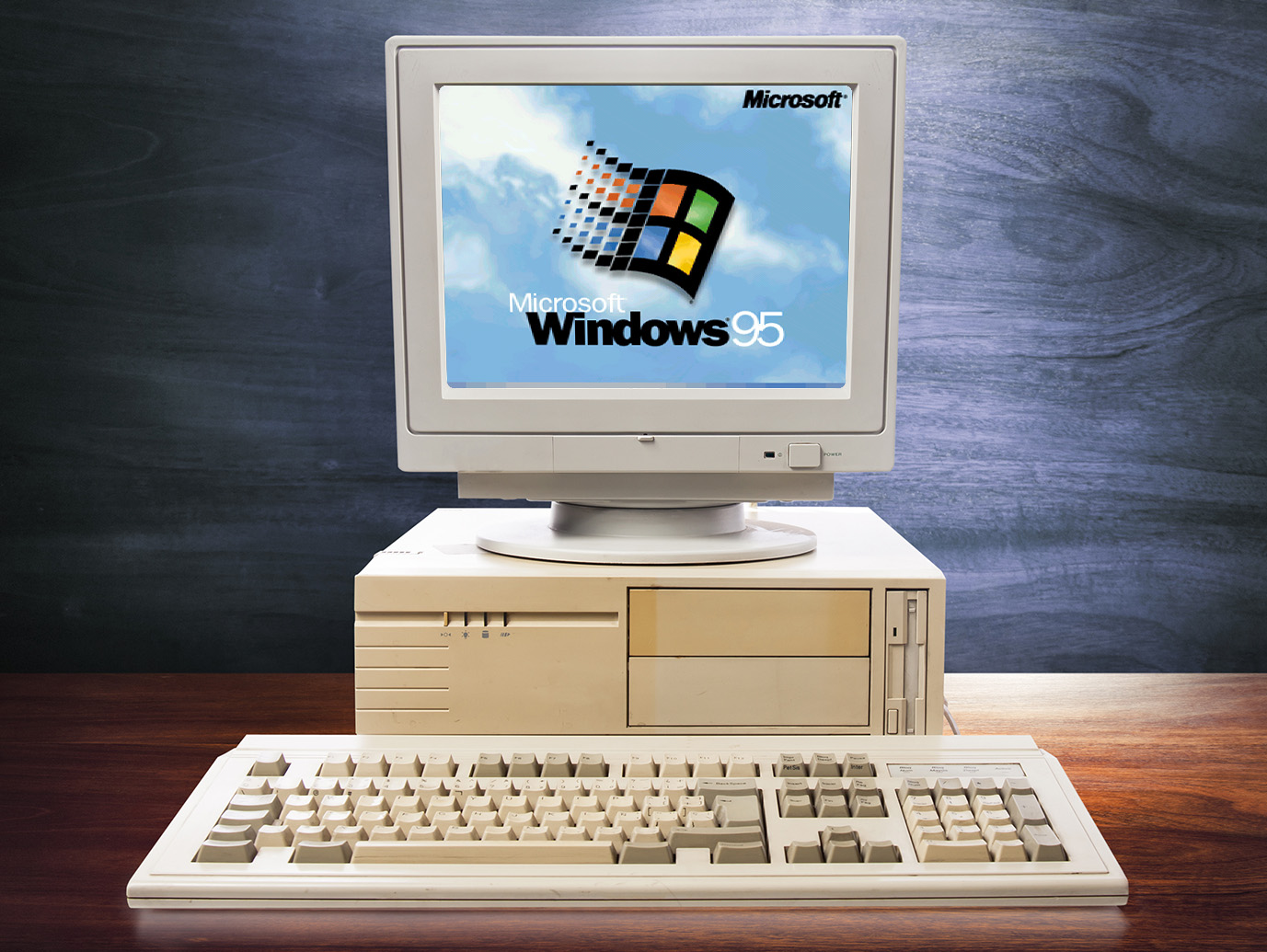
Roughly 80 percent of PCs at the time were still running earlier versions of Windows or plain MS-DOS, giving Microsoft a huge built-in upgrade audience 30 years ago when Windows 95 made multimedia a standard feature. Nobody else selling an operating system was pairing full multimedia support with truly cheap hardware, which is a big part of why the PC market exploded through the rest of the decade.
Windows 11 has not found its own version of fun
Windows 10 still had a trace of the primal instinct. Its default lock screen photo, a real beach in New Zealand called Wharariki, went viral again this month, a decade after launch, because travellers recognized the photo on the OS that reached end of life, but is still being kept alive for another year through ESU.
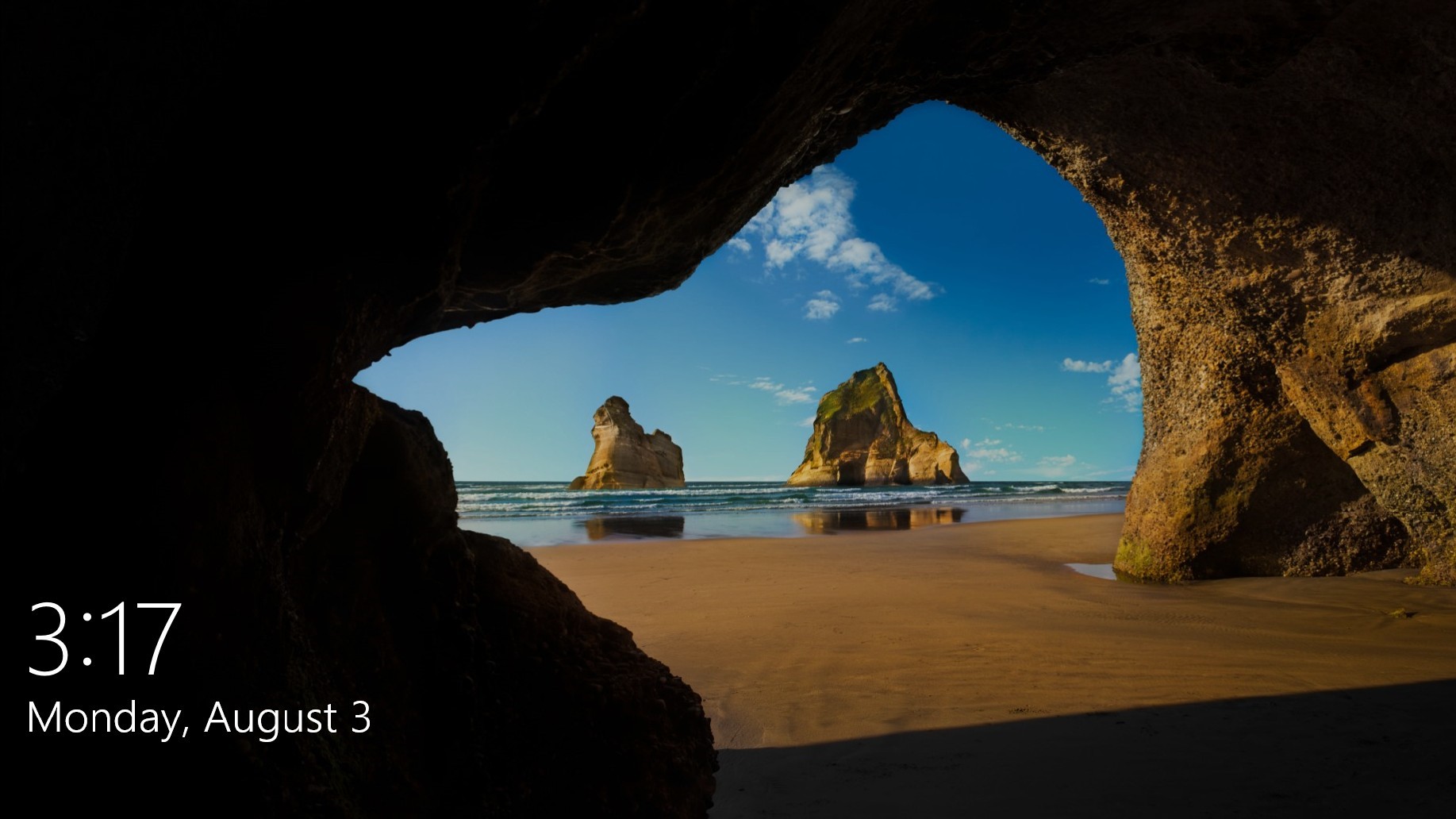
It shows what happens when a piece of an operating system has a human fingerprint on it. People remember the Windows 95 startup sound the same way, composed by ambient musician Brian Eno, who Microsoft asked to make something inspiring, futuristic, and emotional in just a few seconds.
Windows 11’s system sounds might finally be getting a refresh, after Microsoft’s design lead revealed the original startup sound designer had rejoined the team, so there is at least some appetite left for audio with personality.
Everywhere else, Windows 11 is like a product built to finish tasks instead of being loved and enjoyed. Microsoft’s most recent internal project, a leaked Copilot-only shell called Project Aion, dropped the Start menu, the desktop, and anything resembling personality in favor of a chat box. There aren’t any music videos or cartoons or inside jokes here; it was just a system engineered to get things done.
The ability to get things done was not what made Windows 95 memorable. The fun bundled with the Windows 95 CD did not improve a single spreadsheet or make DOS compatibility any less painful. It made the operating system feel like it was made by people instead of being assembled by a committee chasing quarterly metrics. Thirty years later, that is the part Microsoft has not figured out how to bring back.
The post “It was fun,” Microsoft on why Windows 95 had music, cartoons, and games appeared first on Windows Latest