
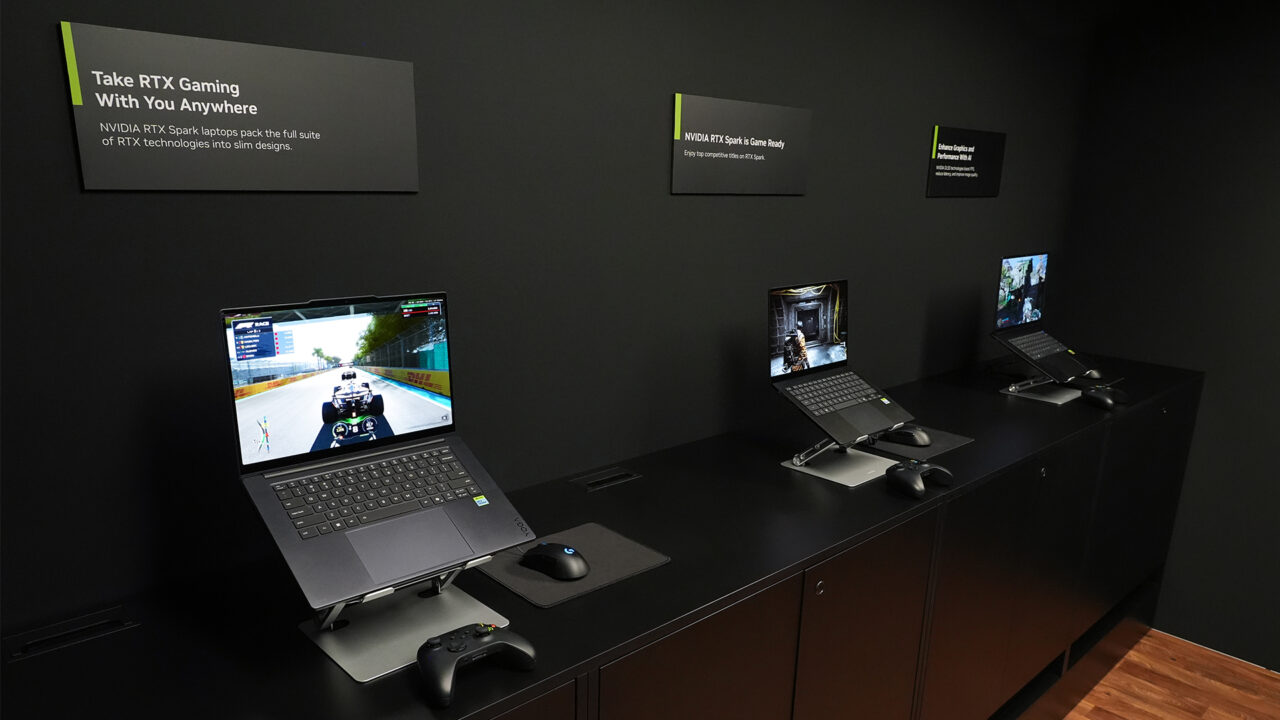
Microsoft has confirmed a significant milestone for Windows Arm with the upcoming release of the RTX Spark platform this fall. Windows Arm previously has had a rough go with Windows RT but has since been reinvigorated when Qualcomm released the Snapdragon X Series of chips, bringing with it significant architectural changes in Windows (like Prism) that has enabled the platform to get where it is today (as outlined in a previous article I wrote).
Microsoft also states that consumers are increasingly choosing these devices for their energy efficiency and performance:
“The market is sending a clear signal: more silicon providers and more OEM partners are investing in Windows on Arm because customer demand is growing for these powerful and efficient Windows devices and experiences.”
More apps, more games
Microsoft’s blog is light on hard figures beyond one, but it is a big one. The Works on Windows on Arm site now catalogs more than 7,000 verified apps and games, built directly from Microsoft’s compatibility data. If you remember, two and a half years ago, when the first Snapdragon X Copilot+ PCs launched, most of the conversation around Windows on Arm was about app support.
On the gaming side, Microsoft has confirmed that more than 85% of the Xbox Game Pass catalog is now compatible with Arm-based Windows 11 PCs, following the XBOX app’s arrival on the platform.
Along with the new RTX Spark platform joining the Windows Arm party, Microsoft is also outlining all the progress that has been made on the application side. This is for good reason, too, considering a lot of early hesitation of the platform surrounded application compatibility, most likely stemming from what happened with Windows RT.
But this time is different since the chips powering the devices are much more powerful, matching or exceeding their x86 counterparts. Microsoft also has its own Arm Advisory Service within its App Assure app compatibility program, which can help developers migrate existing apps or provide guidance on developing new apps for its Arm native operating system.
How Prism emulation closed the gap
Native apps are only half of the story. The other half is Prism, Microsoft’s emulation layer that lets x86 software run on Arm hardware without being recompiled. Prism has been steadily upgraded since launch, including a 2025 update that added AVX and AVX2 instruction support, which are extensions that many game engines and older applications use and previously had no path to running on Arm at all.
Microsoft has also confirmed that Prism has been specifically tuned for RTX Spark’s architecture, so emulated apps on the new chip should run better than they do on existing Snapdragon hardware.
Nowadays the issues surrounding app compatibility are almost nil – more and more developers are baking in native Arm support for their software, and those that don’t are utilizing different types of compiling in order to allow their x86 applications to run without any problems in emulation. For example, some major applications that have recently released Arm-native versions are the likes of Discord, Bluebeam Revu, and Telegram.
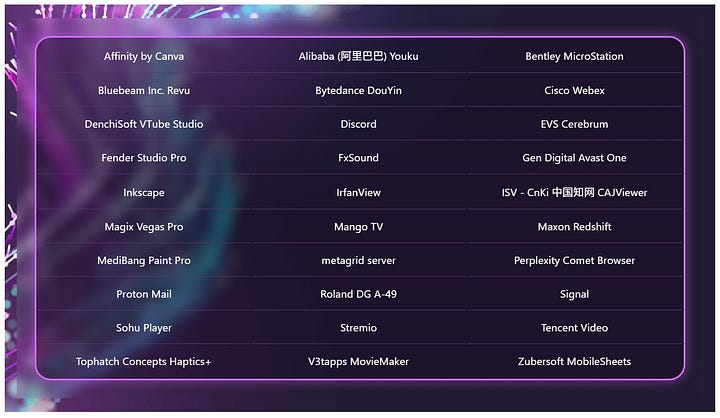
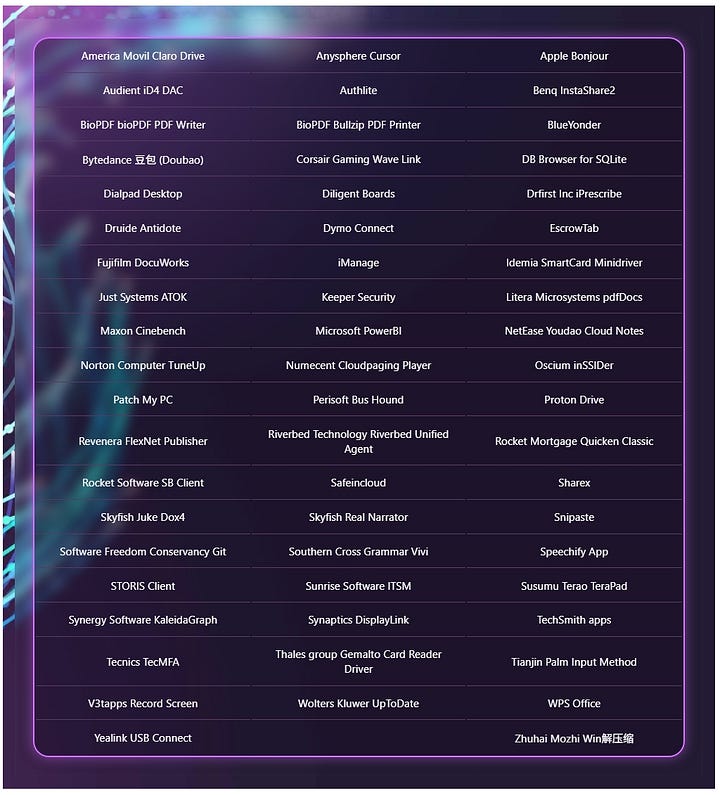
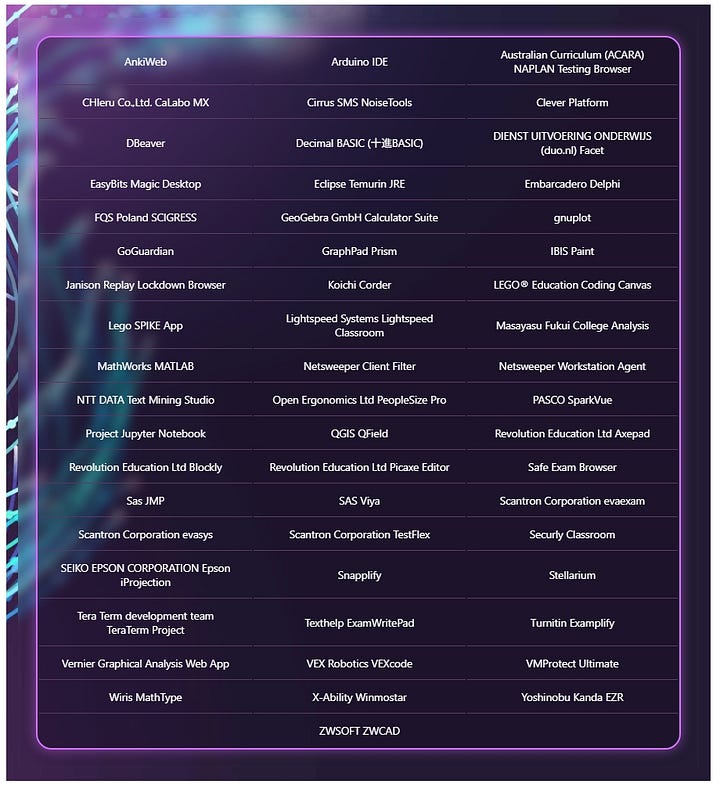
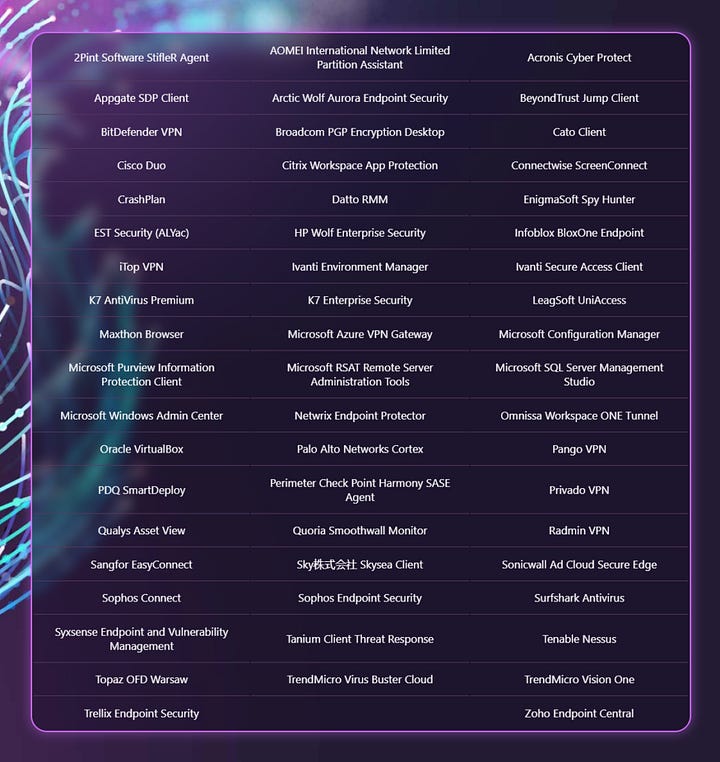
Microsoft also shared a list of common apps that are now Arm native. The productivity and creativity lists include Adobe’s Affinity suite, Inkscape, Perplexity’s Comet browser, Signal, and Proton Mail and Proton Drive, while the security list covers established enterprise names like Acronis Cyber Protect, Sophos, Trellix, and Microsoft’s Configuration Manager and Purview clients. The education and STEM category includes classroom software like Safe Exam Browser, MATLAB, and Turnitin, which means schools are a bigger part of Microsoft’s Arm push!
And yes, this compatibility even includes games. NVIDIA has recently announced at Gamescom that many new titles are coming to Windows Arm in one form or another, including porting some of the anti-cheat software to allow some of these titles to work properly.
Users are still sceptical, though
App compatibility on Windows on Arm has been solid for a while now, but the bigger issue is customer perception. Anyone who bought a Snapdragon X PC at launch in 2024 and had a rough time is unlikely to check back in on every driver and Prism update since, so Microsoft repeating this message ahead of RTX Spark’s launch may look like it’s trying to get ahead of the same skepticism before a new, more expensive class of hardware arrives this fall.
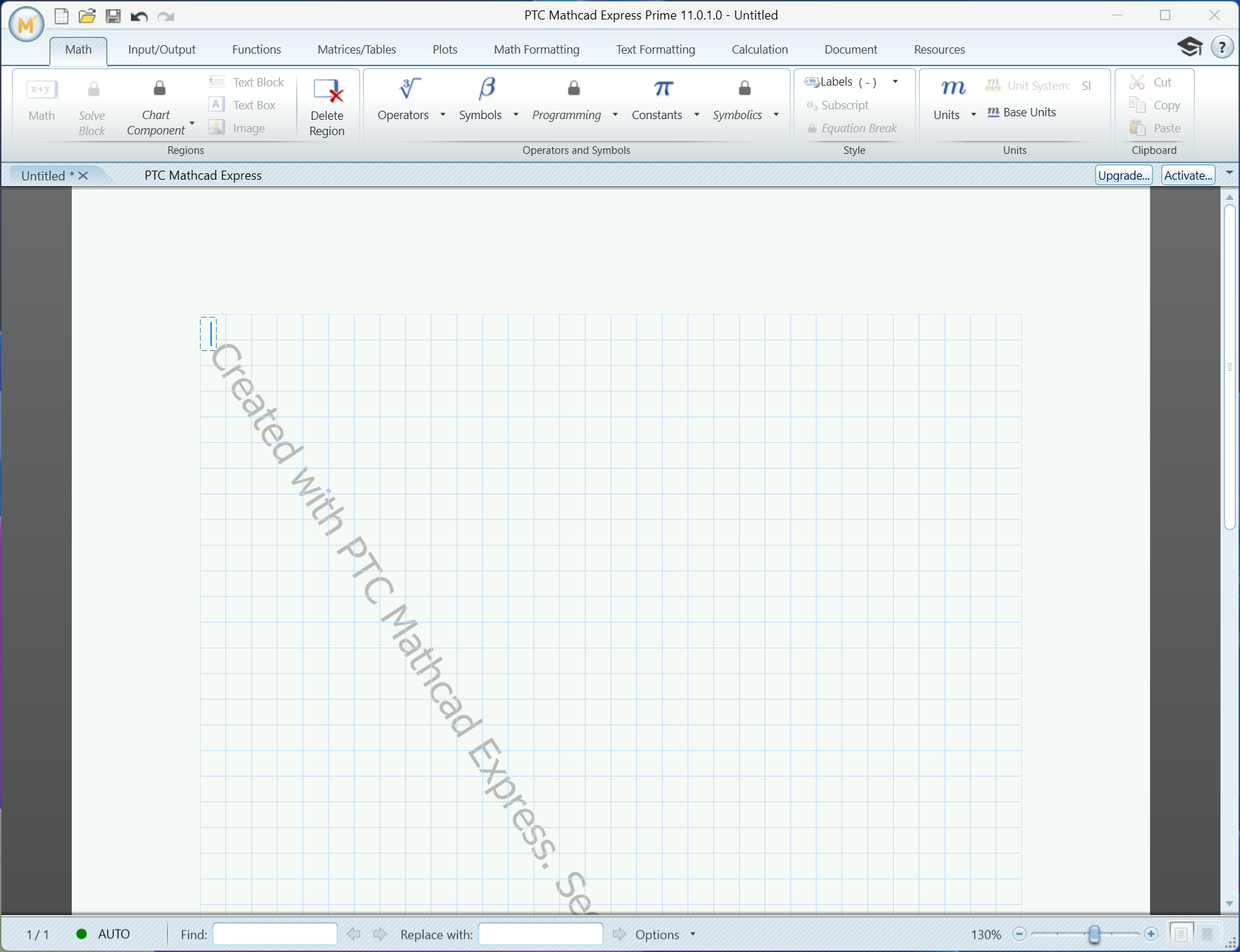
However, we ran our own compatibility test on popular apps earlier this year and proved that the software mostly works.
How Windows on Arm compares to Apple’s approach
Apple controlled both the hardware and the entire software stack when it moved the Mac to Apple Silicon in 2020, and it shipped Rosetta 2 as a stopgap while developers caught up, most of whom did within a year or two because there was only one Arm Mac platform to target.
Microsoft’s situation is structurally harder. Windows on Arm has to support Qualcomm’s Snapdragon X series, Nvidia’s incoming RTX Spark, and whatever OEMs decide to ship next, all while keeping decades of existing x86 software working through Prism. Reaching 7,000+ verified apps under those constraints is truly commendable.
What this means for the RTX Spark launch
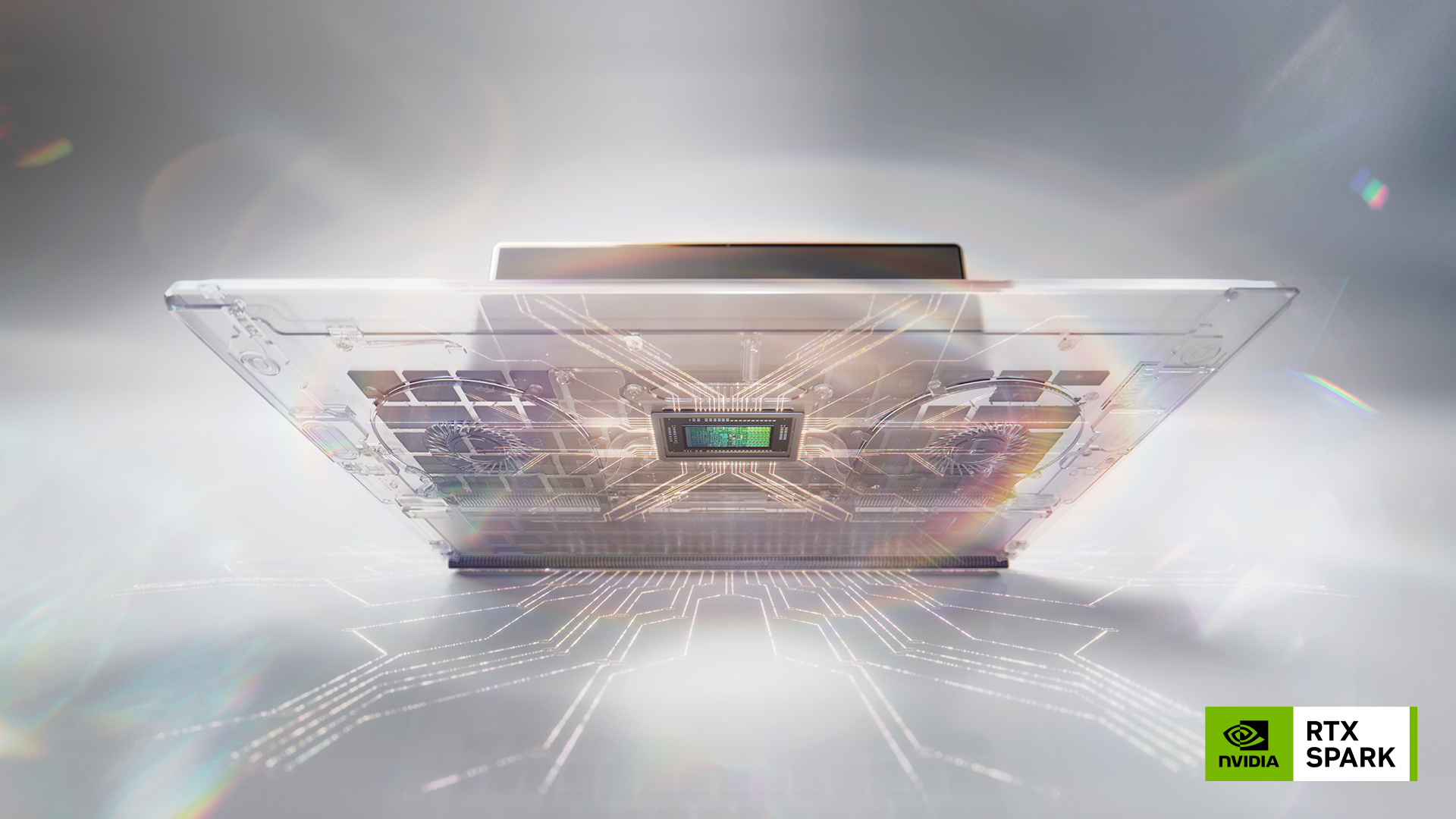
RTX Spark is a considerably bigger jump than Snapdragon X was. It pairs a 20-core Arm CPU with a full Blackwell RTX GPU and CUDA support, aimed squarely at creators and developers who need more GPU horsepower instead of efficient everyday computing.
Microsoft’s task scheduler has reportedly been rewritten to take advantage of that chip design, and Prism itself has been retuned for RTX Spark’s particular mix of CPU and GPU cores. Besides NVIDIA CEO already confirmed that the RTX Spark would run all apps that have ever run on Windows.
And as Microsoft says in its closing remarks:
“Windows on Arm is no longer defined by potential, but by a rapidly expanding ecosystem of devices with apps available across workloads that customers depend on most. As developers continue to invest in Arm-native experiences and compatibility, customers gain more choices, flexibility, and confidence in adopting the next generation of Windows devices.”
The post Windows on Arm just did what Windows RT couldn’t: run 7,000 apps and play games, Microsoft brags appeared first on Windows Latest