
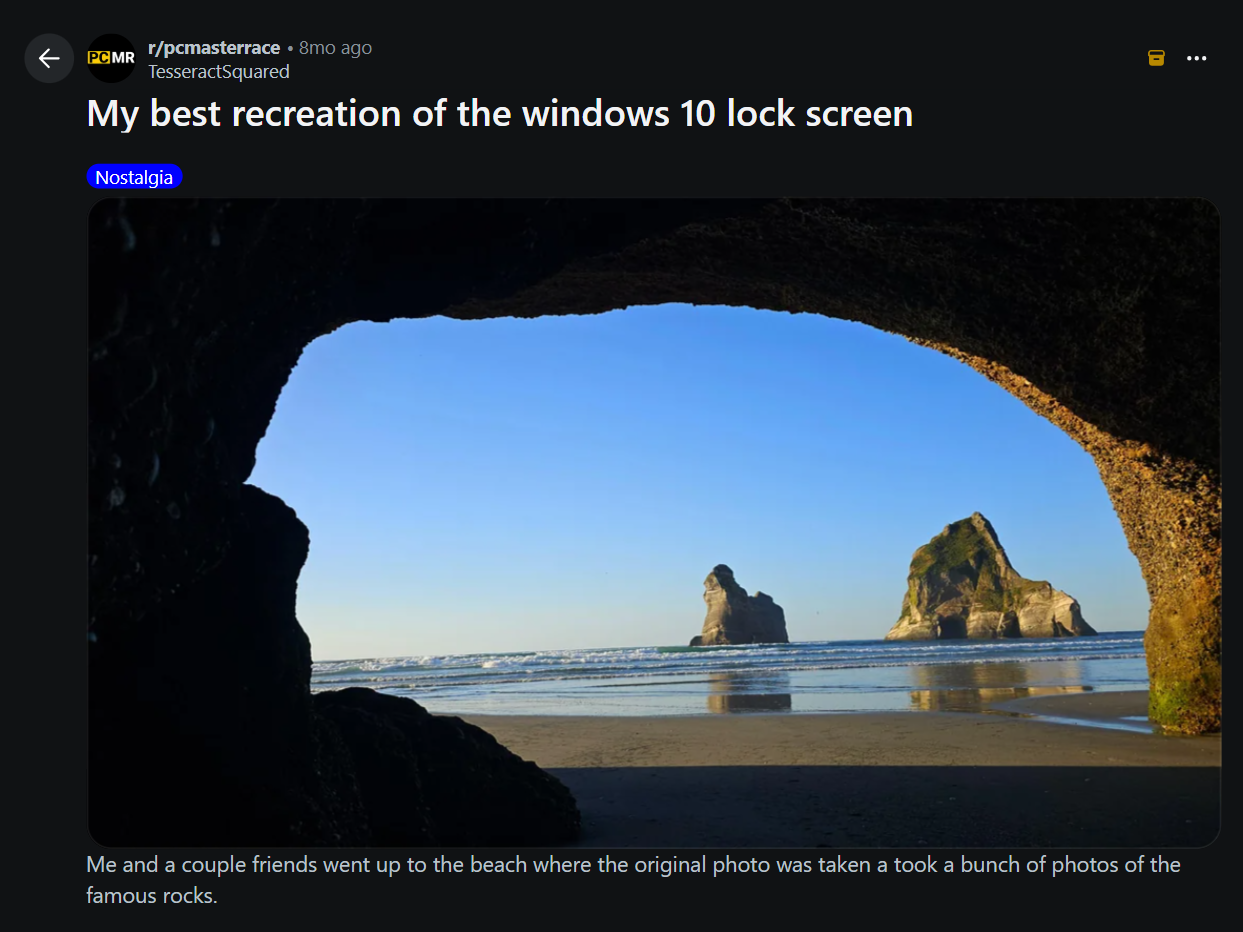
The Windows 10 lock screen photo, the sweeping shot of sea caves and dunes that greeted a billion desktops for a decade, has become a viral travel destination. Steve McCurry, the photojournalist behind National Geographic’s Afghan Girl, shot the image in New Zealand for Windows 10’s 2015 launch, and it turns out the location looks just as unreal in person as it did on your login screen.
A one-week-old Instagram reel showing off the spot now has 142 million views and 8.5 million likes, putting it among the most-watched pieces of content on the internet right now, for a photo most people only ever associated with clicking past to log in.
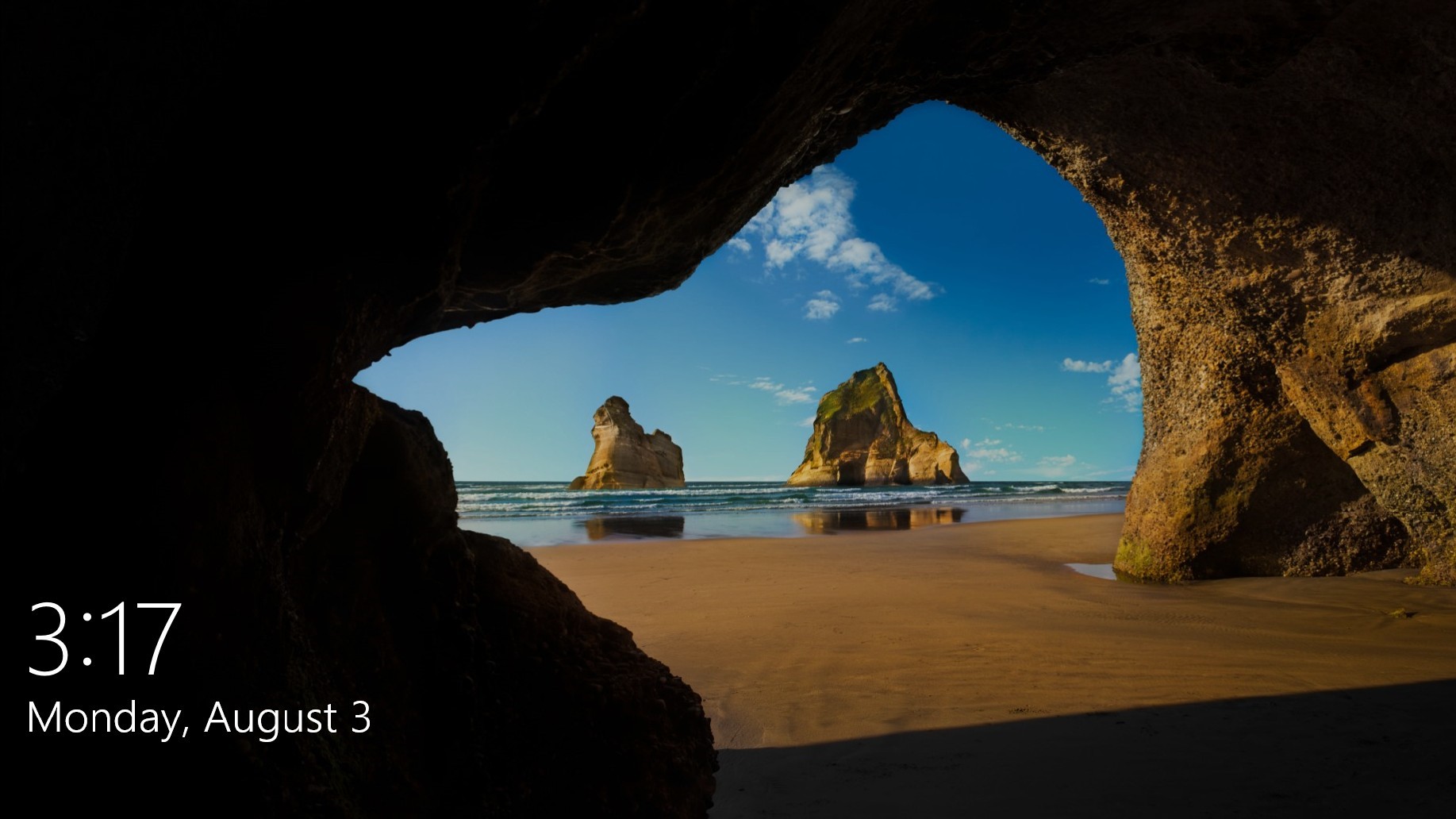
Windows 11 has picked up a reputation as one of the more disliked versions of Windows for a whole list of reasons. Windows 10, meanwhile, is still remembered fondly, and a big part of that comes down to human touches like this, with a human photographer and a nature-generated beautiful beach, both of which are real reasons people now want to visit it.
The Windows 10 default lock screen is now a bucket-list travel spot
Travel creators Sagar and Ami posted the Instagram Reel that kicked off this latest wave, showing their reaction to finally standing at the location.
“We thought the photos of Wharariki Beach were edited,” Ami wrote in the caption, “until we saw it in person. Giant sea arches, wild dunes, and sea caves, it genuinely feels like another planet. We came back twice in one day just to catch the sunset.”
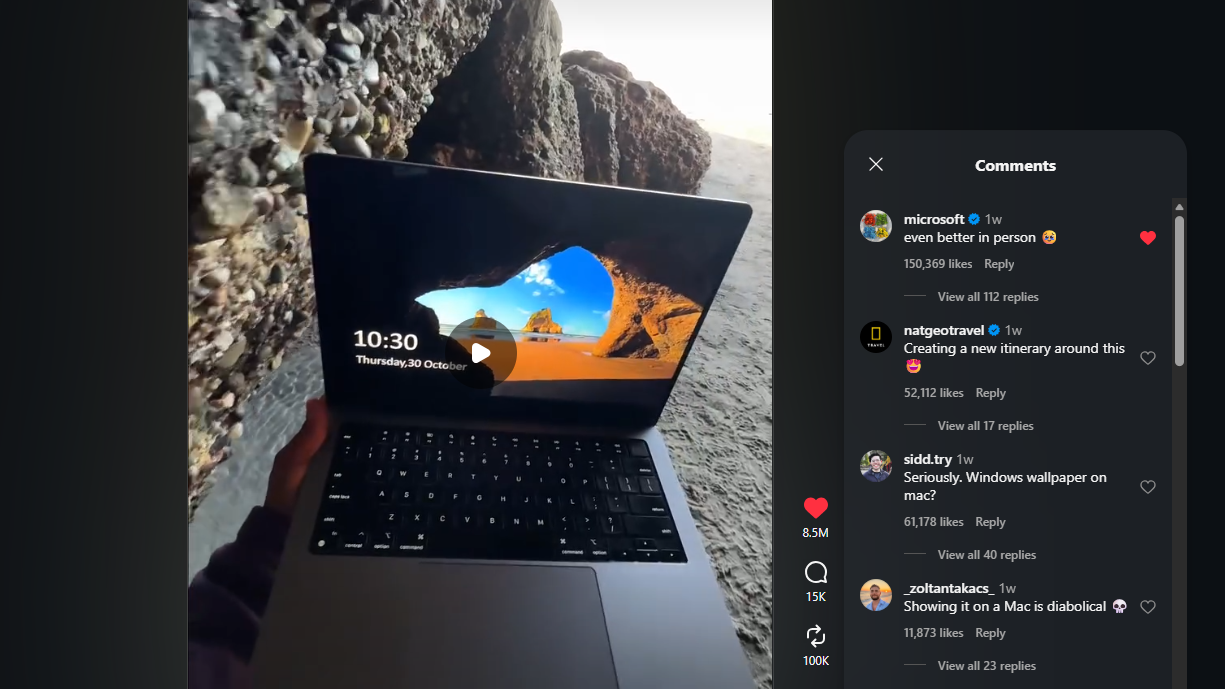
Interestingly, Microsoft’s official account showed up in the comments with “even better in person ,” which racked up 150,000 likes of its own.
Where is the Windows 10 lock screen photo located?
The photo is Wharariki Beach, a remote stretch of coastline at the northern tip of New Zealand’s South Island in Golden Bay. Getting there takes you in on a scenic drive from the town of Tākaka followed by a roughly 20-minute walk across farmland to reach the beach.
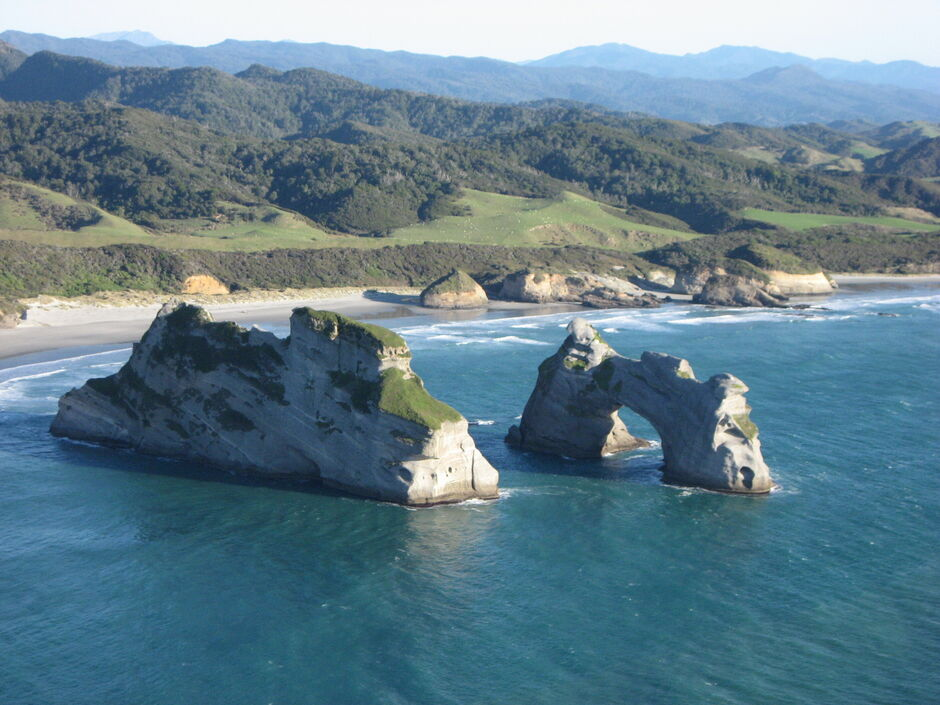
Low tide is the window you want if you’re hoping to walk through the sea caves and tidal pools, and locals warn that the wind off the coast can get brutal, so carry a windbreaker too.
Actually, the beach has already gone viral because of this Windows 10 lockscreen. Another Reel posted about a year ago by travel account @getlostwithliam, captioned “POV: You finally go see the Windows screensaver in real life,” already has more than 746,000 likes and helped turn Wharariki into something of a pilgrimage site.
As the post mentions, if you want to take a picture of the now nostalgic Windows 10 lock screen, go in late summer for the best weather, timing the visit around low tide, and budgeting a 40-minute drive plus a 20-minute walk from the car park.
Both videos feature MacBooks with the Windows 10 lock screen image
Both viral videos hold up a MacBook to recreate the lock screen, not a Windows laptop. Neither caption mentions Windows 10 by name either; one calls it a “Windows wallpaper,” the other a “Windows screensaver.”, when it’s actually the Windows 10 lock screen. The confusion is understandable since Windows 10 support ended last year, but a MacBook is still the creator’s laptop of choice, something that Apple has built a strong reputation around.
Who took the original Windows 10 lock screen photo
Microsoft reportedly commissioned McCurry alongside photographer Chad Copeland to shoot New Zealand locations ahead of the Windows 10 launch. Windows Wallpaper Wiki mentions Ekaterina Savtsova, who handled the retouching, and creative director Chris Raykovich, who did additional editing before the image shipped as the default lock screen photo.
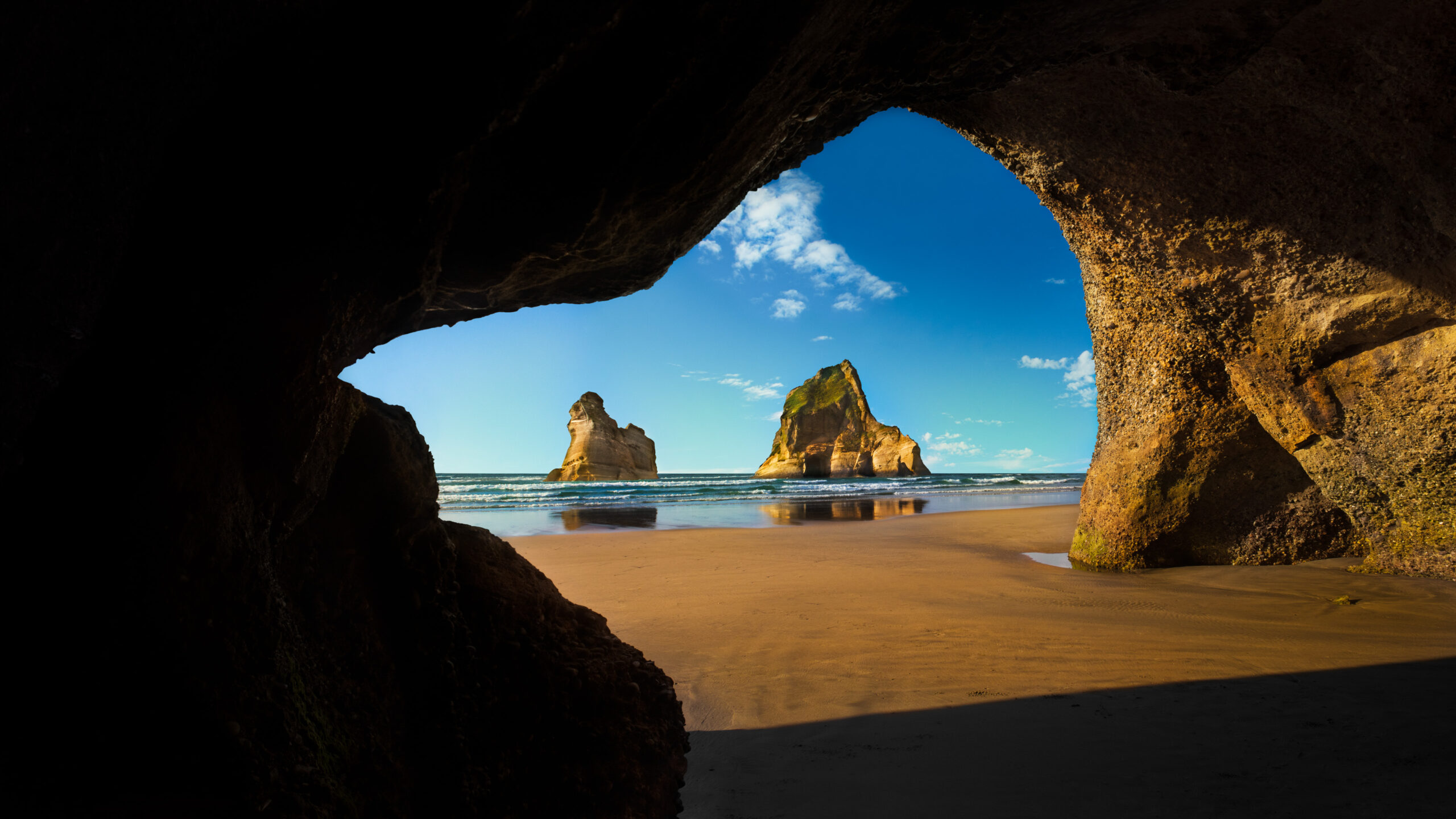
McCurry’s other claim to fame, the 1984 Afghan Girl portrait shot in a Pakistani refugee camp, remains one of the most recognized magazine covers ever printed, which makes it a little wild that his most-viewed work by sheer volume might be this one instead.
Reddit has caught the same wave. A post in r/pcmasterrace titled “my best recreation of the Windows 10 lock screen” picked up traction from people comparing their own attempts against McCurry’s original, and travel sites cataloguing Wharariki Beach now mention it by its unofficial nickname, the Windows wallpaper beach, alongside the official tourism listings.
But, of course, when we talk about the default lock screen in Windows 10, we can’t help but think about the originally misunderstood, and now legendary Windows 10 default wallpaper.
The story behind Windows 10’s most iconic image
Before the lock screen photo, Windows 10 shipped with a desktop wallpaper that has its own surprisingly elaborate origin story.
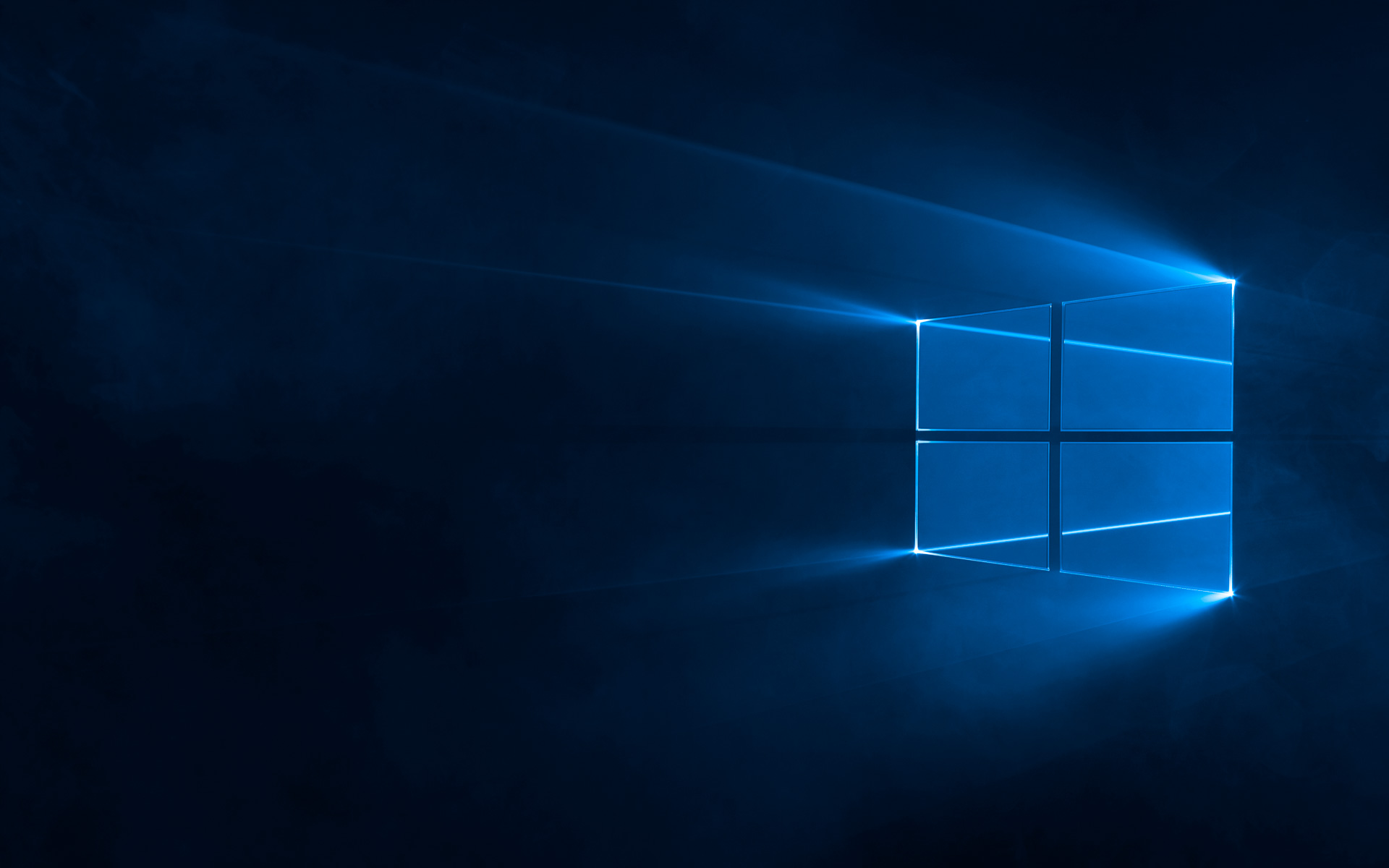
Creative director Bradley G. Munkowitz assembled a team in a San Francisco studio and built the Windows logo out of light, using lasers, haze machines, projectors, and a custom camera mapping technique to capture the glowing four-pane logo against a dark, misty backdrop.
If it wasn’t for this story, people would’ve thought that the default Windows 10 wallpaper was a computer-generated artwork. It wasn’t. It was a physical light installation, photographed like a studio shoot, just to make a desktop background.
And today, in a sea of AI-generated images, something that took hours of physical labour and days of prep work gives a lot more meaning to an OS wallpaper that was on the screens of a billion devices.
However, Windows has had wallpapers people remember by name before, and it goes back further than this.
Old Windows is aging into nostalgia
Windows XP’s Bliss, the rolling green hills shot by Charles O’Rear in Sonoma County, is cited as the most-viewed photograph in human history, seen by an estimated billion-plus people since 2002.
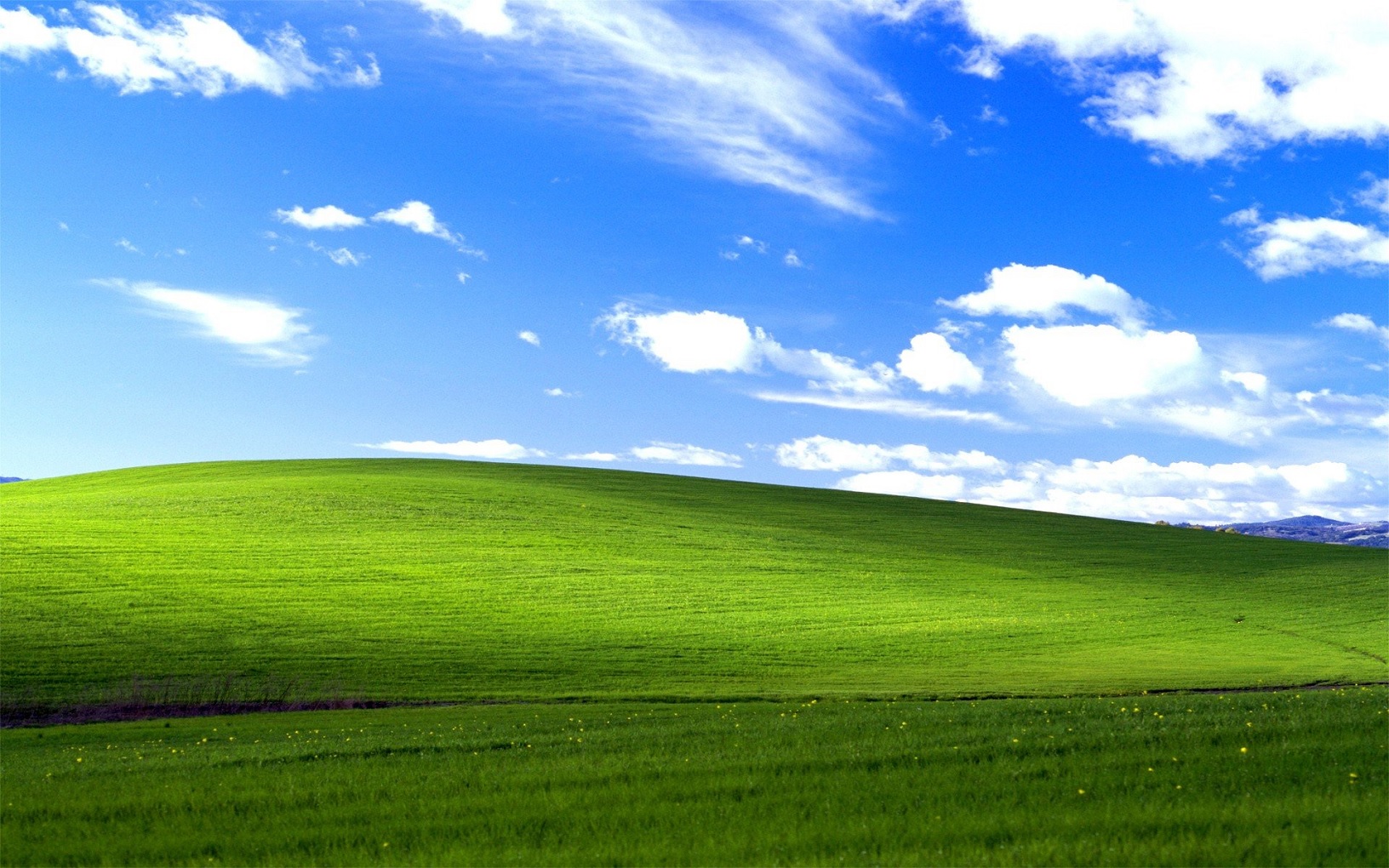
But Bliss wasn’t XP’s only memorable wallpaper. Home, with the exterior of a dark pink house with blue windows, and Autumn, with its saturated fall foliage, both became and still are as recognizable to anyone who spent the early 2000s clicking through Display Properties looking for something new.
Windows also had some great startup sounds across those eras, and Microsoft recently hinted at bringing that attention to sound design back after the original Windows 11 chime’s sound designer rejoined the team. Windows 11’s startup sound is fine. It’s just missing the depth that made the XP and Windows 7 chimes stick in people’s heads for two decades.
Windows 11 doesn’t have a soul
Windows 11 launched as a fresh coat of paint over Windows 10, which was fine, until Microsoft started layering in web-based React elements and WebView2 across large parts of the OS, driving up telemetry, RAM usage, and general sluggishness in the process.
Then came Copilot. Cortana, for all its faults, at least felt like it had a personality. Copilot has felt more like a corporate entity (which it is) instead of a personal assistant, and such machine-friendly additions over human-friendly ones is a big part of why Windows 11 became one of the most criticized versions of Windows to date.
Instead of memorable wallpaper stories, for Windows 11, Microsoft’s Bing Wallpaper app opens a browser tab to Bing.com if you click your own desktop. It was a setting turned on by default. It’s the kind of dark pattern that makes Windows 11 feel like it’s not built with us users in mind.
Microsoft is trying to make Windows more likeable
To be fair, this year has brought real changes. Microsoft overhauled the Windows Insider Program down to two clearer channels, and committed publicly to fixing Windows 11’s quality and fundamentals this year.
The long-requested movable taskbar finally shipped after five years of being removed, and Microsoft is pushing WinUI and Fluent Design across more of the OS, replacing the same legacy dialogs and dated visuals that made Windows 11 feel inconsistent.
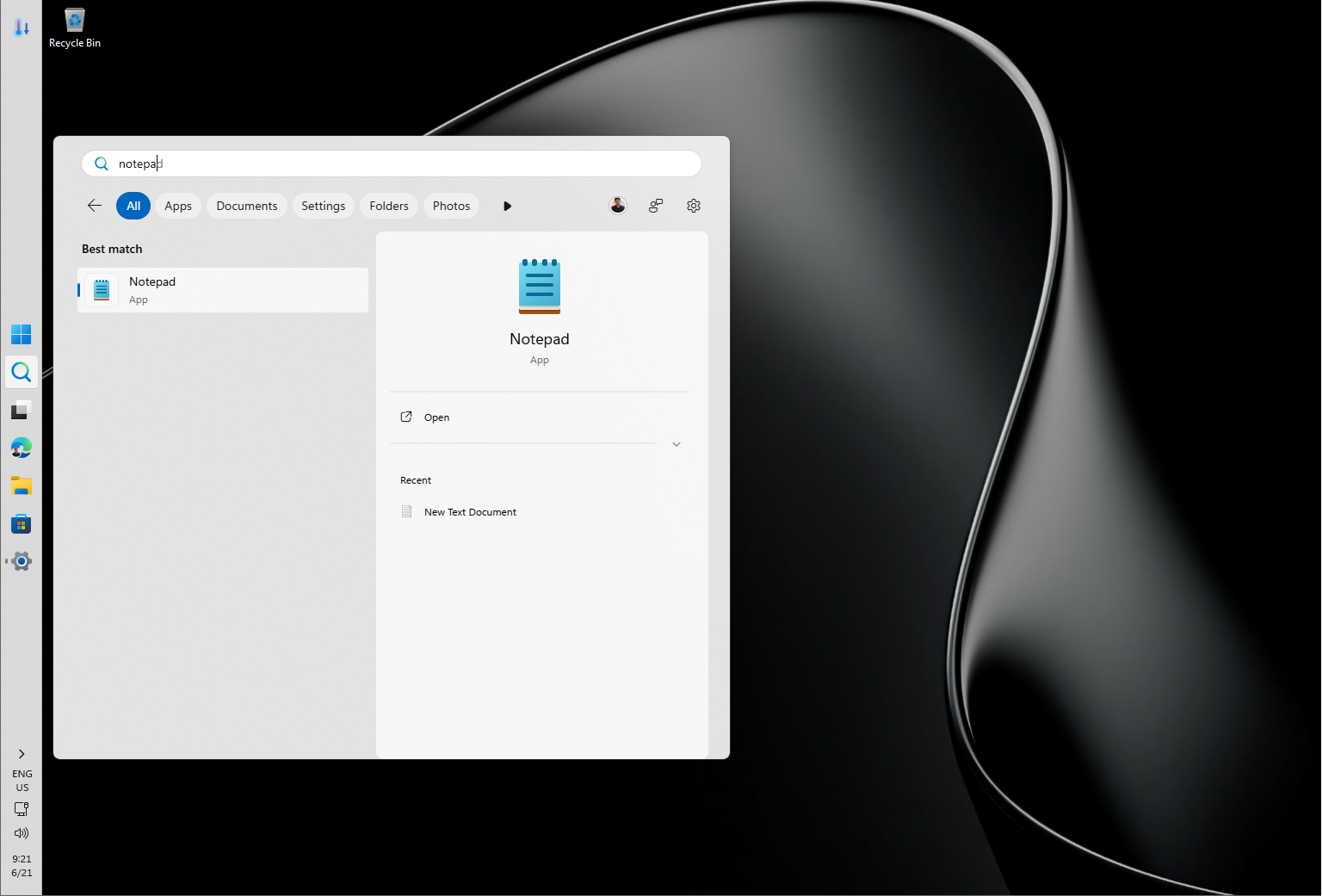
Performance is getting attention too, with Microsoft promising Windows 11 will run better on 8GB RAM PCs by the end of 2026. Microsoft is putting in real effort here. But is it enough?
Every time we cover both the good and the bad and post about either of them, the response online is still overwhelmingly negative.
The next big Windows 11 update needs to be an event
Wharariki Beach going viral is a reminder of what people respond to in the first place: something human, something real, something with a story.
Windows 11 could use more of that spirit. More privacy by default, more transparency about what Microsoft is collecting, useful features instead of upsells, and real choice for the users.
Microsoft is delivering on some of this, but piecemeal rollouts spread across the year clearly aren’t landing the way the company hopes.
Maybe the answer is a proper yearly Windows event, the way Apple does WWDC, showing off meaningful changes in one keynote instead of drip-feeding them through Controlled Feature Rollouts all year. Insiders can already test everything ahead of time, so there’s no real reason changes need to trickle out quietly.
Which is your favorite Windows wallpaper or lock screen of all time?
The post The Windows 10 lock screen photo is becoming a travel destination, and it’s a real New Zealand beach appeared first on Windows Latest