
Microsoft has finally admitted what we have been reporting for almost a year: Windows 11 PC sales were largely driven by Windows 10’s end of life, not AI PCs. On the other hand, OEMs such as HP still insist that AI PCs are driving Windows 11 sales. But that’s far from the full picture if you take Microsoft’s new data into account.
Microsoft reported massive fiscal fourth-quarter 2026 revenue of $90.0 billion, beating Wall Street expectations and sending its stock soaring.
During the earnings call, Satya Nadella also confirmed that Windows 11 needs serious “quality work” and promised a major update focused on the fundamentals.
In the same report, Microsoft noted that Windows OEM and Devices revenue decreased by 7%, while Windows OEM revenue fell by 5%. But why have PC sales declined even when AI PCs are supposedly selling like hotcakes? It turns out that much of the previous growth was driven by Windows 10’s end of support.
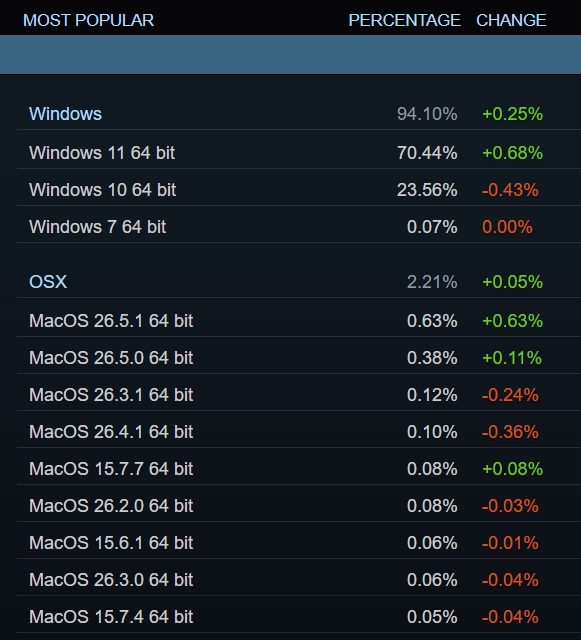
Thanks to extended security updates and users refusing to upgrade, Windows 11 adoption has now slowed.
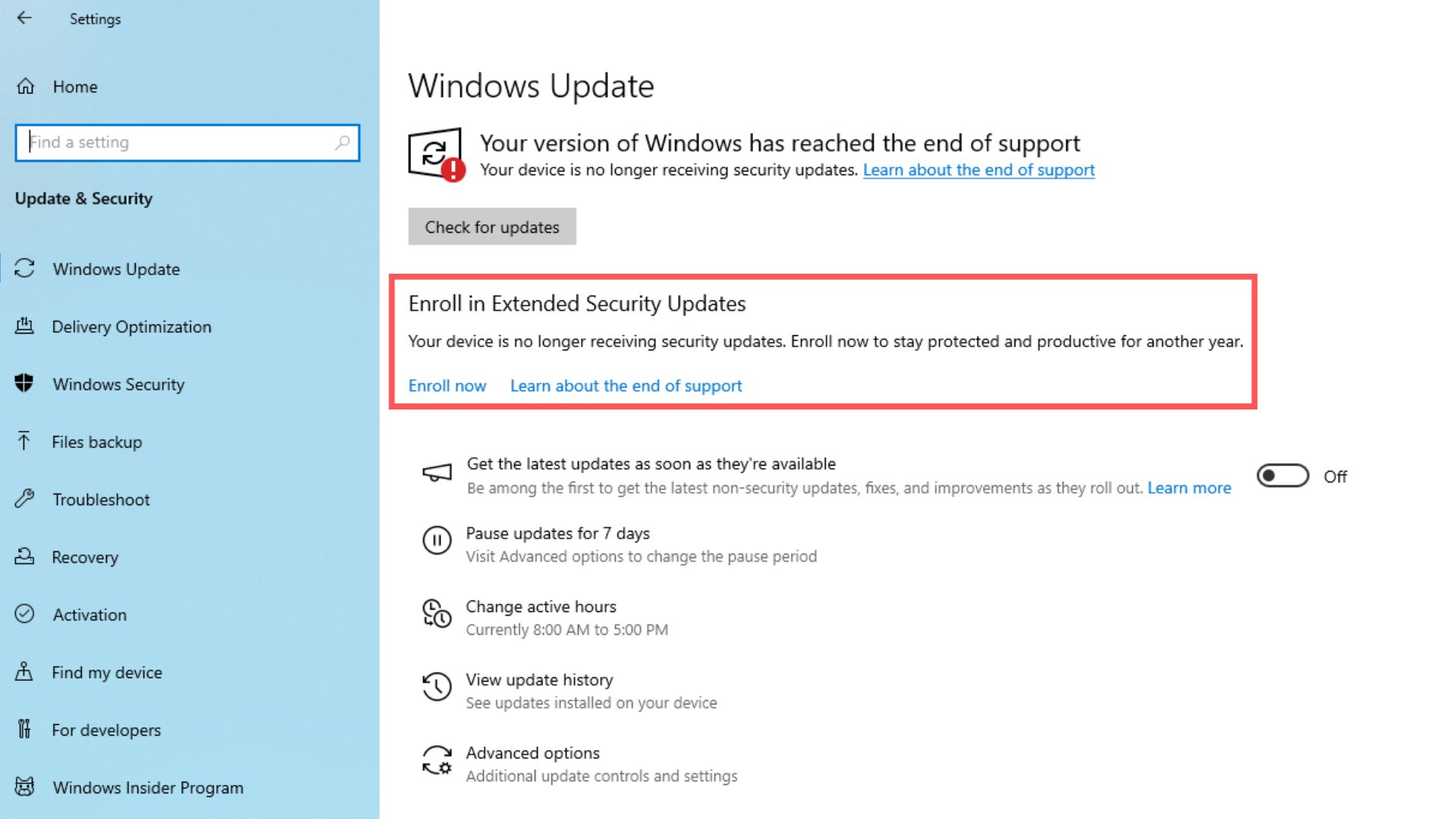
If you read between the lines and pay close attention to Microsoft’s language over the past few quarterly reports, it’s quite obvious that the company has admitted much of the growth in 2025 was driven by Windows 10’s end of support.
“Windows OEM and Devices revenue decreased 7%, and Windows OEM decreased 5% driven by lower PC market demand and a high prior-year comparable that benefited from Windows 10 end of support,” Microsoft noted during the earnings call, as first spotted by Windows Latest.
“Results were ahead of expectations as OEM and channel partners continued to build inventory given increasing component prices.”
Microsoft says it’s fully supporting Windows 10 for another year
Windows 10 support has been extended by another year to October 2027, and at this point, even Microsoft knows that convincing the remaining holdouts to upgrade will be a challenge. That’s also why it is choosing to remind users via email that they can extend Windows 10 support instead of simply nagging them to install Windows 11.
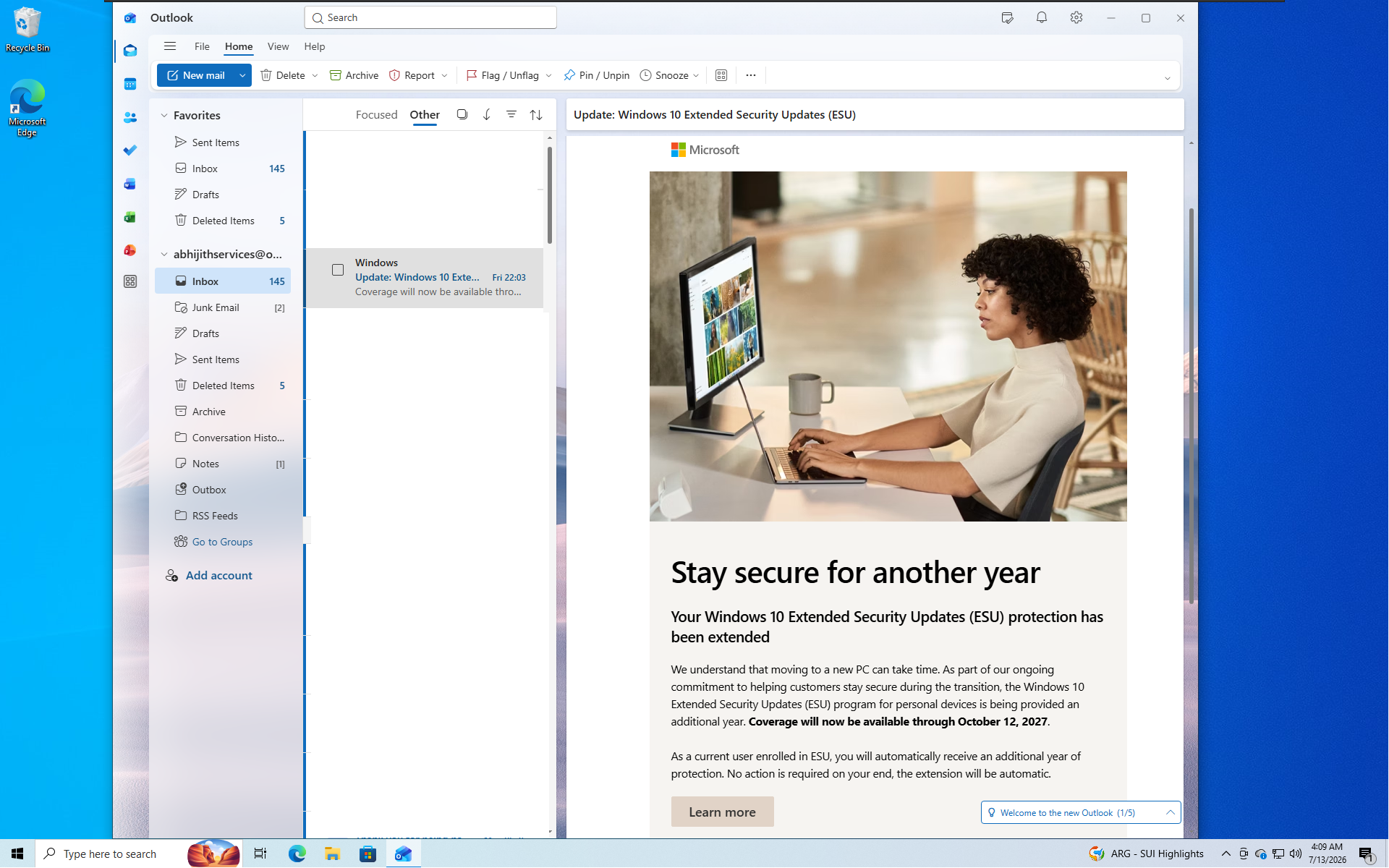
If you don’t use Windows 10, you might not have received this email, in which Microsoft says you can “secure support for another year.” The email is being sent to people who use a Microsoft account on a Windows 10 PC, including those who have already enrolled in extended support.
Instead of reminding users that the first year of extended support is coming to an end, Microsoft is choosing to tell them that Windows 10 is still supported and that they have more than a year to decide whether Windows 11 is a good fit.
At this point, I wouldn’t be surprised if support is extended to 2028 if the adoption rate remains slow.
In fact, Windows 10’s 2027 extension was quietly confirmed in an updated support document, which would have gone unnoticed if we had not been tracking the company’s documentation using the Web Archive.
HP says AI PCs are driving sales. The numbers tell a different story.
HP is the clearest example of an OEM still pushing the AI PC narrative. Karen L. Parkhill, HP’s Executive Vice President and Chief Financial Officer, told investors in late May 2026 that roughly 30% of HP’s installed base is still on Windows 10. Three in ten PCs still running an operating system Microsoft tried to retire in October 2025 is a large enough number to shape a whole earnings call.
“We did see good growth in both EMEA and APJ this quarter. And some of that was driven by the expected tailwinds from Win 11. And I would say, at this point, we have roughly 30% of the installed base still on Windows 10,” Parkhill said.

Ketan Patel, President of HP’s Personal Systems business, framed that remaining 30% as an opportunity, though. “One, still Windows 11, 30% of the installed base is still to be refreshed. So, that’s one tailwind, which we see as an opportunity in the short run,” Patel said, before adding that AI at the edge is the other growth driver he expects to hold through the rest of the year.
The growth HP is describing is coming from Windows 10 holdouts finally being pushed to refresh their hardware, not from people lining up for local AI features. HP is choosing to frame that migration as a win for AI PCs.
Dell already walked back its AI PC bet months ago
Dell reached the same conclusion earlier and acted on it faster. At CES 2026, Dell said it was scaling back its AI PC push and returning attention to gaming, build quality, battery life, and displays instead. “We’re getting back to our roots with a renewed focus on consumer and gaming,” a Dell executive said at the event.
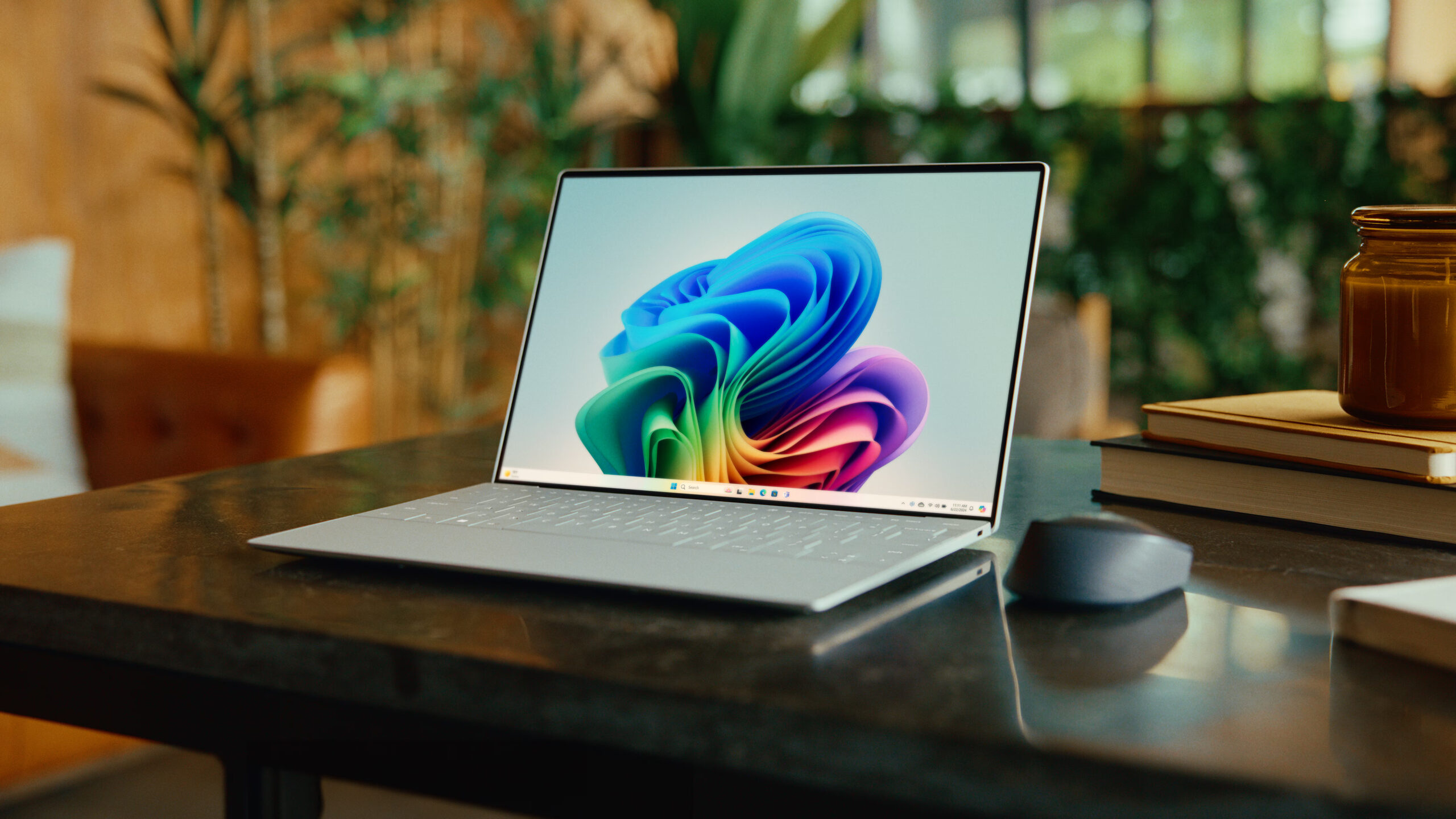
Dell’s shift was not marketing talk either. In 2025, the company had gone all in on AI branding, retiring familiar product lines like XPS, Inspiron, and Latitude in favor of a simplified Dell, Dell Pro, and Dell Pro Max lineup built around the “AI PC” pitch.
Jeff Clarke, Vice Chairman and COO of Dell Technologies, said at a CES 2026 event: “It was obvious we needed to change.” XPS came back in 2026, and Dell is dialing down how hard it depends on local AI as a selling point.
During its Q3 2026 earnings call, Clarke revealed that Windows 11 adoption was running 10 to 12 points behind where Windows 10 had been at the same stage of its own rollout, and that many customers were holding on to older PCs.
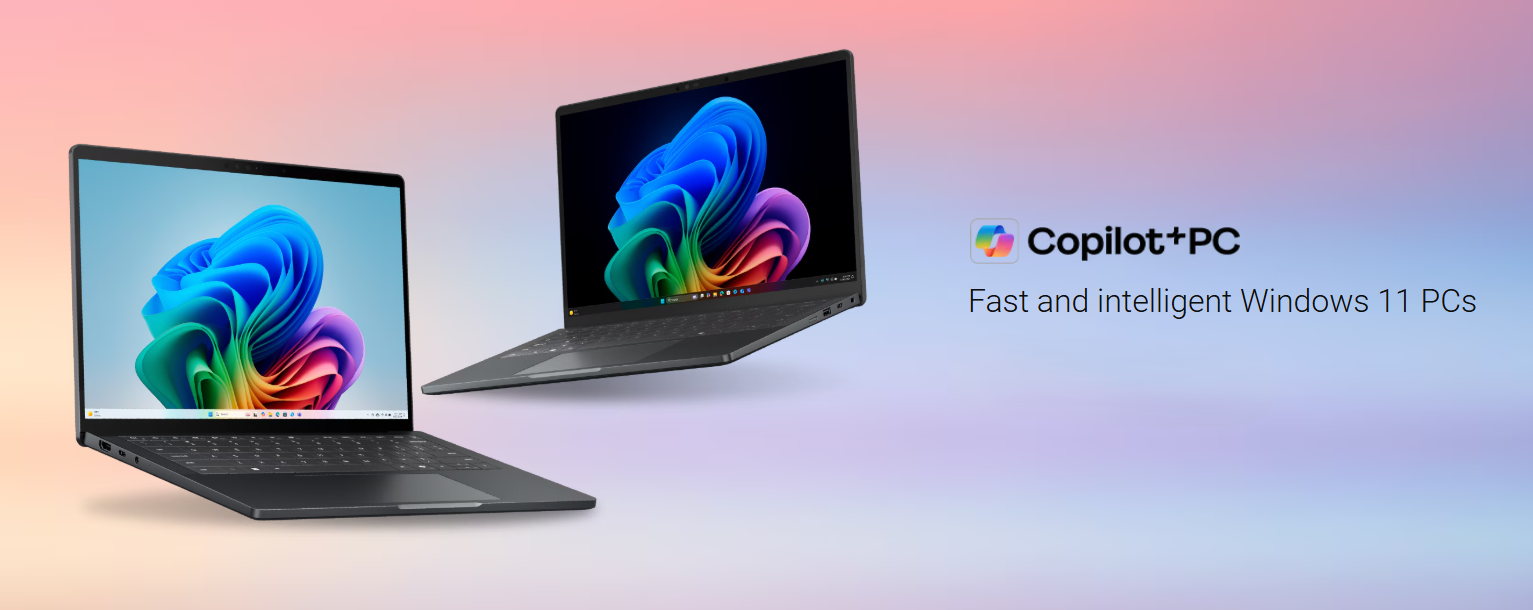
Dell still keeps Copilot+ PC branding on its new hardware, since Microsoft requires it, but the company’s numbers pushed it to stop pretending AI features were what would move units.
Microsoft is left with a problem heading into 2027
The company’s numbers about the 7% drop in Windows OEM and Devices revenue, a forecast decline in the high teens to low twenties for next year, and an on-the-record admission that a “high prior-year comparable… benefited from Windows 10 end of support” all tell us that the AI PC pitch has not been the thing that could move hardware. It was Windows 10’s retirement.
With another Windows 10 extension already granted and adoption still sluggish, the company can’t get any help from the end-of-support panic to drive upgrades the way it did in 2025.
Nadella’s promise to focus on “fundamentals” for Windows 11 looks like the only lever left to pull if OEMs like HP are going to have a real AI PC story to tell next time around.
The post Windows 10 users were right: Microsoft admits its end of support was the real Windows 11 sales driver appeared first on Windows Latest