
For the past two years, the Windows ecosystem has felt like a glowing billboard for Microsoft’s artificial intelligence ambitions. But the era of forcing AI down the throats of consumers is quietly coming to an end, or so it seems.
The loudest siren of retreat, by far, didn’t come from a polished press release, as the one Microsoft announced in March, but from a deleted X post. Earlier this week, Xbox CEO Asha Sharma announced a major leadership reshuffle to get the gaming brand “back on track.” In her recent statement, she dropped a bombshell on X, saying, “As part of this shift, you’ll see us begin to retire features that don’t align with where we’re headed. We will begin winding down Copilot on mobile and will stop development of Copilot on console.”
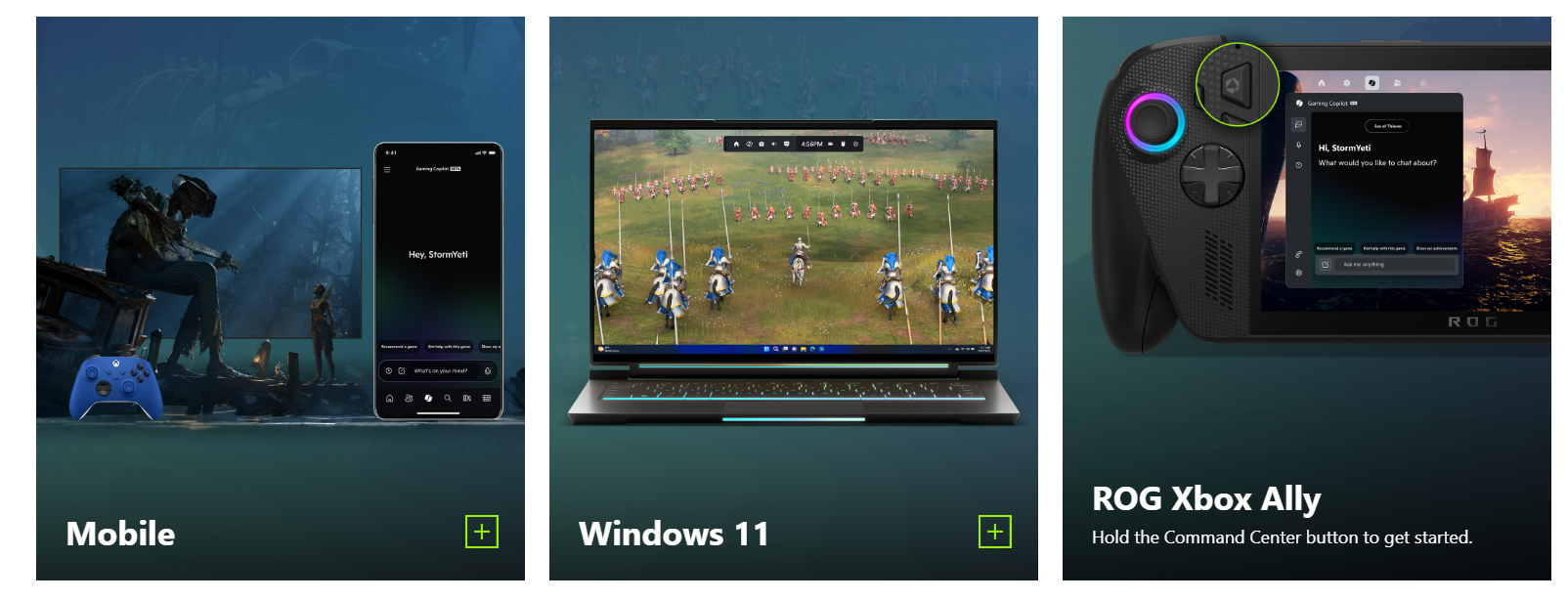
If the head of Xbox publicly executing the company’s flagship AI product wasn’t surprising enough, the reaction from Microsoft’s AI leadership certainly was. Jacob Andreou, the recently appointed Executive Vice President of Copilot, quote-reposted Sharma’s announcement with a startling admission, saying, “It’s critical that we remove Copilot from places where it doesn’t live up to its promise. Thank you for the partnership on this @asha_shar !!”

Shortly after posting it, Andreou deleted the tweet.
Yes, deleting the post is a massive deal as it suggests that while the internal mandate to clean up the Copilot mess is very real, the corporate optics of admitting defeat are still highly sensitive. But you can’t un-ring that bell. The EVP of Copilot just confirmed what many of us have been screaming for months: Copilot has to be removed from areas where it doesn’t belong.
Commitment to Windows 11 quality and the great Copilot renaming
To understand where Copilot is going, we have to look back at what Microsoft committed to earlier this spring. On March 20, 2026, Pavan Davuluri, President of Windows and Devices, published a landmark blog post outlining Microsoft’s renewed “commitment to Windows quality.” It was, for all intents and purposes, a peace offering to the user base, promising fewer disruptions and a deliberate pullback on AI bloat.
The good news is that we are already seeing this execution in real-time. In our recent coverage of the Windows Insider progress report, we noted that the first target for Copilot’s removal was the inbox apps.
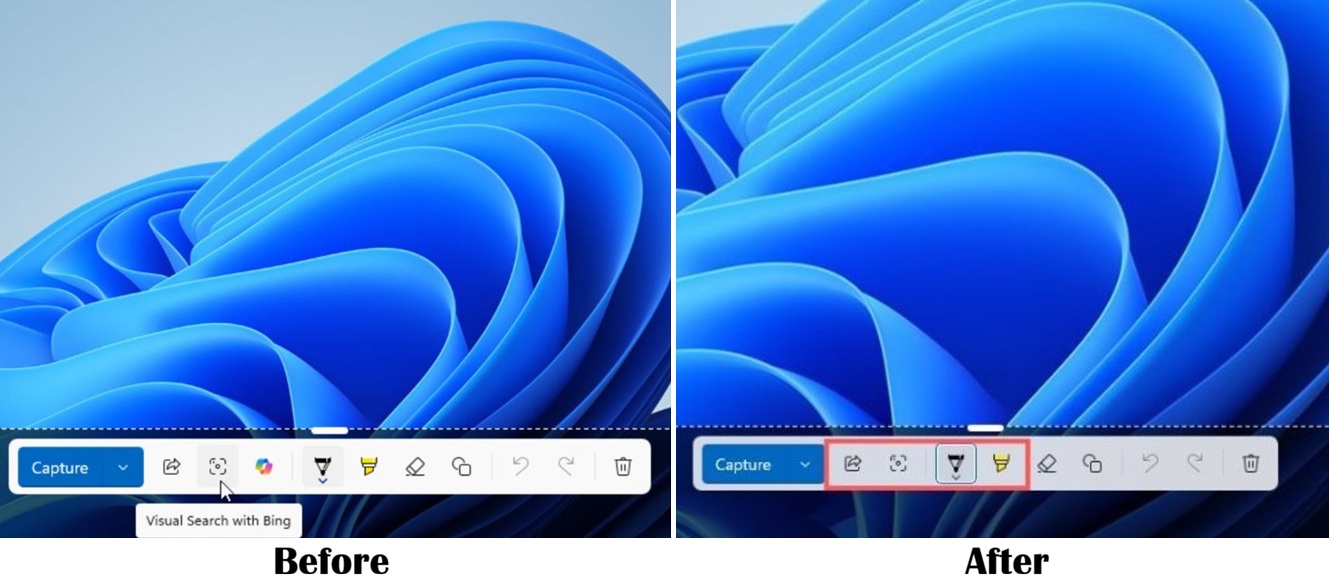
Microsoft has quietly and entirely removed the “Ask Copilot” button from the Snipping Tool and the Photos app.
In Notepad, the jarring, colorful Copilot logo that sat in the top right corner has been stripped away. The generative AI functionality remains, but it has been renamed to a far more utilitarian “Writing Tools”.
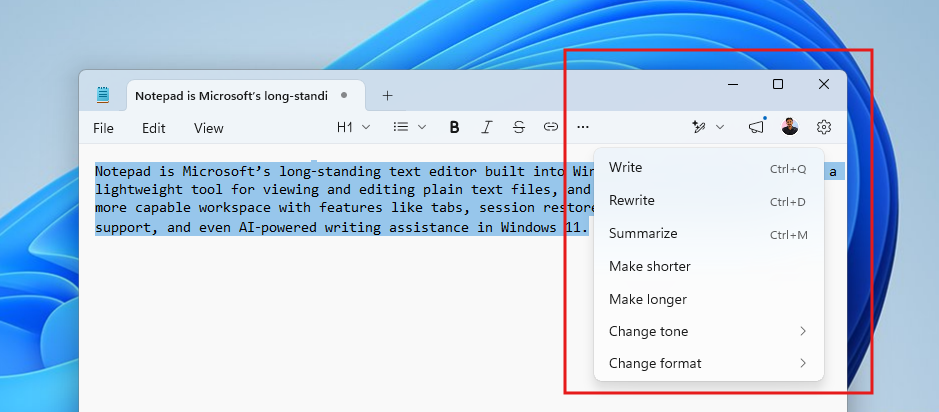
The way I see it, Microsoft is no longer trying to make “Copilot” a household brand on the desktop; they are trying to make AI invisible. By replacing the overarching Copilot branding with context-specific names like “Writing Tools,” Microsoft is admitting that users want functional software, not a ubiquitous, talking chatbot monitoring their every move.
“Everything Everywhere All At Once” with Copilot and the Windows 11 crisis of 2025
When Copilot first launched, the reception was actually quite positive. It was a fascinating novelty, and with competition in the AI sector stiffening, Microsoft made a massive, multi-billion-dollar gamble on OpenAI. To ensure a return on that investment, the corporate directive was to make everyone use Copilot.
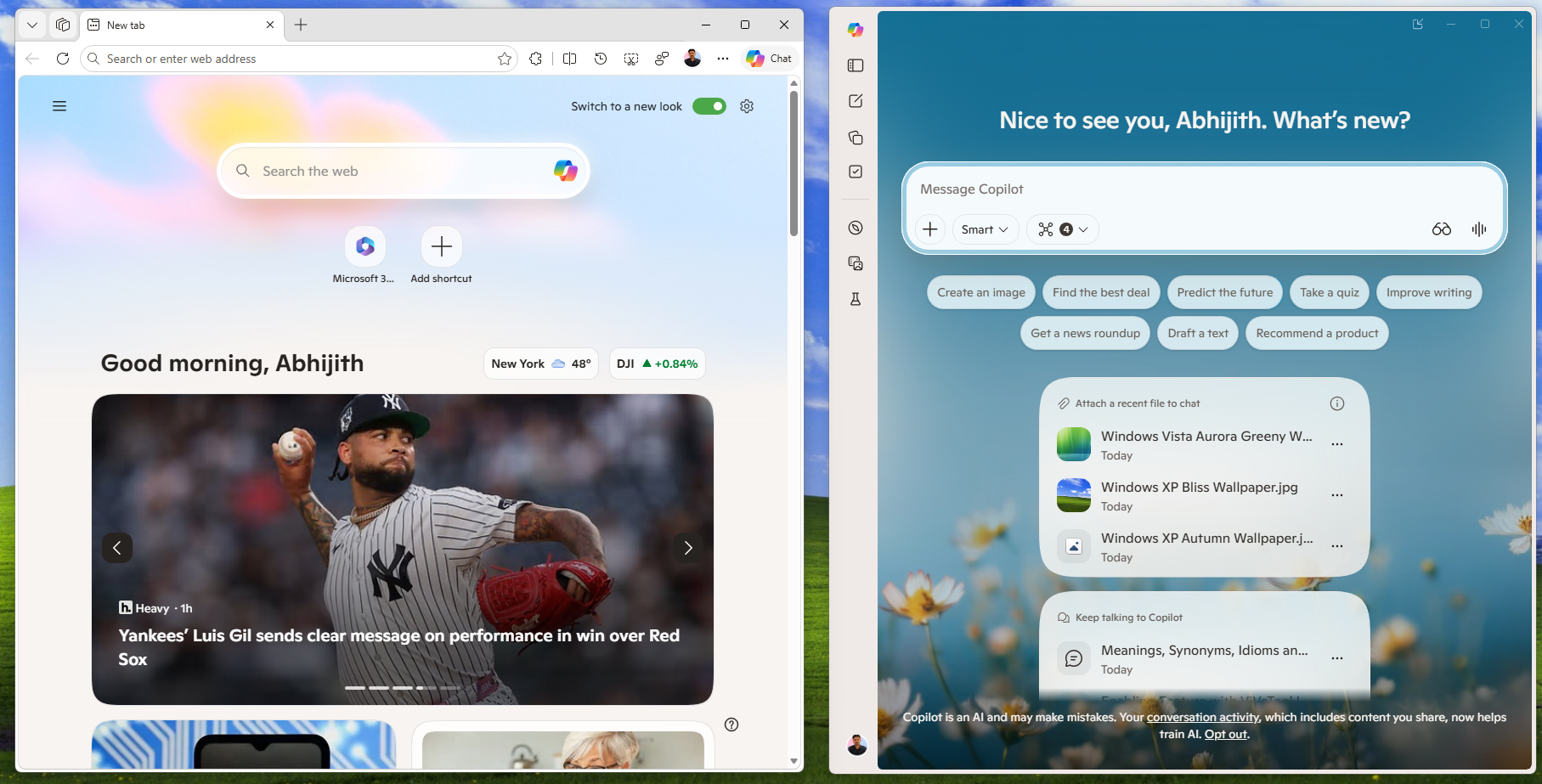
Microsoft did the unthinkable and started pasting the Copilot brand on everything. Office 365 became Microsoft 365 Copilot. The Windows taskbar was hijacked by the Copilot icon. Edge was swallowed by it, and it is still continuing as Microsoft’s browser starts to look like Copilot with excessive rounded corners.
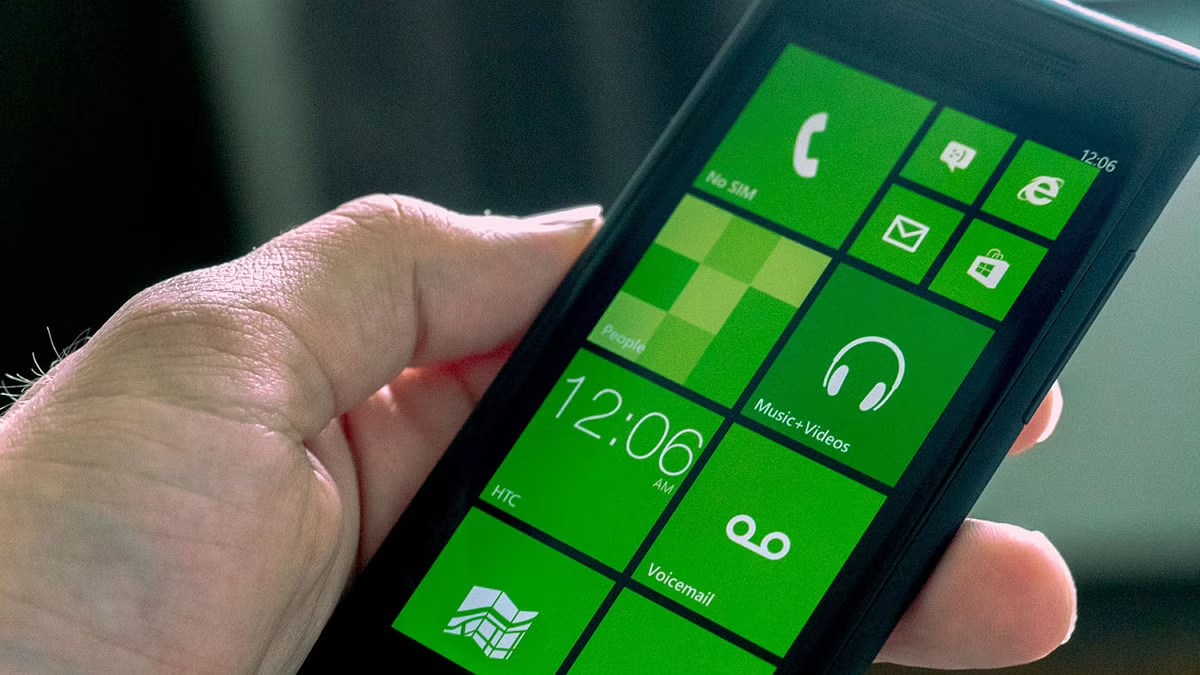
But, as with Microsoft’s Tablet PC in 2001, Windows Phone UI in 2010, HoloLens in 2016, Surface Duo in 2020, and many other things, the issue is timing.
Microsoft forced this massive AI integration just as Windows was suffering through one of its worst development years in recent memory. Throughout 2025, Windows 11 was plagued by severe bugs. From security updates that made business PCs unable to boot, to sluggish File Explorer performance and broken dark mode elements, the operating system was falling apart.
In the middle of this technical crisis, CEO Satya Nadella proudly announced during a candid chat with Mark Zuckerberg that 20 to 30 percent of the code in Microsoft’s repositories was now “written by software.”
It was a PR disaster. Users connected the dots, thinking Windows 11 is broken, Microsoft is using AI to write its code, therefore, Copilot is ruining Windows. The Copilot brand became the scapegoat for every system failure, crash, and glitch. The hatred reached such a fever pitch that the community coined the term “Microslop,” a moniker that gained so much traction that Microsoft was forced to ban the word from its official Discord servers. The AI brand had become entirely toxic to the consumer base.

Copilot is popular in Enterprise with 20 million subscribers
If Copilot is so universally despised by consumers, why is Microsoft still so deeply invested in it?.
While enthusiasts and gamers were busy mocking the AI integration, Microsoft’s enterprise division was printing money. In a recent earnings call, Microsoft revealed that they now have over 20 million enterprise users paying for the Copilot subscription, which is a staggering 33% increase from just a few months prior.
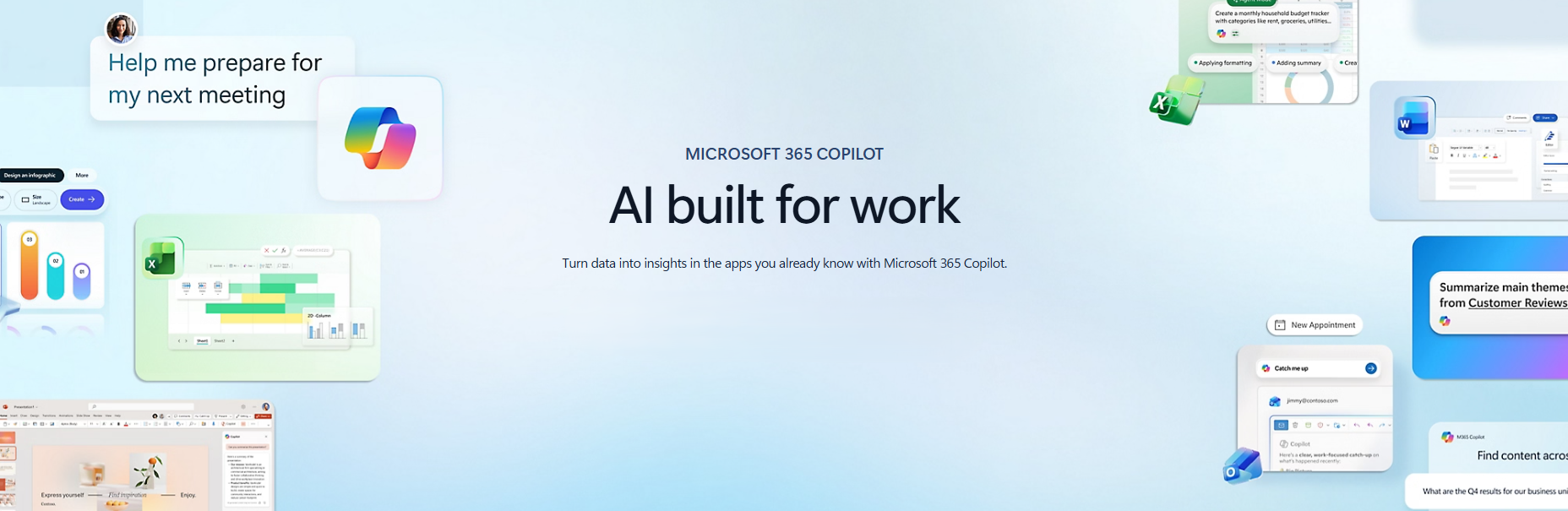
According to Satya Nadella, weekly usage of Copilot in the enterprise sector is now on par with the Outlook email service. So, Copilot is a massive financial success when used to summarize corporate spreadsheets and draft PR emails, but it is an absolute failure as a consumer-facing “personal assistant” for gamers and everyday PC users. Microsoft is slowly waking up to this reality, and that explains the removal of the tool from Xbox and consumer apps.
The MacBook Neo was a major catalyst
Even with enterprise money rolling in, Microsoft couldn’t afford to let the Windows brand completely rot. Of course, they didn’t act out of the goodness of their hearts, but because Apple forced them to.

While Windows 11 was bleeding reputation throughout 2025, Apple launched the MacBook Neo. Priced at a highly aggressive $599, the fanless, A18 Pro-powered laptop fundamentally disrupted the entry-level PC market. Apple was already successful in training buyers to expect incredible battery life, performance and a clean, ad-free software experience at a price point that Windows OEMs used to dominate.
Millions of users who were holding onto aging Windows 10 machines, refusing to upgrade to Windows 11 due to its reputation for Copilot bloat, ads, and bugs, jumped ship to macOS. Microsoft’s own OS was actively driving potential switchers into the arms of Apple’s cheapest, most compelling laptop ever.
This existential threat is what ultimately birthed the March 20th commitment to Windows 11 quality. Microsoft realized that if they didn’t pull out the bugs, silence the AI, and fix the core performance of the OS, the MacBook Neo would permanently erode their consumer market share.
Where is Copilot headed?
So, what is the endgame for Copilot and Windows? The strategy moving forward is a massive divergence. While Windows 11 gets fixed, Copilot gets a promotion to the enterprise back-office.
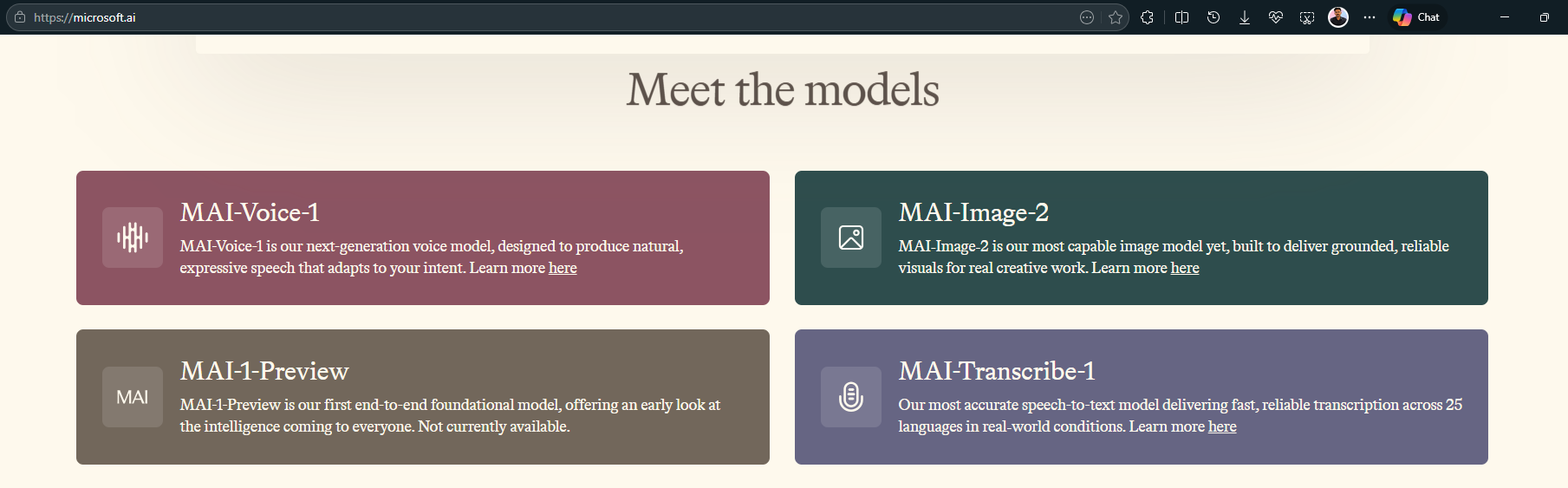
Microsoft is absolutely not backing down from AI development. In fact, they are going all in. The company recently released a suite of new AI models, including advanced voice and text transcription models, as well as their second-generation in-house image model, MAI-Image-2.
The software giant has also opened up the Microsoft 365 Copilot ecosystem to support third-party models, including Anthropic’s highly capable Claude Opus 4.7
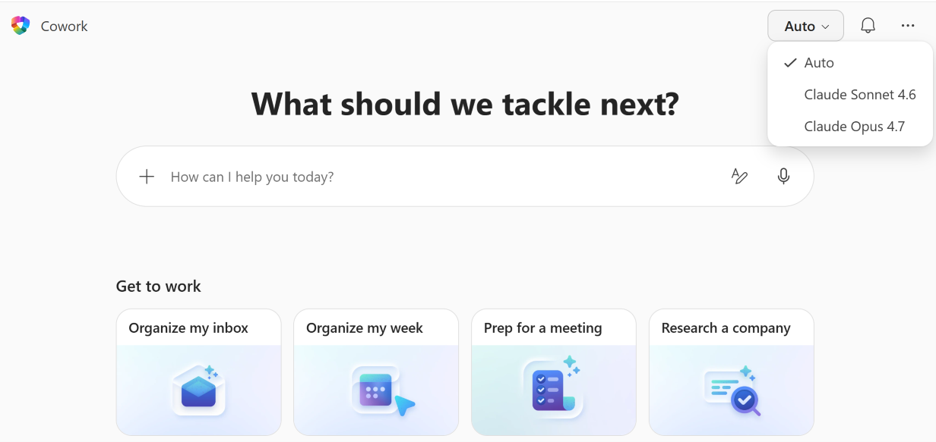
Microsoft is building “agentic” capabilities, which are AI that operates in the background of Microsoft 365, performing multi-step tasks across documents and workflows. Copilot is maturing from a consumer gimmick into a corporate workhorse.
Meanwhile, Windows 11 is being left to a fix-it team. Leaders like Marcus Ash (Windows Insider lead) and Tali Roth (Head of Product for Windows Shell) have been incredibly active on social media, listening to community feedback, and pushing out tangible performance updates. As we reported about fixes coming to File Explorer, this team is actively untangling the messy codebase that strangled the OS in 2025.
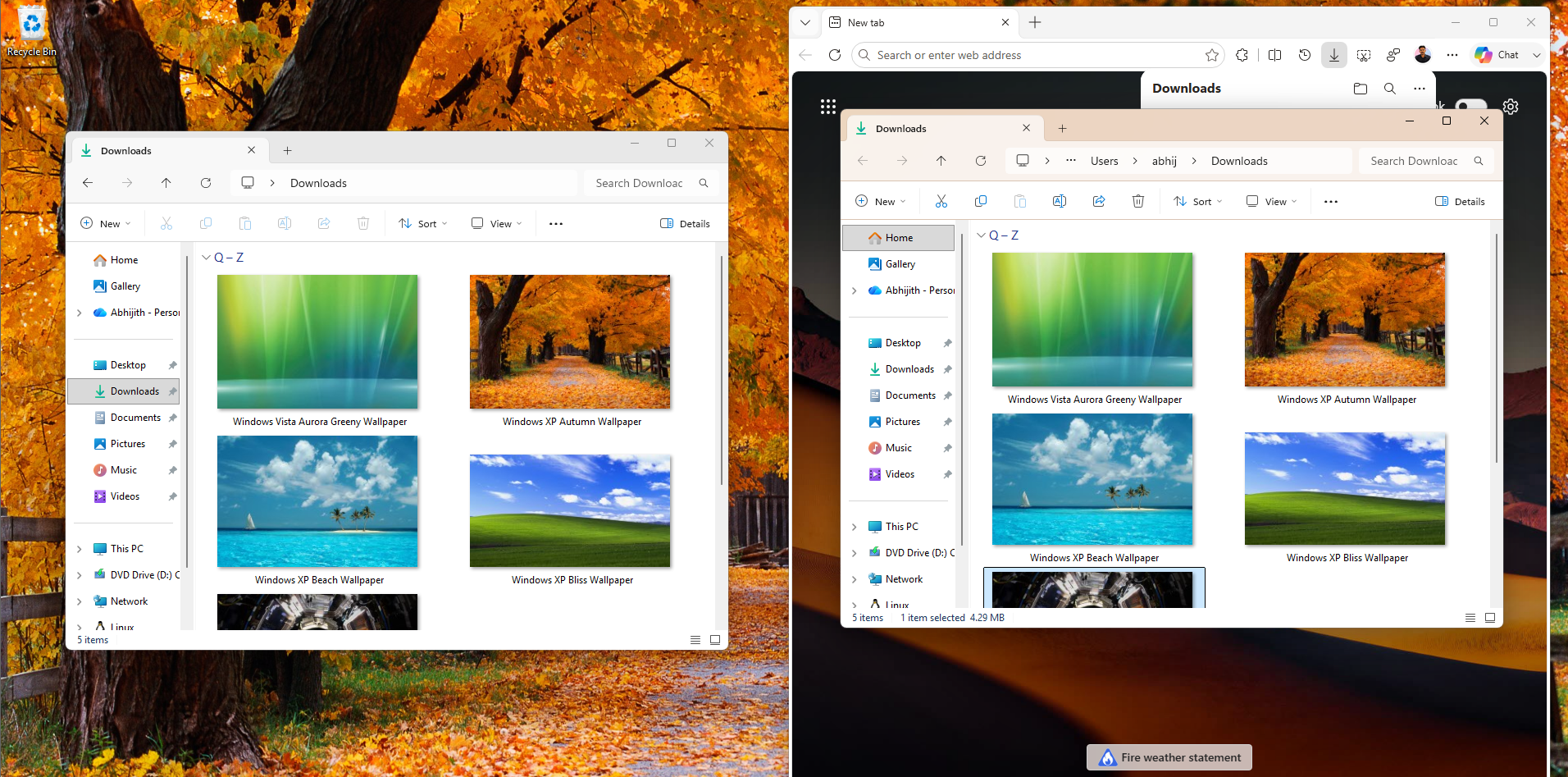
However, what baffles me is the silence from the very top. While the Windows engineering team is actively engaging with the community to repair the OS, CEO Satya Nadella hasn’t made a single public statement or post about Windows in months. His focus is entirely on enterprise AI and cloud infrastructure, which might be a good thing as things stand!
The era of the Copilot+ PC as a consumer necessity is quietly being phased out (the branding is still alive, though). AI on Windows will soon just be an invisible, unnamed tool, like a spellchecker or a calculator. It will be there when you need “Writing Tools” in Notepad, but it won’t demand your attention. Microsoft learned the hard way that when it comes to an operating system, users don’t want a co-pilot; they just want to fly the plane themselves.
The post Windows 11 pulls back AI as Microsoft plans to remove Copilot where it doesn’t meet its promise appeared first on Windows Latest