
Microsoft is aware of the “framework gap” that pushes developers to the web or other frameworks, and it just rolled out one of the biggest updates for WinUI. Today’s update adds support for TableView, chart controls, and even addresses one of the bugs that contributed to memory growth on Windows 11.
The update is Windows App SDK 2.5 Experimental, released on September 29, and it finally adds WinUI 3 TableView and Chart controls. More importantly, it includes fixes for WinUI memory growth.
If you remember, Microsoft confirmed at the Build 2026 developer conference that WinUI is Windows 11’s flagship native framework, and it’s going to catch up eventually in all areas.
It also admitted that WinUI is still a mess in some areas, and there’s a framework gap where other frameworks, even though they’re not native, have more features than WinUI.
For example, until now, you couldn’t build a WinUI app that supports TableView and Chart controls using Microsoft’s own native controls. It might not sound like a big deal unless you realize how many apps could actually use these controls
WinUI did support some of these controls through community-made efforts, but these basic features have been missing from Microsoft directly. You can’t expect a “flagship” framework to not even natively support charts, right?
Until now, quite a lot of users, and even developers, believed that Microsoft’s promises to make WinUI better were just “words,” as it’s not the first time the company committed to a framework and later abandoned it.
In fact, WinUI was a part of a big push during the early days of Windows 11, but at some point, it started looking like the framework was dead, and even Microsoft moved some of its own apps to the web.
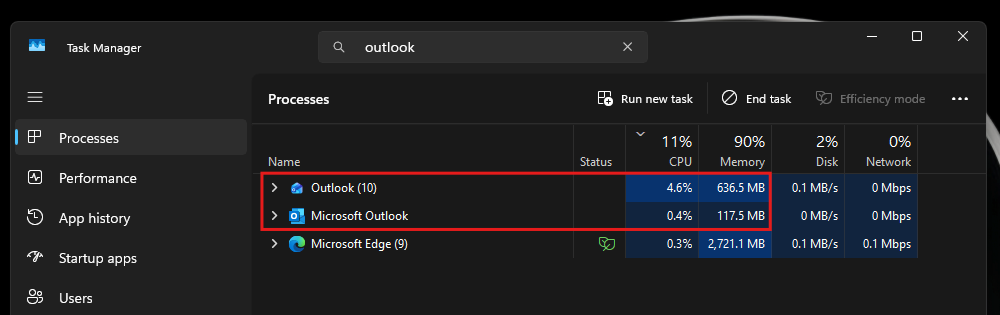
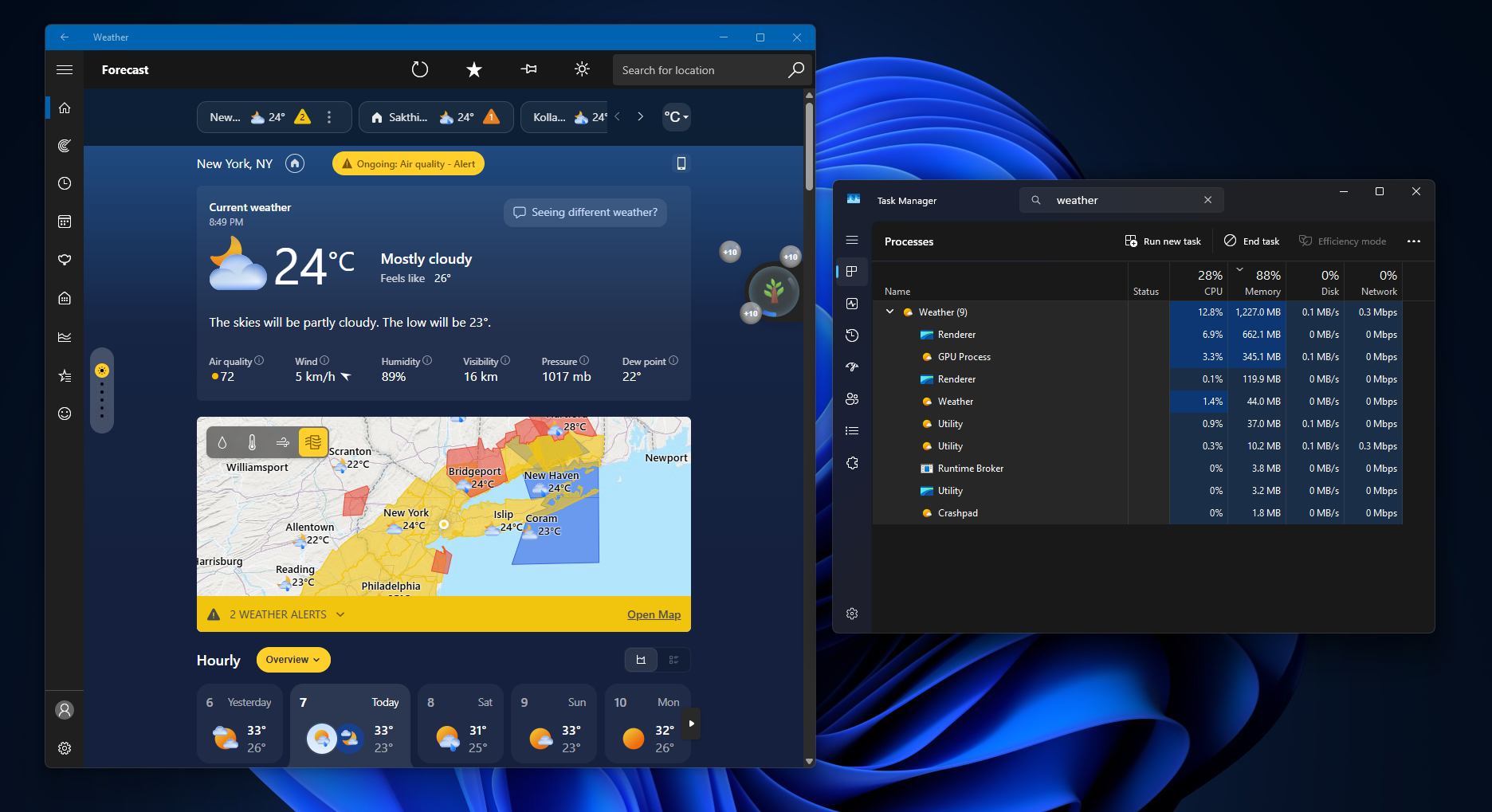
You’ve got apps like MSN Weather or even the Start menu using web components, and its flagship products, such as Outlook and Teams, are web crap.
Microsoft is shipping the WinUI controls it promised at Build
At Build 2026, Chris Anderson from Microsoft’s Windows UI team shared the following statement:
“We have DataGrid and Charting that are up and coming that should be out relatively shortly,” Anderson said during the session. “These will be showing up in the core WinUI bits and will allow you to go after a lot more of these data-oriented scenarios.”
With Windows App SDK 2.5 Experimental, you’re getting TableView with grouping, templated group headers, sorting and filtering with column-header sort indicators, pointer and keyboard column resizing, and optional tooltips for cells and column headers.
Moreover, WinUI Chart control support has also landed in this release, and as I noted, it’s a big deal because native Windows apps have lacked some of the most basic controls enterprise developers expect out of the box. It pushed developers to other frameworks, such as Electron.
Microsoft also fixed WinUI memory growth issues
Windows Latest observed that the Windows App SDK update also has a critical fix that should reduce memory usage for some modern apps.
According to Microsoft, WinUI had a bug where memory usage could grow when apps repeatedly created visual-state storyboards or resolved static or theme resources.
And that reminds me that Microsoft made it clear that performance is one of the areas where WinUI lags, and it can do better.
“The first and foremost is performance, fundamentals, quality, fixing a lot of bugs,” Anderson said ai Build 2026 developer conference.
He also noted that WinUI can sometimes use more memory, but it’ll eventually get better because Microsoft has heavily invested in improving memory usage, and it’s necessary given the rising cost of RAM.
“On the performance side we’ve invested heavily in really improving memory usage as well as switching over to a system compositor which should yield some even better performance improvements,” Anderson said.
We’re finally seeing some of these improvements, but they’ve only landed in Windows App SDK Experimental, so users and developers won’t automatically receive the benefits immediately.
Microsoft previously also said that it’ll begin integrating WinUI into the Windows shell at a much faster rate after patching critical bugs, and this memory growth fix could be part of that larger push. Moreover, we’re also told that Windows will get more native apps from Microsoft, and by native, the company means “100%” native.
“We’ve started to integrate it into the shell at a much faster rate,” Anderson said. “And so you’re going to see a lot of the first-party features coming from Microsoft being built on top of WinUI.”
The post Windows 11’s WinUI just got basic features and less RAM hogging, after years of losing apps to the web appeared first on Windows Latest