
Microsoft has officially unveiled its new lineup of Surface devices built specifically for “business and AI acceleration”, and for the most part, the hardware looks incredibly promising. However, buried in the announcement is a staggering decision that contradicts Microsoft’s own minimum memory requirements for modern computing.
The software giant has confirmed that it will launch a Surface Laptop for Business 13-inch variant equipped with a paltry 8GB of RAM.
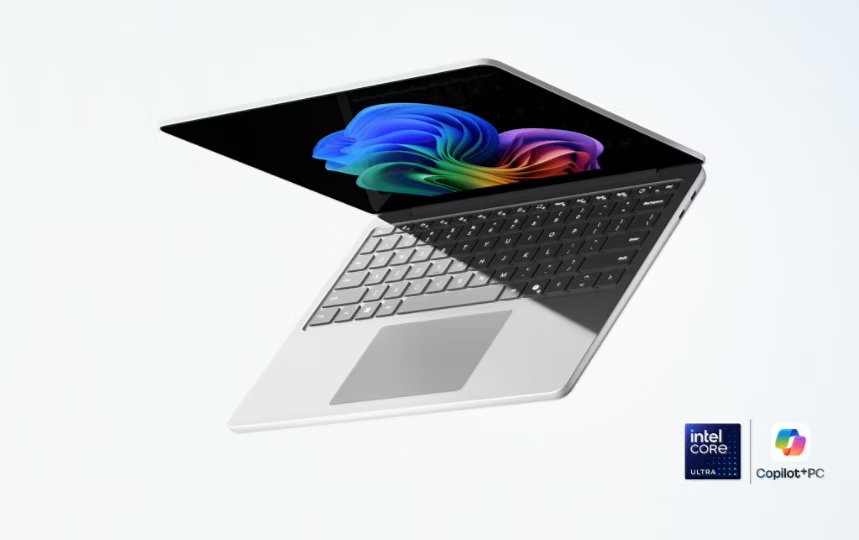
In their official Windows Devices blog, Microsoft outlined the release strategy, stating that “an 8GB configuration (is) coming later this year starting at $1,299.99 (MSRP)…it brings the full Surface experience to the entry-premium tier without asking IT or employees to trade off performance and productivity for portability.”
This statement is fundamentally wrong. Asking enterprise users to settle for 8GB of memory in a premium $1,299 machine in 2026 is the definition of trading off performance and will tarnish the Surface brand’s reputation for long-term reliability.
Premium hardware crippled by low memory
The Surface Laptop for Business 13-inch is powered by the bleeding-edge Intel Core Ultra Series 3 processor, with a lightweight, 2.7 lbs aluminum build, an individually color-calibrated PixelSense 13-inch touchscreen with adaptive color, and a high-end 1080p Full HD Surface Studio Camera.
It even boasts a precision touchpad with adaptive touch. We recently reported that Windows 11 is finally adding deep haptic feedback for UI interactions, and pairing that OS-level feature with the Surface’s premium haptic trackpad is exactly the kind of flagship experience consumers expect from Microsoft.
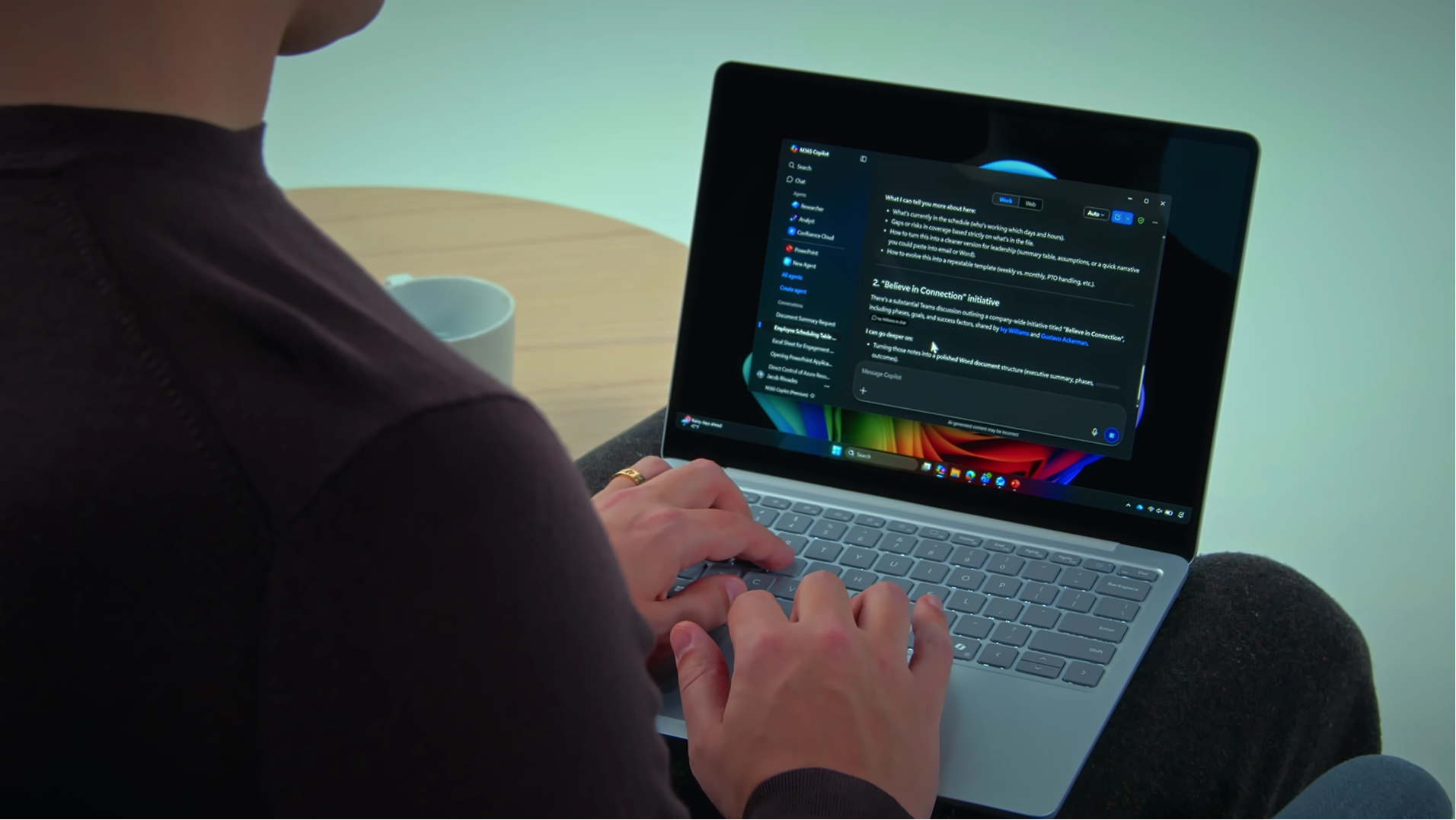
However, all of these premium trappings are severely undermined by the inclusion of 8GB of RAM. It’s not the first time Microsoft has experimented with crippling low RAM. Back in 2020, the company launched Surface Laptop Go 1 with 4GB RAM, and then the same in 2022, with the Surface Go 2.
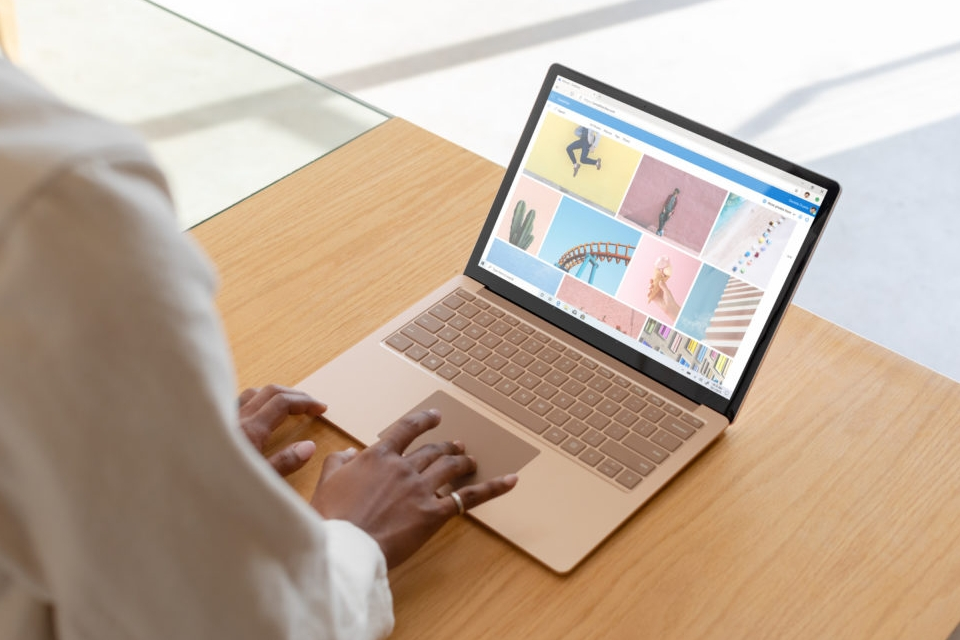
Yes, both had 8GB variants, but the enticing entry-level sub $599 variants led those who purchased to believe that Surface wasn’t as reliable as they hoped.
In 2023, Microsoft understood their mistake and launched the Surface Laptop Go 3 with 8GB RAM as a minimum, with a price increase to $799.
But in 2024, Microsoft was again daring enough to launch Surface Laptop 6 for Business with 8GB RAM and 256GB SSD starting at $1,199.99. This was still before the AI boom and Microsoft’s own Copilot+ PC push, though.
The 2026 reintroduction of an 8GB model at $1,299 is not a new strategy but a return to the standard business playbook Microsoft used with the Surface Laptop 5 and 6.
However, the entire PC industry fundamentally changed in March 2026, and from that point forward, everything was measured against the arrival of Apple’s entry‑level laptop.

The $599 MacBook Neo crisis makes the Surface Laptop look much worse
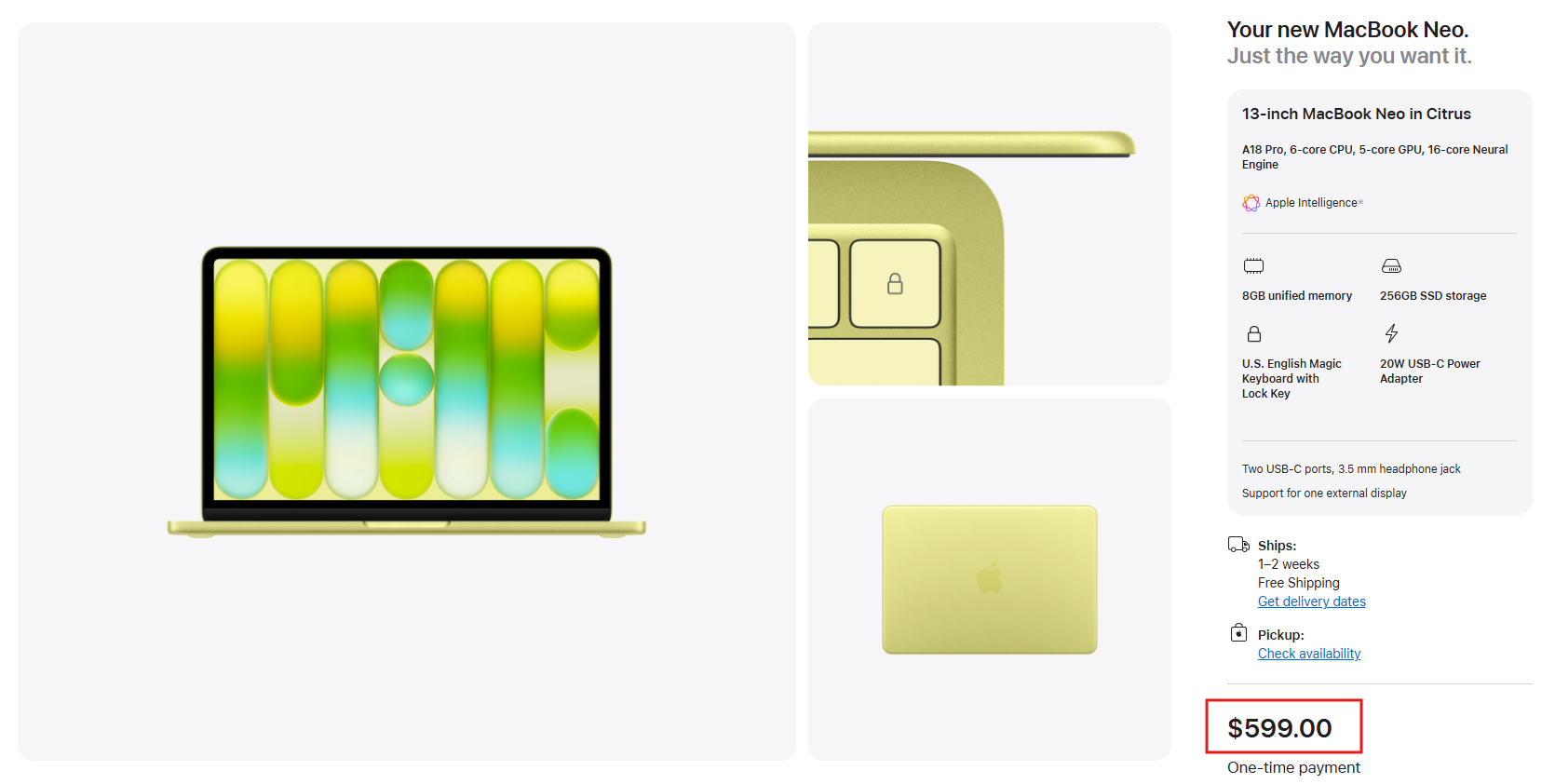
Microsoft’s pricing strategy feels completely out of touch with reality. Apple recently sent shockwaves through the tech world by launching the fanless, aluminum MacBook Neo for an aggressive $599.
We heavily criticized the MacBook Neo for its 8GB RAM, noting that 8GB is not enough for modern multitasking, even with macOS’s highly efficient memory swapping.
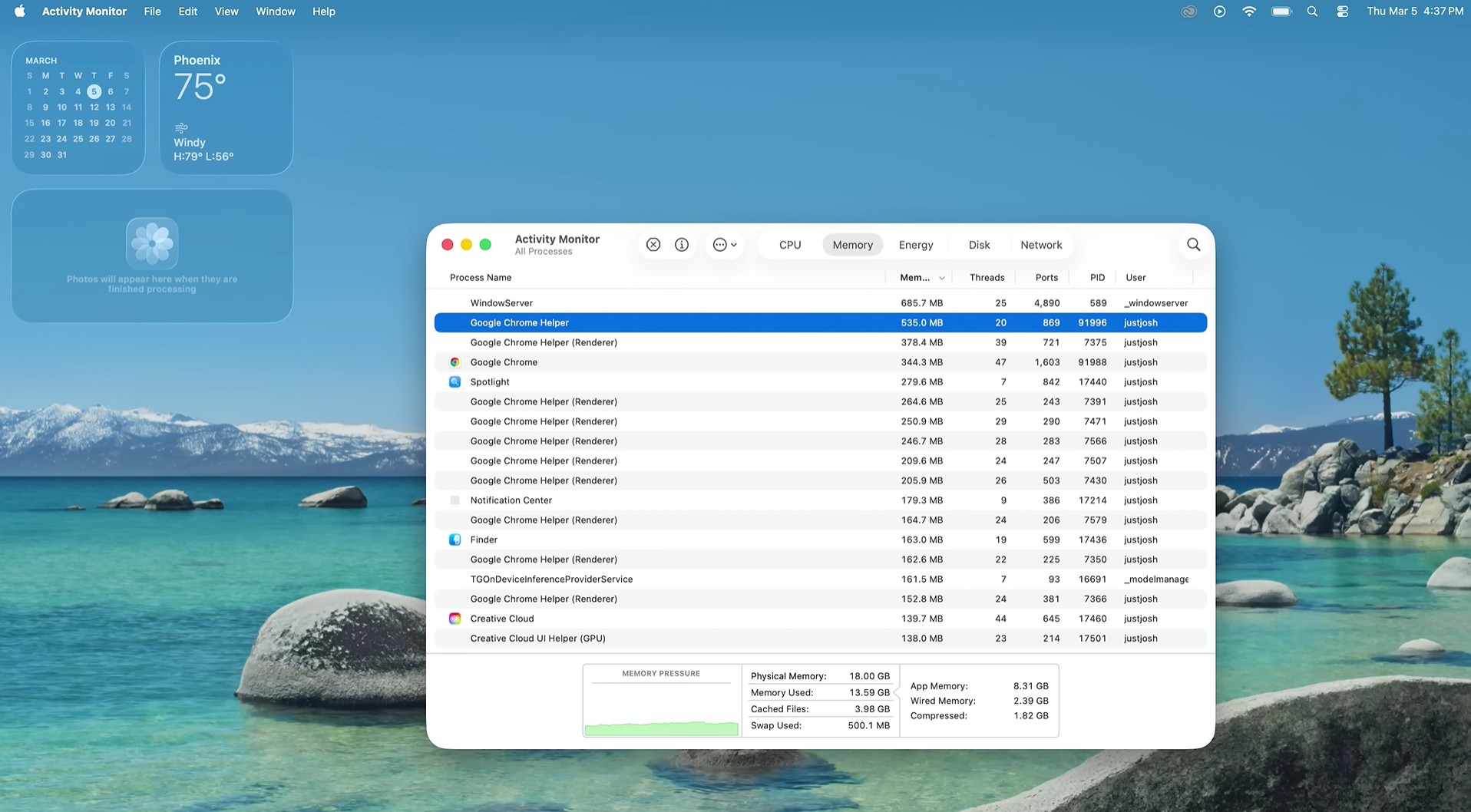
However, there is a monumental difference between Apple selling an 8GB entry-level laptop for $599 to high school students and Microsoft attempting to sell an 8GB “business” laptop to enterprise professionals for $1,299.
The 8GB RAM hypocrisy
Just a couple of weeks ago, Microsoft commissioned a benchmark report claiming Windows 11 laptops beat the MacBook Neo. In that Signal65 report, Microsoft specifically weaponized system memory against Apple, proudly highlighting that competing Windows machines offered 16GB of RAM compared to the Neo’s 8GB base model.
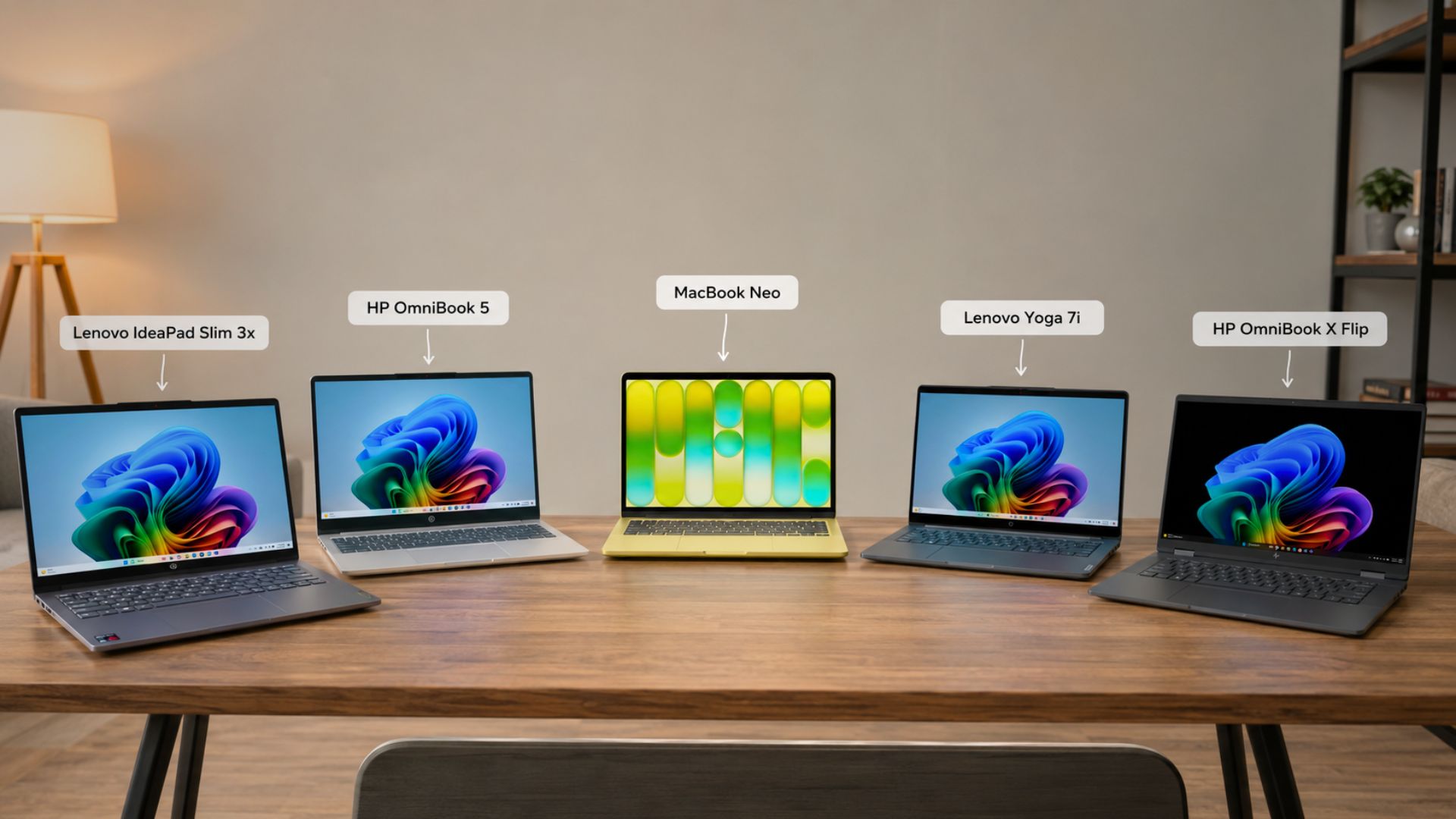
It is shamefully hypocritical to mock Apple for shipping an 8GB laptop, only to turn around and announce an 8GB Surface Laptop for $1,299.99, which is, hilariously, more than double the price of the $599 MacBook Neo.
As we reported recently, ASUS’s CFO confirmed that Microsoft, Intel, and AMD are preparing a response to Apple’s $599 MacBook Neo. But if Microsoft’s idea of a response is charging $1,300 for an 8GB business laptop, Windows 11 PCs are in serious trouble.
Copilot+ PCs need memory, not just an NPU
When Microsoft unveiled the Copilot+ PC standard, they drew a hard line in the sand when they said that 16GB of RAM is the absolute minimum requirement to earn the Copilot+ PC badge. Local AI models, such as those powering Windows Recall and live generative translations, require vast amounts of memory to run locally on the device.
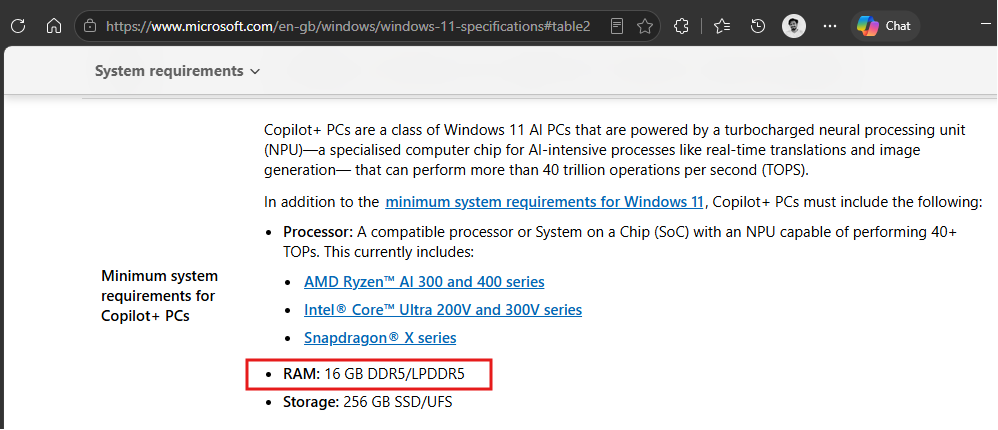
Well, now that Surface Laptop 13 for business is about to get an 8GB RAM variant and it’s still marketed as a Copilot+ PC, it just goes to prove that Microsoft isn’t consistent with RAM recommendations, as they previously suggested 32GB of RAM for no worry gaming and then deleted that particular blog, after a backlash.
Yet, this new $1,299 Surface Laptop features a built-in 50 TOPS NPU (Neural Processing Unit) for “next-gen AI experiences,” paired with an 8GB memory cap.
What exactly is the 50 TOPS NPU going to process if the system does not have enough RAM to load modern AI models without aggressively paging to the SSD?
Agentic OS, web app slop, and the reality of Windows 11
Windows 11 is infamously resource-heavy, and 8GB of RAM is not enough overhead to support Microsoft’s future ambitions.
Over the last several years, Microsoft has flooded Windows 11 with memory-hogging web apps and WebView2 instances. From upcoming agenda notifications to the desktop widgets panel and even elements of the Start menu, these web wrappers devour gigabytes of system memory.
Also, we cannot ignore Microsoft’s ambitious push to turn Windows 11 into an Agentic OS. The introduction of background AI agents running inside isolated Agent Workspaces means the operating system needs vast amounts of memory to function efficiently. While that initial agentic rollout faced severe backlash, Microsoft is still charging toward an AI-first future.
To their credit, the company is attempting to fix the bloat. We recently reported that Microsoft is finally committing to native WinUI 3 to push back against web app slop, aiming to drastically reduce transient memory allocations and function calls. Software optimization is vital, after all, a former Windows executive recently reminded us that every Microsoft engineer was once handed a stopwatch to guarantee extreme software efficiency.
However, no amount of software optimization or WinUI 3 adoption will magically double the physical RAM. If developers build robust, complex native applications, an 8GB ceiling will inevitably force the laptop to heavily depend on SSD swapping, drastically reducing the lifespan of the Gen 4 drive and crippling the “premium” enterprise experience of the Surface Laptop 13.
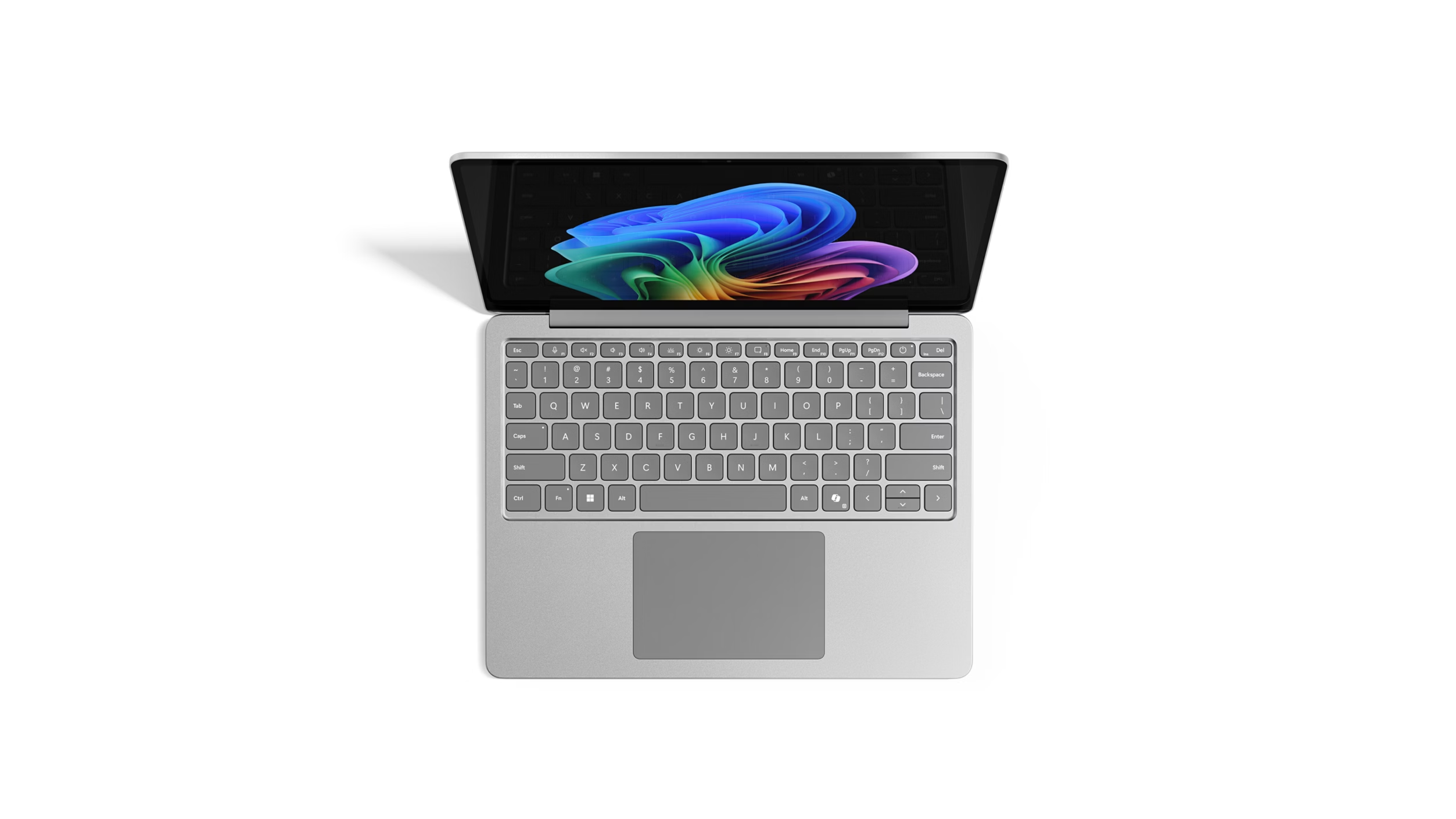
The world is moving toward edge computing and local AI execution. A $1,300 flagship business laptop in 2026 will inevitably choke the moment you open a dozen Chrome tabs alongside a background Copilot agent.
Bring back the Surface Go, fix the playbook for OEMs
Microsoft recently proved it is willing to course-correct its software when they formed a dedicated team specifically to fix Windows 11 UX and quality control issues. Now, it desperately needs to apply that same level of scrutiny to its Surface hardware playbook.
To be fair, Microsoft Surface is a very premium brand and doesn’t sell anywhere near MacBooks or PC OEMs, but the ethos of Surface was to be an idea for OEMs to adopt and live up to. An 8GB Surface laptop goes against this, even if it has variants with 16GB and 24GB RAM.
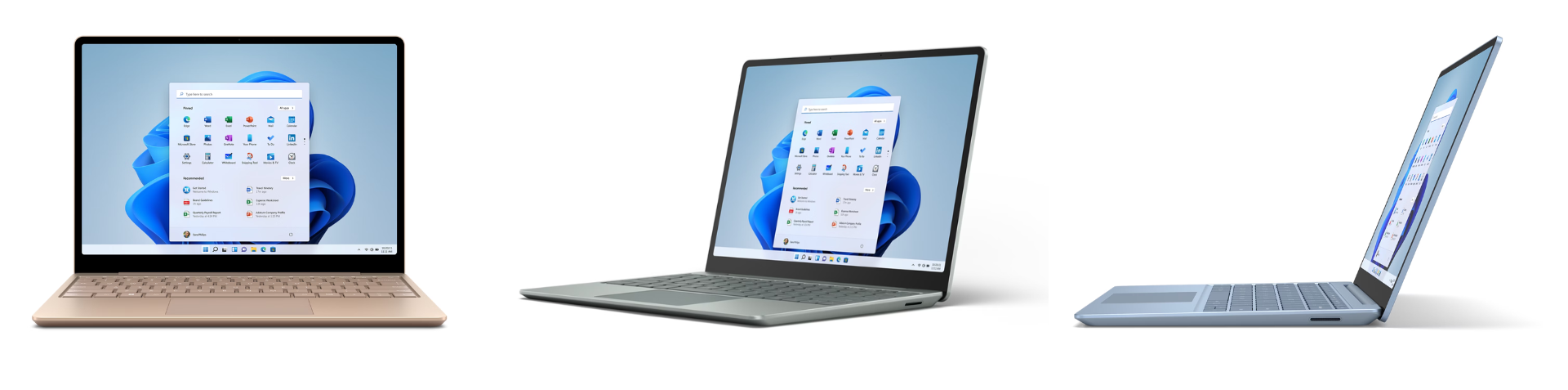
If Microsoft truly wanted to offer an “entry-premium tier” that competes with the current market dynamics, releasing a crippled $1,300 flagship is not the answer. The company should have absorbed the R&D costs to revive the Surface Laptop Go lineup with an aggressively priced, well-optimized model specifically designed to tackle the MacBook Neo crisis. If Microsoft created a flawless $600-$800 reference device, it would set a gold standard for Windows OEMs to follow and iterate upon.
Instead, by planning to sell a flagship business laptop with 8GB of RAM for $1,299, Microsoft is demonstrating a shocking disparity from its own marketing messaging, its developer ecosystem, and the fundamental requirements of the AI era. I strongly believe it is an extremely poor decision, and enterprise buyers would be wise to entirely avoid the base configuration.
The post Microsoft pushed 16GB RAM as must-have for Windows 11 for years, now sells an 8GB Surface Laptop for $1,299 appeared first on Windows Latest