
When Microsoft promised it was going to focus on WinUI as the “native framework” for Windows 11 and make its development public, many had doubts, and even the follow-up questions during the Build 2026 developer conference ask-me-anything were about whether Microsoft was really committed to WinUI this time.
Microsoft later responded to the concerns and promised it would focus on WinUI as the native framework for Windows 11, instead of trying to build a new solution and design language. The company also said it planned to move WinUI development into the open for transparency and faster development, and that transition is actually happening.
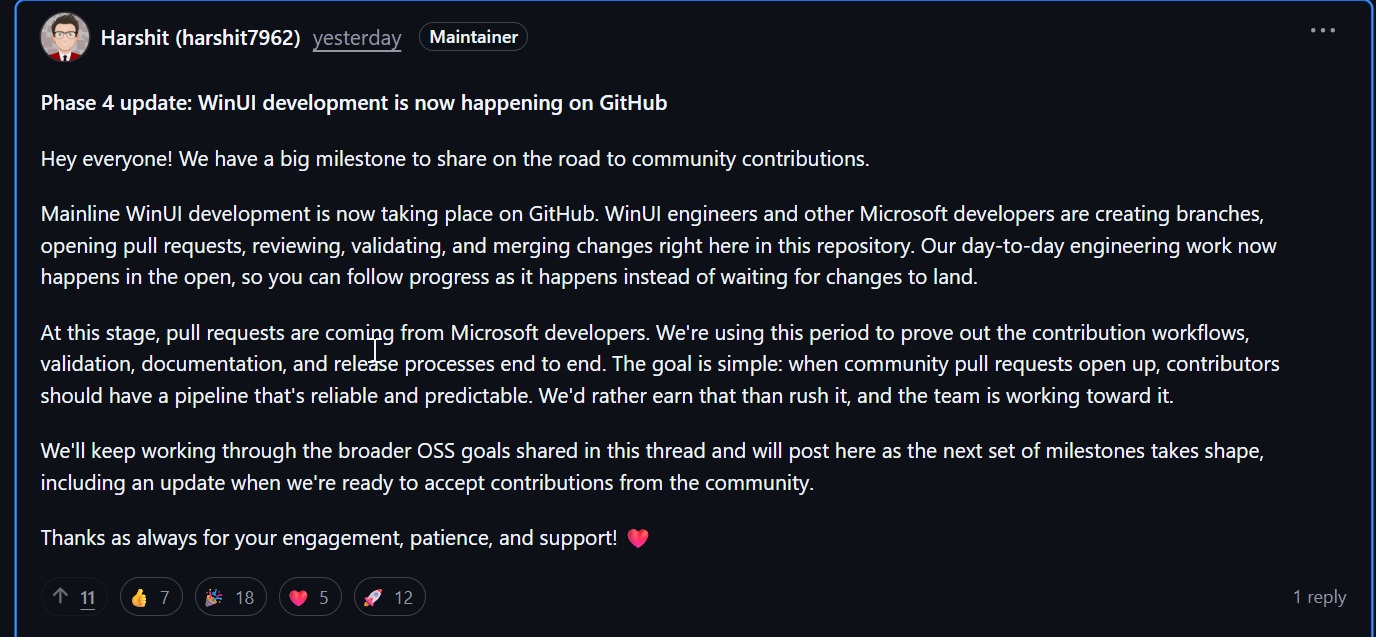
In a GitHub post spotted by Windows Latest, Microsoft just confirmed that mainline WinUI development is happening entirely in the open, and whether you’re a casual user or a developer, you can watch the progress in real time.
“Mainline WinUI development is now taking place on GitHub,” Microsoft confirmed in a GitHub post. “WinUI engineers and other Microsoft developers are creating branches, opening pull requests, reviewing, validating, and merging changes right here in this repository.”
“Our day-to-day engineering work now happens in the open, so you can follow progress as it happens instead of waiting for changes to land.”
This gives everyone a bit of reassurance that WinUI is still important to Microsoft after several years of web apps, and whatever Microsoft promised at Build conference was not just “words” or “PR.”
Windows 11’s native apps era could be coming back
Microsoft sources told me that this is part of the company’s bigger ambition to bring back the “native” experience to Windows, and it also aligns with what Windows engineering lead Rudy Huyn previously said about the company building “100% native” apps.
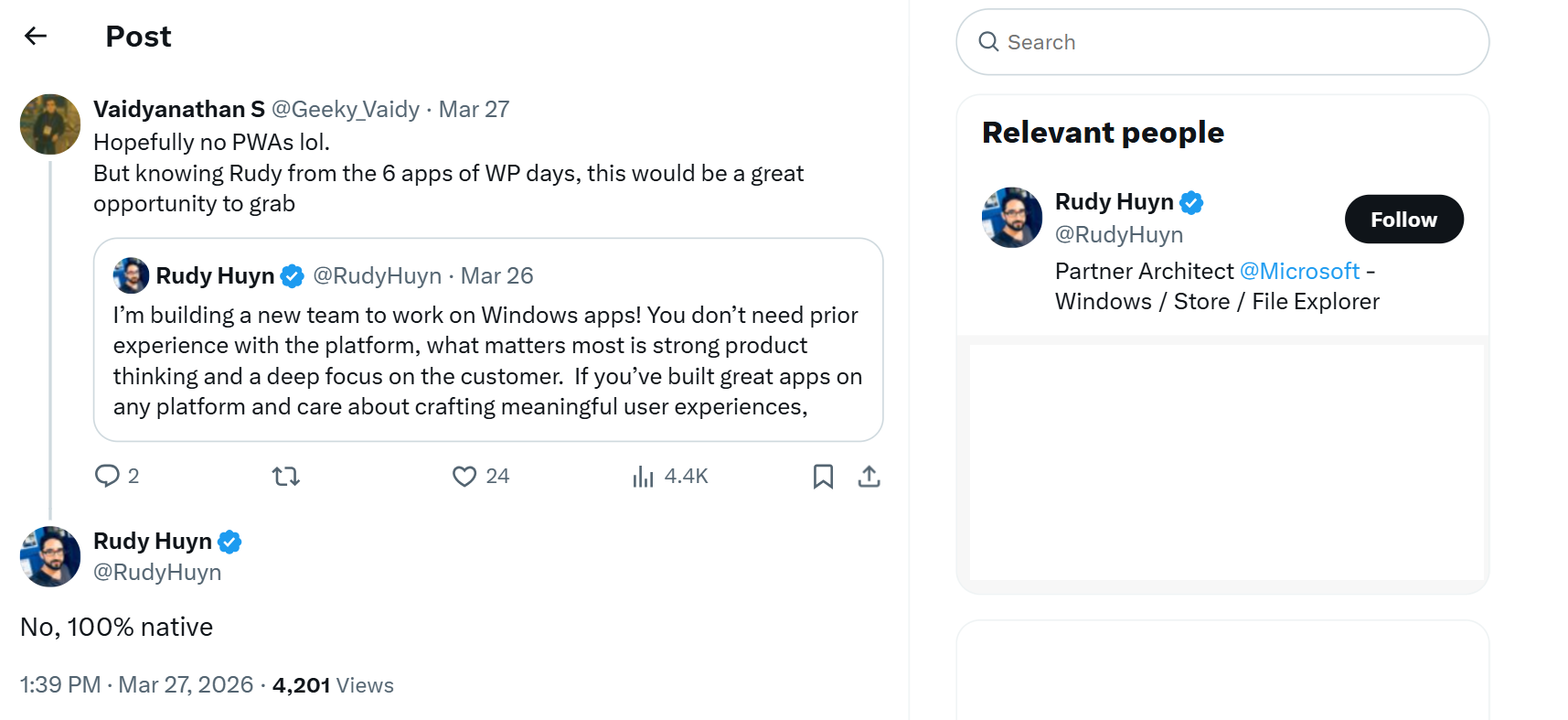
None of that means Microsoft will abandon other frameworks. However, going forward, native apps will be the focus, at least for apps that are inbox/pre-installed.
If you don’t follow Microsoft’s development closely and are unaware of WinUI, it’s a framework that follows Windows 11’s design guidelines, such as rounded corners, Fluent Design elements like Acrylic and Mica, smoother animations, and dark mode.
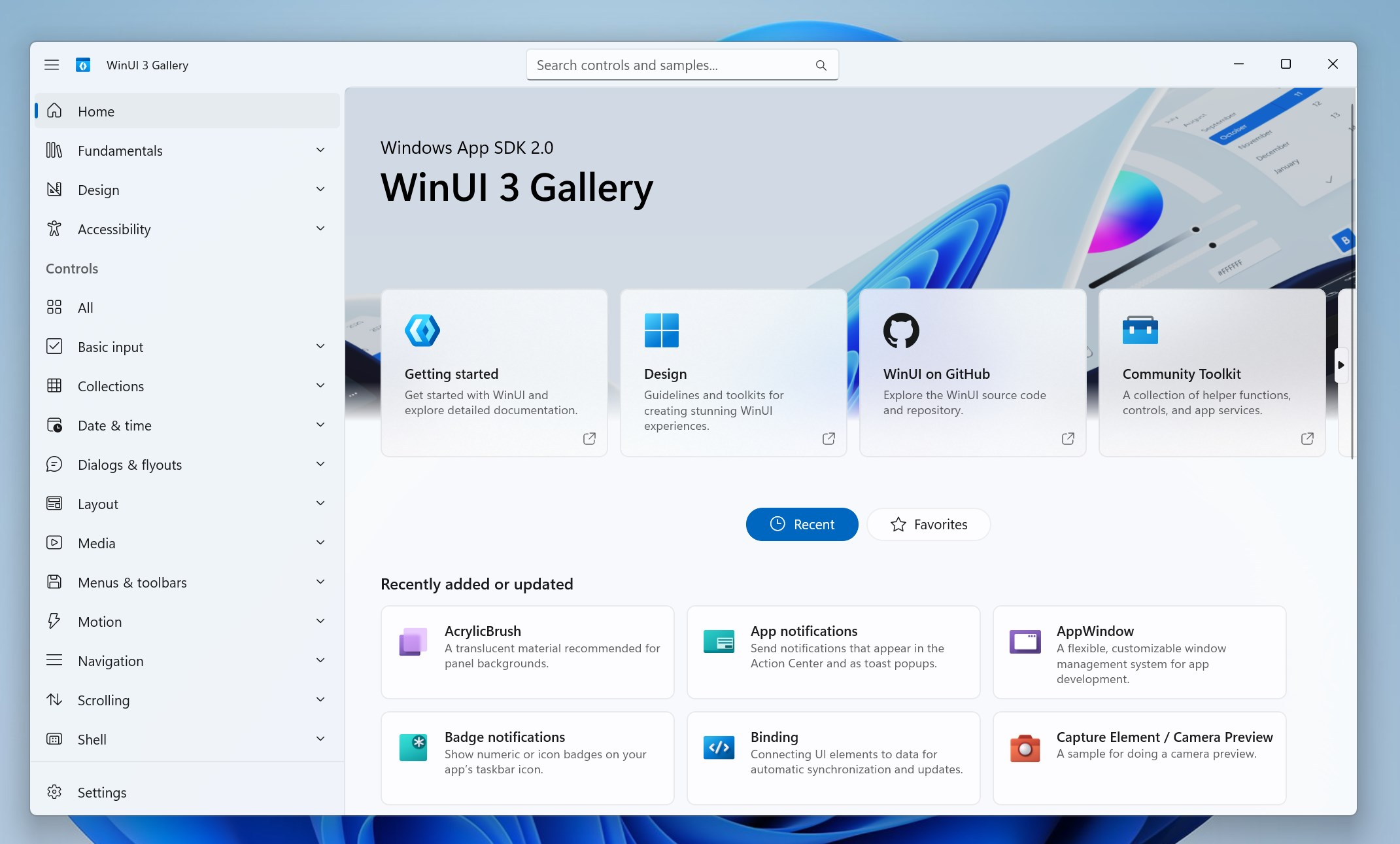
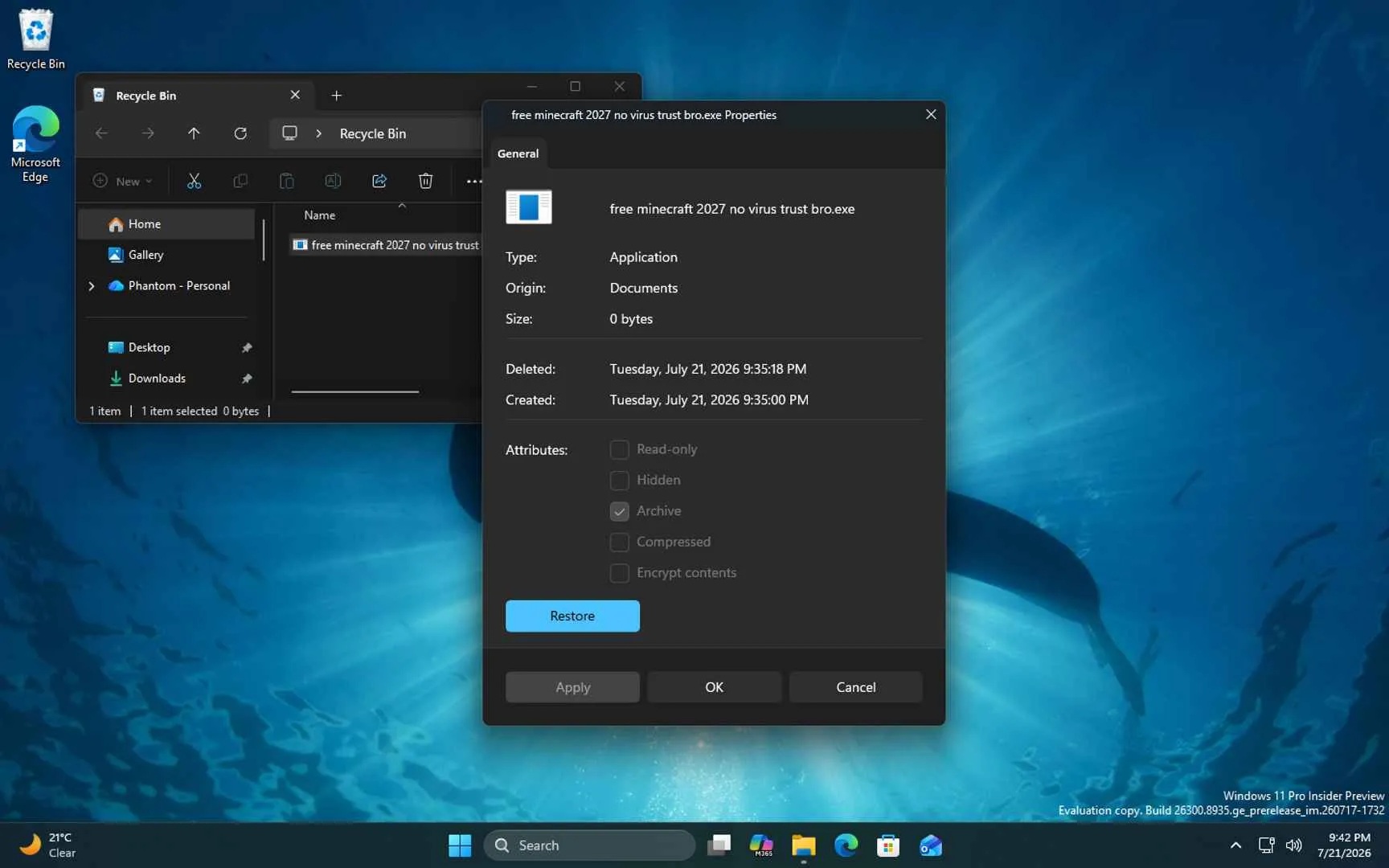
WinUI can be found in Windows Settings, the Microsoft Store, the Notifications Center, and some parts of File Explorer, but it’s largely missing from the operating system. Microsoft wants to address this and eventually move everything to WinUI, including the legacy dialogs like the Properties Sheet in File Explorer.
Bye-bye web apps?
We don’t have a problem with legacy or Win32 apps because even if they don’t match the look and feel of Windows 11, they don’t necessarily make PCs run slower. The real problem is WebView2-based apps, or even worse, Electron apps, which can take up gigabytes of memory.
Discord is one of the best examples of trash Electron products, as even its developers have warned that the Windows app can use more than 4GB of RAM. When that happens, Discord has built a system that restarts parts of the app while trying to ensure your work is not interrupted.
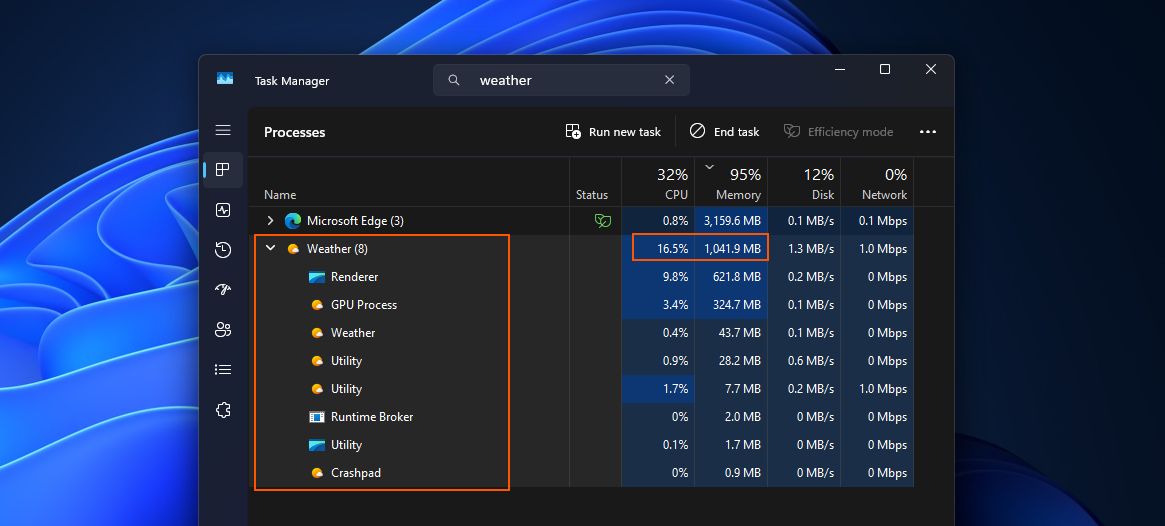
Windows Weather also uses over 1GB of RAM, and we are all aware of Microsoft Teams performance concerns, which are so bad that the company is building an ‘efficiency’ mode for low-end PCs.
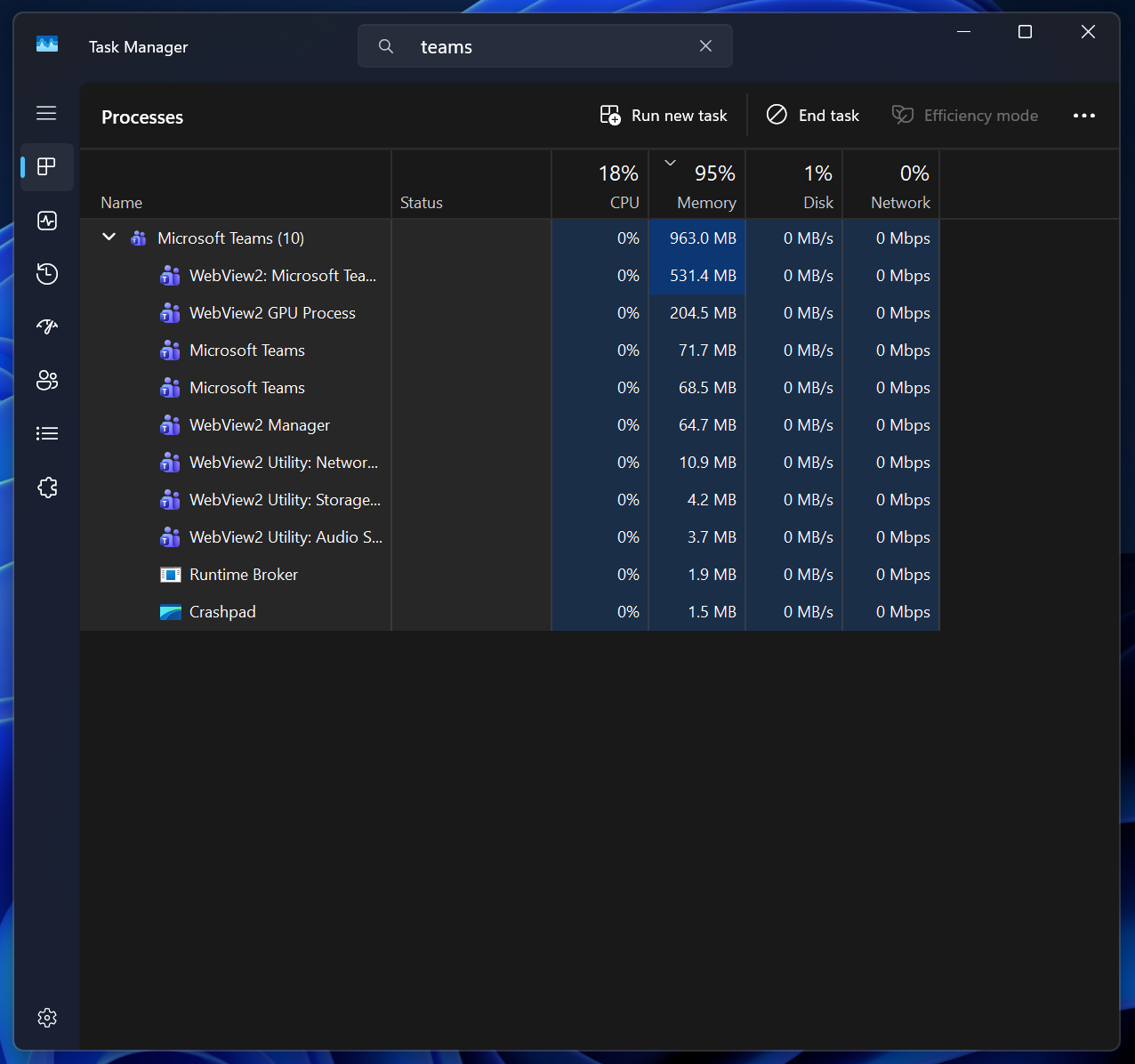
The major benefit is that WinUI’s renewed focus will eventually reduce the web app problem that Windows has developed over these years. Not only third-party developers, but Microsoft also stopped using WinUI in favor of WebView2, which is powered by Microsoft Edge (a Chromium fork).
However, nobody can confirm that WinUI’s renewed efforts would convince different product groups at Microsoft to invest in the native framework, so don’t be surprised if New Outlook and Teams remain web crap for months or years.
Microsoft also promised to make WinUI faster and use less RAM
Now, replacing web apps with WinUI alone is not enough, as WinUI itself has performance concerns that need to be addressed first, and Microsoft is fully aware of them.
Speaking at Build 2026, Chris Anderson, who is better known for his contributions to the desktop GUI stack for Windows, said Microsoft’s most important priority is to focus on “performance, fundamentals, quality, fixing a lot of bugs,” and added that the company has “invested heavily in really improving memory usage.”
One of the recent changes was moving WinUI processes to a system compositor, “which should yield some even better performance improvements.”
Microsoft did not clarify how things would look after these improvements roll out, so we don’t have a number, and I can’t tell you whether a WinUI app that used 300MB of RAM will now drop to 200MB, but you can expect better resource management.
“I want to talk about the stuff that we need to get going so that we can earn the right to build some of these things. And these are really the core features that people have been asking for and really need to be productive on top of WinUI. The first and foremost is performance, fundamentals, quality, fixing a lot of bugs,” Anderson said during the Build 2026 developer conference.
Here’s a clip from his session:
And now that WinUI development is happening on GitHub, developers can actually follow those performance fixes, regressions, and other changes as Microsoft works on them.
WinUI is now developed in public, but you cannot contribute just yet
Although WinUI development is now happening in the open, independent developers and Microsoft’s partners cannot contribute just yet.
For now, pull requests are coming from Microsoft developers, as the company is trying to “prove out the contribution workflows, validation, documentation, and release processes end to end.”
“We’re using this period to prove out the contribution workflows, validation, documentation, and release processes end to end. The goal is simple: when community pull requests open up, contributors should have a pipeline that’s reliable and predictable. We’d rather earn that than rush it, and the team is working toward it.”
Microsoft says community pull requests will open up later, once those workflows are ready, so we are a few weeks away from independent developers making WinUI and even Windows shell better.
Microsoft says it has no intention of giving up on WinUI
When I’ve previously reported that WinUI is the focus at Microsoft again, some users have joked that it’ll eventually build a new framework, a new design language, and create another messy consistency problem.
But it’s something Microsoft actually spoke about at the Build 2026 conference and denied having any such intentions.
“I will say that, no, we have no intention of building a new framework. In fact, we’re dropping the number, and we’re referring to WinUI as just WinUI because we have no intention of really making a massive shift, breaking change on it.”
Microsoft also said WinUI is being integrated into the Windows shell at a much faster rate.
“And we’re really trying to push hard to stretch WinUI to be accessible for any use case that we want. We’ve started to integrate it into the shell at a much faster rate. And so you’re going to see a lot of the first-party features coming from Microsoft being built on top of WinUI.”
Moving WinUI development into the open is the first big step in that direction. Not only does it give us more transparency into the features or performance benefits coming to WinUI, but it also brings the broader developer community closer to Microsoft.
The post Windows 11’s native app era is coming back after years of web app slop, and Microsoft is finally building it in public appeared first on Windows Latest