
You might’ve read the “news” of how Linus Torvalds told Linux kernel developers that Linux is not an anti-AI project, and anyone who has a problem with that can “do the open-source thing and fork it. Or just walk away.”
While reactions from the developer community were mixed, unsurprisingly, the AI alarmist-turned-architect, Elon Musk, backed him under an X post saying “Linus is right, as usual.”
Now, whether he’s right or wrong, there is a software giant that sold their soul to build AI data centres and came out the other side bearing the brunt of any and all hatred related to AI.
Of course, I’m talking about Microsoft.
Barely 18 months ago, Torvalds dismissed AI as “90 percent marketing and 10 percent reality.”, which was closely followed by Microsoft first admitting that a big chunk of their code was AI-written, right in the middle of Windows 11’s worst year (2025).
Now that the models have gotten noticeably better, Torvalds is defending AI in the kernel, and Windows 11 is finally having a good year…
Why Linus Torvalds changed his mind on AI in the Linux kernel
The disagreement that triggered his comment was about Sashiko, an agentic review tool for kernel patches built partly by Google engineer Roman Gushchin. Sashiko reads submitted patches and flags ones it thinks have bugs, and it claims to independently catch 53.6 percent of issues that would otherwise only show up after human reviewers already approved the code.
Kernel developer Laurent Pinchart wanted a human to filter Sashiko’s comments before they reached patch authors, citing the Software Freedom Conservancy’s recent guidelines on AI contributions. Gushchin called that stance “very anti-LLM,” and said it would defeat the point of the tool.
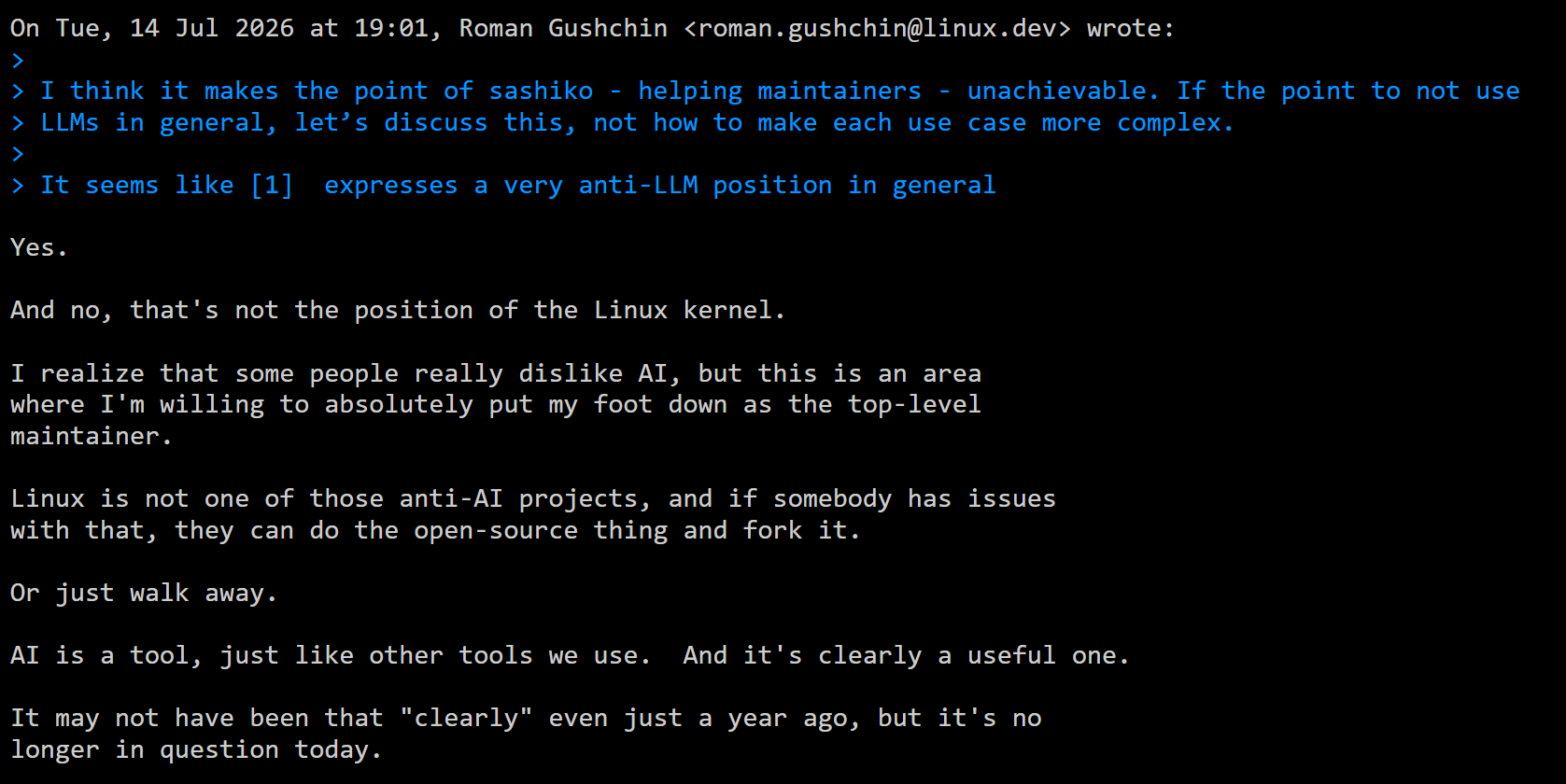
Linus Torvalds sided with Gushchin:
“I realize that some people really dislike AI, but this is an area where I’m willing to absolutely put my foot down as the top-level maintainer. Linux is not one of those anti-AI projects”
“AI is a tool, just like other tools we use. And it’s clearly a useful one. It may not have been that ‘clearly’ even just a year ago, but it’s no longer in question today.”
He admitted Sashiko “keeps finding embarrassing bugs” and adds work for maintainers, but said the fix is to make the tool help maintainers, not ban it. He closed with,
“We make decisions primarily based on technical merit. Not fear of new tools.”
From “90 percent marketing” to “clearly a useful one”
In October 2024, at the Open Source Summit in Vienna, Torvalds deemed the AI industry mostly about marketing and said he’d basically ignore it until the hype died down. It was a fair read of the tools available at the time.
The models writing and reviewing code today are not the ones he dismissed back then. Claude, ChatGPT Codex, and similar tools have improved enough in a year that a project as strict about code quality as the Linux kernel now lets AI comment directly on patches from developers with decades of experience.
Torvalds is not easy to impress, so that alone says something about where these tools stand now.
Microsoft made a similar admission, right as Windows 11 fell apart
I’ve said this before, and I’ll say it again: a lot of Microsoft’s failures were the times when they were too early to the market. As one of the largest companies (and that is an understatement), Microsoft really wants to be the frontrunner in some technologies, but the company lacks the “love” that their competitor, Apple, takes for granted, which is why when Microsoft makes a mistake, people hate instead of forgiving.
In April 2025, when AI was mostly hype for the Linux creator, Satya Nadella told Mark Zuckerberg at Meta’s LlamaCon that 20 to 30 percent of Microsoft’s code was already AI-written. Google’s Sundar Pichai made a similar claim about Google’s codebase that month.
The backlash was wild enough that Microsoft had to later deny that Windows 11 was being rewritten by AI. The company’s own numbers haven’t backed up the confidence. A former Microsoft VP who also worked at Google DeepMind and Meta said the company missed the AI wave the same way it missed the internet and mobile before it, pointing to a Copilot paid adoption rate of just 3.3% across Microsoft’s 450 million Microsoft 365 users.
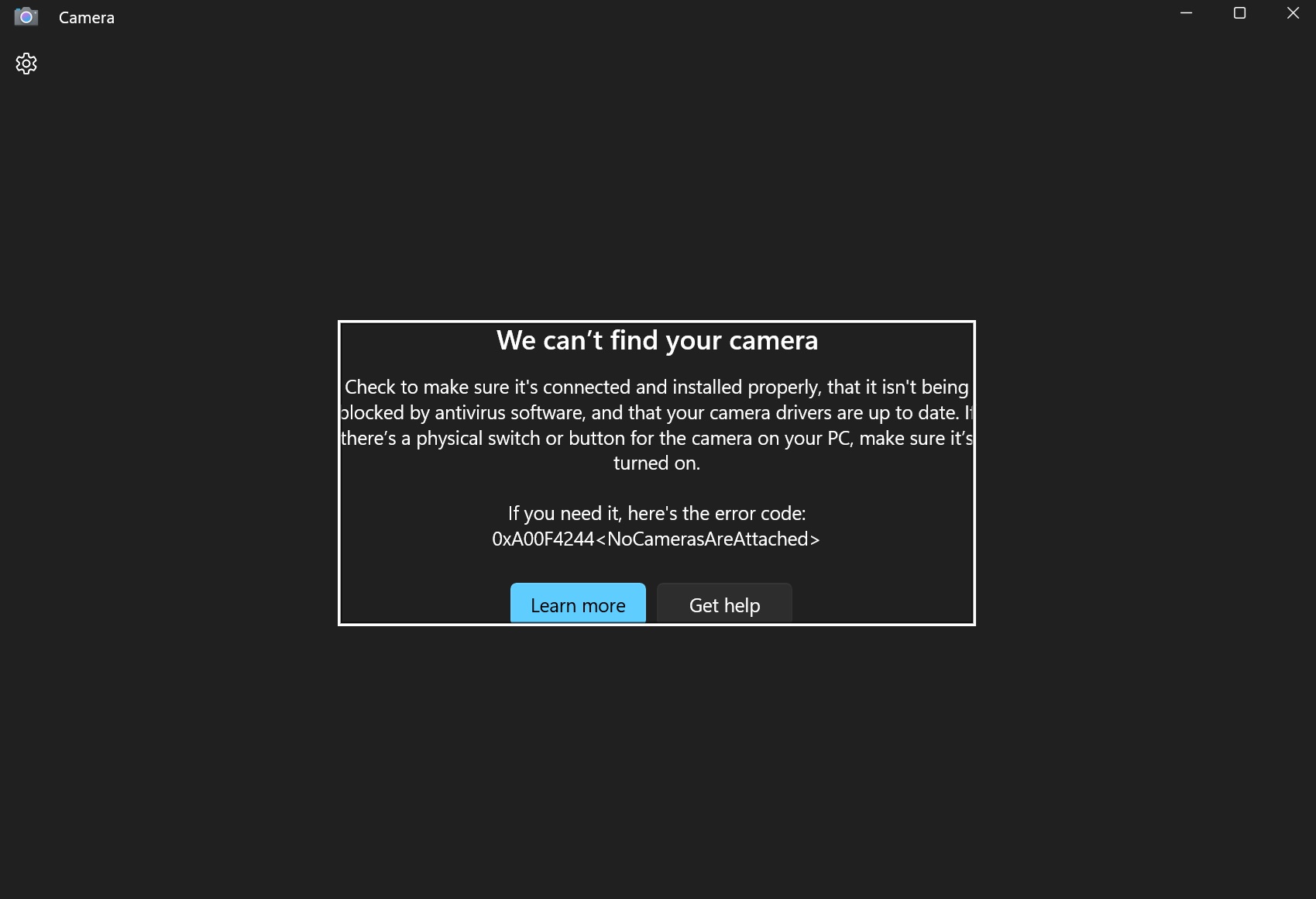
2025 turned out to be the worst year Windows 11 has had. Windows Latest tracked more than 20 major update failures through the year, from USB audio and webcams breaking in January, to BitLocker settings failing “for your security,” to a mandatory March update that caused BSODs and boot loops.
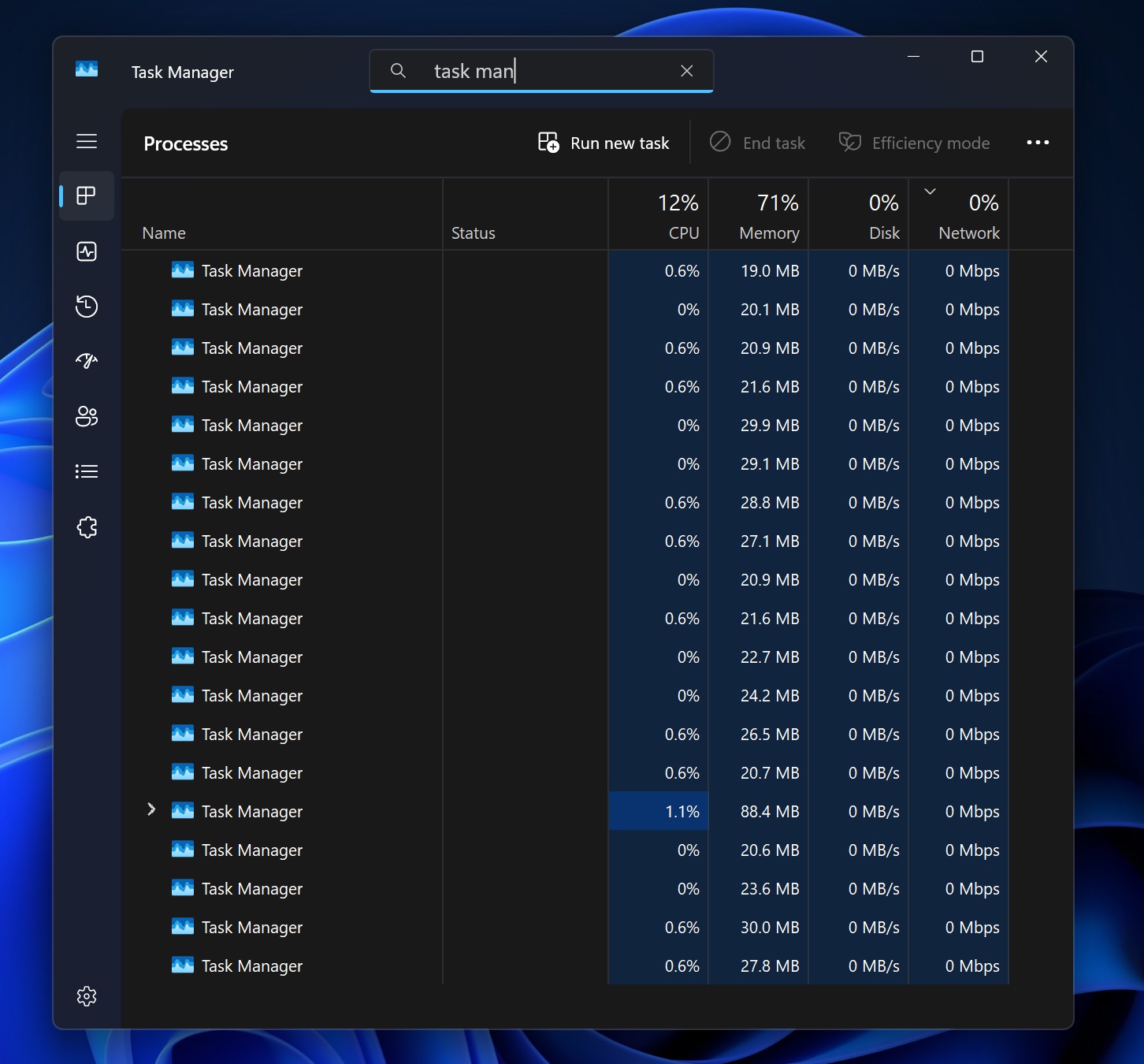
Remote Desktop kept disconnecting people mid-session because Microsoft’s February fix made the March update worse. Task Manager refused to quit and started spawning duplicate instances.
By January 2026, Microsoft was openly admitting Windows 11 had gone off track, too busy chasing its Agentic OS ambitions to keep the basics working.
There is no official data claiming AI-written code caused those specific bugs, although that was, and still is, the general consensus.
2025 is the year Microsoft first bragged about a 20 to 30 percent AI-code figure, and I don’t feel it was a coincidence that it was the same year Windows 11 became the most disliked version of the OS the company has ever shipped.
Windows 11 started getting better right when AI got better too
Windows president Pavan Davuluri published a roadmap on March 20 promising to fix File Explorer, calm down the Widgets board, and cut back Copilot clutter in apps like Snipping Tool, Photos, and Notepad.
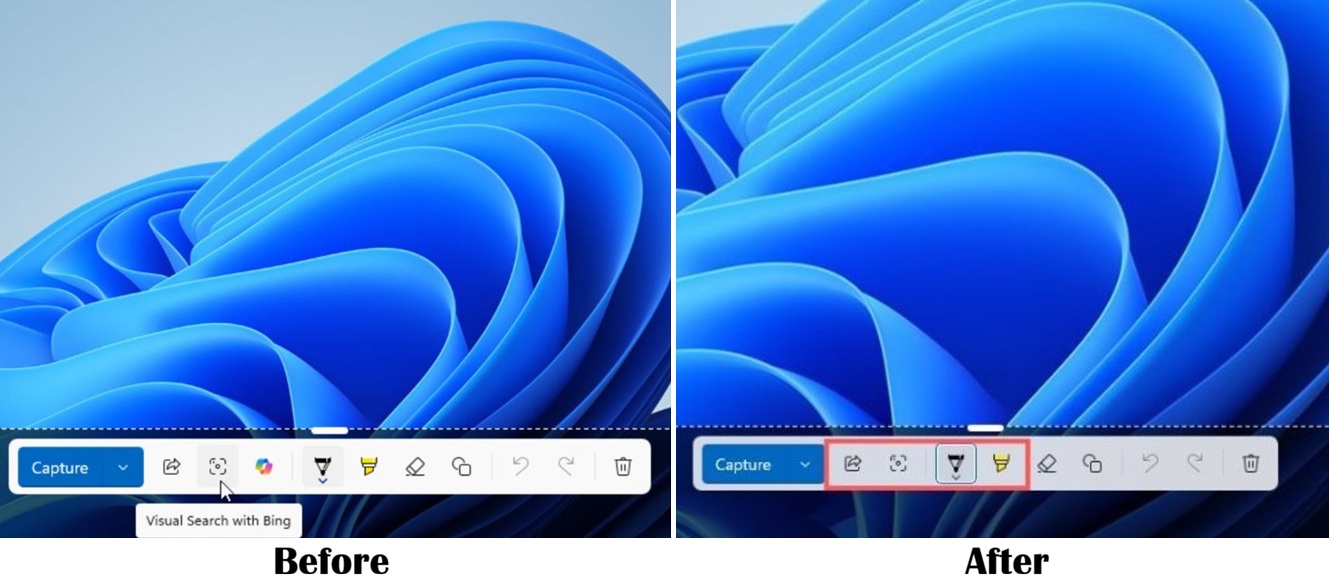
By May, Microsoft was following through with real changes for testers, including fewer forced restarts, the ability to pause updates for weeks at a time, and a File Explorer that finally stopped flashing white when switching between light and dark mode.
The effort is still going strong. June brought the biggest Patch Tuesday of the year with a CPU performance boost and long-requested Bluetooth fixes.
In the July security update for Windows 11, Microsoft patched a record 570 security flaws in one update, a 316 percent jump from July 2025. Microsoft credited a new AI scanning system called MDASH, which uses a mix of models including Anthropic’s, for catching security issues before attackers could find them first. The company’s explanation was that AI is speeding up how fast vulnerabilities get found and exploited industry-wide, cutting the window from weeks to hours.
It’s safe to assume that the AI improvement that convinced Torvalds to defend the kernel tools is the one helping Microsoft catch more Windows bugs.
Both Linux and Windows use AI-generated code
Projects like Curl and Gentoo restricted AI contributions over quality concerns, not because AI is inherently bad for code.
Torvalds is turning to the page Microsoft has quietly settled into with Windows. As a tool, AI only earns its place if it makes the humans’ job easier. In 2025, that wasn’t true enough. In 2026, it finally is.
Windows Latest has been tracking Microsoft’s promise to fix Windows 11, and the improvements have kept showing up month after month. If the improvements in AI models that changed Torvald’s mind are also the ones catching hundreds of extra Windows bugs before Patch Tuesday, Windows 11’s rough 2025 looks more like bad timing!
The post Linus Torvalds just joined Microsoft’s AI-code club, defending its use in the Linux kernel appeared first on Windows Latest