
If you were already frustrated with the insane price increase for Windows 11 PCs, then be ready for another round of price hikes because Microsoft is reportedly charging OEMs more for Windows licenses.
RAM, SSD, and CPU prices are already pushing OEMs to raise prices, and naturally the PC market is losing momentum. Microsoft’s earnings show Windows OEM revenue falling after the Windows 10 end-of-support cycle helped pull forward demand. To make matters worse for Redmond, Apple is still going strong in the low-cost laptop market with the MacBook Neo.
For someone using a perfectly good Windows 10 PC, the software giant has made the calculation easier for you. Why spend more on a new Windows 11 laptop when the old one works with less RAM and an additional year of support from Microsoft?
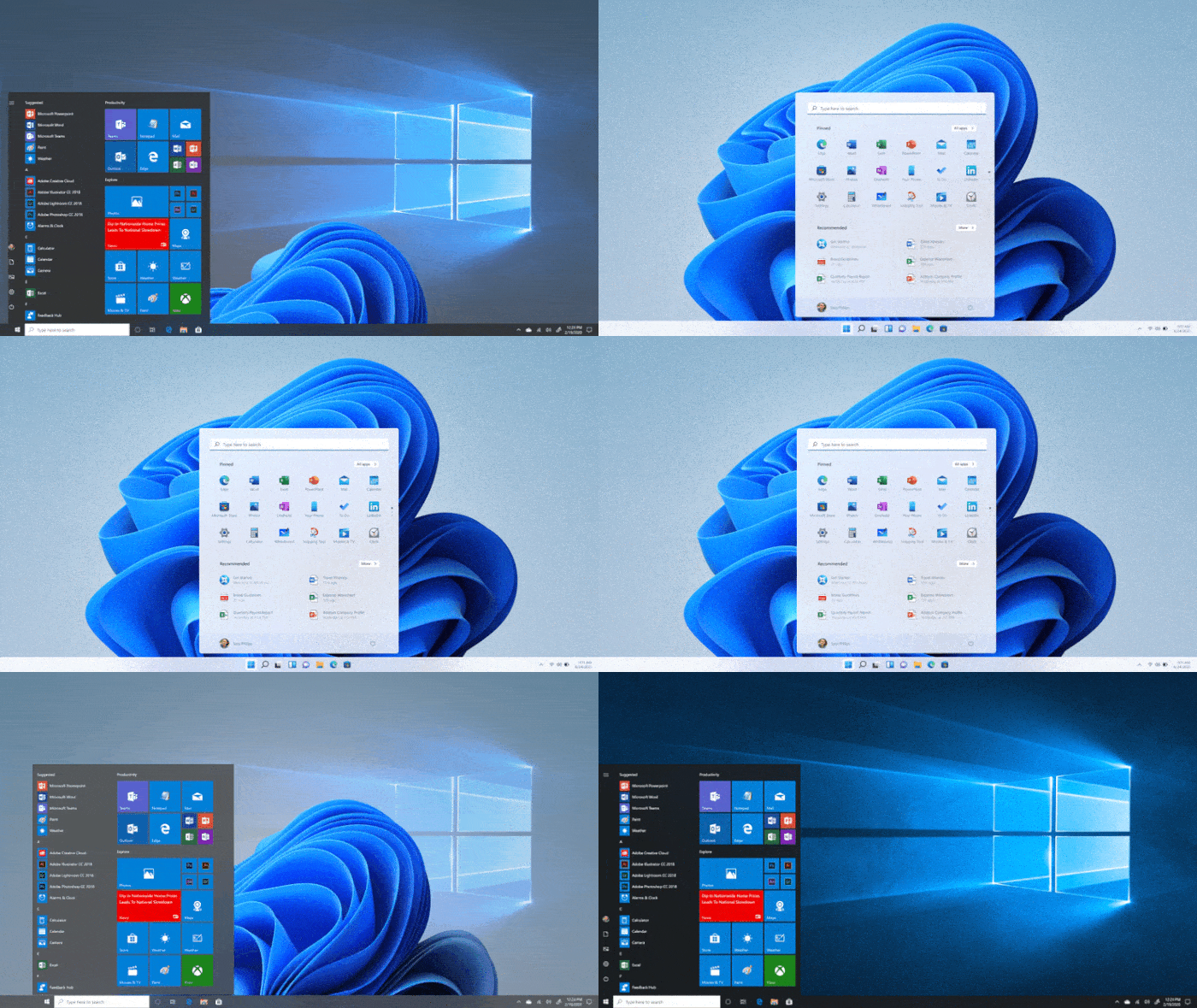
Microsoft is reportedly raising Windows 11 license fees for PC makers
Microsoft has not publicly announced a Windows OEM price increase, but Taiwan’s Economic Daily News reports that PC makers have seen a much larger licensing increase since July.
The report says Windows OEM licensing fees historically increased by single-digit percentages each year. Since July 2026, PC industry executives quoted by the publication say the average increase has reached 7% to 10%.
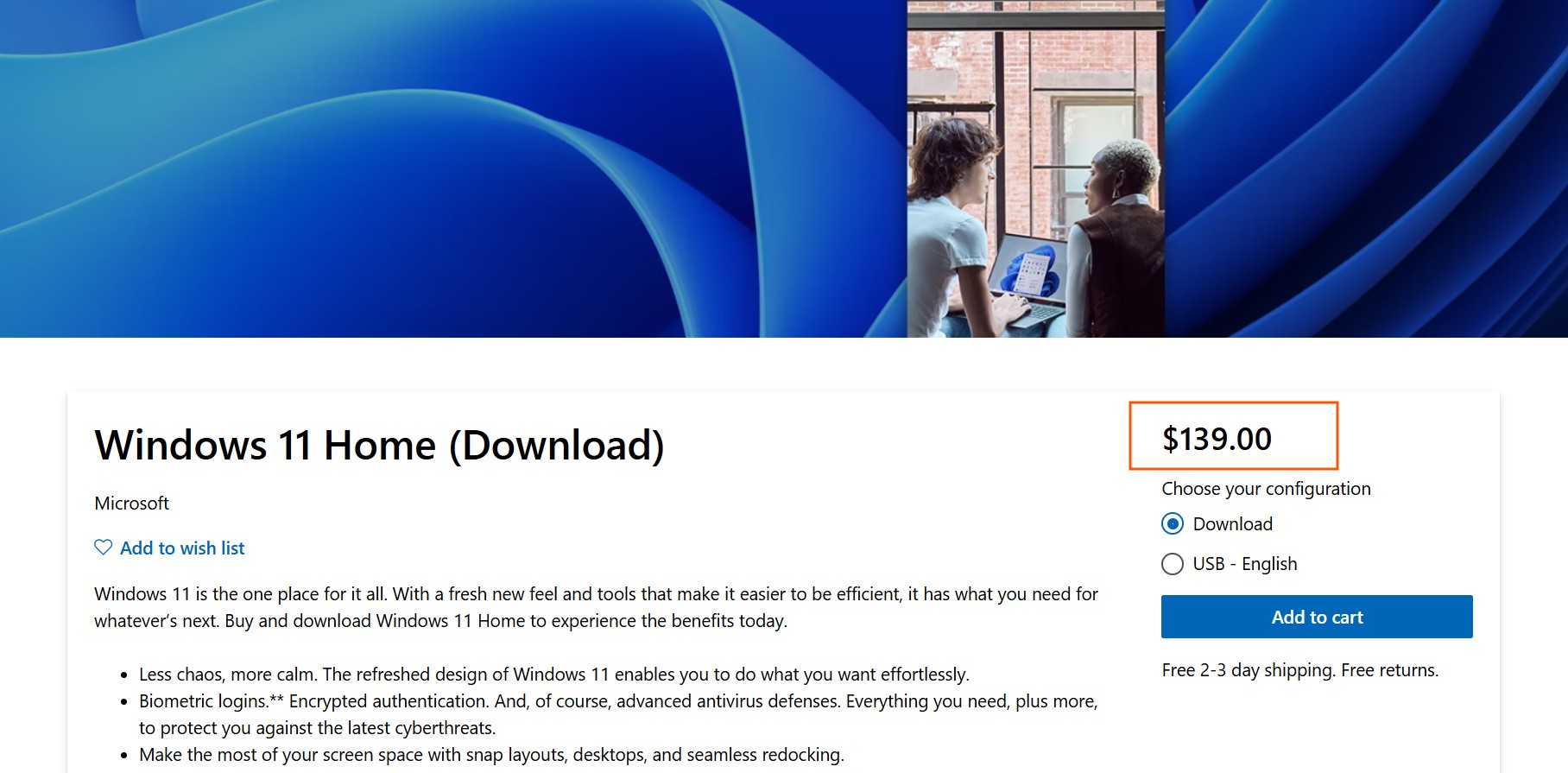
The report also says Windows licensing fees vary by CPU class, with different prices for Intel Core i3, i5 and i7 machines. ASUS and Acer have indicated that PC prices in Taiwan could rise by about 5% during the third quarter. ASUS reportedly said some products had already become almost 30% more expensive than in the fourth quarter of 2025.
RAM and SSD prices are already making Windows PCs more expensive
All while growing up, I’ve been hearing how cheap memory has become, and now things have taken a U-turn. The ludicrous rise of AI data centers has made memory a luxury and is the biggest reason PC prices reached unreasonable levels in 2026.
IDC says the global memory shortage could continue through the end of 2027. The research firm expects global PC shipments to fall 11.3% in 2026, while PC average selling prices could rise 18.3%.
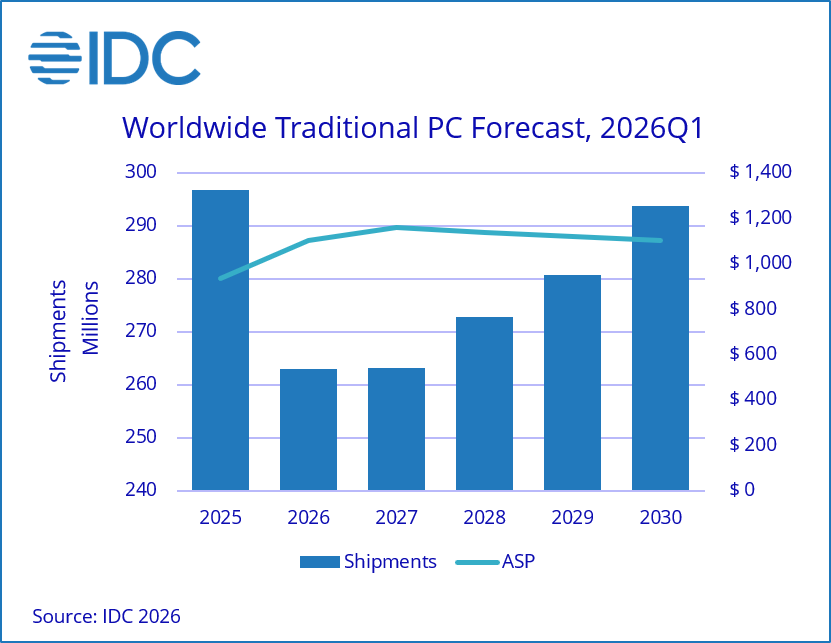
AI servers need huge quantities of high-bandwidth memory and server DRAM. IDC says Samsung, SK hynix and Micron are shifting capacity toward higher-margin enterprise products, leaving less supply for consumer DRAM and NAND. TrendForce also reported in July that top DRAM makers were prioritizing server production, squeezing consumer DRAM supply.
For a PC maker, the problem is that a laptop needs memory, storage, and a processor before they can get a Windows license onto it. Note that I’m not even talking about the increased production costs due to higher energy prices, which were a result of higher oil prices…and you get the idea.
If all these become more expensive, the OEM has to absorb the cost, cut the specification, or charge the customer more, and that’s what is likely to happen. Every time in crisis, it’s the customer who gets the golden opportunity to pay more!
Microsoft already knows Windows 11 needs to run better on cheaper hardware
Microsoft has spent 2026 talking about Windows quality, performance and fundamentals. Satya Nadella told investors in July that Microsoft was investing in Windows to ensure it has the “best quality and fundamentals.”
Well, it’s about time because RAM costs $100 for the same amount that used to cost $30.
Windows 11 has accumulated heavier components, web-based interfaces, and background services over the years. Microsoft is now trying to undo some of that work they did for the sake of compatibility and getting things done quicker. The company is now moving parts of Windows toward WinUI and reducing memory usage, fixing slow UI, File Explorer performance, and other problems.
Microsoft spent years pushing 16GB, and now Windows 11 needs to become more efficient
Microsoft’s RAM position has changed quickly. For years, the company pushed 16GB as the sensible baseline, especially for Copilot+ PCs. Then, in June, Microsoft updated its Surface buying guide to describe 8GB as suitable for everyday tasks such as browsing, streaming, schoolwork and productivity apps.
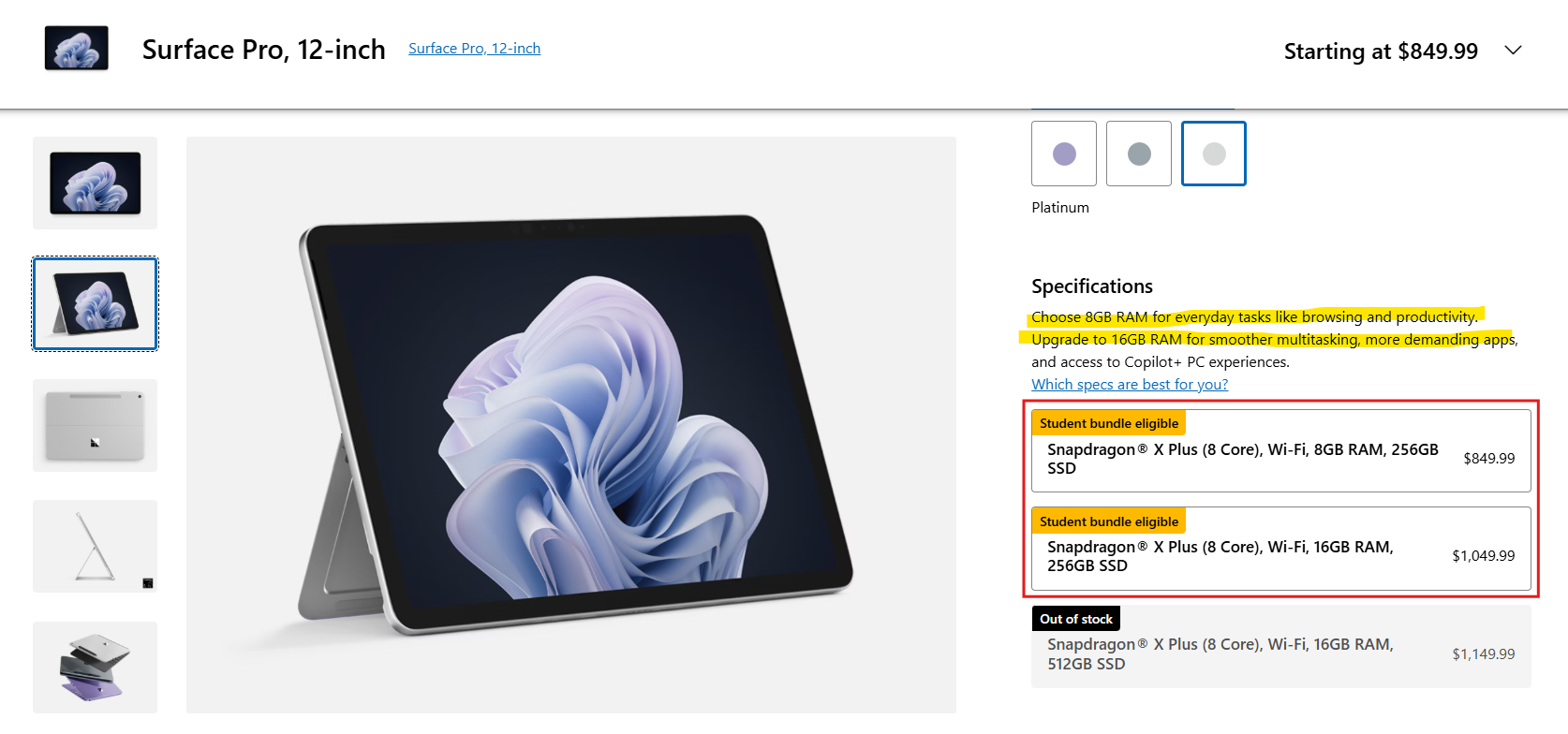
The reason is obvious. Memory prices are rising, AI workloads are consuming more memory, and Microsoft now has to help OEMs keep entry-level PCs affordable.
Despite being a leading cause of RAMageddon, Redmond cannot control the price of every DRAM chip, but it can control how much RAM Windows 11 needs. If the company makes Windows faster and lighter, OEMs can spend more of a limited hardware budget on the things users notice, such as build quality, speaking of which…
The $599 MacBook Neo is making the Windows PC pricing problem worse
Making a well-built product is a walk in the park for Cupertino, and Apple engineers proved that they could do the same thing for a MacBook at a price range Windows OEMs have the least room to breathe.
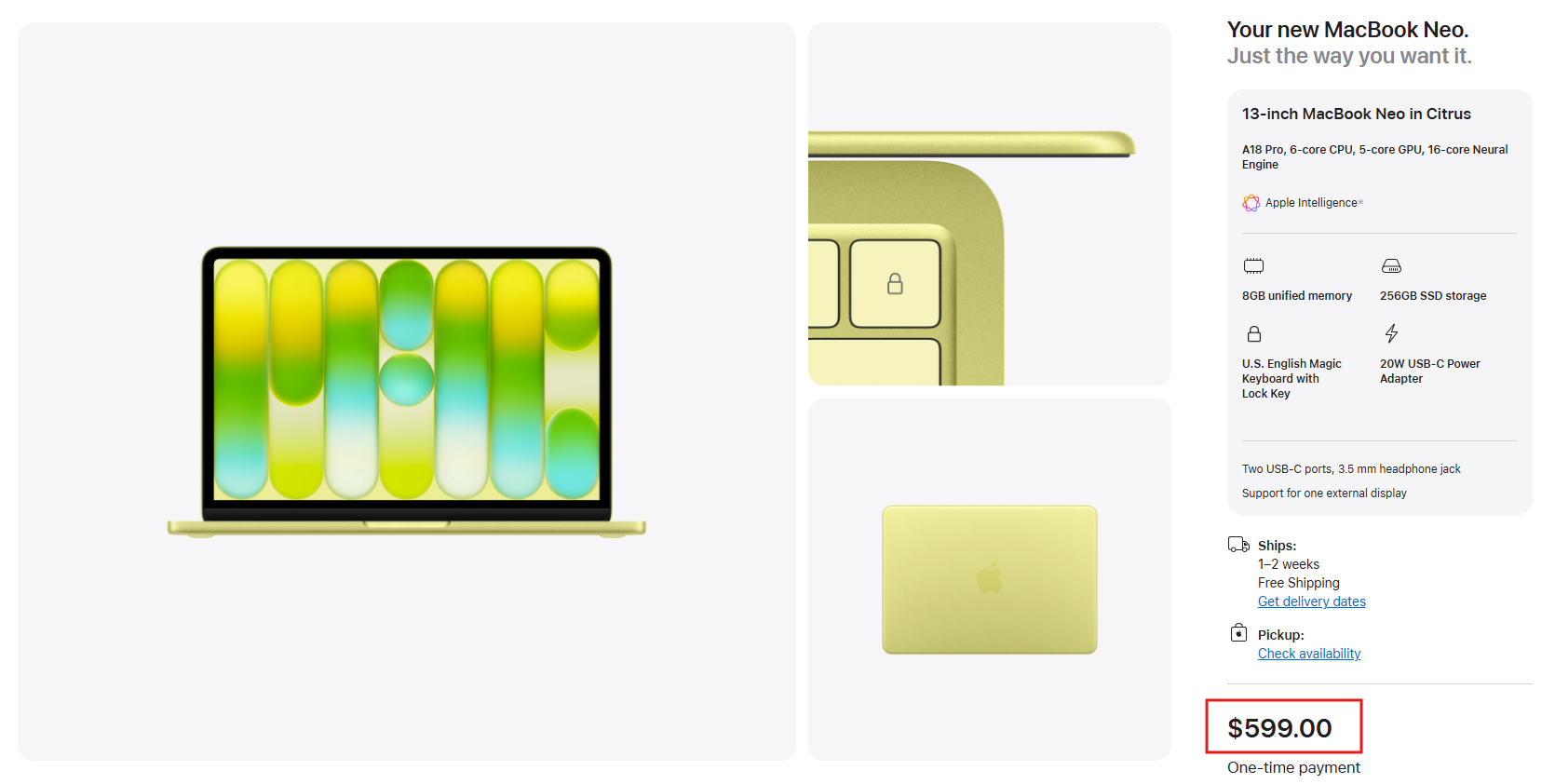
The MacBook Neo launched at $599, with a $499 education price, and immediately changed the conversation around affordable laptops. As we reported, IDC said the Neo is putting “real pressure on the entire PC ecosystem” and expects vendors to respond with new silicon, a more efficient Windows, and aggressive pricing.
Well, we have new affordable chips from Intel, Qualcomm and AMD, with the likes of Wildcat Lake Core Series 3, Snapdragon C platform, and Kraken Point Ryzen chips.
We also covered how Microsoft is planning a more efficient Windows by optimizing the OS for PCs with even 8GB of RAM.
Apple later raised the Neo to $699, but the comparison is still valid. A MacBook at roughly the price of a mainstream Windows laptop is no longer strange.
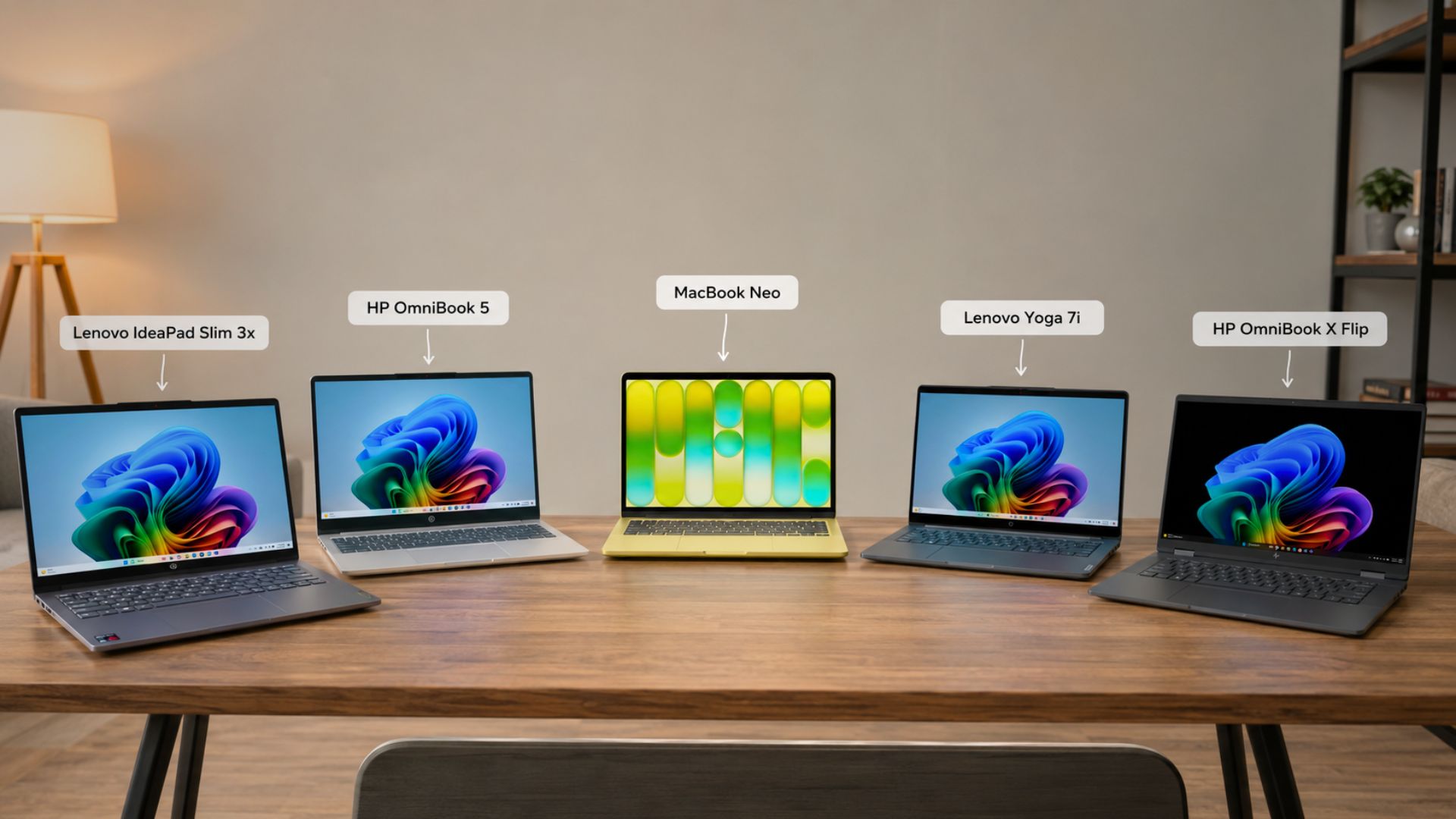
Microsoft even commissioned Signal65 to compare Windows 11 laptops with the MacBook Neo. Windows machines won on several hardware specifications, but buyers in this price range want a machine that feels good and does not constantly remind them that they bought a budget laptop.
Windows 11 sales are already losing momentum after the Windows 10 upgrade push
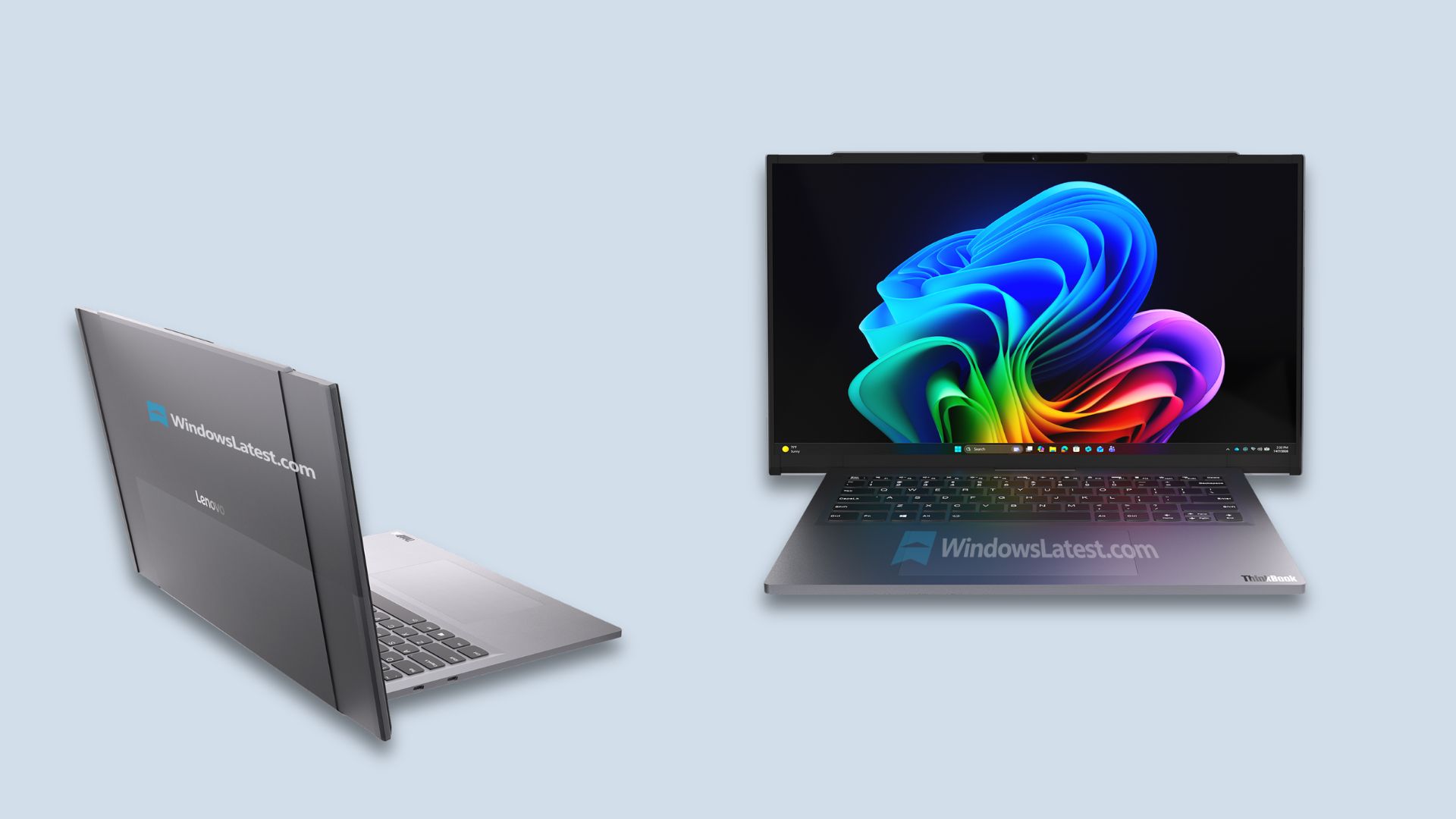
Microsoft’s latest earnings revealed some uncomfortable truth for PC enthusiasts who look forward to seeing newer innovative designs like the upcoming Lenovo ThinkBook Rollable.
Windows OEM and Devices revenue fell 7% in fiscal Q4 2026, while Windows OEM revenue fell 5%. Microsoft said lower PC demand and a difficult comparison with the previous year affected the result. Actually, the previous year benefited from Windows 10 reaching end of support and the PC replacement demand that followed.
Microsoft also said OEMs and channel partners had built inventory because component prices were rising. For FY27, Microsoft expects Windows OEM and Devices revenue to decline in the high teens, with higher component costs, higher device prices, Windows 10 end of support and elevated inventory all weighing on the business. Windows Latest previously broke down the numbers and found that Windows 10’s end-of-support deadline had become one of Microsoft’s strongest PC sales drivers.
Windows 10 holdouts now have even more reason to keep their old PCs
HP said roughly 30% of its installed base remained on Windows 10 in May, as users are not interested in moving to Windows 11.
Microsoft has now extended Windows 10 Extended Security Updates for consumers until October 2027, and Windows Latest reported that Microsoft started emailing users about the extra year without aggressively pushing them toward Windows 11.
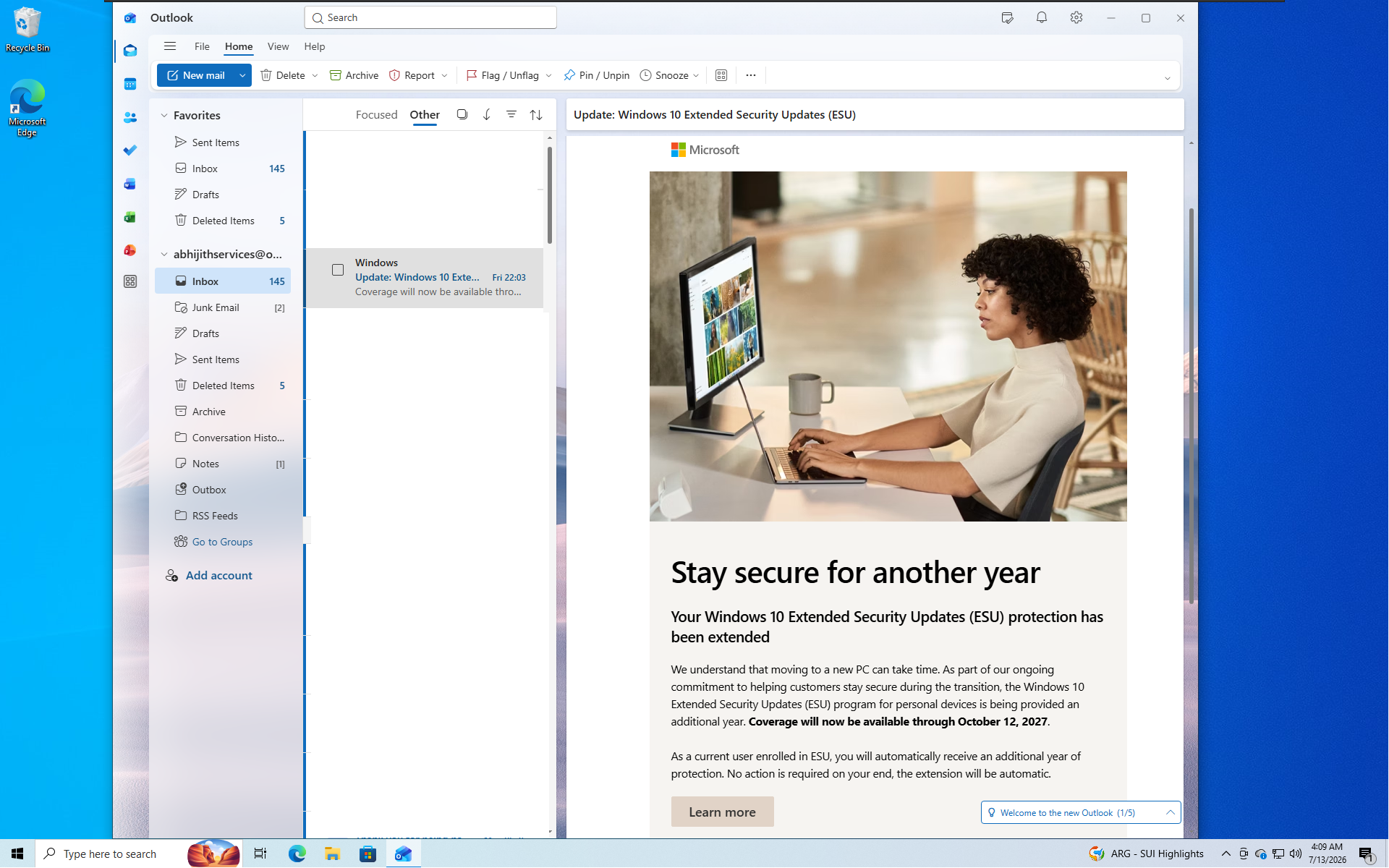
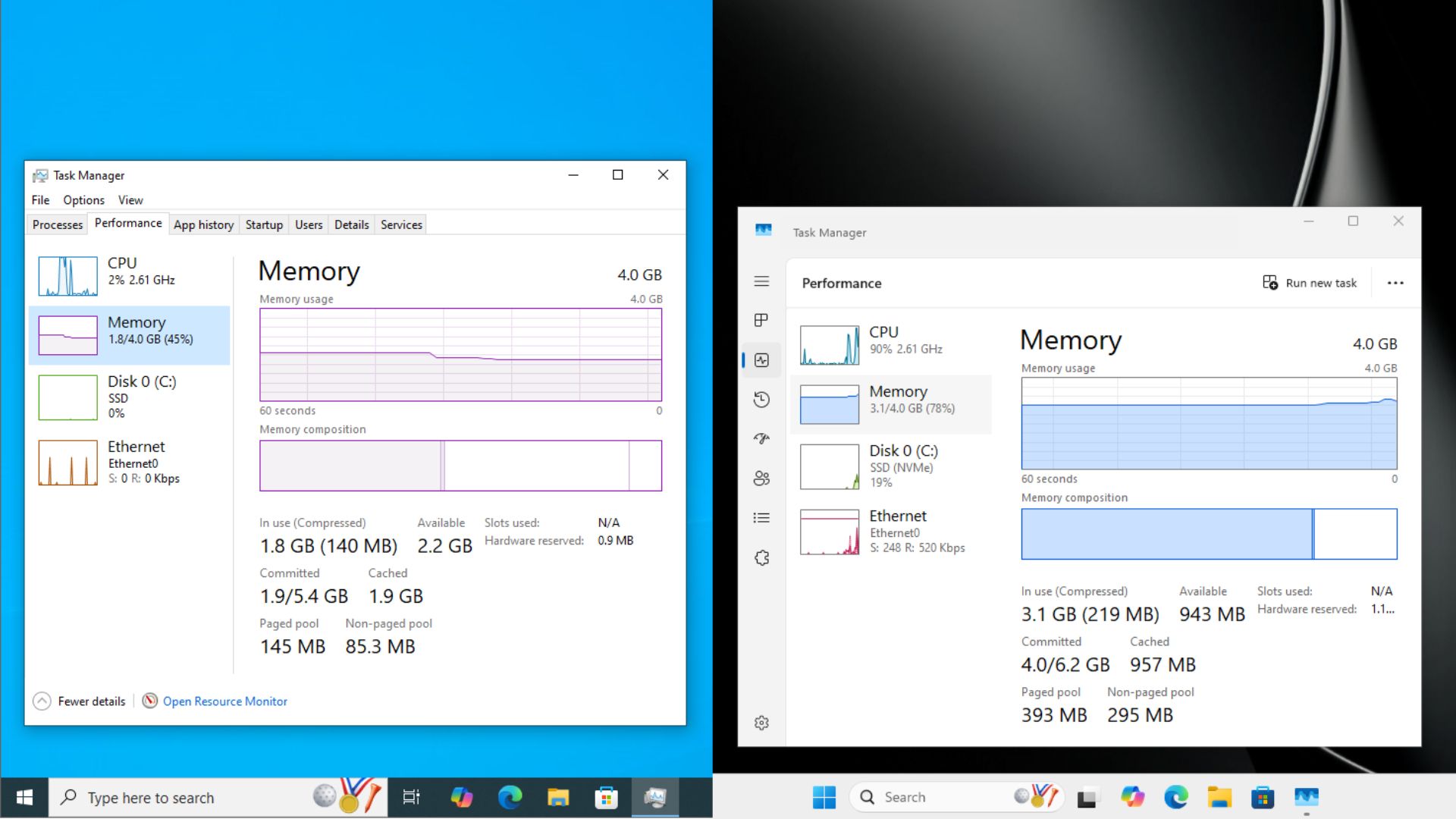
A Windows 10 machine that still does everything you need can now receive security updates for another year, while a new Windows 11 laptop could cost more than it did a few months ago. Windows 10 is also lighter than Windows 11 on older hardware.
If a new PC costs more and the old PC still feels faster, not planning to update becomes an easy decision.
Windows 11 needs to become the reason to upgrade, not the cost of upgrading
Microsoft cannot keep depending on Windows 10’s end-of-support date to create PC demand.
The company needs Windows 11 to feel good enough that people want the new machine. That means better performance, lower memory use and fewer unnecessary background processes.
Nadella’s comments about quality and fundamentals, along with Windows Chief Pavan Davuluri’s new blog about the update on the commitment they’ve made in March, suggest Microsoft understands the problem.
Windows Latest has extensively covered these changes arriving in 2026, including lower baseline RAM usage, faster File Explorer operations, modernized dialog boxes, and work to move more of the Start menu onto WinUI.
Such improvements matter more to a $500 or $600 laptop than an AI button.
The post Windows 11 PCs are about to get more expensive, and Windows 10 holdouts have one more reason to stay appeared first on Windows Latest