
A few years ago, if you had told me that an ARM-based CPU would launch and be faster than traditional x86 processors, I would have been largely skeptical. At this point, AMD had been dominating the performance charts with their Ryzen and X3D CPUs with Intel not far behind, but it looked like it was team Blue or team Red. Not to mention the, uh, not-so-good reception the Surface RT had.
Enter Qualcomm and the Snapdragon X Elite. This announcement back in 2023 shook up the PC market in a big way, proving that an ARM-based processor could not only compete against team Red and Blue but also beat them by a significant margin.
The Snapdragon X Series was a huge leap due to its custom (not ARM, but ARM-adjacent) Oryon core design. Up until this point most manufacturers were using custom cores derived from ARM using the Cortex design, which were primarily used in mobile devices and not computers.
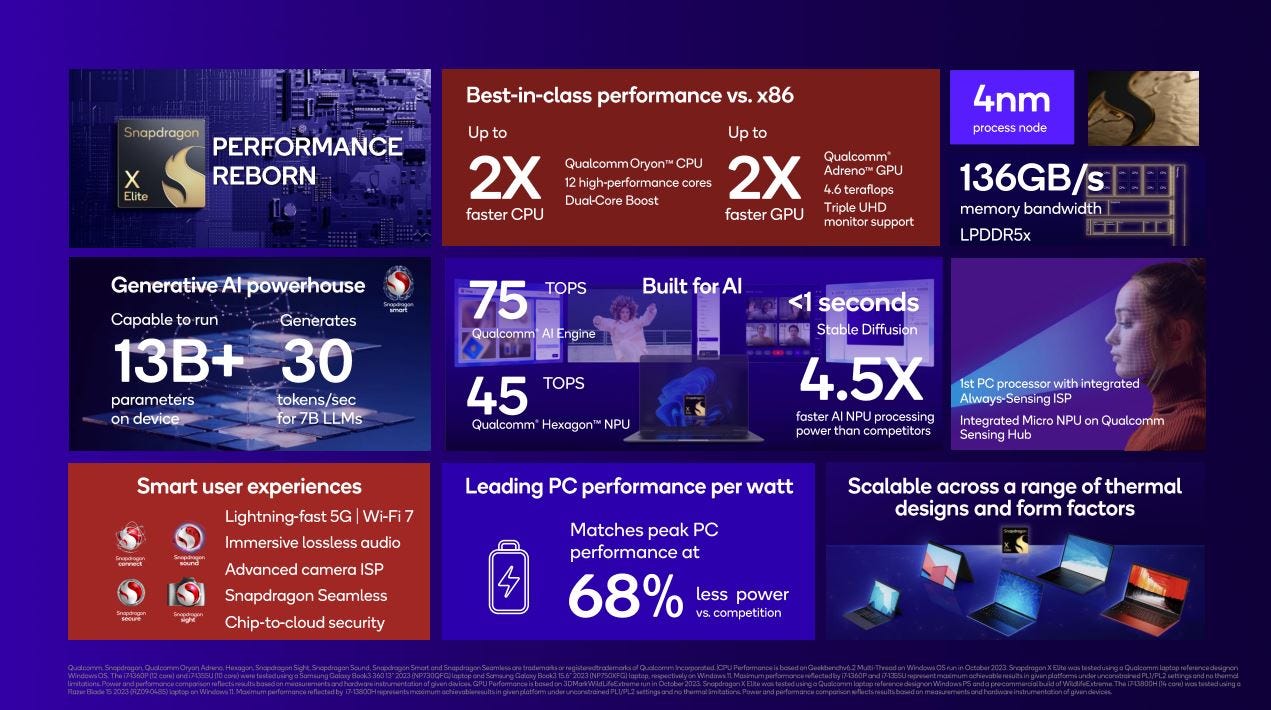
But the success of the hardware was only part of the story. Microsoft worked hand in hand with Qualcomm to optimize the Windows OS to work with these new processors, and one of the biggest changes was the introduction of the Prism emulation or compatibility layer.
Similar to how Rosetta on Apple’s hardware works, Prism translates code that was compiled for x86/x64 and allows them to work on ARM without having to recompile the application. And while not perfect, it does allow most applications to run without issue, albeit less efficiently than a natively compiled ARM application. Power profiles, CPU scheduling and other OS tweaks were also added to Windows at this time which allowed the X Elite processors to really stretch their muscles in performance and battery life.
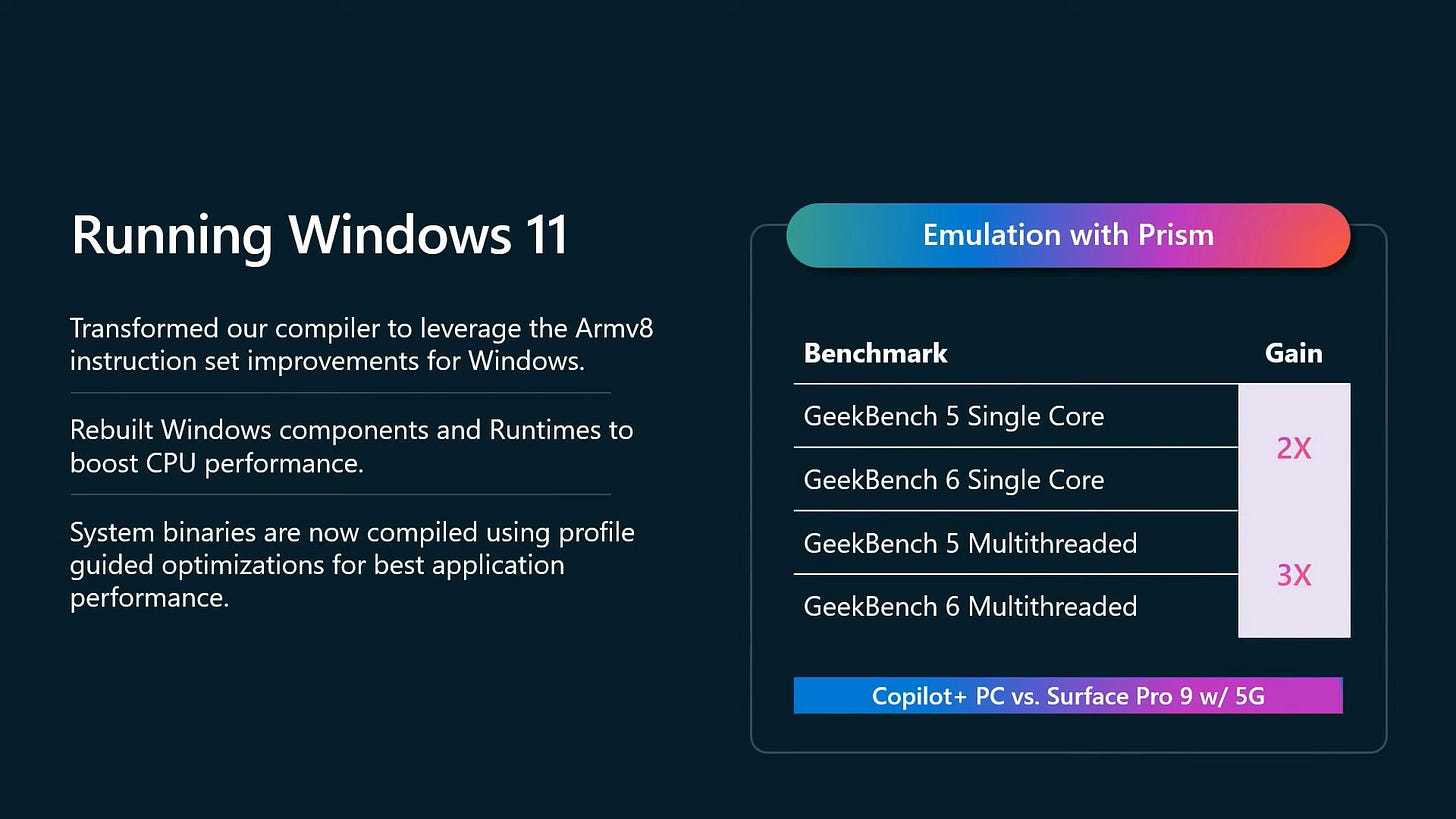
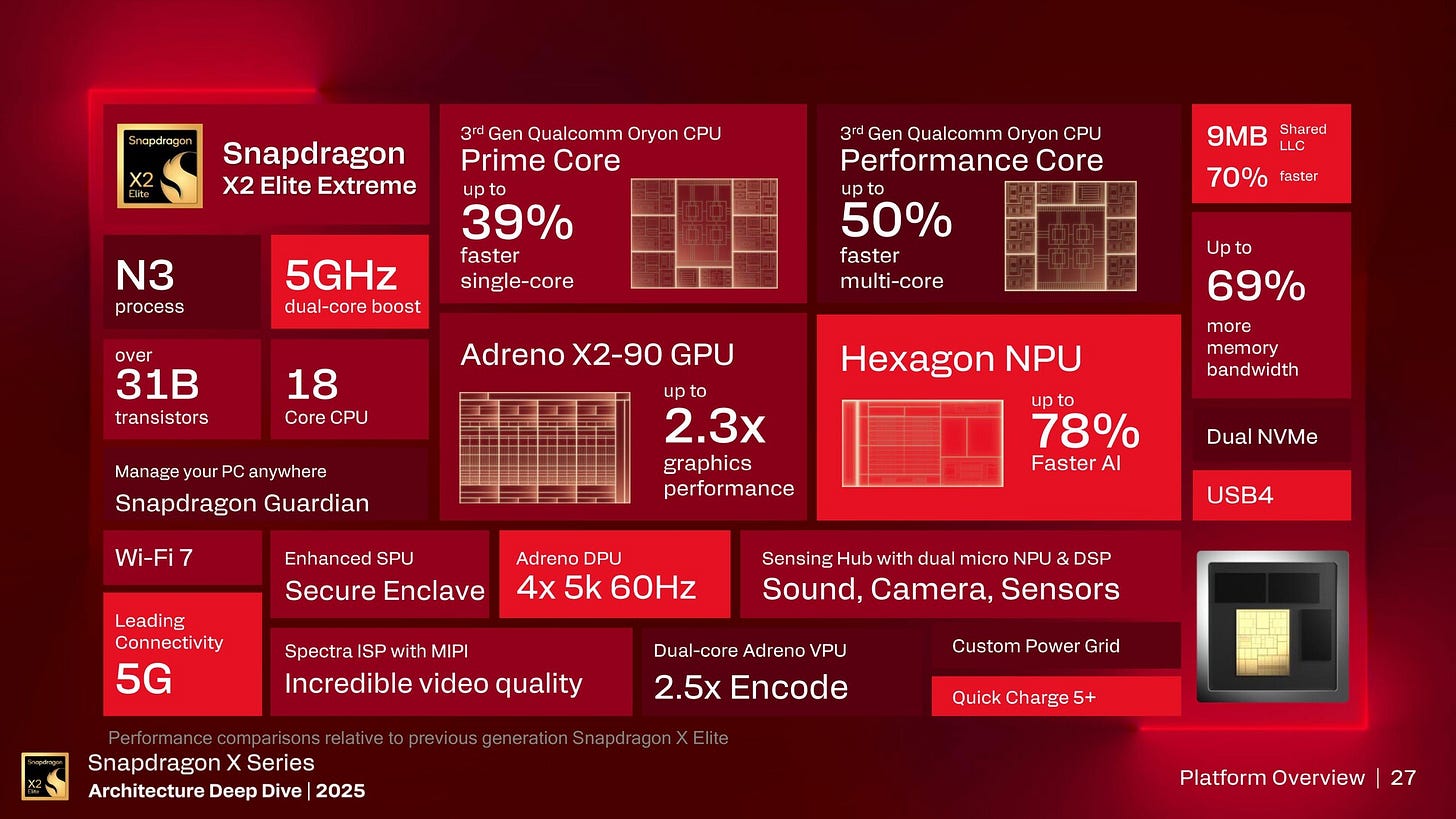
As we’ve seen in the years that followed the release, the Snapdragon X Series has continued to dominate in both performance and battery life in their segment, which shows the work that both Qualcomm and Microsoft have put into both the hardware and the software that run them.
And to show you that the Windows ARM ecosystem is mature, I decided to showcase some of the applications that now run natively, offering significant performance improvements over their emulated x64 counterparts.
One of the most recent additions was with Adobe Illustrator. Released in beta, the ARM64 native application boosts performance by over 30%. I use this app regularly and noticed a big difference in how smooth manipulating large images is now.
Another app that I use often is Discord, which now has a native ARM build in stable, which works much better than using it emulation.
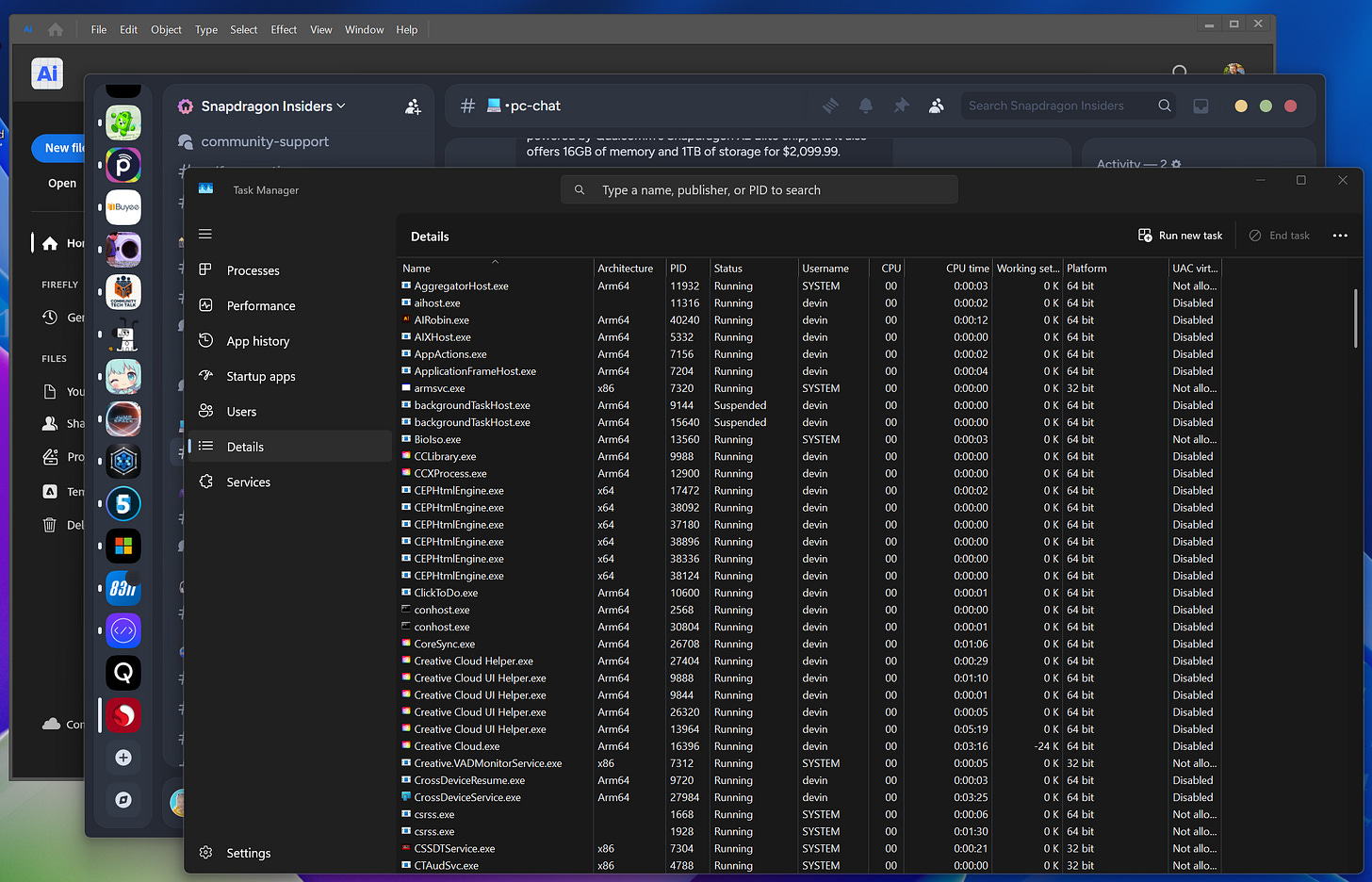
And just to give some perspective, the majority of apps running on this system I am writing this from are running natively on ARM – very few are left running in emulation. For most people, 99% of your apps will work without having any problems at all.
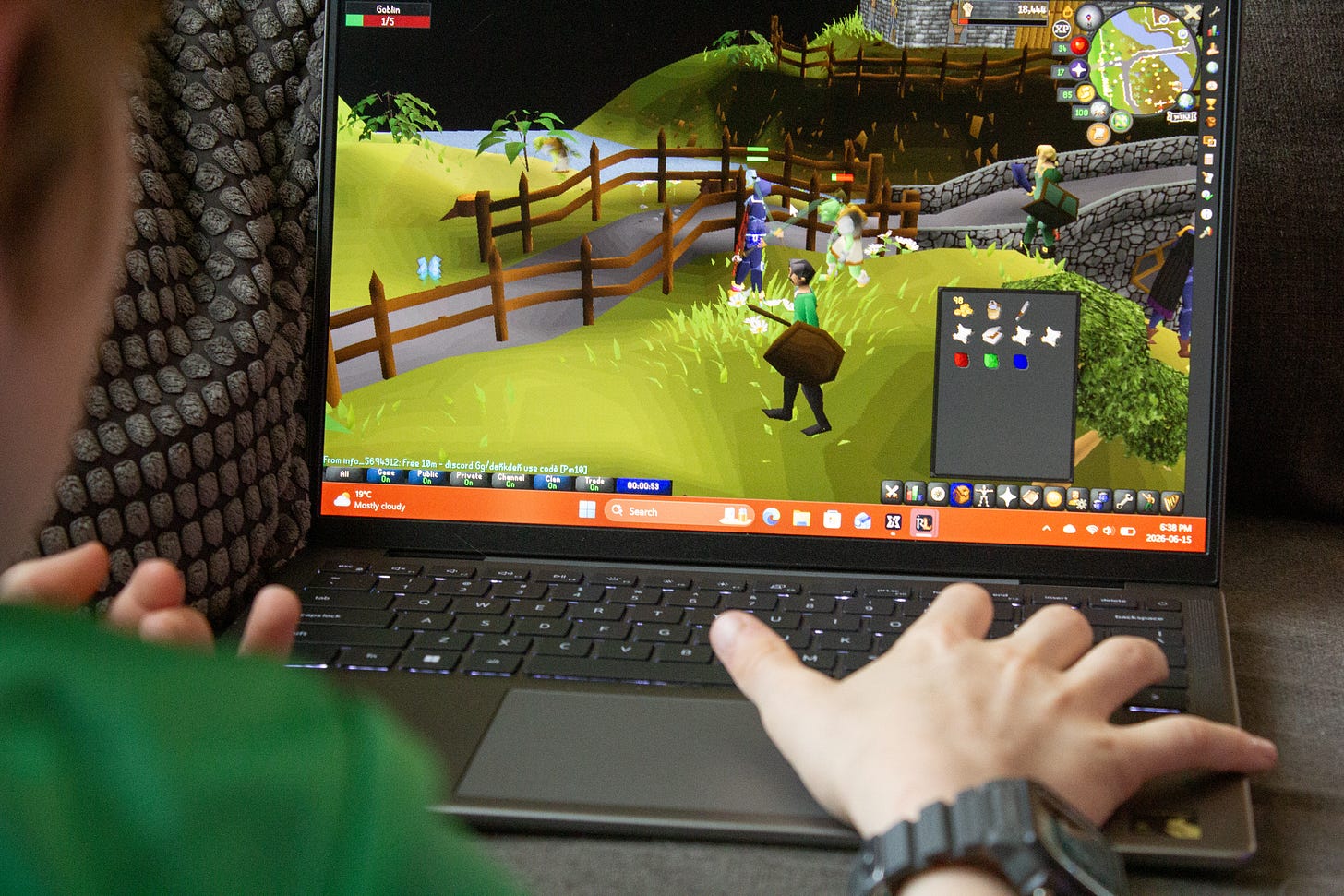
To prove this, both of my kids now use X Elite powered laptops, which means all of their coursework and even games are played on these computers, and I have yet to tell them something doesn’t work – including my son playing “old school Runescape”.
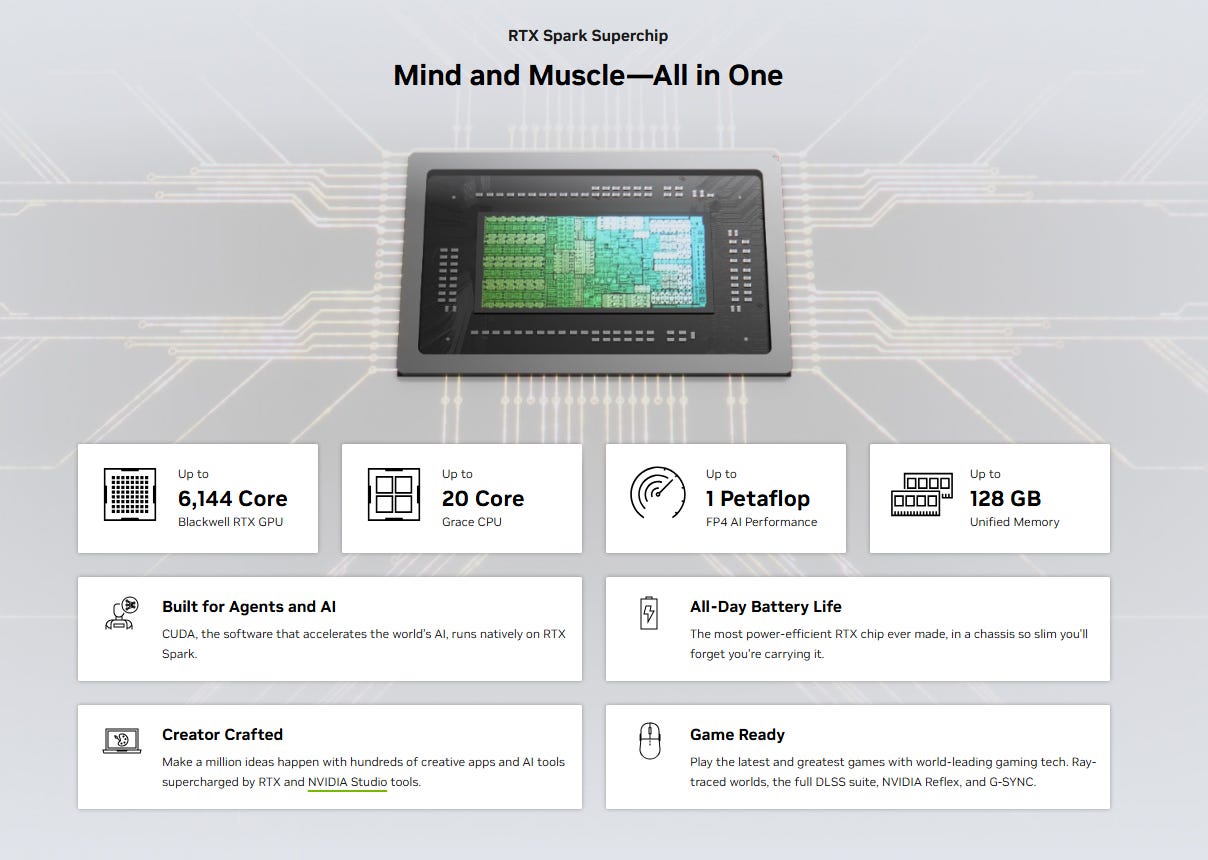
Now fast forward to 2026 at Computex and NVIDIA announced the RTX Spark, its own ARM powered system on a chip designed to compete with not only Qualcomm’s Snapdragon X Series, but also AMD and Intel. Built in partnership with MediaTek, it has an ARM Cortex powered CPU (also called NVIDIA Grace) and uses a Blackwell RTX GPU containing up to 6,144 CUDA cores for both GPU and compute processing.
If this sounds familiar, it should because it uses almost identical hardware to the DGX Spark, which was released last year for AI development. The difference now is the RTX Spark runs Windows, while the DGX Spark was limited to a custom-Linux based OS for AI workloads.
During the announcement we also heard that improvements to Windows were coming in the form of workload scheduling optimizations, which will not only benefit the RTX Spark, but other CPUs as well.
A handful of other companies announced improved Windows ARM support as well, including Adobe and many game companies whose kernel-level anti-cheat software has been in a non-working state on the platform since the beginning.
The increased competition in the ARM-based CPU space arguably benefits everyone: app developers will have a bigger push to develop and port existing applications to ARM-native, while Windows users gain the benefits that Microsoft has put into Windows for not only its ARM based OS, but its OS as a whole.
Beyond software optimization, gaming is another huge area that has the potential to move forward in a good way.
NVIDIA announced that it is working with major game developers to allow their kernel level anti-cheat software to run on Windows ARM, and combined with the GPU power of the RTX Spark, this could shape up to be a great option for people who need to have a single machine for both productivity and gaming.
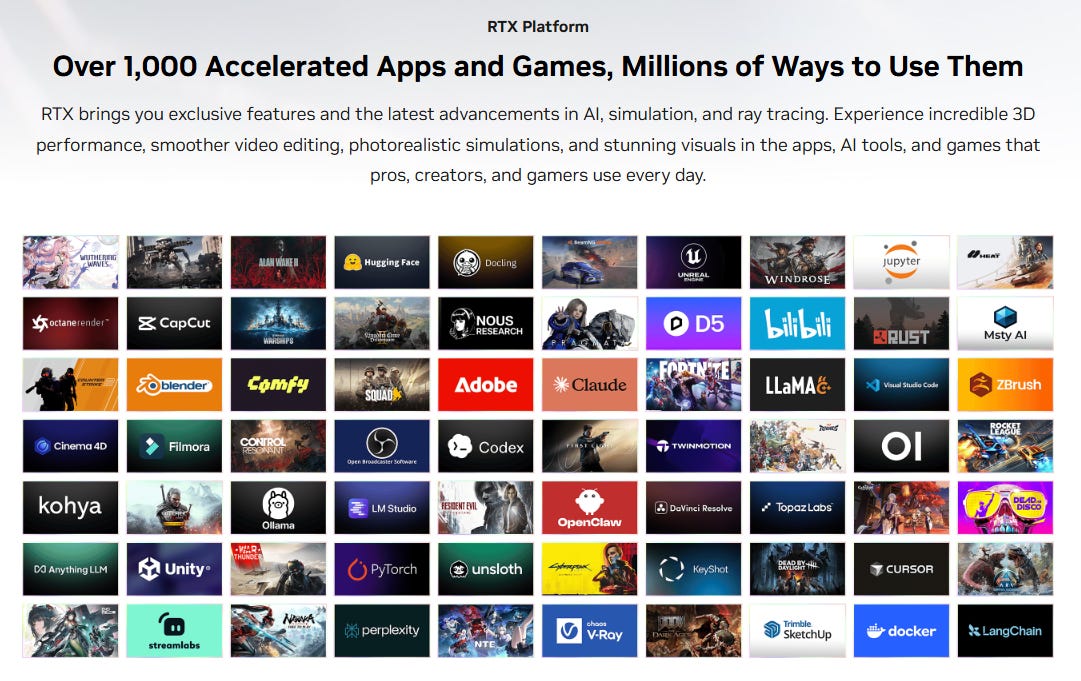 All in all, this is shaping up to be a very exciting time in the Windows compute ecosystem. And one thing we can’t forget with all these new exciting announcements is that up until this point, both Qualcomm and Microsoft are the ones that laid the foundations for the success of Windows ARM and paved the way for platforms like the RTX Spark to really flourish.
The post NVIDIA’s RTX Spark launch is huge, but Qualcomm and Microsoft built the Windows ARM foundation appeared first on Windows Latest