
They say it’s never too late to be what you might have been, and maybe in a few months, we’ll get to see what Windows 11 could have been if it didn’t get sidetracked. One such “new” feature coming to the OS, is the ability to move the Taskbar to the left, right, or the top.
For context, the movable taskbar has been a staple part of the Windows experience for over 30 years, and people famously customized their desktops with taskbars in different positions. So, naturally, the feature being removed in Windows 11 was a sore throat for many people.
However, in an effort to strengthen goodwill in Windows 11, Microsoft has recently promised to bring real fixes to the OS in 2026. But bug fixes and performance improvements aren’t the only things coming, as the company is bringing the ability to move and resize the taskbar in Windows 11, among a slew of other highly requested features.
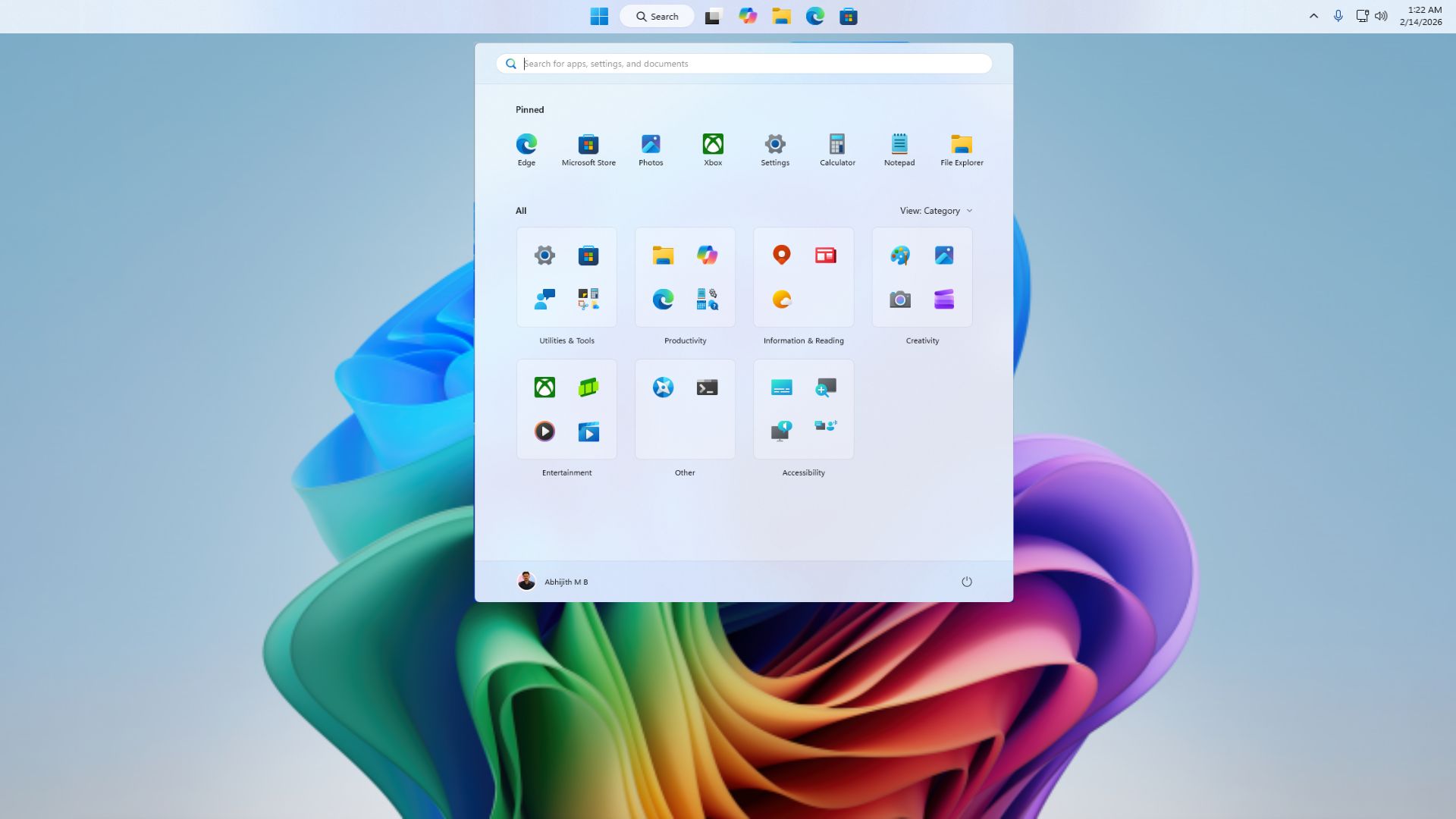
After a disastrous 2025 that deteriorated trust and faith in Windows, Microsoft is finally telling the public that they have listened to our feedback and is taking action.
Movable taskbar is coming to Windows 11 in 2026
As per reports, you’ll be able to have a vertical taskbar on either the left or the right, or a horizontal taskbar on the top, and of course, the bottom, as it does now.
Unlike Windows 10 or previous versions, Windows 11’s taskbar has some new features like Cross Device Resume (XDR), Ask Copilot (which can potentially replace Windows Search), the Start menu (which received a lot of upgrades recently with Category view and Phone Link integration), new battery icons, new features in the notification panel and changes to the Widgets menu.
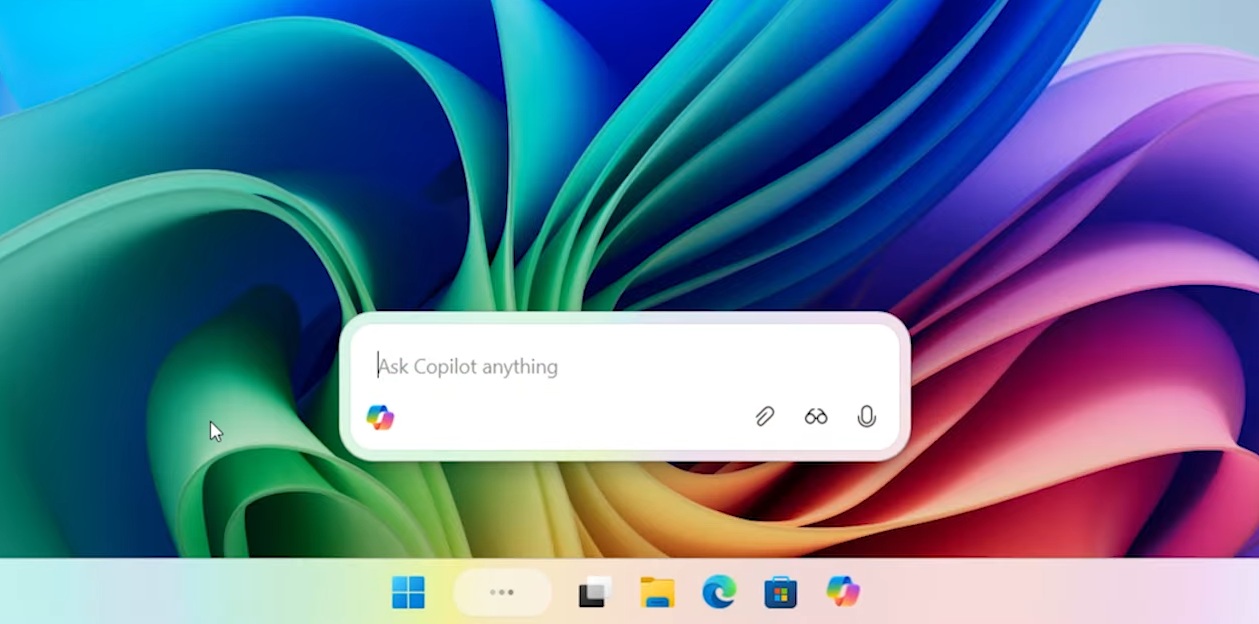
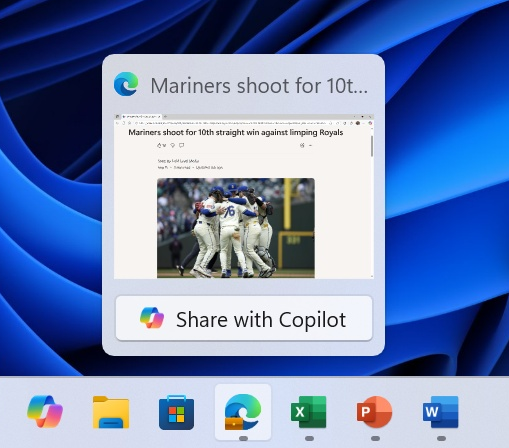
So, giving the ability to move the taskbar would require extra efforts to make such features work as expected. Fortunately, reports suggest that Microsoft will actively ensure all those features function properly in all orientations.
All these features came in 2025, so truth be told, the best time to add the movable taskbar option was when Windows 11 launched in 2021, back when it had minimal features.
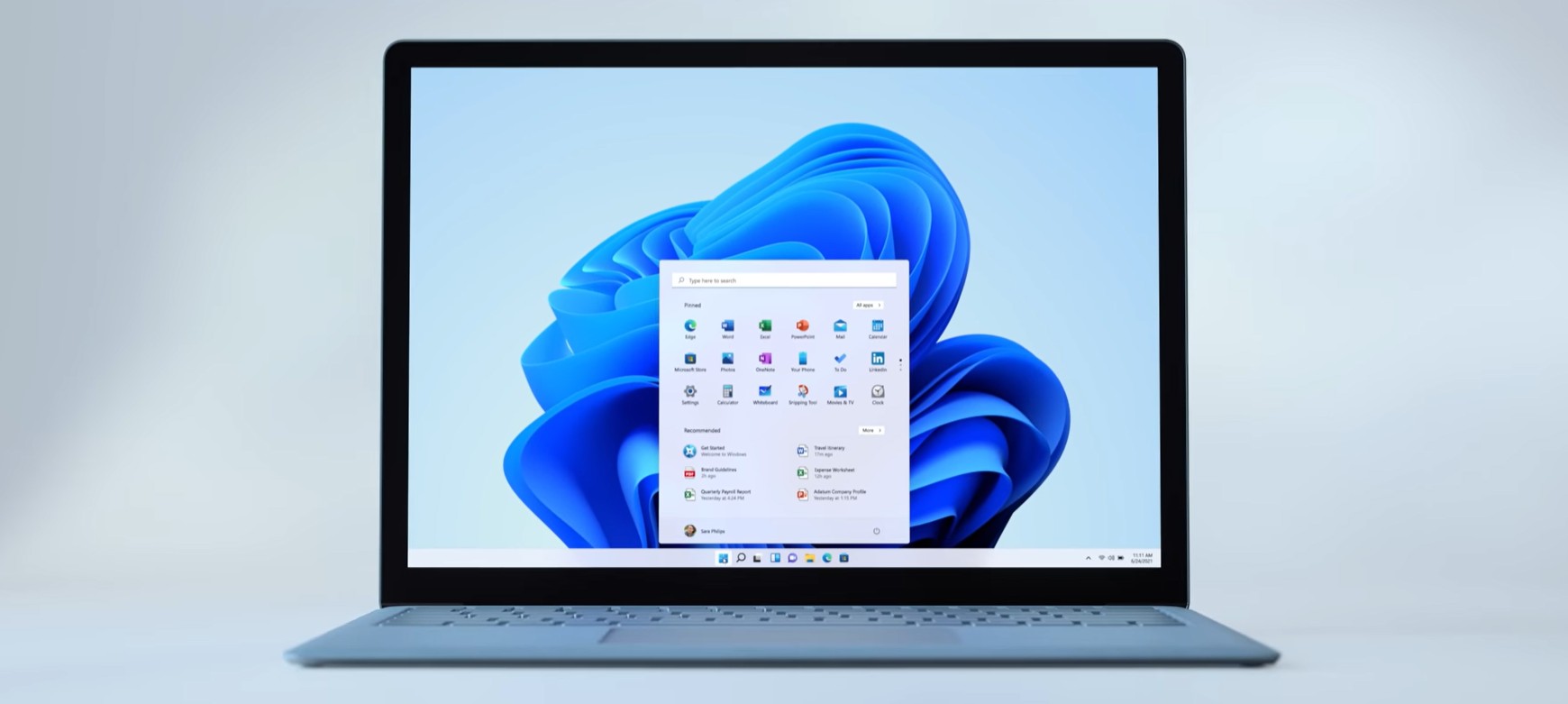
As Windows Latest reported, Microsoft reasoned that moving the taskbar to the right or left would require massive reflow work across apps to maintain a consistent user experience. Since developers created the Windows 11 taskbar from scratch, they skipped the functionality altogether and targeted efforts elsewhere in the UI.
However, the former Bing search boss at Microsoft, who also took on other responsibilities as the head of a new Windows team, said in a candid X post that the company dropped the movable taskbar option in favour of a new “symmetric panes” UX.
Windows Latest already did a detailed report on this, and from what we understand, Microsoft’s designers had a clear UI and UX hierarchy for Windows 11, with all system controls on the right side, and other information like widgets on the left side, with the Start menu in the center, of course.
So, anything apart from what the Windows 11 taskbar has right now would clash with these UI decisions.
Facts aside, the good news is that Microsoft has finally decided to add highly-requested features, and coincidentally, Microsoft’s Feedback Hub has “Bring back the ability to move the taskbar to the top and sides of the screen on Windows 11” as the most upvoted suggestion.

Windows 11 will soon be able to resize the taskbar
By this point, I have already been used to not being able to move the taskbar, but what I wished for was to make it smaller. I have tried automatically hiding the taskbar, but I always want to look at the clock and battery, so I switched back. In all honesty, I wasn’t expecting Windows 11 to get the ability to resize the taskbar, so the report suggesting that the feature is indeed coming to Windows 11 this year got me pretty excited, to say the least.
Yes, the taskbar is reportedly getting the ability to be resized, and I’m assuming that I would be able to make it smaller, with smaller icons too. I have tried changing the scale to do the same, but that didn’t work out as the overall size of the taskbar remained the same. Of course, we have an option to always make taskbar buttons smaller, but that doesn’t change the overall size of the taskbar.
Note that it’s not an easy task to resize the taskbar, as the rest of the UI and apps have to adapt to it without ruining the experience, so Microsoft’s commitment to it is a very good sign for Windows 11 in 2026.
In fact, both the ability to resize and move the taskbar is under development, and Microsoft is considering this as a high-priority work for the developer team, with additional resources being allocated.
When is the movable and resizable taskbar coming to Windows 11?
The release timeline is over the summer of 2026, if plans don’t change, that is. Remember that a movable taskbar alone is not easy to pull off, as the company has indirectly mentioned in the past, and adding resizing ability would make developers work their brains a bit. So, it’s better to take the unveiling time of summer 2026 with a grain of salt.
We are not sure how much this would impact the company’s original plan to make the taskbar a “dynamic hub for AI”, but the fact that Microsoft is committing to fix Windows 11 users’ painpoints says a lot, and we truly appreciate it.
Sure, the company went off track for a bit; however, all recent news surrounding Microsoft suggests that 2026 could be the best year for Windows 11, with overall improved system performance, better gaming, and more security, all while the company cuts down on showing Copilot throughout Windows.
The post Windows 11 may finally let you move and resize the taskbar in 2026 as Microsoft responds to user feedback appeared first on Windows Latest