
Microsoft’s once-routine next-generation Xbox console cycle is now proving to be anything but customary. The next-gen Xbox platform, widely expected to arrive around 2027, is not set to have a definitive release schedule yet, because its success rests upon improvements to Windows 11 and other software foundations.
According to Xbox watcher Jez Corden, Microsoft staffers are instead prioritizing a polished, console-like experience with Windows, over an arbitrary calendar deadline, making the next-gen Xbox launch in 2027 a “best case” scenario rather than a confirmation.
Historically, console launches have been anchored to chip performance, graphics upgrades, and exclusive game lineups, with software built in-house. The idea that Windows 11 itself must hit certain milestones before Xbox’s next console ships marks a significant shift in how Microsoft is approaching hardware.
This is not happening in a vacuum, though. Microsoft has publicly acknowledged that Windows 11 needs better performance and reliability across the board, especially in gaming, and has pledged a “Performance Fundamentals” philosophy for 2026, exactly 2 months ago, as reported by Windows Latest.
The software giant promises improvements to background workload management, power and scheduling, graphics stack optimization, and updated drivers for Windows.
Microsoft sources have also informed Windows Latest that “real” performance upgrades are in the works for Windows 11.
The next Xbox is basically a Windows PC in disguise
What makes this generation different from all that came before is that the upcoming Gen-10 Xbox platform is essentially a Windows 11 gaming PC with a console-friendly interface.
The next Xbox will run a TV-first shell on top of Windows, disabling unnecessary processes to deliver a gaming-focused experience by default. But unlike traditional consoles, users will reportedly be able to exit to a fully featured Windows desktop, like leaving a console UI for a Linux desktop on the Steam Deck.
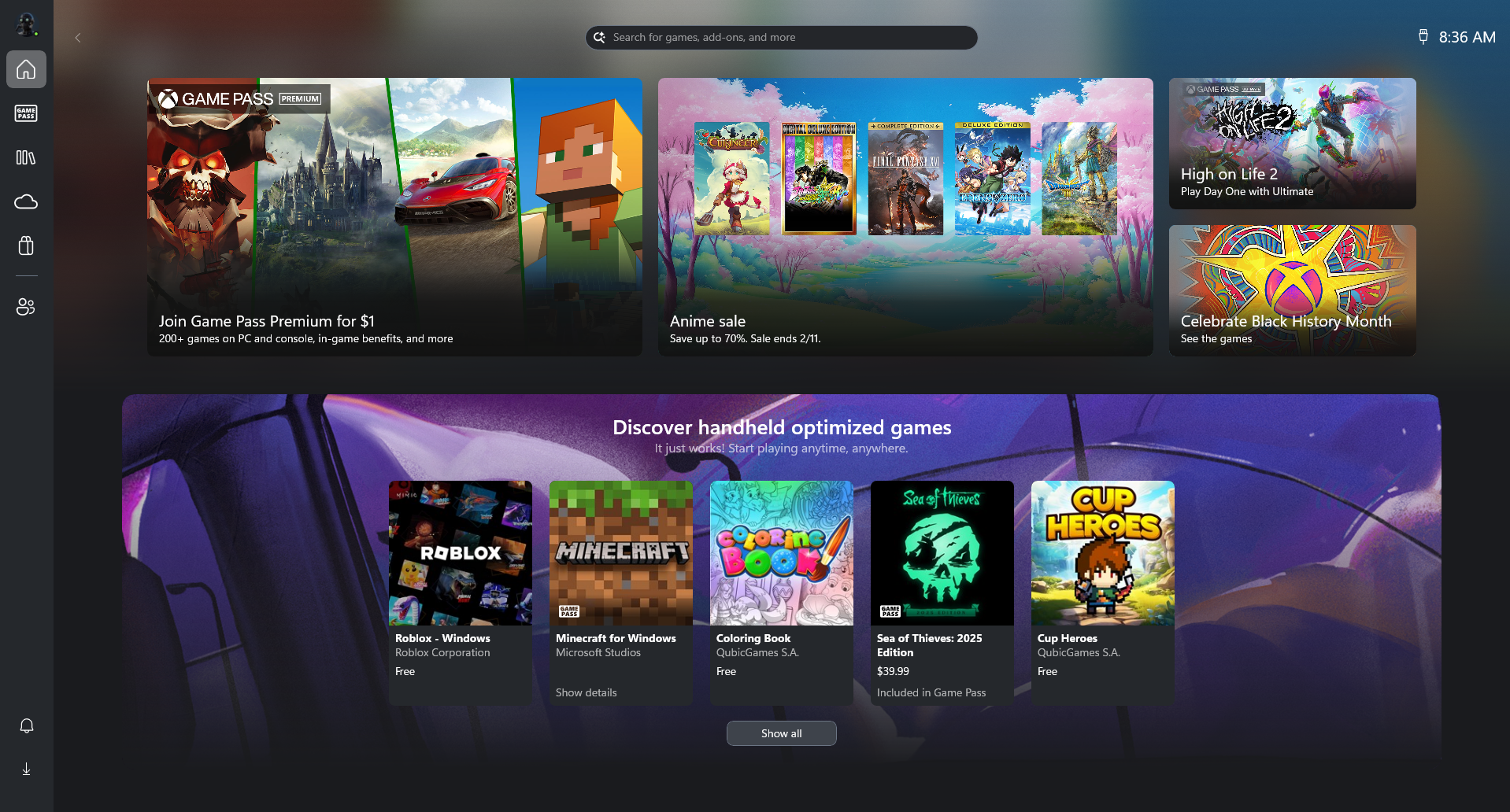
The ASUS ROG Xbox Ally handheld, a collaboration between ASUS and Microsoft, already demonstrates how Windows 11 interfaces can be tuned for gaming, with a controller-friendly Xbox Full Screen Experience (FSE) layered over the desktop OS.
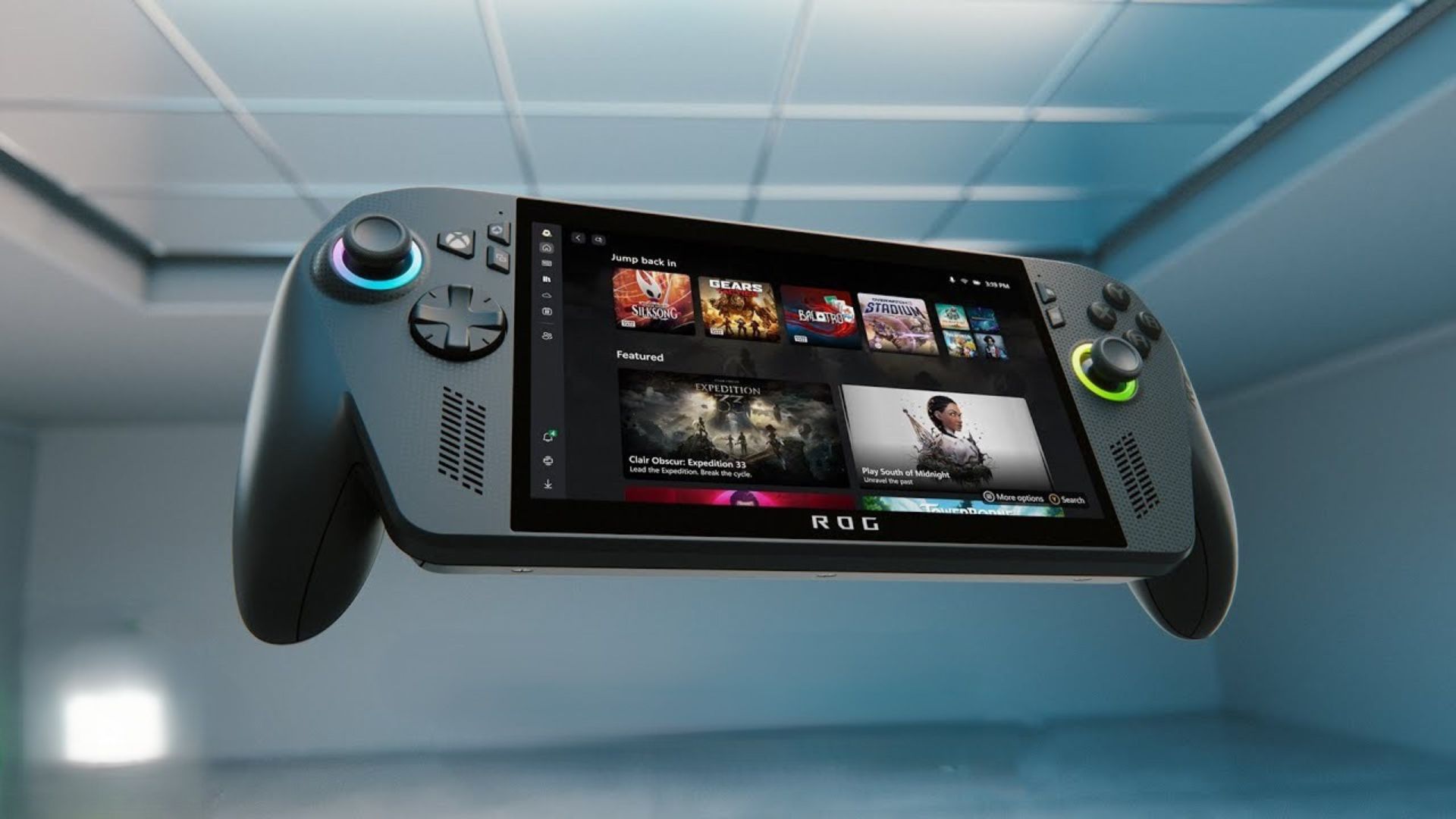
Because the Gen-10 Xbox is shaped around Windows 11, its performance and polish directly depend on how well the OS handles gaming workloads, memory management, driver stability, and other system-level behaviors, which we all know hasn’t been Windows 11’s forte.
Why Microsoft can’t rush the Xbox launch anymore
For Microsoft, shipping the next Xbox before Windows 11 is truly ready would be a self-inflicted disaster.
Over the past few years, Windows 11 has developed a reputation for inconsistent performance and gaming-related issues. Sudden CPU spikes caused by background services, broken drivers, and uneven frame pacing made gamers resent the OS.
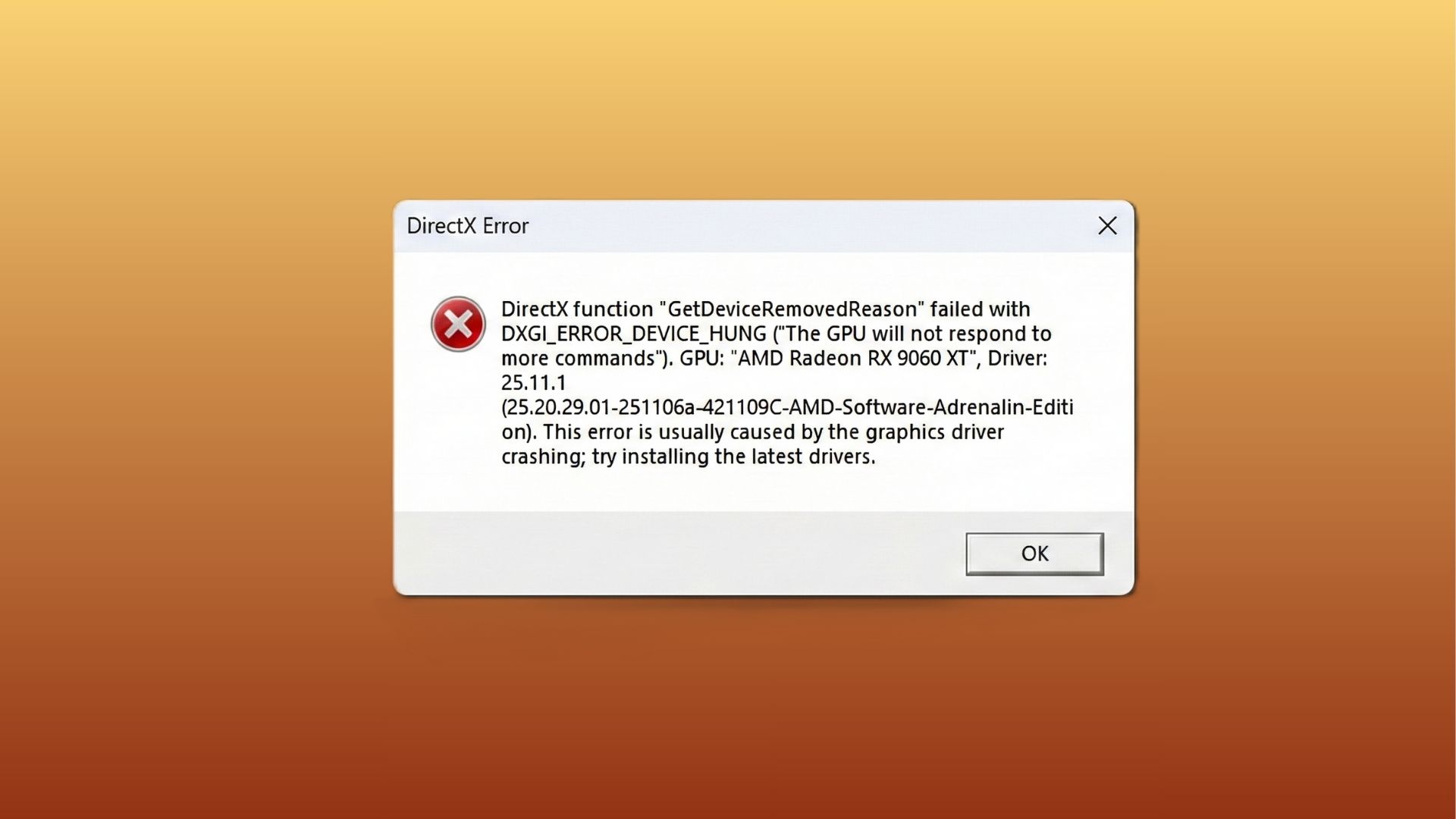
These problems become more obvious on Windows-powered gaming handhelds.
Devices like the original ASUS ROG Ally and Lenovo Legion Go have shown what happens when Windows is forced into a console-like environment without enough system-level optimization. Users have reported sleep and resume failures, controller input glitches, random performance drops, battery drain caused by background tasks, and more during gaming.
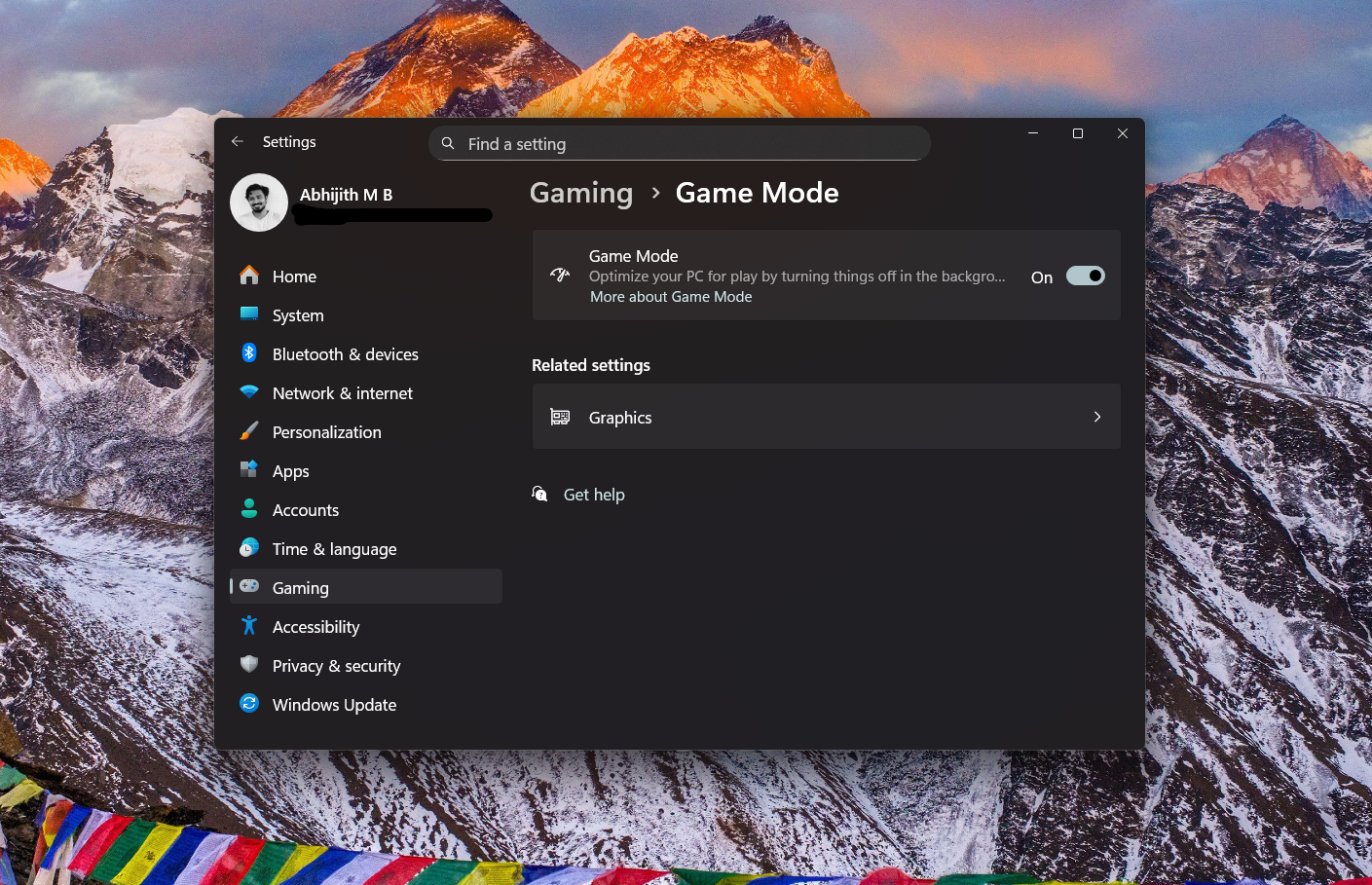
Unlike traditional consoles, where Sony and Nintendo tightly control every layer of software, Windows still carries decades of legacy services, scheduled tasks, telemetry components, and background apps. Even with Game Mode enabled, Windows rarely shuts these down completely.
This was why Microsoft introduced the Xbox Full Screen Experience with the ROG Ally X and is continuing to be available on more devices, even PCs. Although a step in the right direction, fixing just the launcher is like taking a drop of water from the ocean.
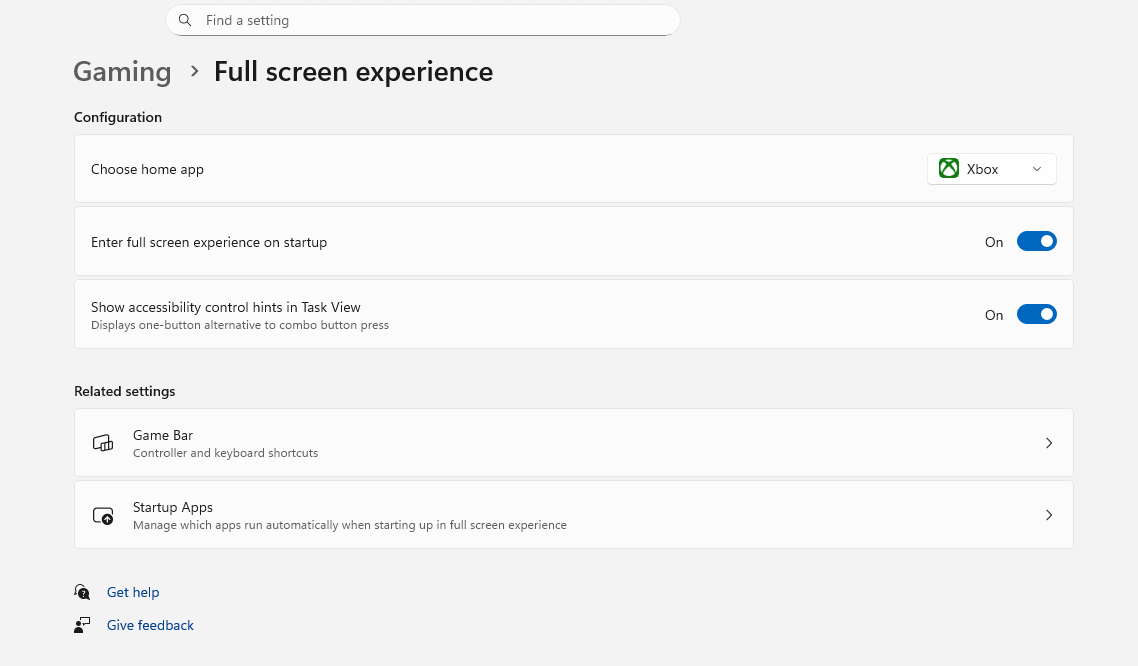
The company has admitted that Windows needs foundational-level optimization.
If Microsoft rushed out a Windows-based Xbox before these fixes are fully implemented, the result would likely be a premium-priced console plagued by instability. Delaying the hardware until Windows is genuinely stable is a necessity, and I’m all for it if it gives an OS devoid of performance issues.
Windows and Xbox teams are now tied at the hip
In the past, Xbox ran on heavily customized operating systems that shared very little with mainstream Windows. That separation allowed Microsoft to fine-tune consoles without worrying about desktop baggage.
The next Xbox runs on Windows. That means every performance issue or update failure in Windows directly affects Xbox’s future.
As a result, Microsoft has been forced to realign its internal engineering structure. Instead of working in parallel silos, Windows and Xbox developers are building one shared platform.
In simple terms, Xbox no longer sits on top of Windows.
It is Windows.
And Microsoft is rebuilding both at the same time to make that reality viable.
The post Windows 11 could finally get real performance fixes, thanks to the next-gen Xbox appeared first on Windows Latest