
Microsoft says it is heading into 2026 with a commitment to “make Windows the best place to game”. While Microsoft is being criticized for adding AI to Windows 11, the company promises a new Performance Fundamentals philosophy for the next year that aims to make gaming faster by optimizing how your PC behaves.
“We’re committed to making Windows the best place to play, and we will continue refining system behaviors that matter most to gaming: background workload management, power and scheduling improvements, graphics stack optimizations, and updated drivers,” Microsoft said.
Windows is undeniably the platform for gaming, and it has been that way for years. Microsoft knows that. But the company also knows it is slowly losing that ground, especially as handheld gaming surges and more players experiment with ecosystems outside Windows.
The global games market will continue to generate billions of dollars every year, and a growing share of that engagement is happening on devices like the Steam Deck, Nintendo Switch, and the PS5. And on top of that, a large chunk of PC gamers still stay on Windows 10, which adds even more pressure for Microsoft to justify Windows 11 as a gaming upgrade.
Having recognized this, Microsoft made it clear that it wants to stay at the center of gaming, even as the industry evolves.
What is Microsoft’s “Performance fundamentals” ideology for gaming in Windows 11
Windows has had a dedicated Game Mode for several years now, but it didn’t make much of a difference in gaming performance, despite Microsoft saying that it turns things off in the background while you game.
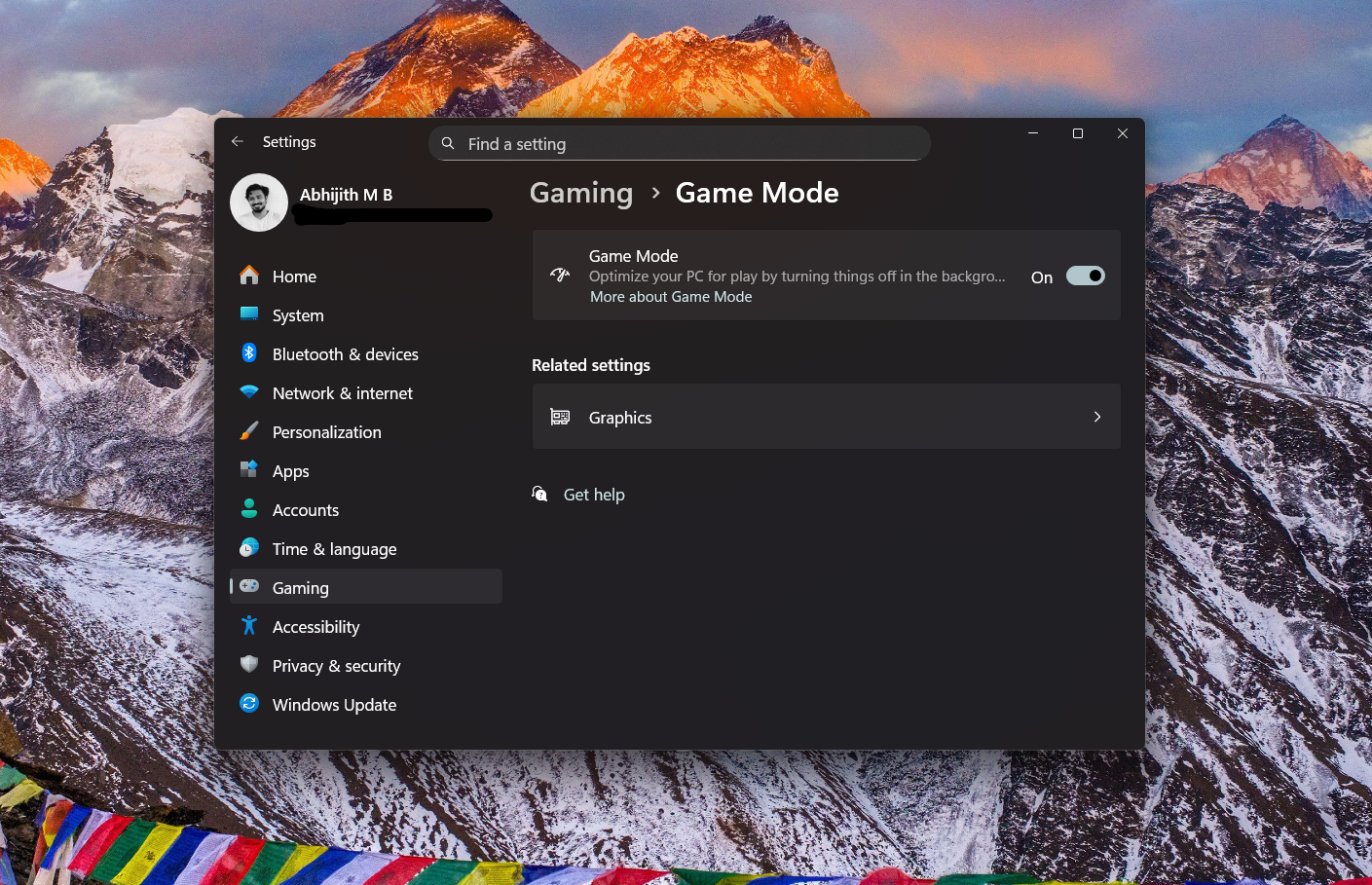
There is no going around the fact that Windows will always have things running in the background, and that’s not necessarily a bad thing, except when you’re trying to eke out every last cycle of power from your processor and GPU.
From what Microsoft is saying, their message to gamers for 2026 is built around a “fundamental” shift in how Windows should behave when a game is running.
Microsoft says it wants to refine the system behaviors that matter most to gaming, which includes background workload management, power and scheduling improvements, more efficient memory paths, and a cleaner graphics stack with more predictable driver behavior.
While Microsoft didn’t tell us how they’re gonna do all this, I can’t help but wonder why they didn’t call it a day and tell us they will finally “optimize Windows 11”? Because all the marketing jargon aside, what these really mean is that Windows 11 may finally show its true potential via some good old-fashioned optimization…but only when a game is running.
Upcoming Windows 11 optimizations for gaming
Background workload management means Windows should pause or defer non-essential services, scheduled tasks, and indexing jobs the moment a game takes the stage. The goal might be to prevent sudden CPU spikes. But if that’s possible, wouldn’t we always want such optimization throughout Windows?
Power and scheduling improvements in Windows 11 should, in theory, give the active game consistent CPU time. On handhelds and gaming laptops, this also helps reduce heat and prevent aggressive throttling during long sessions.
Graphics stack optimizations might refer to Windows reducing overhead in the DirectX pipeline, improving shader management, and making driver communication more efficient. This can potentially affect frame stability, game loading times, and how well ray tracing and upscaling features perform.
The company also blatantly mentions updated drivers as part of “performance fundamentals”. Microsoft may ask GPU vendors to align more closely with Windows-level changes.
Windows is infamous for Driver issues, especially for the lesser popular games and GPUs. But if this means that Microsoft will finally start updating drivers for AMD GPUs and niche games, like how they silently fixed the driver issue with the RX 9070 XT, then I’m all for it.
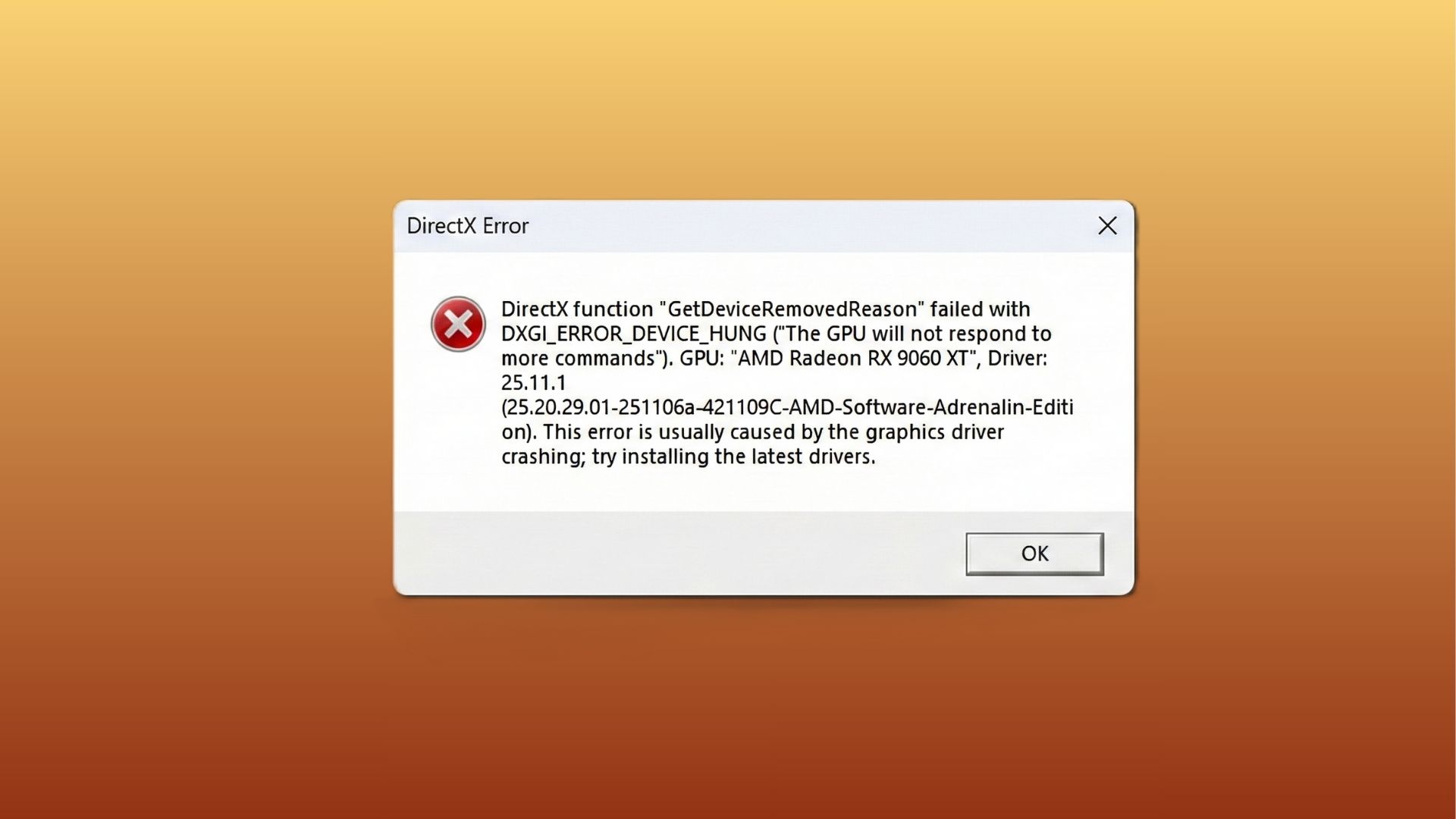
Of course, none of these are any groundbreaking features per se, but just Microsoft agreeing they need to fix Windows 11 at least for the one industry where Windows is still being sought after.
Gamers don’t really care about Microsoft’s Copilot and Agentic OS push, but they’ll definitely complain when they see uneven frame pacing, or when their newly bought ASUS ROG Ally X loses performance all of a sudden because old Windows decided to wake up an app in the background.
Gamers notice input latency spikes when the scheduler goes astray. Windows gaming handhelds and gaming laptops have some of the worst battery lives in their class, even when they are not used for gaming.
I feel this is Microsoft getting alarmed when they see the inevitable rise of their competition. Valve’s SteamOS is lightweight and tuned specifically for gaming. Consoles like PlayStation and the Nintendo Switch have tight control over system behaviour.
Yes, Windows is open, and you can basically do anything in it, but people like having dedicated devices now.
What’s next for Windows 11 PC gaming in 2026
Apart from the psychology shift, Microsoft is actually in the works with some neat and welcome features for gaming in Windows 11.
Xbox Full Screen Experience is coming to all types of Windows devices
Xbox Full Screen Experience (FSE) started as a handheld-only UI on the ROG Xbox Ally and Ally X. It turns Windows into a controller-first shell that puts the Xbox app in the spotlight, while also cutting background activity.
Microsoft now says FSE is coming to more Windows 11 form factors. Windows and Xbox Insiders can already test it on regular desktops, laptops, and 2-in-1 devices.
If Microsoft follows through on the “performance fundamentals” promise, FSE on PCs will be the place where background workload management and power tuning kick in hardest.
Advanced Shader Delivery will matter on the day a game drops
Advanced Shader Delivery (ASD) is Microsoft’s attempt to fix one of the most annoying parts of modern PC gaming, where the first run of a new title stutters badly while the engine compiles shaders. With ASD, supported games ship pre-compiled shader bundles that the Xbox app can install alongside the game, so more of that work is done before you even see the main menu.
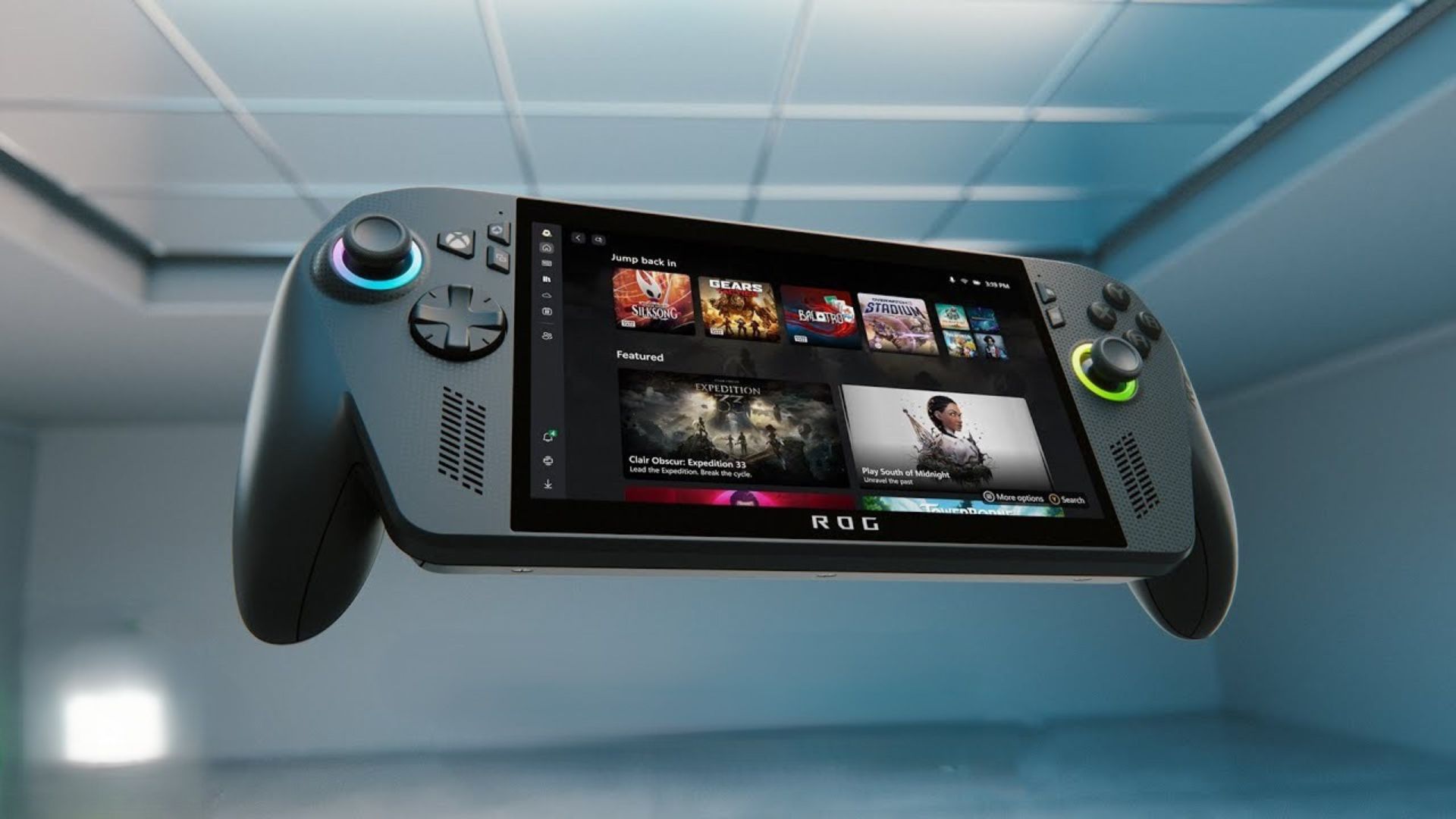
On the ROG Xbox Ally family, ASD has already produced big gains. Microsoft says first-run load times in Avowed dropped by more than 80 percent, and Call of Duty Black Ops 7 improved by over 95 percent when ASD is used. Dozens of titles in the Xbox PC app now support it, and studios can integrate ASD through the DirectX Agility SDK, which means there is a clear path for more games and more hardware to get the feature in 2026.
Auto Super Resolution is expanding beyond Snapdragon
Auto Super Resolution (Auto SR) is Microsoft’s OS-level AI upscaling feature. It renders supported DirectX games at a lower internal resolution and uses an on-device NPU to upscale the image, with no work needed from the game developer.
Today, Auto SR runs on Copilot+ PCs with Qualcomm Snapdragon X series processors. Microsoft has now confirmed that a public preview is coming to the ROG Xbox Ally X in early 2026, where the feature will run on AMD’s Ryzen AI NPU instead. That will be the first time Auto SR appears on a Windows handheld that uses AMD silicon, and I’m all for it.
Microsoft achieved a lot in 2025 for gaming in Windows 11
It is worth noting that the company actually laid meaningful groundwork for gaming in general throughout 2025. The biggest push was for handhelds, and going by the sales chart, it’s safe to say that it paid off.
ASUS ROG Ally and Ally X became Microsoft’s testbed for tuned CPU frequency profiles, more efficient UMA memory behavior, and lower OS overhead, all developed in partnership with AMD and ASUS. Advanced Shader Delivery also debuted here.
Microsoft also made measurable progress on Windows on Arm. The Xbox app enabled local game installs for Insiders on Arm devices, Prism emulation added support for AVX and AVX2 instructions so more modern titles could run, and native anti-cheat solutions expanded with Easy Anti-Cheat joining BattlEye, Denuvo, and XIGNCODE3. That combination removed some of the biggest blockers that kept competitive games off ARM laptops, with games like Fortnite finally becoming playable in Windows on ARM.
DirectX Raytracing 1.2 introduced Shader Execution Reordering and Opacity Micromaps, which Microsoft says can deliver up to 2.3 times better ray-tracing performance on supported hardware. Neural rendering entered preview through Shader Model 6.9.
2026 may be good for gamers, but now Microsoft needs the same energy for power users
Microsoft is finally talking about the problems that PC gamers have been complaining about for years. 2026 is the first time Microsoft is openly committing to fixing them at the system level.
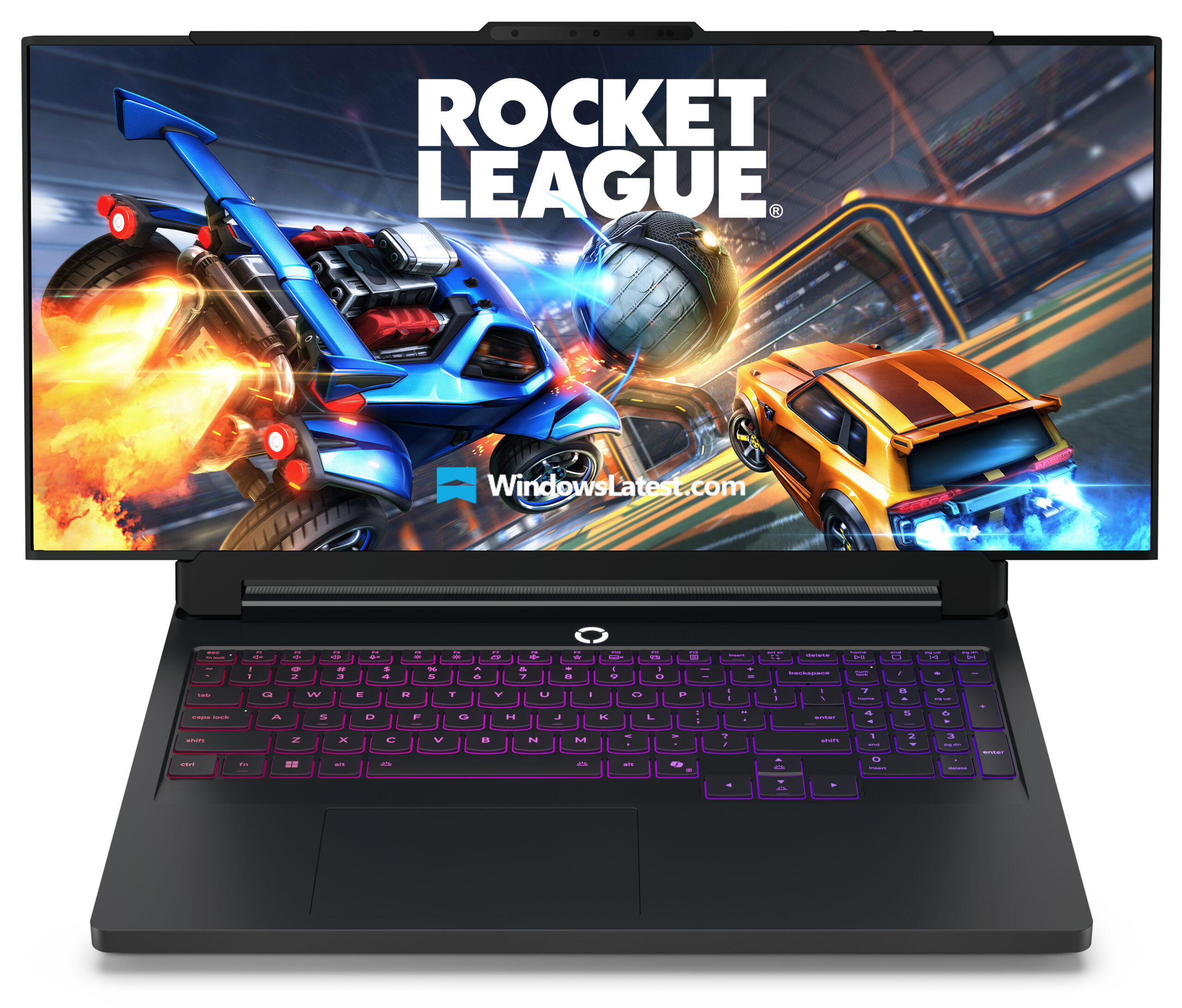
2025 was mostly footing. But 2026 is where we will actually see whether Microsoft can turn “performance fundamentals” into real-world benefits. Something like the upcoming Lenovo Legion Rollable gaming laptop is proof that the gaming industry is always looking for something new.
And if Microsoft really wants Windows 11 to thrive, they need to bring that same engineering discipline to power users, too. Developers and content creators are flocking to macOS. The upcoming budget MacBook may take away some Windows 10 users as well.
Windows now has a clear roadmap for gaming, and that is a great start. What remains is whether Microsoft will follow through, not only for gamers, but for everyone.
The post Microsoft finally admits Windows 11 needs real performance upgrade, especially for gaming appeared first on Windows Latest